

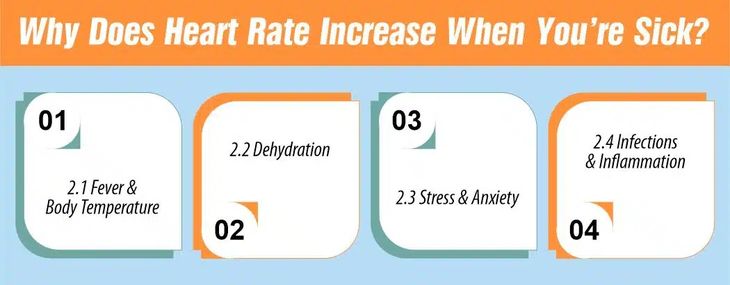
When your body temperature rises, your cardiovascular system works in overdrive, leaving many searching for Herz P1 insights on how to reduce heart rate during fever safely. Clinical data shows that for every 1°F increase in body temperature, the heart rate typically rises by approximately 8 to 10 beats per minute. By tracking these biometric fluctuations with advanced wearable technology, you can easily implement safe recovery protocols to ease cardiac strain and restore homeostatic balance.
Built to Last. Save Up to 69% Today.
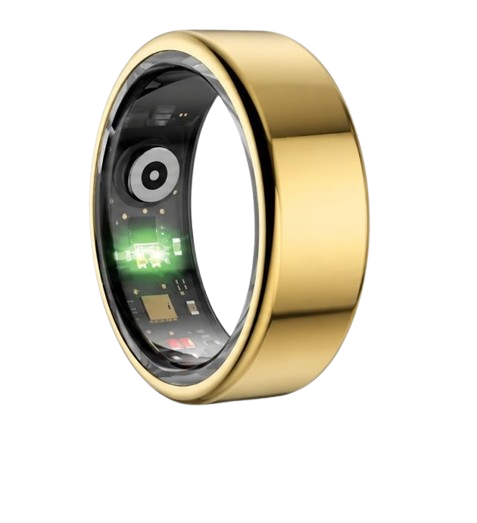
The Herz P1 Smart Ring tracks HRV, Sleep, Heart Rate & SpO2 around the clock. No subscriptions. No renewals. Ever.
In This Article
- Discover the step-by-step practical steps on how to reduce heart rate during fever safely.
- Explore the biological mechanisms behind immune activation and metabolic pulse changes.
- Learn how to recognize cardiovascular strain and tachycardia signs during infections.
- Understand how to leverage the Herz P1 companion app to map recovery trends.
- Avoid major tracking mistakes such as bulky watches and heavy subscription charges.
How to Safely Reduce Your Heart Rate While Managing a Fever: A Step-by-Step Biometric Guide
To safely lower your pulse during a fever, you must first gather a few essential resources.
Ensure you have access to a digital medical-grade thermometer to track your exact temperature fluctuations.
Keep a large bottle of fresh, cool drinking water or electrolyte solution within arm’s reach.
Prepare a quiet, darkened room where you can rest without any interruptions or bright lights.
Finally, ensure you are wearing a reliable, continuous biometric tracker to monitor your cardiovascular recovery.
-
Step 1: Hydrate Immediately with Electrolyte-Rich Fluids
Dehydration is the most prominent physiological accelerator of cardiorespiratory stress during febrile periods.
As your core temperature climbs, you lose substantial fluids via thermal perspiration and rapid breathing.
This accelerated fluid loss depletes your total intravascular volume and reduces overall blood pressure levels.
To compensate for lower blood pressure, your sympathetic nervous system initiates a compensatory tachycardic response.
Your heart must beat significantly faster to deliver oxygenated blood to struggling cellular defense systems.
Consuming cool water and balanced oral rehydration salts rapidly expands your circulatory blood volume levels.
This fluid expansion decreases blood viscosity, allowing your heart to pump more efficiently with less effort.
Sip approximately eight to twelve ounces of electrolyte-rich liquids every single hour to maintain homeostasis.
Avoid sugary juices, sodas, and caffeinated energy beverages because they act as chemical cardiac stimulants.
-
Step 2: Apply Cool, Damp Compresses to Key Vascular Zones
Applying target thermal therapy is a highly effective way to ease elevated cardiovascular strain safely.
Place soft, cool, damp cotton cloths directly over your forehead, posterior neck, and inner wrists.
These strategic body locations contain major arterial branches that run close to the epidermal surface.
As your blood flows beneath these cool compresses, excess metabolic heat is transferred out of the body.
This physical cooling process acts as a thermal signal to your brain’s internal thermal regulator.
Your central nervous system will respond by initiating systemic cooling and reducing active cardiac demand.
You will notice your resting pulse rate begin to decline as your core temperature approaches normal levels.
Never submerge your body in freezing ice water or apply ice packs directly to your skin surface.
Extreme cold triggers a rapid shivering response, which paradoxically raises your internal core temperature higher.
-
Step 3: Establish a Thermoneutral Sleeping Environment
Creating a thermoneutral environment is essential for allowing your body to shed metabolic heat naturally.
Adjust your home thermostat to maintain a stable room temperature between 65°F and 68°F.
Remove heavy duvets, thick blankets, and heat-trapping flannel bedding from your sleeping area immediately.
Opt for a single, highly breathable lightweight cotton sheet to cover your body comfortably instead.
Wear loose, moisture-wicking garments made from natural fibers like linen or lightweight cotton fabrics.
Ensure adequate air circulation by running a quiet ceiling fan on a low speed setting.
Avoid directing the airflow of the fan directly onto your bare skin to prevent sudden shivering.
A cool room allows heat to transfer efficiently from your warm skin into the ambient air.
This simple environmental adjustment reduces the energetic strain on your active cardiorespiratory system.
-
Step 4: Practice Slow, Diaphragmatic Breathing Protocols
Deep, controlled breathing is a proven method for actively down-regulating your resting heart rate.
Systemic fever naturally causes your respiration to become rapid, shallow, and highly inefficient.
This shallow breathing pattern triggers your fight-or-flight response, sending your heart rate spiking higher.
You can consciously reverse this autonomic state by practicing slow, rhythmic diaphragmatic belly breathing.
Inhale deeply through your nose for a slow, silent count of four seconds, expanding your abdomen.
Hold your breath gently for two seconds to maximize oxygen transport across your alveolar membranes.
Exhale smoothly through pursed lips for a deliberate, controlled count of six seconds.
This extended exhalation stimulates the vagus nerve to release acetylcholine, which slows the cardiac pacemaker.
Practice this deep breathing pattern for ten continuous minutes to observe a steady drop in pulse.
-
Step 5: Eliminate All Sources of Physical and Mental Exertion
Enforcing absolute physical and cognitive rest is crucial for reducing unnecessary cardiovascular demand during illness.
Avoid walking around, attempting light household chores, or sitting upright for extended periods today.
Lie down in a semi-reclined position with your upper torso supported by several soft pillows.
This reclined posture minimizes the gravitational strain of pumping blood back up to your brain.
Disconnect completely from work-related tasks, high-stimulus movies, and stressful social media feeds on your phone.
Psychological stress triggers an immediate spike in adrenaline, which prevents your heart from resting properly.
Close your eyes and listen to soft, ambient sounds or focus on quiet, restorative sleep.
Your immune cells require enormous amounts of metabolic energy to synthesize protective proteins and antibodies.
By eliminating physical and mental activity, you conserve vital resources for systemic defense and healing.
-
Step 6: Administer Doctor-Approved Fever Reducers Sensibly
Using medication to directly lower your fever is a highly reliable way to ease secondary tachycardia.
Consult your healthcare professional regarding the safe and appropriate use of non-prescription antipyretic medications.
Common medications like acetaminophen or ibuprofen target the inflammatory signals in your central nervous system.
These pharmaceutical compounds work to reset the hypothalamus back to its normal thermal baseline temperature.
As your internal thermostat resets, your body initiates sweating and vasodilation to dump excess heat.
Your heart rate will automatically begin to decline as your body temperature descends toward normal.
Always write down the exact dosage and time of administration to prevent accidental overmedication hazards.
Avoid combining different multi-symptom cold medications that contain identical, liver-processed active ingredients.
Give the medication at least forty-five to sixty minutes to take full effect in your bloodstream.
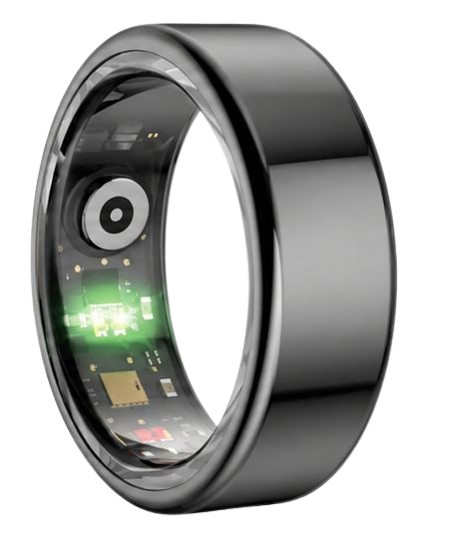
To monitor how your body responds to these recovery steps, the Herz P1 Smart Ring provides invaluable, real-time feedback.
By continuously logging your metrics without annoying screen distractions, you can easily track your recovery trends.
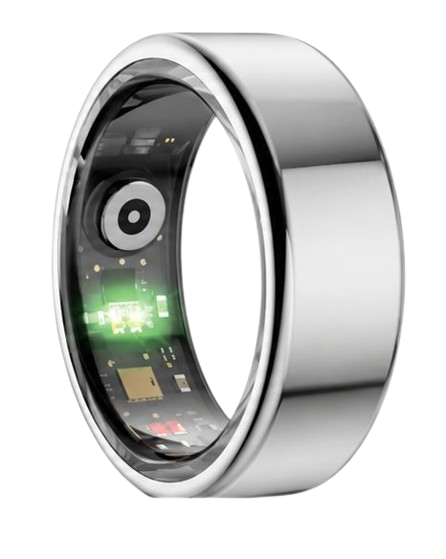
The military-grade steel construction ensures your tracking companion is durable enough for any resting environment.
With zero monthly fees, you enjoy complete lifetime access to all your raw health metrics without hidden costs.
Discover how the Herz P1 Smart Ring helps you maintain perfect visibility over your cardiovascular health during recovery.
90-Day 100% Money-Back Guarantee
“The Herz Smart Ring helps me manage stress easily. It’s accurate, stylish, and lightweight—perfect for my busy life!”
— Jennifer P. | ✔ Verified Customer
- ✓ 6-Day Battery Life
- ✓ Detailed Sleep Analysis
- ✓ Fast 1-Hour Charging
- ✓ iOS & Android Ready
Questions? Call: 1-866-479-1629
The Physiology of Fever: Why Does an Infection Increase Your Heart Rate?
When a pathogen enters your system, your immune cells launch a vigorous counterattack.
These cells release specialized proteins called cytokines to signal that an infection is present.
These cytokines act as endogenous pyrogens that travel through your blood to the brain.
They interact directly with the hypothalamus, which acts as your body’s master thermostat.
The hypothalamus raises your target temperature setpoint to create a hostile environment for invaders.
This shift explains why does a fever make your heart rate go up when your immune system is active.
To raise your temperature, your body must accelerate its basal metabolic rate significantly.
A higher metabolic rate increases cellular demand for oxygen and essential nutrients.
Your heart must beat faster to deliver this vital oxygenated blood to your organs and tissues.
Medical studies indicate that does infection increase heart rate by altering autonomic nervous system pathways.
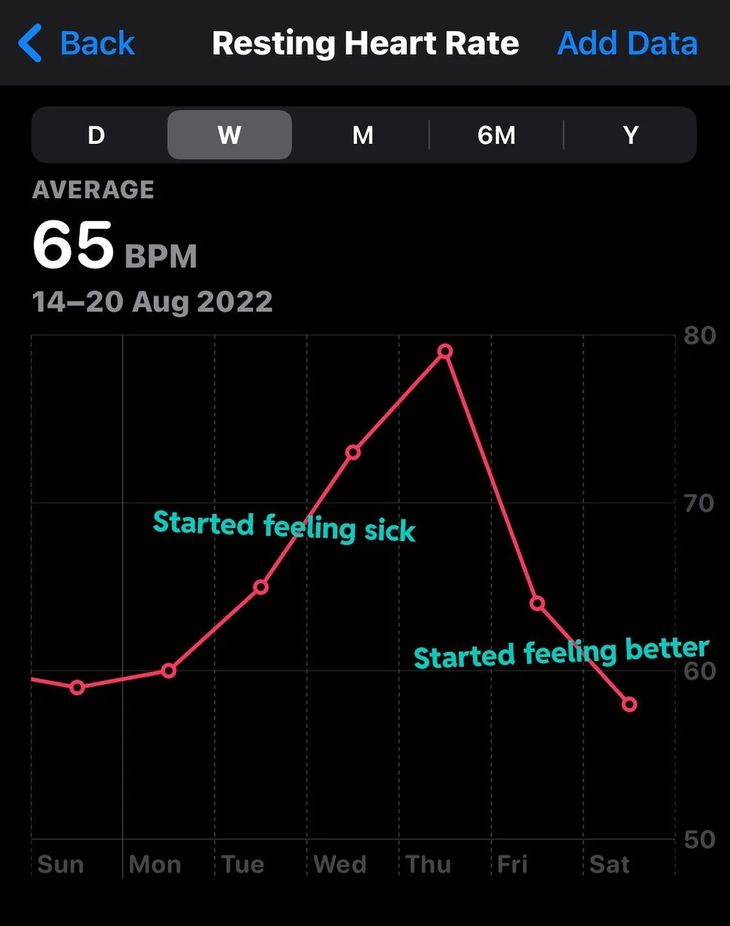
During this acute phase, you will observe a highly elevated sick resting heart rate on your health tracker.
Seeing a resting pulse 100 with fever is a common biological reaction to this inflammatory cascade.
Recognizing Tachycardia and Cardiorespiratory Strain When Ill
It is important to understand the boundary between a normal fever response and clinical tachycardia.
Tachycardia is defined as a resting heart rate that exceeds 100 beats per minute in adults.
Experiencing a temporary flu heart rate over 100 is a very common reaction to severe systemic infections.
The influenza virus and other respiratory infections trigger massive inflammatory responses throughout your body.
This widespread inflammation places a heavy burden on your lungs, blood vessels, and heart muscle.
You will typically observe an elevated heart rate when sick because your body is working overtime to heal.
However, you must monitor this elevation carefully to ensure it does not cause dangerous cardiac fatigue.
In some interesting cases, you may notice a high heart rate when sick no fever being active.
This can happen when your immune system is actively fighting off a pathogen without triggering a thermal response.
It can also occur due to subclinical dehydration, sleep deprivation, or physical exhaustion.
Persistent tachycardia when sick can lead to feelings of shortness of breath, dizziness, or chest fluttering.
Using a smart ring allows you to collect continuous, objective heart rate data throughout your illness.
How to Analyze Your Sick Recovery Data Using the Herz P1 Companion App
Managing your recovery effectively requires translating raw biometric data into clear, actionable steps.
The Herz P1 companion application provides a comprehensive suite of tools to help you track your illness.
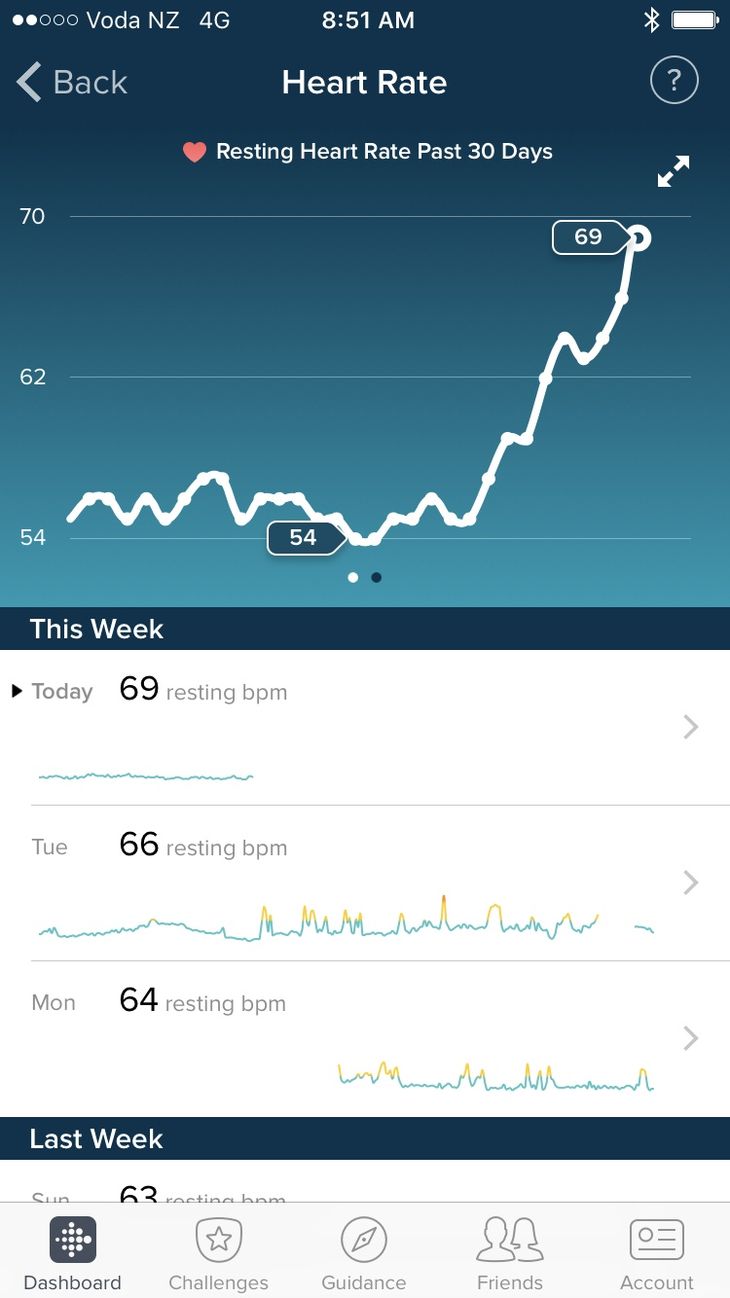
When you open the app, you will see a detailed real-time graph of your heart rate trends.
During a fever, you can view the exact moments your pulse spiked and when it began to stabilize.
This clear trend mapping allows you to verify if your hydration and cooling methods are working.
The app also monitors your Heart Rate Variability, which is a powerful indicator of autonomic stress.
A sharp drop in your HRV score during an illness indicates that your body is in deep stress.
This low score signals that you must prioritize complete physical rest and avoid any exertion.
As your immune system successfully clears the infection, your daily HRV scores will steadily rise.
Additionally, the integrated SpO2 sensor monitors your blood oxygen levels around the clock.
Maintaining an SpO2 reading between 95% and 100% confirms that your lungs are functioning optimally.
The lightweight design of the Herz P1 ensures you can wear it comfortably through the night.
Pitfalls to Avoid: Bulkiness and Recurring Costs of Wellness Tracking
Many individuals make the mistake of wearing a bulky, heavy smartwatch to monitor their health when ill.
Large smartwatches can feel incredibly uncomfortable, especially when your skin is highly sensitive from a fever.
The rigid sensors can press painfully into your wrist when you toss and turn in bed trying to rest.
Additionally, many smartwatches require daily charging, leaving massive gaps in your health data.
This charging anxiety is the last thing you want to deal with when you are feeling physically exhausted.
Another major pitfall in the wearable market is the hidden cost of recurring monthly subscriptions.
Several popular brands force you to pay a monthly fee just to view your own biometric data in their app.
Team Herz P1 believes that your health data should belong to you entirely, without any ongoing financial barriers.
The Herz P1 App is completely free for a lifetime, with absolutely no hidden subscription fees.
You purchase the premium smart ring once, and you unlock full access to all advanced tracking metrics forever.
We construct our rings using military-grade steel and advanced materials to ensure maximum durability.
This robust construction protects the delicate internal sensors from accidental drops and everyday wear.
Frequently Asked Questions About Fever Pulse Management
Is the Herz P1 Smart Ring waterproof?
Yes, the Herz P1 is fully IP68 waterproof and built to survive deep water exposure.
It can be safely submerged in water up to 164 feet deep without damaging any internal components.
This rating ensures you can wear it safely while swimming, showering, or taking a warm bath.
It also makes the ring incredibly easy to clean and sanitize after recovering from an illness.
You never have to worry about water damage ruining your premium biometric tracking device.
The robust military-grade steel shell encapsulates the delicate optical sensors and micro-circuitry completely.
Even in chlorinated pools or salty ocean water, the protective exterior resists corrosion easily.
Simply rinse the ring with fresh water and dry it with a soft cloth after swimming.
This complete waterproof sealing provides total peace of mind for active users in all environments.
How long does the Herz P1 battery last on a single charge?
The Herz P1 battery provides up to 6 days of continuous, 24/7 health tracking.
This exceptional battery life is achieved through highly optimized power-management firmware.
When the battery eventually runs low, it charges from 0% to 100% in under 1 hour.
This ultra-fast charging capability minimizes any potential gaps in your continuous biometric data.
You can wear it to track your sleep every single night without worrying about dead batteries.
The compact magnetic charging cradle plugs into any standard USB-C port for ultimate convenience.
A quick fifteen-minute charge can supply enough power for up to two full days of tracking.
The companion app will send a gentle notification when the battery level drops below twenty percent.
This prevents unexpected shutdowns so your health metrics remain continuous and fully documented.
Which finger is best to wear the Herz P1 on for accuracy?
We recommend wearing the Herz P1 on the index finger of your non-dominant hand for the highest accuracy.
The blood vessels in your index finger are larger and closer to the skin’s surface.
This proximity allows the optical sensors to read your blood flow and heart rate with high precision.
However, you can also wear it on your middle or ring finger if those options feel more comfortable.
The complimentary sizing kit helps you find the perfect snug fit for any of these recommended fingers.
Make sure the ring fits snugly without cutting off blood circulation or feeling overly tight.
A secure fit prevents the ring from rotating, which keeps the sensors aligned properly.
Avoid wearing it on your thumb or pinky finger, as these digits have different vascular patterns.
The non-dominant hand is preferred to minimize daily movement artifacts and physical wear.
Does the Herz P1 store health data offline if my phone is disconnected?
Yes, the Herz P1 features built-in local storage that can hold up to 7 days of biometric data offline.
You do not need to keep your smartphone nearby or connected via Bluetooth at all times.
The ring will continue to track your heart rate, HRV, SpO2, and sleep patterns silently.
Once you open the companion app, all your offline data will sync automatically within a few seconds.
This feature ensures your critical health trends are always recorded, even during travel or device disconnects.
The tiny onboard flash memory chip is optimized for secure, low-power data logging.
You can sleep comfortably with your phone in another room without losing any data.
This is especially useful when resting while sick, as you can keep digital screens away.
The sync process is completely seamless and does not require any manual pairing steps.
Safely reducing your heart rate during a fever requires hydration, rest, and precise tracking.
The Herz P1 acts as your continuous, subscription-free health companion through every stage of recovery.
Ready to monitor your health every day? Explore the Herz P1 Smart Ring and see if it fits your lifestyle. Call: **1-866-479-1629** — our team can help you advise on the correct ring size and set personalized health goals.
Note: Individual results may vary depending on individual health conditions, age, and lifestyle habits. This article is intended for general health reference purposes only.
