

Understanding the precise recovery heart rate definition is essential for anyone looking to optimize their daily workouts and monitor their cardiovascular health. Clinical data shows that how quickly your heart rate drops after intense physical exertion is a direct indicator of heart strength and autonomic nervous system efficiency. The Herz P1 smart ring monitors these critical cardiac transitions in real time, helping you analyze recovery metrics without any subscription fees.
Built to Last. Save Up to 69% Today.
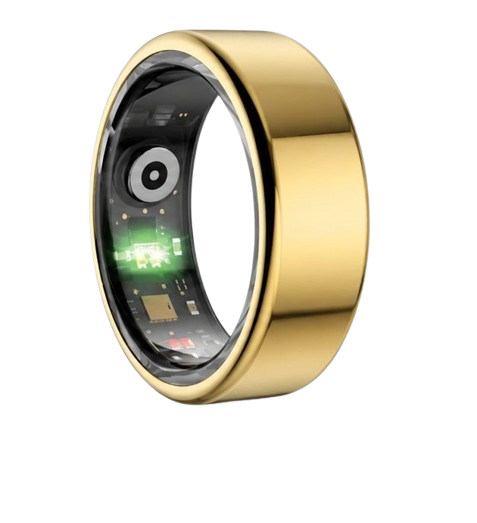
The Herz P1 Smart Ring tracks HRV, Sleep, Heart Rate & SpO2 around the clock. No subscriptions. No renewals. Ever.
In This Article
- What Is the Correct Definition for Recovery Heart Rate? — Discover the fundamental science of post-workout cardiac transition.
- Cardio Recovery Rate Chart & Autonomic Control — Learn to evaluate your scores using clinical benchmarks.
- One Minute Recovery Heart Rate: The Vitality Benchmark — Why the first sixty seconds after exercise matters most.
- How to Measure and Improve Your Recovery Rates — Actionable lifestyle strategies to elevate your cardiovascular conditioning.
What Is the Correct Definition for Recovery Heart Rate?
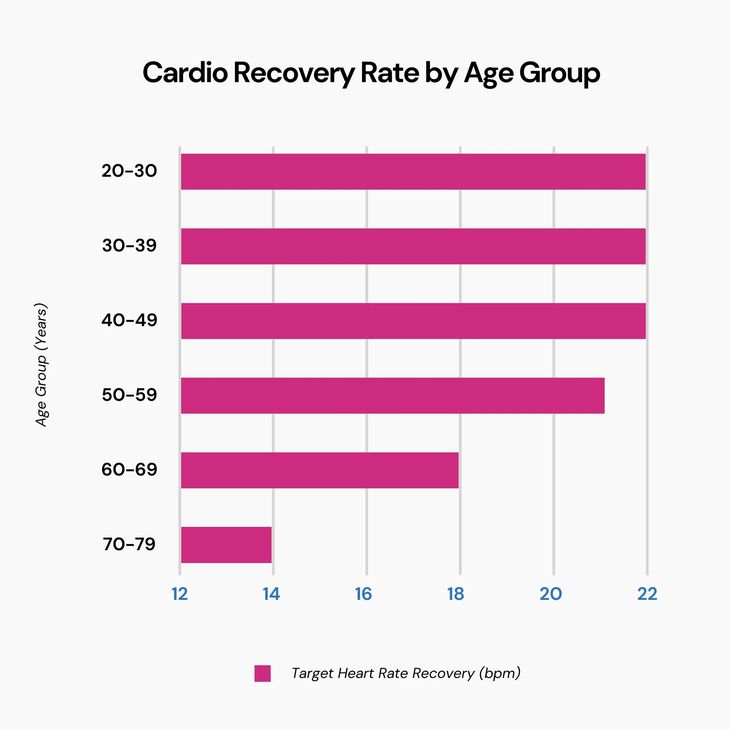
To grasp the true recovery heart rate definition, we must look at how the cardiac system transitions from exertion to rest.
What is the correct definition for recovery heart rate?
It is the measurement of how quickly your heart rate decreases immediately after you stop performing vigorous physical activity.
This biological metric serves as an direct window into your overall cardiovascular conditioning and autonomic nervous system health.
When you exercise, your sympathetic nervous system drives your heart rate up to supply oxygen-rich blood to active muscle tissues.
Once exercise stops, a healthy body quickly shifts control back to the parasympathetic nervous system, which acts as the physiological brake.
This transition process should ideally be rapid, smooth, and highly efficient.
Who should monitor this metric on a daily basis?
Athletes use it to measure improvements in endurance, while everyday individuals rely on it to detect early warning signs of cardiovascular strain.
Busy professionals, fitness enthusiasts, and those recovering from physical fatigue will find immense value in observing these patterns.
When does this cardiac change happen and when should you measure it?
The transition begins the exact second physical exertion ceases, making the first one to two minutes post-exercise the most critical observation window.
Ideally, you should measure this drop after structured cardio sessions, resistance training, or high-intensity interval workouts.
Where does this physiological recovery process physically manifest in the body?
The central command originates in the brain stem, specifically within the vasomotor center and the vagal nuclei.
This neural signal travels down the vagus nerve directly to the sinoatrial node of the heart, commanding the cardiac pacemaker to slow its firing rate.
Why does a rapid deceleration in your heart rate matter so much for long-term longevity?
A fast recovery rate indicates a highly responsive autonomic nervous system and a robust cardiac muscle that does not remain under stress longer than necessary.
Conversely, a sluggish recovery rate suggests that your body is locked in a chronic state of sympathetic dominance, which can elevate your long-term cardiac risks.
How does the body initiate this recovery sequence on a cellular and systemic level?
As muscular demands drop, sensory receptors called baroreceptors and chemoreceptors detect changes in blood pressure and chemical concentrations.
These receptors send feedback loop signals to the brain, which immediately curtails adrenaline secretion while boosting acetylcholine release.
How much of a heart rate drop is considered normal, healthy, or optimal for the average adult?
We recommend reviewing clinical guidelines to understand what is a good heart rate recovery for your unique biological profile.
Generally, a decline of twelve beats per minute or more in the very first minute indicates a healthy, functioning cardiac response.
To evaluate your progress over a longer duration, it is helpful to look at what is a good 2-minute recovery heart rate as well.
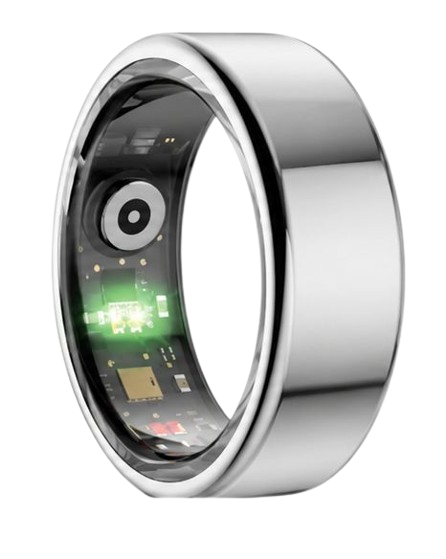
If you want to track this in real time, the Herz P1 Smart Ring monitors your heart rate and autonomic balance 24/7 — explore it here.
90-Day 100% Money-Back Guarantee
“The Herz Smart Ring helps me manage stress easily. It’s accurate, stylish, and lightweight—perfect for my busy life!”
— Jennifer P. | ✔ Verified Customer
- ✓ 6-Day Battery Life
- ✓ Detailed Sleep Analysis
- ✓ Fast 1-Hour Charging
- ✓ iOS & Android Ready
Questions? Call: 1-866-479-1629
Cardio Recovery Rate Chart: Navigating Post-Workout Heart Health
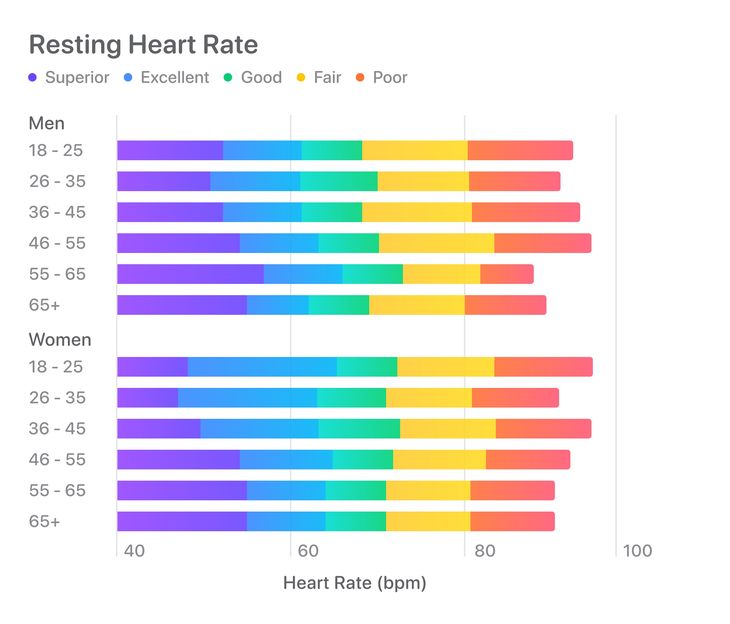
To evaluate your aerobic fitness accurately, you should consult an established cardio recovery rate chart.
These clinical charts categorize the post-exercise heart rate drop into distinct fitness tiers.
The rate of deceleration serves as a direct indicator of cardiorespiratory health and vascular flexibility.
A sluggish drop often indicates physical exhaustion, poor cardiovascular conditioning, or excessive systemic stress.
Conversely, a rapid decline shows that your heart muscle is resilient, strong, and highly efficient.
Let us examine the standard recovery expectations across different fitness levels in the table below.
| Recovery Period | Heart Rate Drop (BPM) | Physical Condition Level |
|---|---|---|
| 1 Minute Post-Exercise | Less than 12 BPM | Suboptimal / Under-conditioned |
| 1 Minute Post-Exercise | 12 to 20 BPM | Average / Moderately Fit |
| 1 Minute Post-Exercise | 21 to 30 BPM | Good / Cardiovascularly Fit |
| 1 Minute Post-Exercise | More than 30 BPM | Excellent / Highly Conditioned Athlete |
| 2 Minutes Post-Exercise | Less than 22 BPM | Suboptimal / Under-conditioned |
| 2 Minutes Post-Exercise | 22 to 40 BPM | Normal / Healthy Range |
| 2 Minutes Post-Exercise | More than 40 BPM | Optimal / Excellent Fitness |
The numbers listed in this chart are backed by clinical studies from the American Heart Association.
These guidelines show that individuals with a rapid heart rate drop have a significantly lower risk of cardiac events.
Tracking these trends daily allows you to see how your cardiovascular efficiency changes over time.
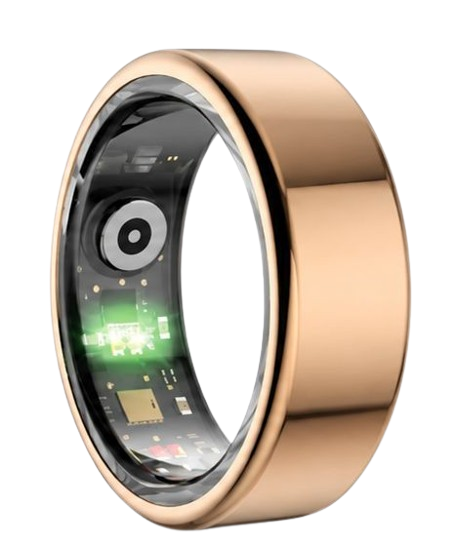
The Herz P1 Smart Ring utilizes advanced multispectral optical sensors to capture these precise metrics continuously.
By measuring blood flow variations directly from your finger, it delivers highly accurate data to your personal health dashboard.
One Minute Recovery Heart Rate: The Clinical Vitality Benchmark
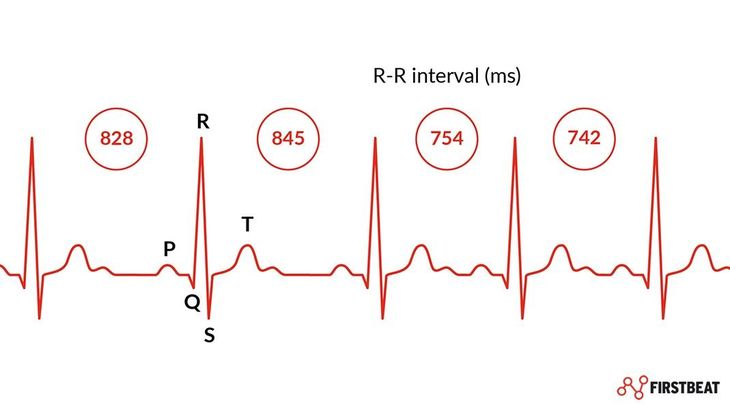
Clinical cardiologists view the sixty-second mark immediately following intense exercise as the ultimate test of autonomic health.
This specific metric is known as the one minute recovery heart rate, and its implications are profound.
During intense physical activity, your heart rate can easily climb to its safe maximum threshold.
The moment you step off the treadmill or finish a sprint, a countdown timer of exactly sixty seconds begins.
This is the precise interval where your heart must begin to stabilize and return to its normal rhythm.
Why is this specific sixty-second transition window prioritized above all others in clinical environments?
A landmark study published in the New England Journal of Medicine established that a sluggish drop during this minute is a strong predictor of long-term cardiac risks.
If your heart rate drops by less than twelve beats during this timeframe, it may indicate a weak parasympathetic response.
We highly recommend reviewing the 1 minute heart rate recovery chart by age to see how your heart compares to healthy age-matched peers.
As we age, our autonomic nervous system naturally becomes slightly less responsive, altering our recovery expectations.
However, maintaining a highly responsive cardiac muscle is entirely possible through consistent, structured aerobic training.
What if your data shows an exceptional drop, such as a cardio recovery 30 bpm within the first minute?
This drop indicates that your vagal nerve stimulation is highly active, allowing your body to exit a stressed state almost immediately.
A rapid recovery rate of this caliber is a classic hallmark of elite athletic conditioning and high parasympathetic tone.
Conversely, a slow recovery rate should serve as a helpful prompt to evaluate your sleep, hydration, and overall physical strain.
The Herz P1 Smart Ring automatically tracks these precise autonomic nervous system shifts without requiring manual mode-switching.
It acts as a quiet, dedicated health companion, keeping you informed about your heart’s resilience every single day.
Optimizing Your Daily Health with Herz P1 Tracking Metrics
To maximize the benefits of heart rate recovery tracking, you must integrate it into a comprehensive wellness strategy.
This process begins by establishing a clear baseline of your unique cardiovascular metrics over a period of seven to fourteen days.
By observing your daily trends, you can easily identify how your body responds to exercise, mental stress, and physical fatigue.
The Herz P1 Smart Ring serves as an invaluable tool in this process by recording your metrics around the clock.
Its lightweight, ergonomic design makes it exceptionally comfortable to wear during high-intensity training and while sleeping.
Unlike bulky smartwatches that can shift and lose skin contact, the ring remains securely fitted to your finger, ensuring highly reliable data.
To gain a deeper understanding of your overall conditioning, you should monitor the relationship between your resting heart rate vo2 max and your recovery speed.
As your cardiovascular system grows stronger, you will notice your resting heart rate decrease while your VO2 max estimates rise.
These positive changes are almost always accompanied by a faster post-workout recovery heart rate.
We recommend using these insights to fine-tune the intensity and duration of your daily training sessions.
If your recovery rate is slower than usual on a particular morning, it may be wise to opt for a active recovery walk instead of a strenuous run.
By adjusting your physical efforts based on real-time biometric data, you can prevent overtraining and optimize your physical gains.
The subscription-free Herz P1 app organizes all of these complex physiological metrics into easy-to-read trend charts.
This allows you to take full control of your long-term health journey without worrying about recurring monthly fees.
Why Your Cardio Recovery Metrics May Be Inaccurate or Declining
It can be highly discouraging to look at your daily dashboard and realize that your cardio recovery decreased without an obvious explanation.
When this happens, it is important to systematically analyze potential physiological and technological factors.
From a biological standpoint, a sudden drop in recovery speed is often an early indicator of dehydration, sleep deprivation, or an oncoming cold.
It can also indicate that your central nervous system is fatigued from consecutive days of high-intensity training.
However, tracking inaccuracies can also stem from device-related issues that are easily resolved.
For example, you might wonder why is cardio recovery not updating on your personal health dashboard.
This issue frequently occurs when a wearable device does not maintain consistent, secure contact with the skin during rapid post-workout movements.
Bulky smartwatches are especially prone to this issue, as they often slide up and down the wrist when you sweat.
When a sensor loses direct skin contact for even a few seconds, it can miss the critical transition window, resulting in incomplete logs.
The Herz P1 Smart Ring solves this common tracking issue by positioning its multispectral PPG sensors directly at the base of the finger.
The blood vessels in the fingers are closer to the skin surface than those in the wrist, providing a much cleaner, stronger signal.
Furthermore, the ring’s snug, circular fit ensures that the sensors remain in place, even during vigorous physical activity.
Another major frustration with modern health trackers is the hidden cost of ongoing, mandatory app subscriptions.
Many popular brands charge significant monthly fees just to unlock the detailed heart rate and sleep breakdown charts you paid for.
We believe that your personal health data belongs to you, which is why the Herz P1 App is free for life with no hidden fees.
Frequently Asked Questions About Recovery Heart Rate
Conclusion
Monitoring your recovery heart rate is one of the most effective, science-backed ways to assess your cardiovascular health and track fitness progress over time.
The subscription-free Herz P1 Smart Ring makes this tracking process completely seamless, offering clinical-grade accuracy in a durable, military-grade steel chassis.
Ready to monitor your health every day? Explore the Herz P1 Smart Ring and see if it fits your lifestyle. Call: 1-866-479-1629 — our team can help you advise on the correct ring size and set personalized health goals.
