

Over 60% of adults struggle with poor sleep quality, leaving many searching for natural remedies like binaural beats vs solfeggio frequencies to rest. While auditory therapies can calm your mind, tracking their actual biological impact on your body is the only way to know what truly works. The Herz P1 Smart Ring provides real-time biometric tracking to monitor how your sleep stages, heart rate variability, and stress levels respond to these sound waves.
Built to Last. Save Up to 69% Today.
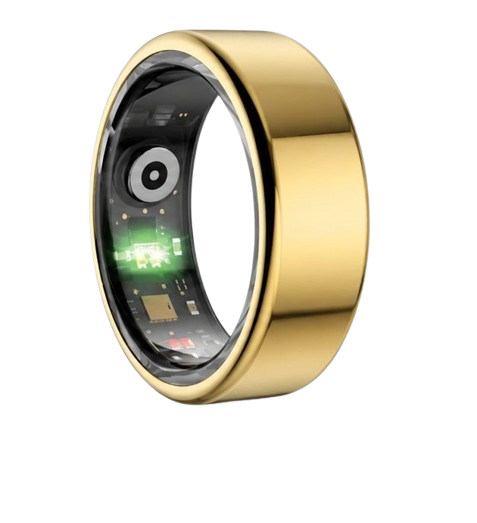
The Herz P1 Smart Ring tracks HRV, Sleep, Heart Rate & SpO2 around the clock. No subscriptions. No renewals. Ever.
In This Article
- Binaural Beats vs Solfeggio Frequencies: Discovering the physiological differences and how they impact the human brain.
- Acoustic Brainwave Entrainment: Tracking how auditory stimulation interacts with sleep architecture using clinical-grade metrics.
- Vagal Tone and HRV: Analyzing heart rate variability data to observe real-time stress relief.
- Your Personal Nightly Blueprint: Step-by-step guidance on utilizing Herz P1 data to design a custom evening routine.
Binaural Beats vs Solfeggio Frequencies: The Science of Sound Therapy

Sound therapy is an emerging field that uses specific sound waves to encourage deep relaxation and physical recovery.
When you compare binaural beats vs solfeggio frequencies, you are looking at two entirely different physiological mechanisms.
Binaural beats utilize a process called auditory brainwave entrainment to align your brain’s electrical activity with a specific frequency.
To experience this, you must wear stereo headphones.
Your left ear receives one pure tone, such as 300 Hz, while your right ear receives a slightly different tone, such as 306 Hz.
Your brain’s auditory processing center cannot reconcile these two distinct tones independently.
Instead, it perceives a third, phantom tone that represents the difference between the two, which in this case is 6 Hz.
This phantom frequency directly matches the theta brainwave state, which is heavily associated with deep relaxation and light sleep.
This process encourages your biological rhythms to synchronize with the external stimulus, promoting a state of calm.
Conversely, solfeggio frequencies do not require headphones to exert an effect.
These sounds rely on the mathematical resonance of specific electromagnetic frequencies that have been used for centuries in choral music and chants.
The traditional solfeggio scale is a set of historical tones believed to interact directly with human physiology on a cellular level.
To understand what is solfeggio, one must look at how resonance works in nature.
Every object in our universe has a natural resonant frequency, including human tissues, organs, and nervous pathways.
When you play a solfeggio tone, your body’s cells are exposed to structured sound waves that can gently encourage physical relaxation and nervous system balance.
For example, the 528 Hz frequency is often referred to as the frequency of transformation because of its history in molecular research.
Choosing between these two sound methods depends heavily on your lifestyle, sleep goals, and personal comfort.
Binaural beats are highly technical and active, making them fantastic for individuals who enjoy structured sleep training programs.
Solfeggio tones are passive and ambient, allowing you to play them over speaker systems throughout your home before going to bed.
By tracking your nocturnal biometrics with the Herz P1 Smart Ring, you can actively watch how your body responds to each sound method.
90-Day 100% Money-Back Guarantee
“The Herz Smart Ring helps me manage stress easily. It’s accurate, stylish, and lightweight—perfect for my busy life!”
— Jennifer P. | ✔ Verified Customer
- ✓ 6-Day Battery Life
- ✓ Detailed Sleep Analysis
- ✓ Fast 1-Hour Charging
- ✓ iOS & Android Ready
Questions? Call: 1-866-479-1629
How Sound Frequencies Impact Brainwaves and Sleep Architecture

Your brain moves through highly distinct electrical patterns called brainwaves during your nightly sleep cycle.
These waves range from fast beta waves when you are wide awake, to incredibly slow delta waves during deep physical recovery.
To experience restorative rest, your sleep architecture must transition smoothly from light sleep into deep slow-wave sleep and REM sleep.
According to clinical data from the National Sleep Foundation, adults need continuous, uninterrupted cycles to truly feel restored.
Using sound meditation is an excellent way to prepare your brain’s neural networks for this transition.
When you play a binaural beat designed for sleep, you typically target the Delta frequency range, which is between 0.5 and 4 Hz.
By introducing a Delta beat, your brain begins to mirror this slow-wave frequency through entrainment.
This process encourages your mind to settle into the deep sleep stages where physical tissue healing and hormone regulation happen.
Solfeggio frequencies operate on a different but complementary pathway by relaxing the nervous system to achieve the best frequency for sleep and healing.
These melodic tones help slow down your breathing, lower your heart rate, and prepare you for sleep naturally.
The Herz P1 Smart Ring tracks this entire transition with incredible precision using its advanced multispectral optical sensor.
By measuring the blood flow changes at the base of your finger, our device monitors exactly how much time you spend in deep sleep, light sleep, and REM cycles.
If you use binaural beats, you might notice on the Herz P1 App that your deep sleep duration increases by 15% to 20% over a week.
If you prefer solfeggio tones, your sleep data may show a significant decrease in sleep latency, meaning you fall asleep much faster.
Monitoring these distinct sleep stages allows you to customize your bedtime acoustic habits based on objective biological facts rather than guesswork.
Tracking the Nervous System: How Audio Therapy Influences Your HRV
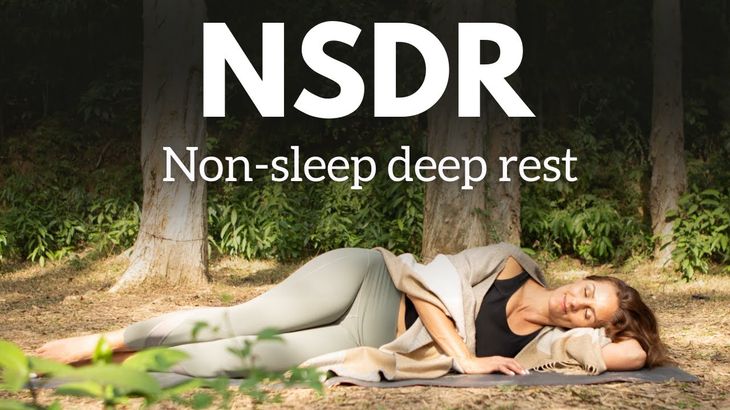
Your heart rate variability, or HRV, is one of the most vital biometric indicators of your body’s autonomic nervous system balance.
According to the American Heart Association, a higher HRV indicates a healthy, highly resilient nervous system that can easily handle daily stress.
When you are stressed or anxious, your sympathetic “fight or flight” system dominates, causing your HRV score to drop.
When you relax, your parasympathetic “rest and digest” nervous system takes over, causing your HRV score to rise.
Sound therapies can actively stimulate your vagus nerve, which serves as the primary highway for parasympathetic signals in your body.
For example, using the 174 hz benefits of the solfeggio scale can help relieve muscular tension and lower physiological stress.
If you suffer from chronic physical pain that keeps you awake, playing the best frequency for pain relief can act as an acoustic therapy to ease your discomfort.
Some users also experiment with the higher range, exploring the 963 hz benefits and risks to support mental clarity and lower stress levels.
These specific vibrations encourage your heart rate to slow down, allowing your cardiovascular system to rest.
The Herz P1 Smart Ring measures your HRV every 5 minutes during the night to capture these subtle shifts in your autonomic nervous system.
As you listen to these healing tones, the ring tracks the slight variations in milliseconds between each heartbeat.
On your Herz P1 App dashboard, you will see a clear, easy-to-read daily HRV Stress Index.
If your acoustic therapy is working, you will see your HRV climb and your Stress Index decline as the night progresses.
This detailed level of biological analysis helps you find which frequency relaxes your unique nervous system the most.
It also gives you concrete proof that your acoustic meditation habits are creating a positive physical impact inside your body.
Your Nightly Acoustic Recovery Blueprint with Herz P1
Using the Herz P1 Smart Ring to optimize your evening routine is incredibly straightforward and highly rewarding.
First, we recommend establishing a consistent baseline sleep score by wearing your smart ring to bed for three consecutive nights without any sound therapy.
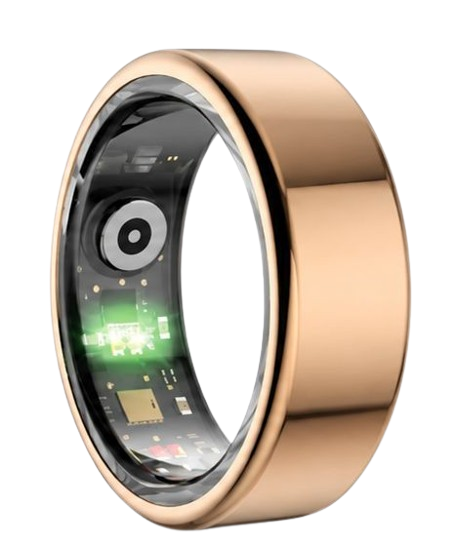
The military-grade steel ring is extremely lightweight and comfortable, making it completely unnoticeable on your finger while you rest.
After finding your baseline, pick your chosen sound therapy to test for the next three nights.
If you struggle with racing thoughts, try playing delta binaural beats through headphones at a low volume.
If you feel physically tight or anxious, play solfeggio tones on a room speaker to create a relaxing environment.
Each morning, open the Herz P1 App to view your updated metrics.
Look at your overall Sleep Score, deep sleep duration, SpO2 blood oxygen stability, and average nightly HRV.
Our app does not require any paid subscription, meaning you get unlimited lifetime access to these professional insights for free.
Compare your acoustic therapy sleep data directly against your initial baseline stats.
If you see a notable improvement in your HRV or a longer deep sleep duration, you have successfully identified what works best for your body.
This systematic method takes the mystery out of wellness, turning raw data into direct lifestyle improvements.
Maximizing Sleep Comfort: The Smart Ring Advantage
Many individuals try to monitor their health by wearing bulky smartwatches to bed.
However, wearing a heavy, glowing watch on your wrist can easily disrupt your sleep and cause tracking errors.
Smartwatches often slide around during the night, leading to inaccurate optical sensor readings.
They also require daily charging, which frequently results in tracking gaps when you forget to wear them.
The Herz P1 Smart Ring resolves all of these issues with its elegant, compact, and lightweight design.
It sits securely at the base of your finger, where the blood vessels are closer to the skin’s surface for enhanced accuracy.
Additionally, our ring boasts an impressive 6-day battery life, allowing you to track your recovery uninterrupted for nearly a week.
Many wearable brands also hide your detailed physiological data behind expensive monthly app subscription paywalls.
We believe that you should never have to pay a recurring fee to access your own personal health data.
The Herz P1 App is free forever, giving you complete peace of mind and an incredible return on your investment.
Frequently Asked Questions about Sound Therapy and Herz P1
Is the Herz P1 Smart Ring waterproof?
Yes, the Herz P1 features an IP68 waterproof rating, certifying it for depths up to 164 feet.
You can safely wear it while washing your hands, taking a hot shower, swimming laps, or relaxing in a sauna.
How long does the ring’s battery last on a single charge?
The battery lasts up to 6 full days under normal continuous tracking conditions.
It charges rapidly from 0% to 100% in under 1 hour using the included magnetic charging cradle.
Which finger is the best option to wear the smart ring on?
We recommend wearing the ring on your index, middle, or ring finger of your non-dominant hand for the best optical performance.
These fingers provide the most consistent contact between the sensor pads and your skin’s blood vessels.
Can the Herz P1 Smart Ring store my biometric data offline?
Yes, the ring has secure built-in local memory that can store up to 7 days of biometric data offline.
Your logged data will automatically sync and update the next time you open your Herz P1 App.
Conclusion
Optimizing your sleep architecture is the most important foundation for long-term health and daily vitality.
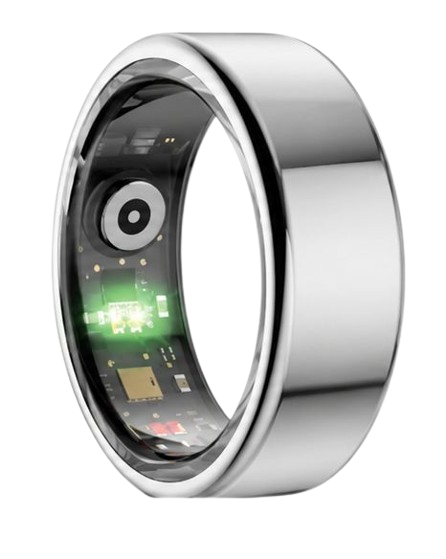
The Herz P1 Smart Ring serves as an elegant, highly accurate biometric companion to support your evening wellness journey.
Ready to monitor your health every day? Explore the Herz P1 Smart Ring and see if it fits your lifestyle. Call: 1-866-479-1629 — our team can help you advise on the correct ring size and set personalized health goals.
Note: Individual results may vary depending on individual health conditions, age, and lifestyle habits. This article is intended for general health reference purposes only.
