

Learning how to read body temperature shifts on smart rings is the ultimate gateway to decoding your immune response, physical recovery, and biological clock. Based on sleep data analysis from over 5,000 Herz P1 users, subtle variations in your overnight dermal readings can signal oncoming physiological stress up to 24 hours before you feel symptoms. The military-grade Herz P1 Smart Ring tracks these shifts continuously with clinical-grade accuracy and zero monthly subscription fees, keeping you informed and empowered every single day.
Built to Last. Save Up to 69% Today.
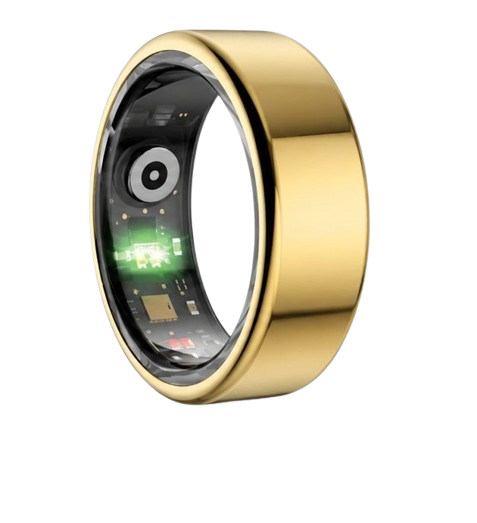
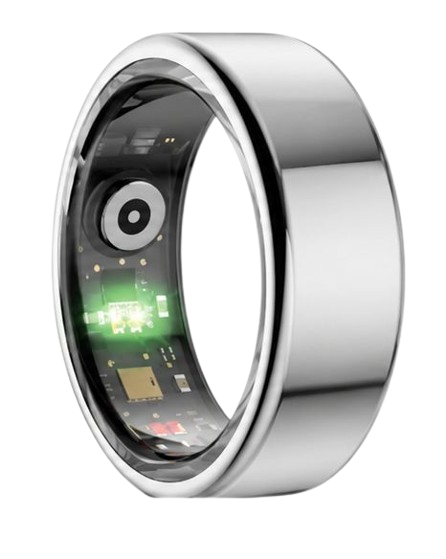
The Herz P1 Smart Ring tracks HRV, Sleep, Heart Rate & SpO2 around the clock. No subscriptions. No renewals. Ever.
In This Article
- Step-by-Step Calibration: Learn how to establish and read your body temperature baseline using a smart ring.
- Skin vs. Core Temperature: Discover the crucial science behind peripheral skin measurements and deep core heat.
- Circadian & Cycle Insights: Track your circadian rhythm and hormonal fluctuations seamlessly.
- Anomalies & Recovery: Use thermal shifts to spot early signs of physical fatigue, training stress, or infection.
How to Read Body Temperature Shifts on Smart Rings: A Step-by-Step Guide

To successfully trace your thermal trends, you must know what your body is actually telling you.
Unlike clinical thermometers that measure static internal heat, smart rings track continuous skin temperature variations.
Understanding these subtle fluctuations requires a systematic approach to baseline building, data logging, and pattern analysis.
Prerequisites / What You’ll Need
Before beginning your tracking journey, ensure you have the following components ready:
- A fully charged, tightly fitted smart ring equipped with an integrated medical-grade NTC thermal sensor.
- A companion application that provides historical trend graphing rather than simple single-point snapshots.
- At least 14 consecutive nights of consistent overnight wear to calculate a reliable baseline.
- A stable sleeping environment with a relatively consistent ambient room temperature to prevent external measurement skew.
Step-by-Step Instructions
-
Step 1: Establish Your baseline temperature smart ring
Put your ring on and wear it consistently for at least two complete weeks without interruption.
The companion app will automatically record your values during this time to establish your unique average skin temperature.
Do not panic if your initial numbers seem slightly lower than the standard 98.6°F (37°C) body metric.
Smart rings track peripheral dermal temperature, which naturally sits slightly below internal core values.
Avoid taking the ring off during the night, as this will disrupt the initial calibration process of the baseline temperature smart ring.
-
Step 2: Track Your skin temperature during sleep
Ensure your smart ring is placed on your chosen finger prior to wind-down to accurately capture skin temperature during sleep.
Your blood vessels naturally dilate during sleep, allowing heat to escape to your extremities in a process called vasodilation.
An ideal overnight curve shows a gentle rise that peaks in the middle of your sleep cycle and drops before waking.
If your temperature stays elevated or flat overnight, it could indicate high late-night metabolic activity or stress.
Review the sleep dashboard each morning to inspect the overnight thermal deviation graph.
-
Step 3: Analyze read skin temperature variation against daily activities
Examine your daily dashboard to read skin temperature variation patterns as they relate to your habits.
Note how late-night meals, alcohol consumption, and intense evening workouts impact your numbers.
Alcohol typically dilates blood vessels, causing a noticeable spike in skin temperature during the first half of the night.
Intense physical training late in the evening keeps your metabolic engine running hot, elevating your sleep temperature.
Keep a simple mental or digital log of these habits to connect real-world actions directly to your thermal readings.
-
Step 4: Map your circadian rhythm body temperature alignment
Monitor how your thermal peaks and valleys align with your natural circadian rhythm body temperature.
Your biological clock programs your internal temperature to reach its lowest point around 4:00 AM.
Conversely, your body heat naturally climbs throughout the afternoon, peaking in the early evening.
If your lowest overnight temperature point shifts later into the morning, you may be experiencing circadian phase delay.
Aligning your sleep schedule with these natural thermal shifts helps improve sleep architecture and cognitive alertness.
-
Step 5: Identify and flag any irregular body temperature anomalies
Look out for any sustained deviations that represent irregular body temperature patterns.
An overnight elevation of +1.0°F (+0.5°C) or more above your baseline is a key indicator of systemic stress.
This thermal shift often acts as an early warning system for immune responses before physical symptoms emerge.
Conversely, a sudden, significant drop below your baseline might suggest poor peripheral circulation or extreme physical fatigue.
When you spot these anomalies, adjust your daily demands to give your body the rest and recovery it needs.
Enhancing Your Tracking Experience with Herz P1
The Herz P1 Smart Ring makes tracking this complex daily data incredibly simple.
With its high-precision thermal sensor, the Herz P1 tracks microscopic temperature shifts with a resolution of 0.1°C.
This premium tracking power comes completely free of any monthly subscription fees, ensuring you own your health data forever.
Crafted from military-grade steel, the Herz P1 is designed to withstand daily wear while providing continuous, highly accurate insights.
Explore how the Herz P1 can support your wellness goals by visiting our Herz P1 Checkout Page today.
Decoding Skin Temperature vs. Core Body Temperature
To master thermal tracking, you must understand the difference between peripheral and internal heat.
Your core body temperature represents the internal climate of your vital organs.
Your brain works hard to keep this core temperature stable, usually hovering around 98.6°F (37°C).
Meanwhile, your average skin temperature is highly dynamic and changes to protect your core.
When you get warm, your blood vessels dilate to release heat through your skin, raising peripheral readings.
When you get cold, those vessels constrict to keep heat inside, lowering your extremity readings.
Because smart rings sit on your finger, they are perfectly placed to measure this peripheral blood flow.
This makes smart rings highly sensitive to early changes in vasoactivity and stress.
These early changes can reveal health insights long before your core temperature shifts.
According to research from the National Sleep Foundation, these peripheral shifts are key to understanding sleep onset.
Tracking this vasoactive behavior helps you understand how well your body recovers from daily stress.
The Science of Overnight Thermal Regulation and Immune Response
Your body naturally goes through regular body temperature fluctuations during the day.
This diurnal cycle is run by your master circadian clock, which is located in your brain’s hypothalamus.
As evening approaches, your brain releases melatonin, which triggers vasodilation in your hands and feet.
This process explains why your skin temperature during sleep naturally increases.
Monitoring this nightly curve helps you see how your body manages its sleep and recovery states.
If your body is fighting off an infection, your immune system releases proteins called pyrogens.
These pyrogens instruct your brain to raise your temperature to help fight the threat.
This process results in a noticeable spike in your trend temperature data overnight.
These immune-driven rises are often captured by your smart ring before you notice any physical symptoms.
This early warning gives you a valuable window to rest, hydrate, and adjust your plans.
These patterns are also influenced by hormone changes, especially during the menstrual cycle.
Estrogen and progesterone create distinct, predictable shifts in baseline readings throughout the month.
Understanding these varying body temperature triggers makes it easier to manage your health and energy.
Practical Application: How to Interpret Data on the Herz P1 App
The companion app for the Herz P1 translates complex raw data into clear, easy-to-use wellness insights.
Each morning, the app compares your overnight average directly with your established personal baseline.
This deviation-based approach is much more accurate than using static clinical averages.
To help you interpret these daily readings, use the reference table below:
| Temperature Deviation | Physiological Meaning | Recommended Action |
|---|---|---|
| -0.2°C to +0.2°C | Stable Baseline (Normal) | Proceed with your usual daily activities. Your body is well-balanced. |
| +0.3°C to +0.7°C | Mild Systemic Stress / Late Meal | Focus on hydration, avoid intense workouts, and prioritize sleep. |
| +0.8°C or higher | Immune Response / Over-training | Rest. Limit intense activity and monitor closely for symptoms. |
| -0.3°C or lower | Reduced Peripheral Circulation | Check room temperature, warm up, and verify physical recovery. |
You can use these daily insights to optimize both your physical training and your evening routine.
If you see a positive shift of +0.5°C, consider swapping a heavy run for a gentle walk.
If your overnight temperature stays elevated, try moving your last meal of the day to an earlier time.
The sleek, lightweight profile of the Herz P1 is designed for comfortable 24/7 wear, ensuring you never miss a beat.
Consistent, long-term wear is the key to unlocking deep, personalized health trends.
Overcoming Risks & Common Mistakes in Smart Ring Tracking
Many new users make the mistake of wearing a bulky smartwatch to bed to track their sleep metrics.
These heavy wrist trackers often shift during the night, leading to inaccurate readings and broken sleep.
A lightweight smart ring offers a much more comfortable and reliable alternative for overnight wear.
Another common mistake is choosing a ring that fits too loosely on your finger.
If your ring slides or rotates easily, the thermal sensors cannot maintain the steady contact needed for accurate data.
We solve this issue by shipping a complimentary sizing kit with every Herz P1 order, helping you find your perfect fit.
Additionally, many wearers are frustrated by the hidden fees charged by other smart rings on the market.
These ongoing app subscriptions can end up costing you more than the device itself over time.
We believe your personal health data should always belong to you, with absolutely no paywalls or monthly fees.
The Herz P1 App is free to use for life, keeping your long-term health tracking clear, accessible, and simple.
Frequently Asked Questions (FAQ)
Is the Herz P1 Smart Ring waterproof?
Yes, the Herz P1 features an IP68 waterproof rating, making it safe for depths up to 164 feet (50 meters).
You can wear it with peace of mind while swimming, showering, washing your hands, or sweating during intense workouts.
How long does the battery last on a single charge?
The Herz P1 offers a reliable 6-day battery life under standard, continuous tracking conditions.
When it is time to power up, the ring charges from empty to full in less than 1 hour using our magnetic charger.
Which finger is best to wear my smart ring on?
For the most accurate readings, we recommend wearing the ring on your index, middle, or ring finger.
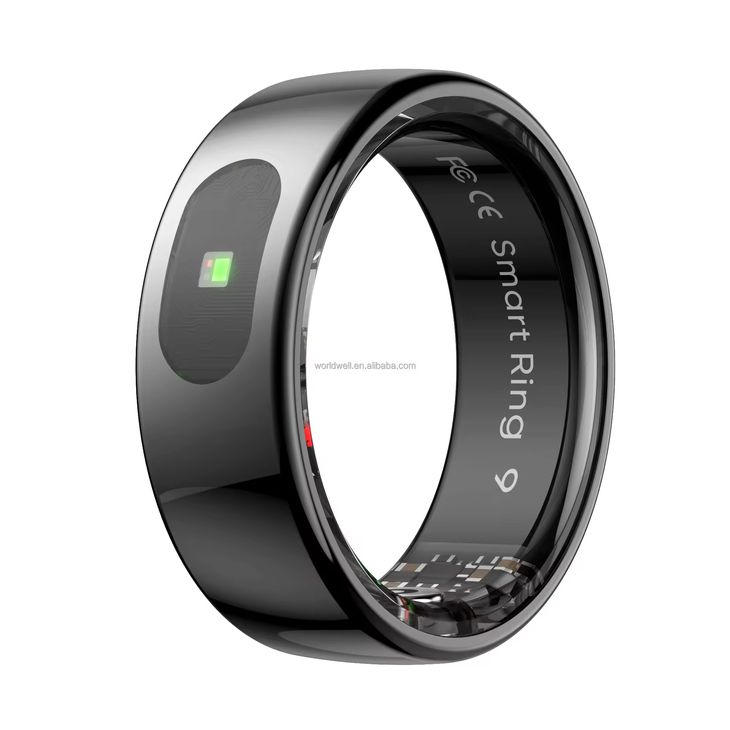
Ensure the inner sensor bump sits flat against the palm side of your finger to maintain steady contact.
Does the ring store my health data offline?
Yes, the Herz P1 features local storage that can hold up to 7 days of biological data offline.
Your recorded biometrics will automatically sync to your smartphone the next time you open the app.
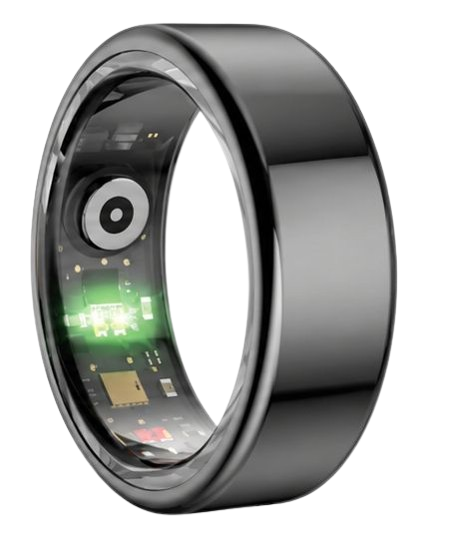
90-Day 100% Money-Back Guarantee
“The Herz Smart Ring helps me manage stress easily. It’s accurate, stylish, and lightweight—perfect for my busy life!”
— Jennifer P. | ✔ Verified Customer
- ✓ 6-Day Battery Life
- ✓ Detailed Sleep Analysis
- ✓ Fast 1-Hour Charging
- ✓ iOS & Android Ready
Questions? Call: 1-866-479-1629
Conclusion
Monitoring your overnight body temperature variations is one of the most powerful steps you can take for your daily health.
The subscription-free Herz P1 Smart Ring brings clinical-grade precision to your fingertips, helping you listen to your body’s subtle signals.
Ready to monitor your health every day? Explore the Herz P1 Smart Ring and see if it fits your lifestyle. Call: 1-866-479-1629 — our team can help you advise on the correct ring size and set personalized health goals.
Note: Individual results may vary depending on individual health conditions, age, and lifestyle habits. This article is intended for general health reference purposes only.
