

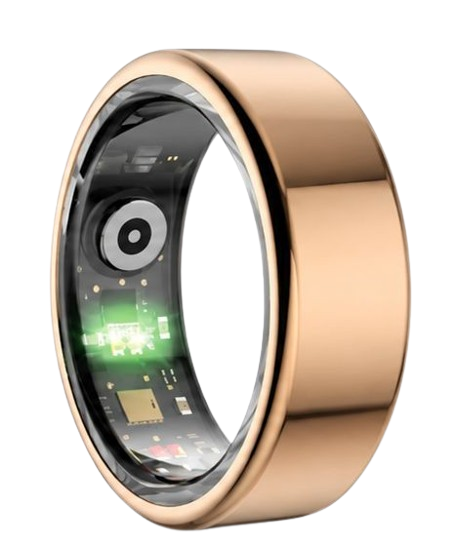
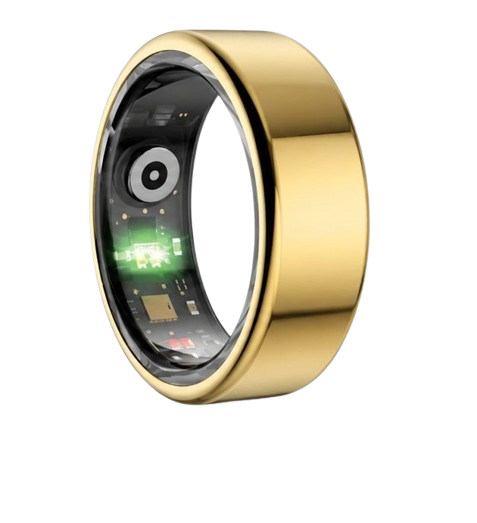
Monitoring your daily trend temperature is one of the most powerful ways to decode hidden physiological changes in your body before you even feel them. The premium, subscription-free Herz P1 smart ring is designed to track these micro-fluctuations with military-grade steel durability and clinical-grade biometric precision, giving you a clear view of your personal health data without charging any monthly fees.
Built to Last. Save Up to 69% Today.
The Herz P1 Smart Ring tracks HRV, Sleep, Heart Rate & SpO2 around the clock. No subscriptions. No renewals. Ever.
In This Article
- How to Track and Analyze Your Trend Temperature: A step-by-step practical implementation tutorial.
- The Science Behind Temperature Shift Biometrics: Explaining average skin temperature, core body temperature, and nocturnal changes.
- Optimizing Your Recovery and Wellness: Real-world tips to utilize the Herz P1 app data for peak performance.
- Avoiding Sizing and Tracking Pitfalls: Simple adjustments to ensure flawless optical sensor readings every night.
How to Track and Analyze Your Trend Temperature Shifts: A Step-by-Step Guide

To accurately monitor your trend temperature, you must understand how your body baseline interacts with wearable sensors.
Unlike standard medical thermometers, smart rings evaluate your relative surface heat patterns during sleep.
Establishing a clean routine is vital to obtaining accurate, actionable data points for long-term health tracking.
Prerequisites and Technical Requirements
To begin this process, you will need a fully charged Herz P1 Smart Ring placed on a recommended finger.
Ensure that you have downloaded the free companion app on your iOS or Android smartphone.
Make sure your mobile Bluetooth is active and your ring is calibrated with your height, weight, and age profile.
-
Step 1: Choose the Right Finger for Optimal Sensor Alignment
Opt for the index finger or middle finger of your non-dominant hand to ensure the best vascular blood flow.
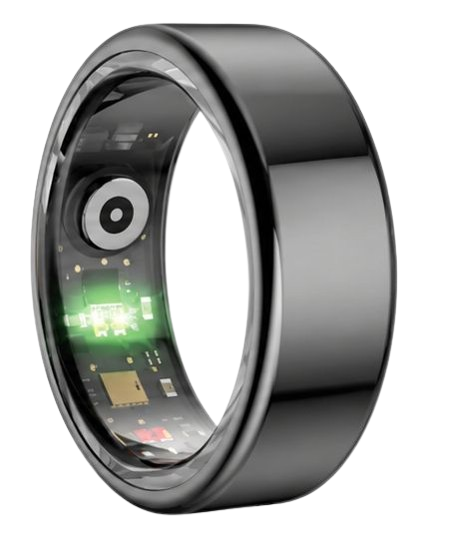
The integrated optical sensors must rest flat against the palm side of your hand at the base of your finger.
Ensure the fit is snug yet comfortable, preventing the ring from freely spinning while you move your hand.
This physical contact is essential for the NTC thermistors to continuously register thermal micro-fluctuations without interference.
-
Step 2: Establish Your 14-Day Baseline Reference Point
Wear the smart ring consistently to sleep for at least two consecutive weeks without interruption.
Your companion app will compile these initial readings to calculate your personalized thermal baseline.
The system does not focus on absolute numbers but instead monitors positive or negative deviations from this baseline.
Understanding this range is the secret to recognizing early signs of physical stress or immune responses.
-
Step 3: Check Your Morning Dashboard for Variations
Open the app immediately upon waking up to sync your overnight biometric metrics.
Navigate directly to the temperature metrics screen to view your nocturnal baseline deviation value.
Look for subtle changes, which are represented as fractions of a degree (+0.2°C or -0.3°C, for example).
Consistent values close to zero indicate that your recovery processes are functioning in an optimal state.
-
Step 4: Cross-Reference Temperature with Sleep and HRV Metrics
Analyze how your nocturnal shifts correlate with your deep sleep duration and heart rate variability.
A sudden rise in temperature combined with a drop in HRV suggests your nervous system is working harder.
Compare these indicators to see if your physical training, stress, or late-night meals are impacting recovery.
This unified view turns isolated data points into a cohesive story of your systemic stress levels.
-
Step 5: Apply Real-World Behavioral Changes Based on Data
Adjust your daily activities when the app displays consecutive days of elevated temperature trends.
Prioritize lighter exercise sessions, increase your hydration levels, and go to bed thirty minutes earlier.
Monitor how your baseline responds to these proactive recovery techniques over the next forty-eight hours.
This feedback loop helps you actively manage fatigue and maintain balanced energy levels every day.
The premium engineering of the Herz P1 Smart Ring streamlines this entire tutorial by performing all calculations automatically.
Its advanced multi-sensor array works silently in the background, transforming complex thermal dynamics into clear recommendations with no manual logging required.
The Scientific Difference Between Core Body Temperature and Average Skin Temperature Shifts
To understand the biological data from your smart ring, you must distinguish between core and peripheral heat dynamics.
Your brain maintains a tightly regulated core body temperature to preserve life-supporting internal organ functions.
This core metric remains highly stable, usually around 37 degrees Celsius, unless challenged by severe pathogens.
Conversely, your peripheral nervous system continually adjusts blood flow near the skin surface to release or retain heat.
As a result, your average skin temperature fluctuates much more dynamically than your deep core temperature does.
This is why minor environmental shifts, stress responses, or active exercise can quickly alter surface readings.
Smart rings measure these peripheral changes at the capillary level of your finger rather than internal thermal status.
This surface data offers a highly responsive window into your nervous system’s active thermoregulatory state.
By observing these patterns, your wearable tracks how your body actively manages stress and internal balance.
Rather than replacing clinical devices, tracking shifts provides an early indicator of physiological changes.
This approach helps you understand your baseline wellness without the discomfort of invasive medical thermometers.
Deciphering Circadian Rhythm and Sleep Stage Temperature Fluctuations
Your internal biological clock exerts a powerful, repeating influence over your thermal patterns every twenty-four hours.
You can observe distinct, predictable body temperature fluctuations during the day that align with your sleep-wake cycle.
Your surface temperature naturally peaks in the late afternoon and begins to drop as bedtime approaches.
This physical cooling signal is governed directly by your circadian rhythm body temperature regulation system.
As melatonin levels rise, blood vessels in your hands and feet dilate to release internal heat.
This biological cooling process helps prepare your brain and body for restorative rest.
Consequently, monitoring your skin temperature during sleep provides valuable insights into your recovery quality.
Your body typically reaches its coolest point during the final hours of sleep, preparing for morning wakefulness.
If your sleep environment is too warm, or if your body is busy digesting alcohol, this cooling phase can be delayed.
This delayed thermal descent can lead to fewer deep sleep cycles and lower morning energy levels.
Tracking this nocturnal curve helps you optimize your sleeping habits and bedroom environment for better rest.
How to Read Body Temperature Shifts and Optimize Lifestyle Quality
Once you understand the basic mechanics, learning how to read body temperature shifts in the app becomes straightforward.
The companion dashboard displays daily variations as positive or negative deviations from your baseline.
For instance, a minor rise of +0.1°C to +0.3°C is common after physical exercise or during active digestion.
However, an irregular body temperature reading that goes beyond +0.5°C over consecutive days warrants closer attention.
These elevated readings often indicate that your immune system is responding to illness or acute fatigue.
By identifying these shifts early, you can adjust your plans and prioritize rest before feeling run down.
Conversely, a downward shift might show that your body is recovering deeply after high-stress events.
There are many varying body temperature causes, ranging from hormone cycles to changes in weather.
Women can also track these trends to note thermal shifts that correlate with monthly cycle phases.
By reviewing these trends side-by-side, you gain a clearer picture of your body’s response to daily life.
This proactive tracking helps you make balanced, informed decisions to support your physical wellness.
Practical Application Guide: Maximizing Your Herz P1 App Insights
The Herz P1 App translates raw, multi-spectral PPG and NTC sensor data into simple, visual charts.
When you open your daily report, look first at your Recovery Score to see how your body is resting.
If your nocturnal trend temperature displays a notable spike, use the app’s tagging feature to log your previous day’s habits.
Over time, you will identify clear links between behaviors like late dining or intense workouts and your overnight recovery.
The lightweight military-grade design of the ring ensures comfortable, continuous wear to build a reliable data history.
This comprehensive tracking makes it easy to implement daily adjustments that support long-term energy and vitality.
Overcoming Common Sizing and Smart Ring Tracking Mistakes
Many smart ring owners make the mistake of choosing a loose fit to avoid minor finger swelling.
However, a loose ring can rotate and lose vital contact with the skin, resulting in incomplete overnight data.
Unlike bulky smartwatches that can feel heavy or run out of charge daily, the Herz P1 is designed for effortless 24/7 wear.
Its battery lasts for up to six days on a single fast charge, keeping your data consistent.
Additionally, you will never face unexpected paywalls or surprise fees to access your health data.
The companion app remains free for life, ensuring you always have full access to your recovery insights.
Frequently Asked Questions About Trend Temperature and Smart Rings
Is the Herz P1 Smart Ring waterproof?
Yes, the Herz P1 is fully certified with an IP68 waterproof rating, allowing submersion up to 164 feet.
You can wear it with confidence while swimming, showering, or washing your hands without interrupting your tracking.
How long does the battery last on a single charge?
The battery provides up to six days of continuous use under standard tracking conditions.
The device also features rapid charging, reaching a full charge from empty in under one hour.
Which finger is best to wear the smart ring on for tracking?
We recommend wearing the ring on your index or middle finger for the most consistent readings.
These fingers have optimal blood flow, which helps the sensors maintain accurate, continuous tracking.
Does the ring store health data offline if my phone is disconnected?
Yes, the ring features local memory that stores up to seven days of biometric data offline.
All your metrics will sync automatically to your companion app once your Bluetooth reconnects.
90-Day 100% Money-Back Guarantee
“The Herz Smart Ring helps me manage stress easily. It’s accurate, stylish, and lightweight—perfect for my busy life!”
— Jennifer P. | ✔ Verified Customer
- ✓ 6-Day Battery Life
- ✓ Detailed Sleep Analysis
- ✓ Fast 1-Hour Charging
- ✓ iOS & Android Ready
Questions? Call: 1-866-479-1629
Conclusion
Understanding your daily thermal variations is a highly effective way to stay informed about your health.
The Herz P1 Smart Ring makes tracking these trends simple, comfortable, and subscription-free.
Ready to monitor your health every day? Explore the Herz P1 Smart Ring and see if it fits your lifestyle. Call: 1-866-479-1629 — our team can help you advise on the correct ring size and set personalized health goals.
