

Do you lie awake watching the hours slip away as your mind races with endless daily worries? Learning how to stop your brain from overthinking is the ultimate key to unlocking deep, restorative sleep and lowering physical stress. At Team Herz P1, our biometric analysis confirms that overnight mental tension directly disrupts your vital sleep stages, but practicing structured cognitive offloading can help you quiet your overactive mind and reclaim your rest tonight.
Built to Last. Save Up to 69% Today.
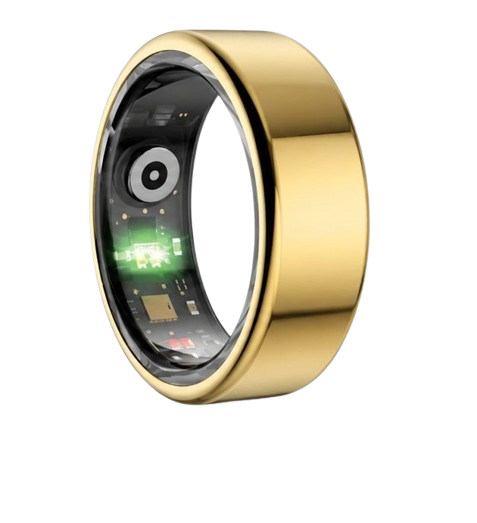
The Herz P1 Smart Ring tracks HRV, Sleep, Heart Rate & SpO2 around the clock. No subscriptions. No renewals. Ever.
In This Article
- A Step-by-Step Sleep Blueprint: Real, actionable steps to stop overthinking before bed.
- The Biometric Connection: How heart rate variability and SpO2 levels signal evening anxiety.
- Smart Recovery Tools: Seamless methods to track and quiet your overactive brain.
- Common Tracking Pitfalls: Why bulky devices and hidden monthly fees disrupt your mental wellness journey.
How to Stop Your Brain from Overthinking: A Step-by-Step Guide
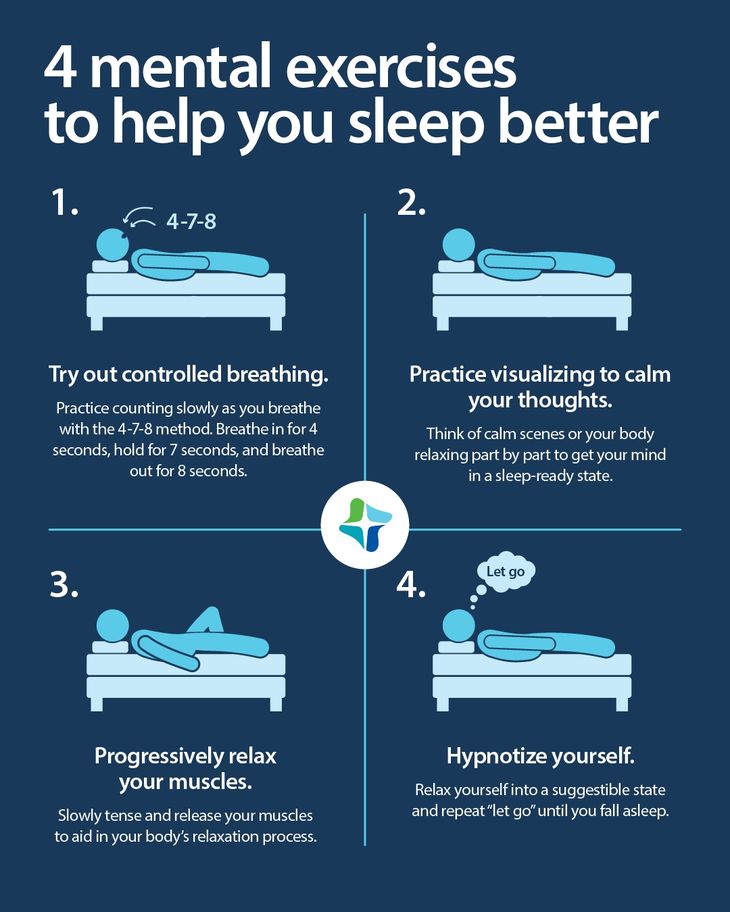
Quieting an overactive mind requires a deliberate, structured routine that prepares your nervous system for rest.
You cannot simply force your thoughts to stop by sheer willpower when you are already lying in the dark.
Instead, you must give your body clear physiological cues that it is safe to transition into deep sleep.
This tutorial provides a clear, science-backed roadmap to lower cognitive arousal and prepare your mind for recovery.
Prerequisites & What You Will Need
To successfully complete this guide, you will need a physical journal, a pen, and a quiet bedroom environment.
You must commit to turning off all electronic screens at least one hour before attempting these steps.
Having a comfortable wellness tracker like the Herz P1 can help you monitor how these steps improve your sleep.
-
Step 1: Perform an Evening Mental Download
Sit down with your physical journal and a pen exactly two hours before your planned bedtime.
Write down every single lingering task, worry, or unresolved thought currently occupying your mind.
Do not attempt to organize, edit, or filter these thoughts into a neat or pretty list.
This process of cognitive offloading physically transfers your heavy mental load directly onto the paper.
This simple, daily habit is a fundamental element of a successful calming bedtime routine.
By writing everything down early, you prevent your brain from processing these concerns when your head hits the pillow.
-
Step 2: Engage in Progressive Muscle Relaxation
Lie completely flat on your back in your bed and close your eyes to prepare for relaxation.
Inhale deeply while tensing your toe muscles as tightly as possible for a count of five seconds.
Exhale slowly and completely release all of that physical tension in a single, relaxed motion.
Repeat this systematic process as you move upward through your calves, thighs, abdomen, chest, and shoulders.
This physiological sequence helps how to relax before bed by actively lowering your physical heart rate.
By releasing physical tension, you send direct signals to your brain that it is safe to stop worrying.
-
Step 3: Deploy Cognitive Shuffling Exercises
Think of a random, emotionally neutral five-letter word such as “match” or “beach” once you are ready for sleep.
Slowly generate a list of new, simple words that begin with the very first letter of your chosen word.
Visualize each new object clearly in your mind’s eye for several seconds before moving to the next one.
This playful mental exercise mimics the naturally chaotic, non-threatening thoughts that occur during sleep onset.
It successfully distracts your analytical mind and helps you to stop your brain from overthinking at night.
Most individuals find they drift off into comfortable sleep long before they finish shuffling their first word.
-
Step 4: Practice the Vagus-Calming Box Breathing Method
Place one hand gently on your stomach and close your mouth to begin this breathing cycle.
Inhale slowly and deeply through your nose for a strict, silent count of four seconds.
Hold that clean breath inside your lungs for an equal count of four seconds.
Exhale all the air slowly through your mouth over another steady count of four seconds.
Hold your lungs completely empty of air for a final count of four seconds.
Repeat this simple, rhythmic cycle four to five times to actively stimulate your calming vagus nerve.
This slow breathing pattern is a highly effective way to execute a healthy wind down routine.
-
Step 5: Establish Cool and Dark Environmental Sleep Triggers
Set your bedroom thermostat to a cool, comfortable temperature between 60 and 67 degrees Fahrenheit.
A cooler environment directly assists the natural drop in core body temperature required to initiate deep sleep.
Ensure your room is entirely dark by using high-quality blackout curtains or a comfortable eye mask.
Eliminate any glowing blue light sources from chargers, alarm clocks, or active television screens.
This physical cooling and darkening setup helps how to stop overthinking at night naturally.
By removing sensory stimulation, you protect your brain from sudden, unwanted nighttime alertness.
Enhancing Your Journey with Herz P1
Our team at Herz P1 engineered our advanced health tracking technology to support you through these night adjustments.
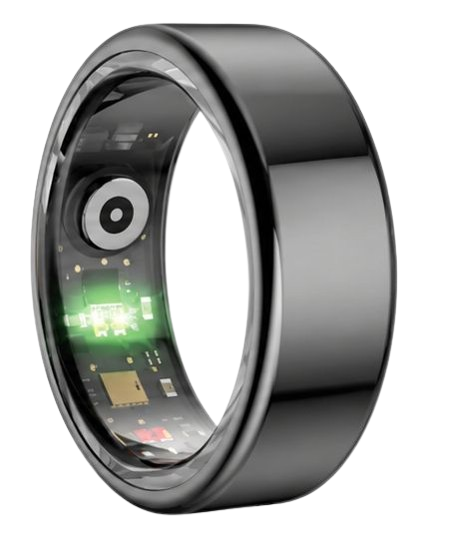
The sleek Herz P1 Smart Ring works silently on your finger to monitor your physical relaxation trends.
It measures your exact sleep latency to show you which mental exercises help you fall asleep the fastest.
Unlike heavy smartwatches, our ring does not distract you with bright screens or sudden notifications in the dark.
This seamless tracking helps you identify exactly which habits deliver the deepest, most restorative overnight recovery.
90-Day 100% Money-Back Guarantee
“The Herz Smart Ring helps me manage stress easily. It’s accurate, stylish, and lightweight—perfect for my busy life!”
— Jennifer P. | ✔ Verified Customer
- ✓ 6-Day Battery Life
- ✓ Detailed Sleep Analysis
- ✓ Fast 1-Hour Charging
- ✓ iOS & Android Ready
Questions? Call: 1-866-479-1629
The Autonomic Nervous System: Why Your Mind Races When Your Body Stops

When you prepare for sleep, your autonomic nervous system must transition smoothly into parasympathetic dominance.
This parasympathetic state is commonly referred to as your body’s essential “rest-and-digest” mode.
However, modern daily stress often keeps your sympathetic “fight-or-flight” system highly active late into the night.
This persistent sympathetic state prevents you from completing a healthy, restorative wind down routine.
According to extensive clinical studies from the National Sleep Foundation, mental stress is the top cause of poor sleep.
When you lie in a dark room, your brain lacks external sensory distractions to occupy its attention.
This sudden quiet forces your focus inward, where minor daily worries can quickly expand into major stressors.
These amplified worries trigger a physical stress response, keeping your resting heart rate elevated through the night.
Your blood pressure also fails to experience the healthy nighttime drop required for long-term cardiovascular recovery.
Learning how to stop your mind from overthinking requires actively breaking this physical loop.
By using structured vagal stimulation, you can guide your body back into a healthy autonomic balance.
This physical shift allows your brain to safely disengage from active worry and transition smoothly to sleep.
How Cortisol and Melatonin Compete at Night
Cortisol is your body’s primary alertness hormone, designed to keep you focused during daytime challenges.
Under healthy conditions, your cortisol levels should decline steadily as evening approaches to allow for recovery.
This natural decline allows your brain to increase the production of melatonin, your primary sleep hormone.
When you engage in late-night overthinking, your brain treats your worries as active, physical dangers.
This misinterpretation triggers your adrenal glands to release a sudden, unwanted spike of cortisol.
This elevated cortisol actively blocks your brain’s ability to produce and release melatonin effectively.
The resulting hormonal conflict leaves you feeling physically exhausted yet mentally wired when you need to rest.
This state of hyperarousal directly extends your sleep latency and severely fragments your deep sleep cycles.
To correct this imbalance, you must practice reliable habits to quiet an overactive brain before bed.
Lowering your cortisol through structured physical relaxation is the fastest way to support melatonin production.
This hormonal harmony is absolutely essential for achieving deep, uninterrupted overnight recovery every single night.
Tracking the Silent Signals: Decoding HRV and SpO2 Levels
Your body continuously communicates its internal stress status through subtle, involuntary physiological changes.
Heart rate variability, or HRV, is the specific measurement of time variations between consecutive heartbeats.
The American Heart Association explains that a high HRV indicates a highly resilient autonomic nervous system.
A high HRV proves your body can transition smoothly between high-energy situations and calm states.
Conversely, a low HRV suggests your body is trapped in a state of chronic sympathetic stress.
When you lie awake overthinking, your HRV drops significantly as stress hormones tighten your heart’s rhythm.
Monitoring these trends over time helps you understand exactly how your mental state affects your body.
At the same time, your blood oxygen saturation, or SpO2, serves as a key measure of overnight breathing quality.
Slight drops in SpO2 can indicate micro-arousals that pull you out of deep, healing sleep stages.
Utilizing a manage anxiety with smart rings system provides clear visibility into these metrics.
Having access to this personalized data removes the anxiety of not knowing how your body is recovering.
The Crucial Role of REM and Deep Sleep Architecture
Every night of healthy sleep is composed of highly structured stages that repeat in ninety-minute cycles.
Deep sleep is responsible for physical tissue repair, muscle growth, and immune system revitalization.
Rapid Eye Movement, or REM sleep, is where your brain processes daily emotions and clears mental waste.
Overthinking at night directly interferes with these essential, highly restorative sleep stages.
When elevated cortisol levels keep your heart rate high, your brain remains stuck in light, unrefreshing sleep.
This light sleep fragmentation prevents you from spending enough continuous time in deep and REM states.
The Herz P1 tracks these delicate stage shifts with high-precision, multi-wavelength PPG sensors.
Our sensors record your physiological changes throughout the night with clinical-grade accuracy.
Reviewing these trends allows you to see how your evening routine directly improves your sleep architecture.
This knowledge empowers you to make meaningful lifestyle changes that support long-term wellness.
Practical Optimization: Navigating Your Herz P1 App for Maximum Recovery
The Herz P1 companion app acts as your personal health data dashboard every day.
When you wake up, open the app to sync your overnight biometric metrics automatically.
Begin by checking your comprehensive Sleep Score to get a quick summary of your night’s quality.
Examine your Sleep Onset Latency to see exactly how long your body took to fall asleep.
A sleep latency under fifteen minutes indicates that your evening wind-down routine was highly successful.
Next, review your overnight HRV trend graph to evaluate your nervous system’s recovery.
A steady upward trend in your morning HRV confirms your body is adapting well to daily stress.
The comfortable, lightweight design of the Herz P1 allows for seamless 24/7 wear during any activity.
You can also track your daytime HRV Stress Index to catch stress spikes as they happen.
Catching these spikes early lets you practice deep breathing before stress accumulates before bed.
This proactive approach is key to mastering a smart ring for stress management protocol.
Avoiding the Pitfalls: Bulky Smartwatches and Costly Apps
Many wellness seekers attempt to track their sleep by wearing large, heavy smartwatches to bed.
Unfortunately, these bulky devices often press into your wrist, causing physical discomfort that disrupts sleep.
The bright screens on these watches can also light up during the night, interrupting melatonin production.
Additionally, many popular wearable brands require ongoing monthly app subscriptions to view your data.
These hidden subscription fees can easily cost you over seventy dollars every year just to read your metrics.
At Team Herz P1, we believe your personal health data should always be completely free to access.
The Herz P1 app is entirely subscription-free for a lifetime, with absolutely no hidden costs.
Our ring is constructed from military-grade steel that is incredibly lightweight and durable.
The smooth inner lining fits comfortably on your finger, preventing any nighttime physical irritation.
By choosing a comfortable, subscription-free ring, you protect both your sleep quality and your wallet.
Frequently Asked Questions
Is the Herz P1 Smart Ring waterproof?
Yes, the Herz P1 is designed with a highly durable IP68 waterproof rating.
This rating ensures the ring is completely protected when submerged in water up to 164 feet deep.
You can confidently wear it while swimming laps, taking hot showers, or relaxing in a sauna.
The hermetically sealed military-grade steel casing protects the delicate internal PPG sensor array.
How long does the battery last on a single charge?
The advanced battery inside the Herz P1 lasts up to six full days of continuous 24/7 tracking.
This long-lasting battery life eliminates the need for annoying daily charging routines.
When the battery is low, it takes under one hour to charge back to one hundred percent.
Our fast magnetic charging cradle makes it easy to quickly top up your ring during a morning shower.
Which finger is best to wear the smart ring on?
The index, middle, or ring finger of your non-dominant hand is ideal for tracking.
These fingers provide the most stable blood flow close to the surface for optical PPG sensors.
The non-dominant hand is preferred to minimize daily physical impacts and surface scratching.
Using our complimentary sizing kit ensures a snug fit that prevents the ring from shifting overnight.
Does the Herz P1 store my health data offline?
Yes, the Herz P1 has built-in local memory that stores up to seven days of biometric data offline.
This means you do not need to keep your smartphone in your bedroom or leave Bluetooth active overnight.
The ring will silently and securely record your heart rate, SpO2, and sleep stages as you sleep.
All your stored metrics will sync automatically once you open the companion app near your phone.
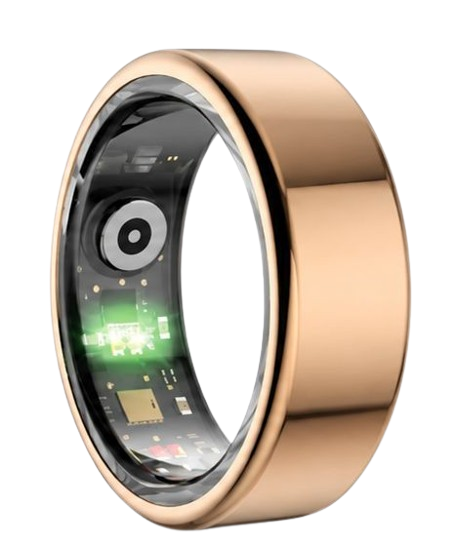
Quiet your mind with proven habits and precise biometric insights. The subscription-free Herz P1 Smart Ring provides the reliable data you need to master your evening recovery. Ready to monitor your health every day? Explore the Herz P1 Smart Ring to elevate your quality of life. Call: 1-866-479-1629 — our team can help you select your size.
Note: Individual results may vary depending on individual health conditions, age, and lifestyle habits. This article is intended for general health reference purposes only.
