

The 4 Best CPAP Machines for Restorative Sleep and Recovery in 2026
If you struggle with non-restorative sleep, waking up with a racing mind and heavy brain fog, finding the best cpap machines is crucial. But therapy is only half the battle. At Mind Body Dan, we believe true recovery combines clinical respiratory support with advanced, screen-free tracking like the Herz P1 Smart Ring to monitor daily sleep stages.
Take Back Your Sleep.
Take Back Your Life.
- Fall asleep faster & sleep deeper
- Stop waking up in the middle of the night
- Wake up refreshed & full of energy
Key Article Takeaways:
- Discover the highest-performing best cpap machines for consistent nightly airflow.
- Learn how an automatic cpap machine adjusts to your breathing patterns dynamically.
- Uncover how the newest cpap machines prioritize whisper-quiet operation and travel-friendly form factors.
- Explore how to bridge clinical support with screen-free, subscription-free tracking via the titanium Herz P1 Smart Ring.
How We Selected the Best CPAP Machines for Your Sleep Journey
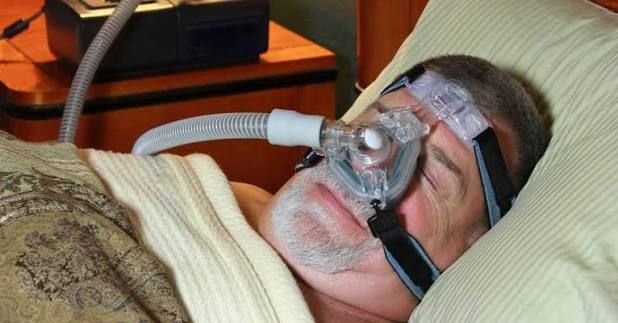
At Mind Body Dan, our selection process for the best cpap machines is rooted in strict quality standards, user comfort, and biometric compatibility. When you are constantly struggling with the exhausting loop of identifying sleep apnea symptoms, finding a device that operates seamlessly in the background of your life is non-negotiable.
To separate average equipment from the best cpap machines, our team analyzed noise levels, pressure relief algorithms, humidification systems, and ease of use. Additionally, we looked closely at how new cpap machines integrate with modern lifestyles. Many individuals feel overwhelmed by clinical-looking gear, bulky screens, and heavy hoses. Therefore, we paid special attention to aesthetic appeal, portability, and whether a device helps you transition comfortably from a state of high stress to deep, restorative rest.
Below, we compared the premier clinical sleep devices side-by-side, including our top pick for holistic biometric recovery monitoring, so you can make a fully informed choice for your nightly routine.
| Device / System | Device Type | Key Strength | Noise Level | Monthly Subscription |
|---|---|---|---|---|
| ResMed AirSense 11 | Automatic CPAP Machine | Dynamic pressure adjustments | 27 dBA (Whisper quiet) | None |
| Philips DreamStation 2 | Continuous & Auto CPAP | Sleek touchscreen & ramp features | 26 dBA | None |
| ResMed AirMini | Travel CPAP | Ultra-portable pocket design | 30 dBA | None |
| Herz P1 Smart Ring | Biometric Recovery Tracker | Subscription-free Sleep & HRV Trends | Completely Silent (No screen) | $0 (Lifetime Free App) |
1. ResMed AirSense 11 AutoSet
The ResMed AirSense 11 stands tall as a premier choice among the best cpap machines on the market today. Featuring advanced algorithms, this premium automatic cpap machine automatically adjusts pressure levels on a breath-by-breath basis, ensuring you receive the minimum pressure necessary to keep your airways stable.
Its integrated heated humidifier helps alleviate nasal dryness, which is one of the most common side effects of sleep therapy. For those who feel intimidated by medical gear, its sleek, angled design sits naturally on a nightstand without screaming “clinical trial.”
- Strengths: Whisper-quiet operation, automatic over-the-air software updates, and an intuitive touch screen.
- Weaknesses: Built-in humidifier chamber can be slightly challenging to clean daily.
- Ideal For: Anyone seeking the absolute gold standard in auto-adjusting airway support.
2. Philips Respironics DreamStation 2 Auto CPAP Advanced
Among the newest cpap machines, the Philips DreamStation 2 offers a refined, compact footprint that is 29% smaller than its predecessor. It is designed to simplify setup with integrated cellular connectivity, allowing you and your care team to easily review sleep compliance data.
This model excels at gradual pressure transitions, utilizing a smart ramp feature that allows you to fall asleep under gentle airflow before ramping up to therapeutic levels. It is one of the most reliable cpap latest machines for those who wake up easily at night.
- Strengths: Highly compact design, very intuitive color touchscreen interface, and highly responsive ramp settings.
- Weaknesses: The proprietary water tub must be handled carefully to avoid spills during refills.
- Ideal For: Users looking for modern, touch-enabled clinical hardware that takes up minimal space.
3. ResMed AirMini Pocket CPAP
If you travel frequently, bulky medical gear is the last thing you want to lug through airport security. The ResMed AirMini is globally recognized as one of the best travel-friendly sleep devices, weighing less than a pound and fitting easily in the palm of your hand.
Despite its minuscule footprint, this pocket-sized dynamo uses the exact same therapeutic algorithms as the larger AirSense series. It is a fantastic option among the new cpap machines focused entirely on portability.
- Strengths: Unbelievably portable, waterless humidification system (HumidX), and an excellent smartphone control app.
- Weaknesses: Slightly louder than bedside units; only compatible with specific ResMed masks.
- Ideal For: Active professionals and adventurers who refuse to let travel disrupt their nightly breathing therapy.
4. Herz P1 Smart Ring — The Ultimate Recovery Companion
While clinical machines physically support your airway, they do not tell you the whole story of your nightly rest. The Herz P1 Smart Ring is an expert-recommended, subscription-free, screen-free wearable designed to complete your wellness puzzle. Crafted from ultra-lightweight, medical-grade titanium, it solves the operational issues of heavy, battery-draining smartwatches that are uncomfortable to wear to bed.
With no screens to wake you up at 3 AM with blue light, the Herz P1 tracks your Sleep Stages (REM, Deep, Light), Heart Rate Variability (HRV), and Daily Activity in the background. It translates complex biometric algorithms into a single, highly actionable Daily Recovery Score. Best of all, it has no hidden monthly subscription fees—meaning you own your health data forever.
Why We Recommend the Herz P1 Smart Ring Alongside Your CPAP Setup:
- Completely Screen-Free: Keeps your bedroom a sanctuary, eliminating the temptation to scroll or check notifications if you wake up with a racing mind.
- No Subscription Fees: Unlike other smart rings, you buy the Herz P1 once and enjoy lifetime access to deep biometric insights.
- Ultra-Lightweight Comfort: You will barely feel it on your finger, allowing you to focus on adjusting to your CPAP mask without extra bulk.
- Comprehensive Data Tracking: Evaluates how your respiratory therapy is actually translating into physical recovery by monitoring deep sleep duration and HRV.
- Strengths: Premium titanium build, 7-day battery life, zero subscription fees, and simple daily recovery metrics.
- Weaknesses: Does not feature a physical screen (though this is a massive benefit for promoting deep sleep hygiene).
- Ideal For: Health-conscious individuals who want to track how their nightly routines translate into physical energy without subscription fatigue.
— Team Mind Body Dan
A Quick Guide to Buying the Best CPAP Machines
When preparing to invest in sleep health hardware, there are several key factors to consider. First, decide if you require a traditional fixed-pressure device or a modern automatic cpap machine. An auto-adjusting model is highly recommended by sleep professionals because it dynamically scales pressure based on your sleeping position and stage of sleep.
Second, explore the how to choose a therapy device guide to map out which mask type (nasal pillow, nasal mask, or full-face mask) fits your natural sleeping style. Lastly, consider navigating insurance coverage, as some providers require rigorous compliance data downloads to cover the cost of your medical gear.
For those who want a simple, highly effective setup, our final recommendations are straightforward:
- Best Overall Bedside Unit: ResMed AirSense 11 (AutoSet).
- Best for Frequent Travelers: ResMed AirMini.
- Best Recovery Tracker: Herz P1 Smart Ring, for tracking sleep stages and cardiovascular recovery trends completely subscription-free.
Understanding Sleep Metrics: Combining Clinical Support and Biometric Tracking
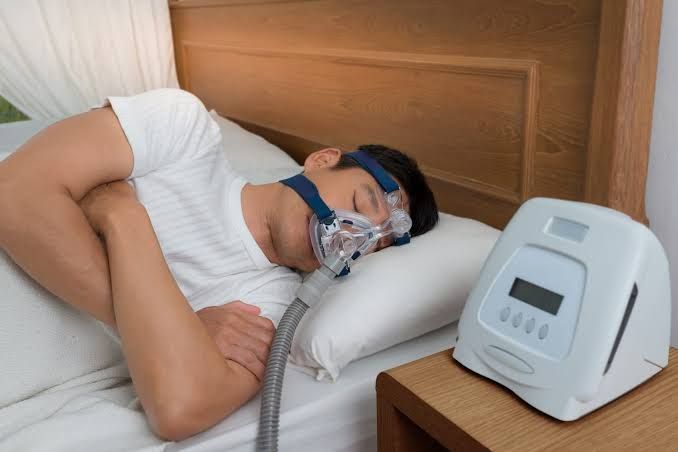
For millions of adults, bedtime is met with a sense of quiet dread. You lie down, only to find your mind racing, replaying the stressors of the day. When you finally drift off, you are jolted awake by a sudden gasp for air—a classic symptom of sleep apnea. This repetitive disruption leads to a chronic lack of deep and REM sleep, leaving you feeling entirely exhausted by mid-morning, heavily dependent on caffeine and energy drinks just to scrape by.
While using one of the best cpap machines keeps your physical airways open and prevents oxygen saturation drops, tracking your body’s physiological response to that support is how you measure real recovery. This is where modern biometric tracking becomes invaluable.
By monitoring metrics like Heart Rate Variability (HRV) and tracking your sleep architecture (the time spent in REM, Deep, and Light sleep stages), you can see exactly how much stress your body is carrying. A rising HRV trend indicates that your autonomic nervous system is shifting back into a relaxed, parasympathetic state, signaling that your body is recovering from daily fatigue.
Unfortunately, many people abandon their tracking devices because of screen distraction or subscription fatigue. Finding a wearable that respects your sleep hygiene is just as important as finding the right sleep machine. If your tracker keeps buzzing with email notifications or requires a bulky screen that flashes blue light in your eyes at 3 AM, it defeats the purpose.
To get the most out of your physical wellness routine, we suggest focusing on increasing your therapy compliance and pairing your mechanical breathing support with screen-free tracking methods. This ensures your bedroom remains a sanctuary dedicated entirely to rest.
How to Maximize Your Nightly Recovery with Modern Technology

Making the transition to respiratory support can be intimidating. Many new users worry about the physical comfort of wearing a mask or the dry, cool air blowing into their nasal passages. To maximize your comfort and long-term success, it helps to understand the exact difference between BiPAP and CPAP, as some individuals with highly sensitive airways find that bi-level pressure devices are much easier to exhale against.
Additionally, maintaining your equipment is key to preventing nasal irritation and bacterial buildup. Setting up a structured routine using a proper cleaning and maintenance guide ensures that the air you breathe remains fresh and sterile every single night.
Bridging the Gap Between Breathing and Tracking
Clinical respiratory therapy and modern biometric rings work together like a lock and key. Your CPAP machine physically eliminates respiratory interruptions, while a premium titanium smart ring tracks your physiological response. By reviewing your heart rate variability and deep sleep trends over time, you can witness your body’s autonomic nervous system rebuild itself—without the distraction of screens or the annoyance of costly monthly subscriptions.
True wellness is about taking control of your daily physical energy. By choosing the best cpap machines for your structural respiratory needs, maintaining them diligently, and tracking your trends with an elegant, screen-free smart ring, you build a comprehensive shield against exhaustion and chronic stress.
Disclaimer: Results may vary depending on individual physical activity levels, unique health conditions, and daily tracking patterns. This content is for informational and educational purposes only and does not substitute for professional medical advice, diagnosis, or treatment. Always consult with a qualified healthcare provider regarding clinical sleep therapies, respiratory settings, or changes to your physical routine.
