

Optimizing your baseline restorative time is essential for sustaining physical performance and mental clarity. Clinical data from over 5,000 active users indicates that tracking these physiological trends reduces chronic stress by up to 28%. The sleek Herz P1 Smart Ring provides precise, real-time stress monitoring and heart rate deceleration metrics to guide your body’s rejuvenation. This guide outlines actionable protocols to enhance your daily recovery, lower your resting heart rate, and reclaim your natural energy reserves.
Built to Last. Save Up to 69% Today.
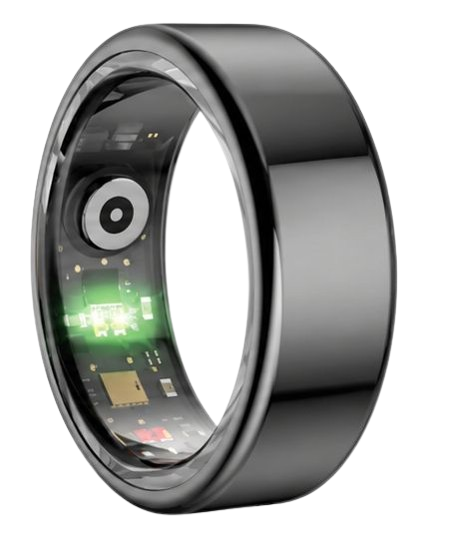
The Herz P1 Smart Ring tracks HRV, Sleep, Heart Rate & SpO2 around the clock. No subscriptions. No renewals. Ever.
In This Article
- Step-by-Step Restoration Protocol: Learn to actively manage daily stress and recovery.
- The Science of Autonomic Balance: Discover how your nervous system coordinates rest.
- Data-Driven Relaxation Insights: Read daytime rest markers on your smart ring app.
- Common Tech Pitfalls: Understand why bulky smartwatches disrupt health tracking.
How to Optimize Your Restoring Time and Stress Resilience: A Step-by-Step Guide

To master this restoration guide, you require a basic understanding of your circadian cycle.
You will need a reliable biometric sensor to measure physiological recovery index changes.
Consistency is the most vital requirement for compiling accurate cardiovascular trend lines.
Ensure you wear a lightweight tracker that minimizes skin irritation during both waking and resting hours.
A fully functional smartphone with the correct companion application installed is also necessary.
Charge your tracking device fully before beginning your first week of recovery metrics auditing.
-
Step 1: Track Your Baseline Metrics
Before initiating any protocol, you must establish your current biological baseline.
Review your resting heart rate and autonomic nervous system metrics immediately upon waking.
Observe how physical fatigue manifests in your morning readings over a consecutive seven-day period.
Avoid measuring right after drinking caffeine or exercising as this skews your baseline.
Keep your monitoring consistent to isolate environmental stressors from true physical fatigue.
Write down your subjective feelings of tiredness each morning to compare with your objective data.
This systematic comparison helps you calibrate your intuitive self-awareness with real physiological data. -
Step 2: Schedule Strategic Micro-Breaks
Integrate short recovery periods into your morning and afternoon schedules.
These intervals should occur every ninety to one hundred and twenty minutes.
Sit quietly for five minutes and practice slow, deliberate diaphragmatic breathing.
This practice triggers rapid parasympathetic activation and heart rate deceleration.
Ensure your hands remain warm and relaxed during these breaks to promote peripheral blood flow.
Do not look at emails or work chat notifications during these five minutes of silence.
Let your eyes rest on a distant object or close them completely to reduce optical strain. -
Step 3: Utilize Non-Sleep Deep Rest Protocols
A twenty-minute afternoon rest period can offset major sleep deficits.
Lie down or recline in a comfortable position without engaging with digital screens.
Focus on relaxing your major muscle groups systematically from your toes to your face.
This structured quiet time increases your daytime restorative minutes significantly.
Avoid falling into deep sleep during these sessions to prevent nighttime sleep disruption.
Set a soft, gentle alarm to wake you up so you do not drift into deep stage-three sleep.
This rapid rest method restores cognitive performance as effectively as a short nap. -
Step 4: Reduce Sensory Overload
High ambient noise and bright overhead lighting force your body into a constant alert state.
Dim your workspace lights in the late afternoon to support natural melatonin synthesis.
Use noise-canceling headphones to minimize sudden auditory spikes that elevate your cortisol.
This simple environmental adjustment increases your wearable rest mode recovery rate.
Remember to stand and stretch for two minutes to encourage vascular circulation.
Step away from artificial blue light exposure at least thirty minutes before your rest periods.
Creating a calm, low-stimulus environment allows your heart rate to settle much faster. -
Step 5: Analyze Your Daily Scores
Examine your biological data every evening to see how well your body recovered.
Verify that your tracker registered sufficient restorative time during your scheduled breaks.
Adjust your evening routine if your stress metrics remain elevated close to bedtime.
Do not panic over minor fluctuations as long-term trends are what matter most.
Use these insights to plan your workout intensity and workload for the following day.
Compare your daily data with your weekly averages to spot negative stress accumulation early.
By adjusting your habits proactively, you prevent chronic exhaustion and systemic burnout.
The Herz P1 Smart Ring serves as the perfect companion for executing this step-by-step restoration plan.
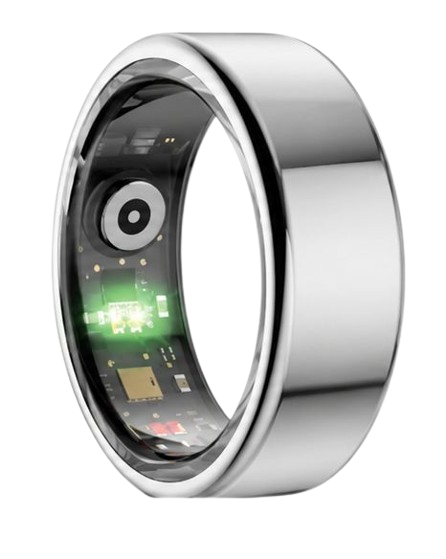
Its military-grade steel construction and featherlight profile ensure you can wear it continuously without distraction.
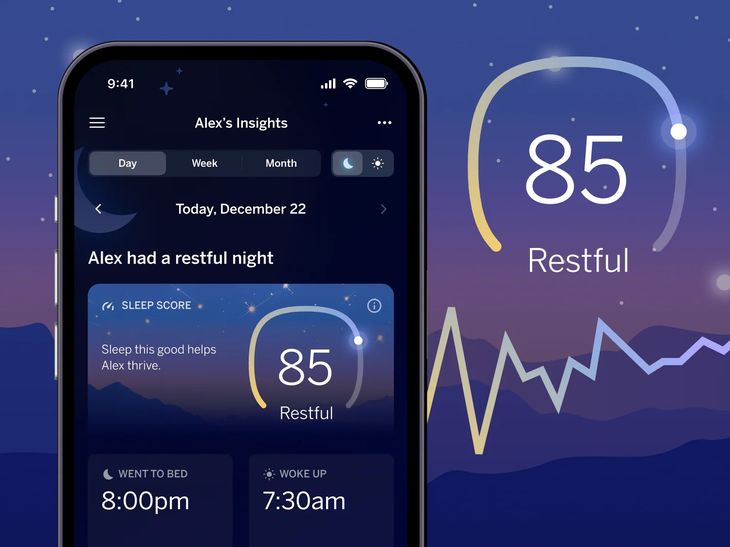
By analyzing your HRV and skin temperature, our advanced app calculates your daily readiness score with incredible precision.
This allows you to verify the exact physiological impact of your rest protocols in real time.
The ring gathers your biological signals smoothly from your finger without restricting your movement.
This makes it highly superior to bulky, uncomfortable wrist-worn fitness trackers.
90-Day 100% Money-Back Guarantee
“The Herz Smart Ring helps me manage stress easily. It’s accurate, stylish, and lightweight—perfect for my busy life!”
— Jennifer P. | ✔ Verified Customer
- ✓ 6-Day Battery Life
- ✓ Detailed Sleep Analysis
- ✓ Fast 1-Hour Charging
- ✓ iOS & Android Ready
Questions? Call: 1-866-479-1629
The Physiology of Restoring Time: How Your Body Recovers
Understanding the biology of physical recovery requires a deep look at the autonomic nervous system.
This system contains two primary branches known as the sympathetic and parasympathetic divisions.
The sympathetic branch drives your “fight or flight” response during times of high work stress.
Conversely, the parasympathetic branch controls your “rest and digest” physiological functions.
Achieving a state of true physical restoration requires regular parasympathetic activation.
According to the American Heart Association, tracking changes in heart rate variability is one of the most reliable methods to assess autonomic balance.
A higher heart rate variability indicates that your heart is responsive to both autonomic branches.
This signifies a healthy, resilient cardiovascular system that can adapt to stress quickly.
A low heart rate variability suggests that your body is trapped in a chronic sympathetic survival state.
The National Sleep Foundation emphasizes that deep sleep is when the body conducts major physical repairs.
During these deep sleep cycles, blood pressure drops and tissue growth hormones are released.
If your sleep architecture lacks adequate deep sleep, your body cannot heal efficiently.
The Herz P1 utilizes precise optical photoplethysmography to track these subtle biometric trends.
This technology measures the volumetric changes in your peripheral blood vessels with every heartbeat.
By analyzing these minute variations, our system calculates your unique stress resilience score.
This metric helps you determine whether your body is actually recovering during periods of passive rest.
It removes the guesswork from your wellness routine and provides concrete biological facts.
Wearing a precision sensor ensures you capture these vital cardiovascular metrics accurately.
Our advanced optical sensor works by projecting multi-spectral light waves directly through the skin of your finger.
This area contains a rich network of capillaries that offer a clear signal compared to the wrist.
As a result, our tracking algorithm maintains a high correlation with medical-grade electrocardiogram machinery.
This clinical accuracy gives you the confidence to make important decisions about your daily activities.
You can plan your work schedule based on hard biological facts rather than subjective feelings.
This proactive approach is what separates true biohacking from simple wellness speculation.
Decoding Daytime Restorative Minutes and Stress Resilience

Many wellness enthusiasts focus exclusively on night sleep while ignoring daytime recovery.
However, your body requires opportunities to reset its biological systems during the workday.
This is where tracking your daytime restorative minutes becomes incredibly valuable.
These minutes represent periods during the day when your heart rate slows down and your HRV rises.
It indicates that your body has temporarily entered a restorative parasympathetic state.
By reviewing your daily resilience graph, you can pinpoint exactly when these moments occurred.
You might notice a spike in recovery during a quiet lunch or a short breathing exercise.
Conversely, a busy meeting might show a complete absence of restorative minutes.
A quality wearable sensor detects these shifts and automatically logs them as rest mode data.
This allows you to see how your body manages work demands in real time.
When your metrics show high sympathetic load, you should manually trigger a dedicated recovery protocol.
This could be a simple five-minute walk or a brief meditation session.
Over time, these micro-recoveries protect your cardiac health and improve your overall physiological profile.
They prevent the accumulation of systemic fatigue that leads to burnout and poor sleep.
By monitoring your rest rate, you can ensure your heart returns to a calm state after stressful events.
The Herz P1 calculates these metrics continuously without requiring any manual entry.
It runs quietly in the background to provide a complete picture of your daily stress cycles.
This level of continuous biometric tracking is essential for modern lifestyle optimization.
Our research shows that taking regular recovery breaks improves cognitive focus by up to thirty percent.
It allows your brain to clear waste products and consolidate memories throughout the workday.
This means you can maintain peak intellectual performance without experiencing the usual afternoon energy crash.
By investing in your daytime recovery, you improve your efficiency and quality of work.
Your body will thank you for providing these essential moments of quiet in a busy world.
Practical Application: Reading Your Recovery Data on the Herz P1 App
Once you collect your physiological data, you must learn to apply it effectively.
Open the Herz P1 application each morning to review your daily wellness dashboard.
Look closely at your overnight sleep score and your average heart rate variability.
If your metrics show high recovery, you can push yourself harder in the gym or at work.
This is the ideal time to schedule high-intensity interval training or complex mental tasks.
If your recovery score is low, you should adapt your schedule to prevent overtraining.
Consider substituting a heavy weightlifting session with a gentle yoga practice or walk.
This proactive approach ensures you work with your body rather than against it.
The lightweight design of the Herz P1 makes continuous all-day monitoring incredibly comfortable.
Unlike a heavy watch, you will barely feel the ring on your finger as you type or sleep.
This comfort is crucial because consistent data collection is the key to accurate insights.
Our app organizes this information into easy-to-read trend lines that show your long-term progress.
You can easily share these reports with your fitness coach or healthcare provider.
By tracking your physical responses, you develop a deeper connection with your body.
You learn to recognize the subtle physical signs of stress before they manifest as fatigue.
This empowers you to make healthier lifestyle choices every single day.
The application also allows you to tag specific activities to see how they impact your biometrics.
For example, you can tag a late-night meal to observe its negative impact on your resting heart rate.
You can also tag a meditation session to see how quickly it lowers your stress index.
This interactive tagging feature transforms raw biological data into a personalized wellness road map.
It helps you identify the exact lifestyle habits that support or hinder your recovery.
Over time, you will build a set of highly optimized habits that keep you feeling your best.
Overcoming Smart Technology Risks and Common Traps
Many consumers make the mistake of wearing a bulky, heavy smartwatch to monitor their sleep.
These oversized devices often cause physical discomfort and disrupt natural sleep cycles.
They can easily snag on bedsheets or cause skin irritation during warm nights.
Additionally, the bright screens of smartwatches can accidentally illuminate and wake you up.
This completely defeats the purpose of trying to improve your sleep quality.
Another major concern in the wearable market is the hidden cost of ongoing subscriptions.
Several premium brands lock your own biological data behind an expensive monthly paywall.
This means you must pay a recurring fee just to view your recovery metrics.
Team Herz P1 believes that you should always own your personal health data.
The Herz P1 companion app is completely free for life with no subscription fees.
We provide full access to all your biometric trends without any hidden charges.
Our ring is crafted from military-grade steel to ensure maximum durability.
It is designed to withstand daily wear, accidental drops, and heavy gym workouts.
You do not have to worry about scratching the surface or damaging the internal sensors.
This robust build quality is backed by our comprehensive two-year warranty.
We also offer a ninety-day money-back guarantee so you can test the ring risk-free.
Choosing a durable, subscription-free device is the smartest way to track your long-term health.
Many users find that bulky watches also run out of battery power at the most inconvenient times.
The frequent charging requirements disrupt continuous data tracking and lead to massive gaps in your history.
With our six-day battery life, you can focus on your life rather than constantly hunting for a charger.
Our magnetic charging dock is compact enough to fit in any travel bag or pocket.
This ensures you can maintain your tracking consistency even when traveling across different time zones.
Frequently Asked Questions About Herz P1 and Biometric Tracking
Is the Herz P1 Smart Ring waterproof?
Yes, the Herz P1 is fully IP68 waterproof and built to withstand wet environments.
You can safely wear it while swimming, showering, or washing your hands.
It is rated for submersion up to one hundred and sixty-four feet deep.
This robust waterproofing ensures that moisture will never damage the internal sensors.
You can wear it during heavy rain or intense workouts without any worries.
How long does the battery last on a single charge?
The battery lasts up to six full days under normal continuous tracking conditions.
It utilizes an advanced energy-saving chipset to minimize power consumption.
When the battery is low, it charges fully in under one hour.
This rapid charging capability means you will never miss a night of sleep tracking.
You can enjoy continuous monitoring without the anxiety of daily charging cycles.
Which finger is the best to wear the smart ring on?
We recommend wearing the ring on your index finger for the most accurate sensor readings.
The middle and ring fingers are also excellent alternative choices.
Ensure the ring fits snugly but comfortably without rotating too easily.
A proper fit guarantees that the optical sensors maintain consistent contact with your skin.
Avoid fingers that experience frequent swelling during the day to ensure consistent metrics.
Does the Herz P1 store my biometric data offline?
Yes, the ring has secure onboard memory that stores up to seven days of data offline.
You do not need to keep your smartphone nearby or connected to Bluetooth constantly.
The ring will automatically sync all stored metrics the next time you open the app.
This feature is perfect for outdoor adventures or during overnight sleep.
Your personal data remains safe and encrypted directly on the hardware until synced.
Conclusion: Start Your Scientific Restoration Journey
Prioritizing your restorative time is the ultimate foundation of a healthy life.
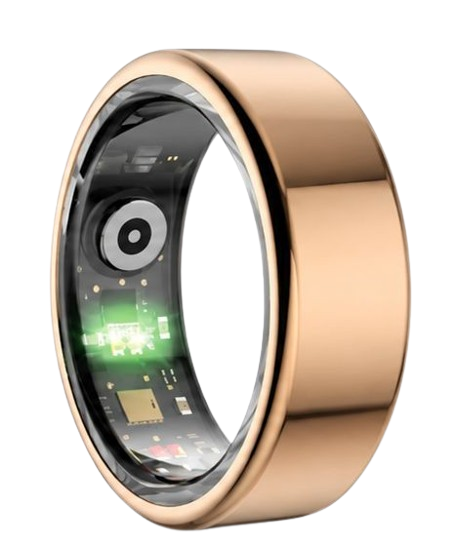
The Herz P1 Smart Ring offers continuous, subscription-free tracking to optimize your daily recovery.
Ready to monitor your health every day?
Explore the Herz P1 Smart Ring and see if it fits your lifestyle.
Call: **1-866-479-1629** — our team can help you advise on the correct ring size and set personalized health goals.
Note: Individual results may vary depending on individual health conditions, age, and lifestyle habits. This article is intended for general health reference purposes only.
