

According to the National Sleep Foundation, over 41% of adults adopt a curled-up posture, but learning how to stop sleeping in fetal position is essential to align your spine and prevent chronic morning back stiffness. By utilizing the advanced biometric tracking of the Herz P1 smart ring, you can actively monitor how changing this nocturnal habit improves your sleep efficiency, overnight oxygen saturation, and cardiovascular recovery metrics.
Built to Last. Save Up to 69% Today.
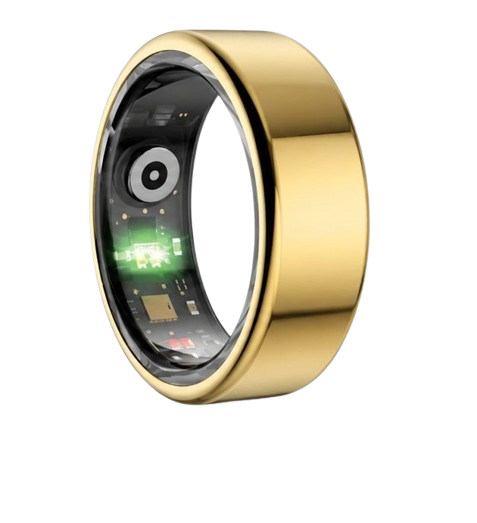
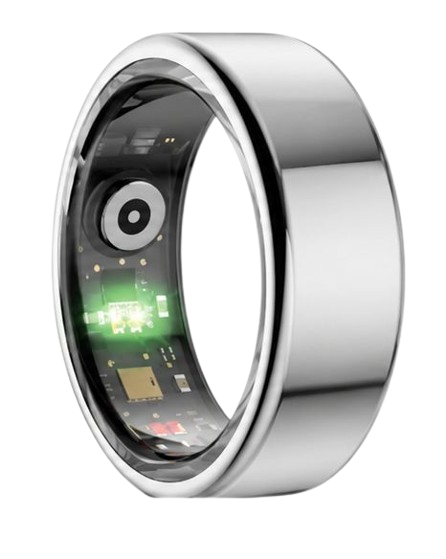
The Herz P1 Smart Ring tracks HRV, Sleep, Heart Rate & SpO2 around the clock. No subscriptions. No renewals. Ever.
In This Article
- Step-by-Step Spine Alignment: Practical, actionable guidelines to safely change fetal sleeping habits.
- The Physiology of Curling Up: Understanding why we assume this posture and its long-term skeletal risks.
- Nocturnal Biometric Trends: How postural changes directly influence heart rate variability and oxygen saturation.
- Smart Habit Optimization: Utilizing comfort-driven wearable technology to track and master your spinal alignment.
How to Align Your Spine and Stop Sleeping in the Fetal Position: A Complete Step-by-Step Guide

Before beginning your transition to a healthier sleeping posture, you must gather the correct supportive tools.
You will need a supportive full-body pillow, an orthopedic contoured cervical pillow, and a high-density mattress topper if your current bed is too soft.
These physical boundaries will keep your body from naturally reverting back to its comfortable, curled-up habits during deep sleep.
Step 1: Position a Full-Body Pillow Between Your Knees
Many people default to fetal position sleep because their limbs feel unsupported.
When you place a full-body pillow between your knees, it prevents your top leg from sliding forward.
This simple adjustment stops the pelvis from rotating and protects your lumbar spine from twisting.
Without this support, your lower back remains in a state of mild torque for eight hours.
A high-quality memory foam body pillow maintains its shape throughout the entire night.
Ensure the pillow is thick enough to keep your knees aligned with the width of your hips.
This structural alignment relieves direct pressure on the sacroiliac joints.
Over time, this tactile cue trains your body to resist the urge of sleeping curled up.
You should also hug the upper portion of the pillow to keep your shoulders open.
This chest-opening position prevents your upper spine from hunching forward.
Keeping both your lower and upper limbs supported makes it physically difficult to curl back into a tight ball.
This balanced posture distributes your body weight evenly across the entire mattress surface.
Step 2: Adjust Mattress Firmness to Prevent Midsection Sinking
The surface you sleep on dictates how your skeletal framework settles during unconsciousness.
A mattress that is too soft allows your heavier pelvic region to sink too deeply into the bed.
This sinking motion creates an unnatural hammock effect that forces your spine into a curved, fetal-like shape.
Conversely, an overly firm mattress creates harsh pressure points on your hips and shoulders.
These pressure points naturally force you to curl your body up to seek temporary physical relief.
To successfully transition from fetal sleep, select a medium-firm mattress that supports your natural spinal curves.
If a new mattress is not an option, a high-density latex topper can quickly correct a sagging bed.
The goal is to maintain a straight line from your ears through your shoulders, hips, and ankles.
Proper mattress support allows your muscles to completely relax without contracting.
When your muscles relax, your body does not feel the subconscious need to curl up for comfort.
Investing in the right sleep surface is a critical foundation for long-term spinal health.
A flat, supportive plane helps your body accept a naturally elongated posture throughout the night.
Step 3: Implement a Cervical Pillow for Neutral Cervical Alignment
Your neck posture heavily influences the rest of your spinal column throughout the night.
Standard pillows often push the head too far forward, mimicking the hunched fetal posture.
A contoured cervical pillow features a central hollow that cradles the back of your head.
It also includes a raised supportive roll that fills the natural gap beneath your neck.
This design ensures your cervical vertebrae remain in a completely neutral position.
By stabilizing the neck, you reduce the muscular tension that triggers the desire to curl your body.
Keep your head aligned with your breastbone to avoid lateral strain on your neck muscles.
Proper cervical support is a foundational key to permanently ending your sleeping one side patterns.
Contoured foam pillows also prevent your head from rolling awkwardly to the side.
This stability prevents the morning neck stiffness associated with poor sleeping habits.
Choosing a dedicated orthopedic pillow will accelerate your transition to a healthier, aligned posture.
An aligned neck prevents nerve compression that can radiate pain down your entire spine.
Step 4: Practice Chest-Opening Stretches Before Retiring
Daily stress and physical inactivity often lead to tight hip flexors and a closed chest.
When your body is physically tight, it naturally retreats into a protective, curled posture during sleep.
Performing gentle, chest-opening stretches before bed relaxes your entire musculoskeletal system.
Spend five minutes practicing the child’s pose and the cobra stretch to lengthen your torso.
These movements release the physical tension stored in your lower back and hip joints.
Deep diaphragmatic breathing during these stretches helps lower your resting heart rate.
It also prepares your muscle fibers to remain relaxed and extended while you sleep.
A relaxed musculoskeletal system is far less likely to revert to a tight, curled-up fetal shape.
You can also perform a gentle doorway pectoral stretch to open up your shoulders.
This stretch counteracts the hunched-over posture that many office workers develop during the day.
Making stretching a nightly ritual signals to your brain that it is safe to sleep in an open position.
Relaxed muscles allow your body to naturally find and hold an aligned posture.
Step 5: Analyze Your Daily Sleep Metrics for Behavioral Shifts
Breaking a lifelong sleeping habit requires consistent tracking and objective, reliable data.
You cannot easily manage what you do not measure while you are fast asleep.
By utilizing advanced biometric tracking, you can see exactly how posture adjustments affect your body.
Monitor your overnight biometrics to ensure your new posture is reducing systemic stress.
Look for steady metrics that indicate your body is resting in a peaceful, uncompressed state.
Consistent sleep tracking acts as an objective mirror for your nighttime skeletal health.
Use these daily insights to adjust your pillow setup or mattress firmness accordingly.
Scientific validation turns the difficult process of changing habits into a rewarding, structured journey.
Seeing improvement in your deep sleep scores provides the motivation needed to stay on track.
A smart wearable device can log these subtle micro-adjustments without interrupting your rest.
Trusting the data ensures you make permanent, health-promoting changes to your nightly routine.
Biometric proof takes the guesswork out of improving your posture and overall health.
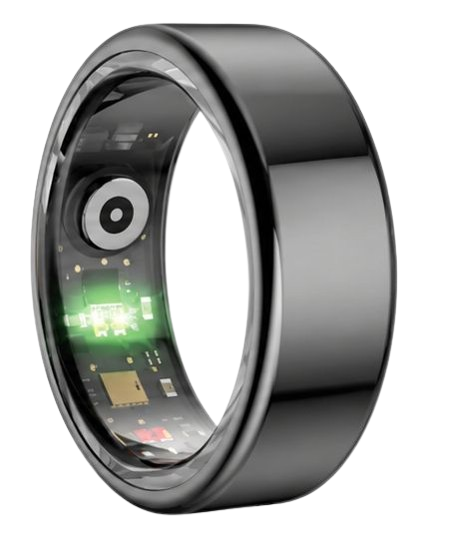
Our team at Herz P1 designed our premium smart ring to make tracking these physiological shifts seamless.
The Herz P1 features a lightweight, military-grade steel design that sits comfortably on your finger all night.
As you experiment with body pillows and mattress adjustments, our free companion app logs your sleep stages, HRV trends, and blood oxygen levels.
By monitoring these metrics, you can easily correlate your spinal alignment efforts with actual, measurable recovery.
This allows you to optimize your sleep architecture without the burden of a bulky smartwatch or ongoing monthly subscription fees.
90-Day 100% Money-Back Guarantee
“The Herz Smart Ring helps me manage stress easily. It’s accurate, stylish, and lightweight—perfect for my busy life!”
— Jennifer P. | ✔ Verified Customer
- ✓ 6-Day Battery Life
- ✓ Detailed Sleep Analysis
- ✓ Fast 1-Hour Charging
- ✓ iOS & Android Ready
Questions? Call: 1-866-479-1629
The Anatomy of Curling Up: why do i sleep in fetal position and What It Does to Your Spine
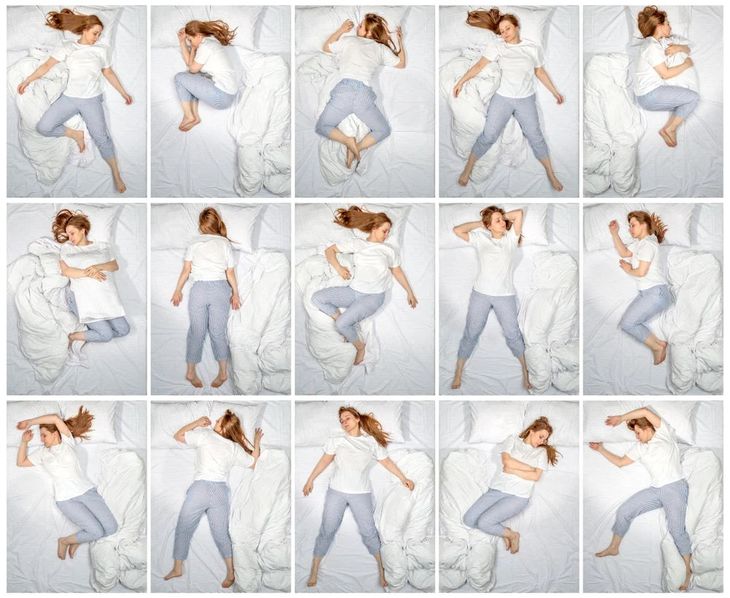
Many individuals ask themselves why do i sleep in fetal position when waking up with severe back pain.
From a psychological perspective, curling up is a natural instinct that provides a sense of emotional security.
Every sleep position meaning relates directly to how your body manages physical and emotional recovery.
However, this posture forces your entire spine into excessive flexion for hours at a time.
The lumbar vertebrae are pushed outward, stretching the surrounding ligaments and muscles beyond their comfortable limits.
This sustained tension reduces blood flow to the spinal discs, accelerating wear and tear.
Additionally, the head is typically pulled downward, putting extreme strain on the cervical spine.
According to the National Sleep Foundation, maintaining a neutral spinal alignment is vital for avoiding long-term musculoskeletal damage.
When you adopt a neutral posture, the natural “S” curve of your spine is preserved.
This balance distributes your body weight evenly and prevents localized pressure points.
Conversely, the tight curves of a fetal position sleep setup pinch nerves and compress blood vessels.
This restriction often leads to that familiar morning numbness or pins-and-needles sensation.
Understanding the physical toll of this habit is the first step toward correcting it.
While there are some side sleeper health benefits, they only apply when the spine remains straight.
If you transition to a supported side-lying posture, you can enjoy these benefits without the structural damage.
Learning to stop sleeping curled up is crucial for protecting your joints as you age.
Our goal at Team Herz P1 is to help you decode these physical stresses using clear biometric feedback.
The Biometric Impact of Posture: Sleep Stages, HRV, and SpO2 Performance
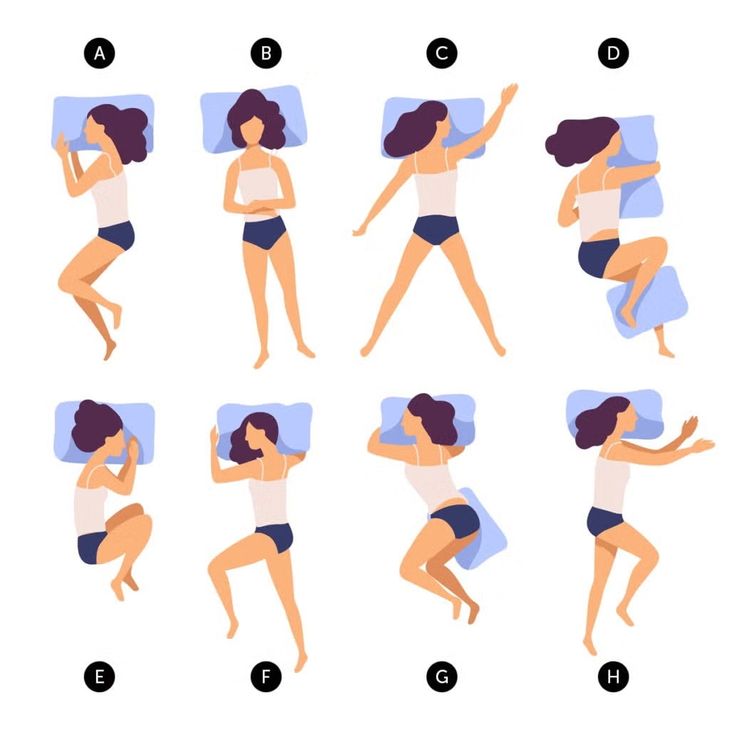
Your sleeping posture directly affects your autonomic nervous system and overall sleep architecture.
When you curl up tightly, your rib cage is physically compressed against your chest.
This compression restricts the diaphragm, preventing full lung expansion during deep sleep.
As a result, your body experiences mild, chronic breathing resistance that can lower your blood oxygen saturation (SpO2) levels.
The American Heart Association notes that poor nocturnal oxygenation puts unnecessary stress on the cardiovascular system.
This physical stress triggers a subtle sympathetic “fight-or-flight” response in your brain.
When the sympathetic nervous system is active, your heart rate variability (HRV) decreases significantly.
A high HRV indicates a well-rested, resilient nervous system, while a low HRV signals systemic fatigue.
Therefore, a compressed posture can directly lower your morning HRV scores and leave you feeling exhausted.
Furthermore, this physical strain interrupts your transition into critical sleep stages like deep sleep and REM sleep.
Deep sleep is essential for physical tissue repair, muscle recovery, and immune system strength.
REM sleep is the stage where cognitive consolidation and emotional processing occur.
If your body is constantly waking up from sub-clinical breathing issues, you miss out on these vital recovery phases.
By tracking your sleep stages, you can observe how a straighter posture increases deep sleep duration.
Changing how you sleep is not just about comfort; it is about maximizing your biological recovery.
Optimizing Your Sleep Architecture with Herz P1 App Insights
The Herz P1 companion app provides a comprehensive dashboard of your nightly physiological recovery.
Every morning, the app compiles your heart rate, HRV, SpO2, and sleep stages into a single, intuitive Sleep Score.
If you slept in a compressed fetal position, you may notice a lower overall score due to elevated stress metrics.
When you implement a full-body pillow, check your app the next morning to look for key changes.
You should see a gradual increase in your deep sleep percentage and a more stable HRV trend line.
The app also tracks your respiration rate, which directly reflects your breathing comfort.
By comparing several nights of data, you can objectively verify which pillow configuration works best for you.
Our advanced optical sensors capture these subtle improvements with clinical-grade accuracy.
Unlike heavy wrist-worn devices, the Herz P1 is designed for comfortable, 24/7 all-day wear.
The ultra-slim ring profile ensures you will not experience any discomfort while sleeping or exercising.
This seamless tracking allows you to make data-backed adjustments to your daily lifestyle habits.
Using these personalized trends helps you take control of your physical well-being.
Avoiding the Pitfalls of Bulky Wearables and Hidden Subscription Fees
Many health-conscious individuals make the mistake of wearing bulky, heavy smartwatches to bed.
These large devices can press into your wrist, causing localized circulation issues and skin irritation.
Furthermore, the physical discomfort of a smartwatch can actually cause you to toss and turn.
This movement often forces you back into a protective, curled-up fetal posture.
Another major frustration in the wearable market is the hidden cost of monthly app subscriptions.
Some brands charge ongoing fees just to access your own biometric data after you buy the hardware.
We believe that you should never have to pay a subscription fee to monitor your health.
The Herz P1 App is completely free for a lifetime, with no paywalls or hidden renewal costs.
Additionally, our ring is crafted from military-grade steel to survive the most demanding daily activities.
It features an IP68 waterproof rating, allowing you to wear it in the shower or swimming pool.
To ensure your complete peace of mind, we back every ring with a 2-year warranty.
We also offer a generous 90-day money-back guarantee so you can test it risk-free.
Choosing a durable, subscription-free ring is the smartest way to support your physical wellness journey.
Frequently Asked Questions About Sleep Posture and Herz P1 Tracking
Yes, the Herz P1 is fully IP68 waterproof and built to withstand diverse environments.
It can be safely submerged in water up to 164 feet deep.
This means you can wear it while swimming, showering, washing your hands, or sweating during intense workouts.
The seamless outer shell protects the sensitive optical sensors from moisture damage.
You do not need to remove the ring during your daily hygiene routines.
The Herz P1 features a long-lasting battery that provides up to 6 days of continuous monitoring.
This means you only need to charge your ring about once a week.
When the battery is low, it fully recharges in under 1 hour using the included magnetic charger.
This rapid charging capability ensures you never miss critical sleep or daytime biometric tracking.
The energy-efficient design maximizes tracking time while minimizing maintenance effort.
We recommend wearing the Herz P1 on your index, middle, or ring finger for the most accurate readings.
The index finger typically provides the strongest blood perfusion signal for the optical sensors.
However, the middle and ring fingers offer excellent comfort and stability for overnight wear.
Choose the finger that provides a snug, secure fit without feeling overly tight.
Ensure the internal sensor bumps remain in direct contact with the palm side of your hand.
Yes, the Herz P1 can store up to 7 days of detailed health metrics directly on its internal memory.
You do not need to keep your smartphone nearby or connected to Bluetooth at all times.
The ring will automatically record your sleep stages, HRV, and heart rate throughout the night.
Once you open the companion app, your stored data will seamlessly sync to your phone.
This offline storage capability ensures your valuable health data is never lost.
Conclusion: Take Charge of Your Musculoskeletal Recovery
Proper spinal alignment is the secret to waking up refreshed and pain-free every morning.
The Herz P1 Smart Ring provides the precise biometric insights you need to master this transition.
Ready to monitor your health every day?
Explore the Herz P1 Smart Ring and see if it fits your lifestyle.
Call: **1-866-479-1629** — our team can help you advise on the correct ring size and set personalized health goals.
Note: Individual results may vary depending on individual health conditions, age, and lifestyle habits. This article is intended for general health reference purposes only.
