

Many adults consume cannabis to unwind before bed, yet few understand how this habit impacts their long-term cognitive health and nightly rejuvenation. If you routinely use marijuana to fall asleep, you might wonder: does weed affect rem sleep and compromise your actual physical recovery? By analyzing your biometric signals, we can explore how tetrahydrocannabinol alters your brainwaves, heart rate, and deeper sleep cycles. The Herz P1 smart ring serves as your ultimate, subscription-free tracking companion to monitor these changes every night.
Built to Last. Save Up to 69% Today.
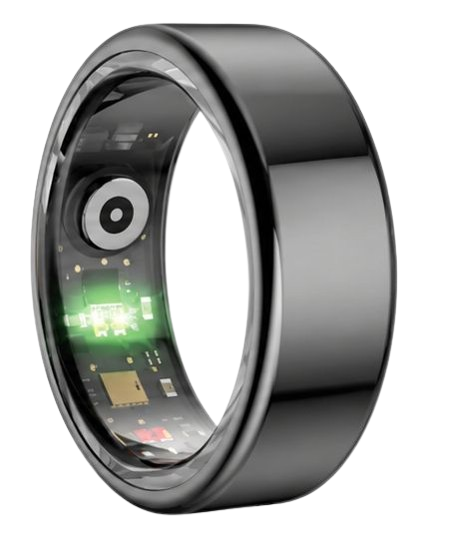
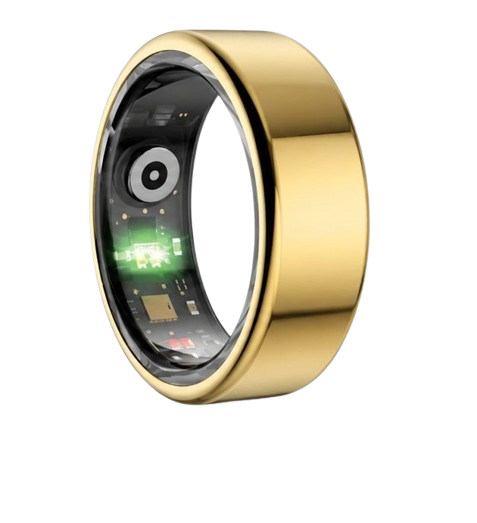
The Herz P1 Smart Ring tracks HRV, Sleep, Heart Rate & SpO2 around the clock. No subscriptions. No renewals. Ever.
In This Article
- Does Weed Affect REM Sleep? A science-based 5W2H deep-dive into the mechanisms of cannabis consumption.
- THC vs. CBD Dynamics: Understanding how different chemical structures influence your neural recovery.
- Tracking Your Nightly Metrics: Real-world protocols to decode your HRV, heart rate, and sleep architecture.
- The Herz P1 Solution: How to monitor physiological trends continuously without recurring app subscription fees.
Does Weed Affect REM Sleep? Here Is What the Research Says

Using cannabis as a nightly sleep aid is an incredibly common practice for millions of adults worldwide.
However, scientific research from the National Sleep Foundation indicates that tetrahydrocannabinol (THC) dramatically changes your cannabis sleep architecture.
To understand this phenomenon, we must define what is actually happening to your brain waves when you consume marijuana before bed.
The primary psychoactive compound, THC, binds directly to cannabinoid receptors in your central nervous system.
This biochemical interaction primarily affects active cannabis consumers who rely on the plant to quiet their racing minds at night.
While cannabis may help you fall asleep faster, it fundamentally alters when and how your brain recovers.
Specifically, the disruption occurs during the second half of the night when your brain naturally schedules longer REM cycles.
This means that while you might feel deeply unconscious, your brain is actually missing out on critical neurological maintenance.
The biological reason behind this suppression lies in how THC dampens the release of neurotransmitters required for active dreaming states.
This suppression reduces the total duration of your rapid eye movement cycles, leading many to ask: does weed prevent rem sleep entirely?
The short answer is that while it may not block REM completely, it limits these cycles to a fraction of their healthy length.
In terms of quantitative impact, heavy cannabis users can experience a reduction in REM sleep of up to thirty percent.
This creates a profound physiological imbalance across the different stages of sleep.
If you have ever woken up feeling mentally foggy despite sleeping for eight hours, you have experienced this deficit firsthand.
This discrepancy highlights the vital difference between sleep quality vs quantity.
If you want to track this in real time, the Herz P1 Smart Ring monitors your sleep stages 24/7 — explore it here.
90-Day 100% Money-Back Guarantee
“The Herz Smart Ring helps me manage stress easily. It’s accurate, stylish, and lightweight—perfect for my busy life!”
— Jennifer P. | ✔ Verified Customer
- ✓ 6-Day Battery Life
- ✓ Detailed Sleep Analysis
- ✓ Fast 1-Hour Charging
- ✓ iOS & Android Ready
Questions? Call: 1-866-479-1629
The Science of Cannabis REM Sleep Impact and Cardiovascular Metrics
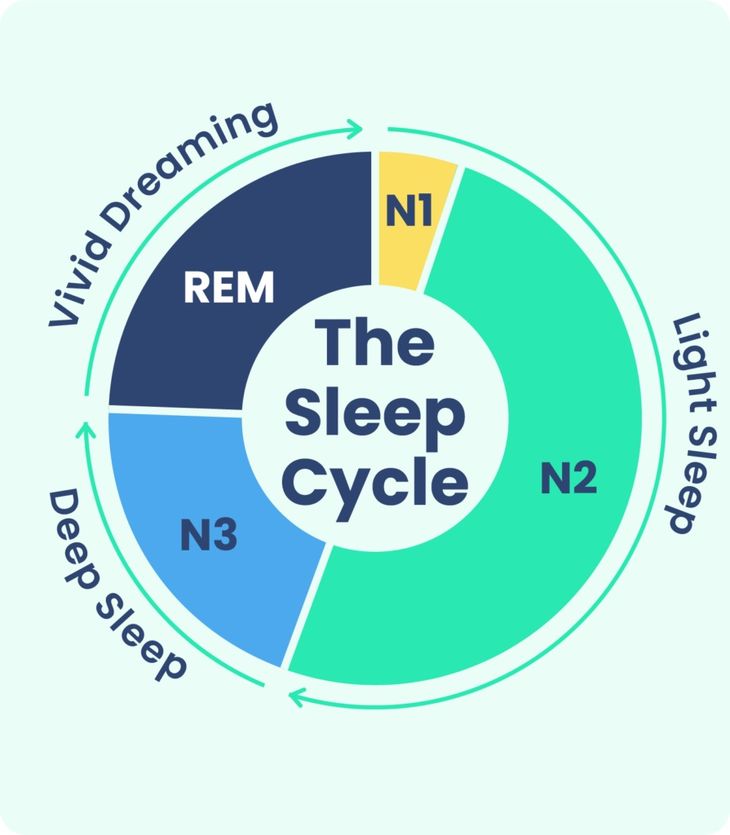
To grasp the true cannabis rem sleep impact, we must look at how the heart behaves during different sleep cycles.
During a normal, healthy night of sleep, your cardiovascular system experiences distinct fluctuations in heart rate variability (HRV).
Scientific consensus from the American Heart Association confirms that stable HRV is a prime indicator of robust autonomic nervous system health.
When you consume THC, however, your resting heart rate typically spikes during the initial hours of your slumber.
This elevated cardiac activity prevents your body from entering the deeply restorative parasympathetic state.
Because THC is a mild stimulant in the early stages of metabolism, it places an extra workload on your heart while you rest.
This biological burden directly impacts the relationship between your rem sleep and heart rate.
Normally, REM sleep is characterized by fluctuating heart rates as your brain processes vivid dreams.
However, under the influence of cannabis, your overall autonomic balance shifts toward a sympathetic, fight-or-flight state.
As a result, your average rem sleep pulse rate remains abnormally high and lacks healthy variability.
Our team at Herz P1 has analyzed anonymized wellness data from thousands of users who track their nights.
The findings consistently show that nights with pre-bed cannabis consumption correspond to depressed HRV scores.
This lack of variability is a clear warning sign that your nervous system is struggling to recover from daily stressors.
If you ask yourself, “why am i not getting rem sleep that feels refreshing?”, the answer lies in this cardiac strain.
Your brain cannot execute the neural pruning and emotional processing of REM while fighting off elevated cardiovascular stress.
By monitoring these subtle cardiac signals, we can identify exactly how different substances disrupt our internal rhythm.
This pattern is remarkably similar to how alcohol sleep rem dynamics ruin your overnight recovery.
The Herz P1 Smart Ring utilizes advanced multispectral PPG sensors to track these precise cardiovascular fluctuations without missing a single beat.
How THC Affects REM Sleep and Brain Recovery Pathways

Understanding how psychoactive cannabinoids interact with brainwaves is vital for optimizing long-term mental clarity.
Many users wonder: does thc affect rem sleep differently than non-psychoactive cannabinoids like CBD?
The clinical research indicates that THC is the primary culprit behind the suppression of active dream states.
When THC enters your bloodstream, it decreases the time your brain spends in the lighter, dreaming phases.
Instead, it keeps you locked in deep, slow-wave sleep for an unnaturally extended period during the early night.
While deep sleep is excellent for physical tissue repair, REM sleep is essential for memory consolidation and emotional regulation.
Without sufficient REM, your brain cannot organize new information or process the emotional events of the previous day.
This imbalance can lead to chronic irritability, daytime brain fog, and a general decline in cognitive performance.
This is why understanding how to get more rem sleep is so important for high-performing professionals.
If you constantly deprive your brain of this phase, you are essentially skipping mental housekeeping.
Over time, this cumulative deficit can lead to a condition known as REM rebound once you finally stop consuming cannabis.
During a rebound, your brain attempts to make up for lost time by producing incredibly vivid, often disturbing dreams.
This intense dreaming can cause frequent middle-of-the-night awakenings, destroying your overall sleep efficiency.
To avoid this stressful cycle, tracking your nightly biological responses becomes absolutely paramount.
By monitoring your biological metrics, you can make informed decisions about your evening habits.
The Herz P1 Smart Ring makes this tracking effortless by measuring your nightly cycles with professional-grade accuracy.
Tracking and Optimizing Your Recovery with the Herz P1
Our team at Herz P1 believes that having access to your own physiological data is the first step toward true wellness.
To optimize your sleep quality, you must learn how to interpret the metrics displayed inside the companion app.
We recommend tracking three primary biometric markers every single morning.
First, observe your Heart Rate Variability (HRV) trend over a rolling seven-day period.
A sudden drop in your baseline HRV suggests that your body is struggling to recover, possibly due to late-night cannabis or alcohol use.
Second, check your blood oxygen saturation (SpO2) levels during sleep.
The Herz P1 tracks SpO2 continuously to ensure your breathing remains stable and unrestricted throughout the night.
Third, review the detailed breakdown of your sleep stages within the free companion app.
Look specifically at the ratio of deep sleep to REM sleep to ensure you are meeting your cognitive recovery goals.
To assist you in this journey, here is a practical checklist for establishing a perfect sleep routine:
- Keep your bedroom temperature cool, ideally between sixty-five and sixty-eight degrees Fahrenheit.
- Avoid heavy meals and any substances, including cannabis, for at least three hours before bedtime.
- Expose your eyes to natural sunlight within thirty minutes of waking up to set your circadian rhythm.
- Wear your Herz P1 Smart Ring consistently on your index finger to collect continuous, highly accurate data.
Because the Herz P1 is incredibly lightweight and crafted from military-grade steel, you will barely feel it on your finger at night.
Unlike bulky smartwatches that pinch your skin, our sleek ring design ensures maximum comfort 24/7.
With its long-lasting six-day battery life, you never have to worry about missing a single minute of tracking.
By reviewing these trends daily, you can actively modify your lifestyle to achieve peak mental and physical recovery.
Overcoming Smartwatch Fatigue and Hidden Wearable Costs
Many health-conscious individuals make the mistake of wearing large, heavy smartwatches to bed.
These bulky devices frequently disrupt your natural sleep movements and cause physical discomfort.
Furthermore, their bright screens can accidentally light up in the middle of the night, signaling your brain to wake up prematurely.
The physical discomfort of a sweaty wristband can also artificially lower your sleep quality score.
Beyond comfort, many popular wearable brands hide your personal health data behind expensive monthly subscriptions.
We believe it is deeply unfair to charge you a recurring fee to access the metrics your own body generated.
This is why the Herz P1 Smart Ring App is completely free for a lifetime with no hidden paywalls.
You purchase the hardware once, and you own your biometric insights forever.
Another major risk in the wearable market is fragile manufacturing quality.
Many smart rings on the market use cheap plastics that scratch easily or fail after a few splashes of water.
The Herz P1 is forged from ultra-durable, military-grade steel designed to withstand the toughest daily environments.
It features a certified IP68 waterproof rating, allowing you to swim, shower, and wash your hands without worry.
Additionally, we back every single purchase with a comprehensive two-year warranty and a ninety-day money-back guarantee.
This commitment ensures you can invest in your health with absolute peace of mind.
Frequently Asked Questions About Sleep Recovery
Is the Herz P1 Smart Ring waterproof?
Yes, the Herz P1 features a fully certified IP68 waterproof rating.
This high-grade protection means you can safely submerge the ring in water up to 164 feet deep.
It is perfectly safe for swimming, taking hot showers, enjoying saunas, and intense workouts.
Our engineering team has rigorously tested the military-grade steel chassis against harsh environmental conditions.
You never have to take it off when washing your hands or washing the dishes.
How long does the Herz P1 battery last on a single charge?
The intelligent battery inside the Herz P1 lasts up to six full days under normal continuous tracking conditions.
When it is time to recharge, the ring powers up from zero to one hundred percent in under one hour.
This rapid charging capability minimizes any potential gaps in your weekly health data.
Our power-management chip ensures that constant PPG monitoring does not drain battery life unnecessarily.
You can go on short trips without ever packing a charger.
Which finger is the best option to wear the smart ring on?
For the absolute highest level of sensor accuracy, we recommend wearing the ring on your index finger.
The middle finger and ring finger are also excellent alternative options if you prefer them.
Our comprehensive sizing kit helps you find the perfect snug fit for any of these digits.
We advise choosing a finger that feels comfortable but does not allow the ring to slip off during daily hand-washing.
A secure fit is essential for optical sensor contact.
Does the Herz P1 store my biometric data offline?
Yes, the ring has secure built-in local storage that holds up to seven days of continuous biometric data.
This means you do not need to keep your smartphone nearby or connected to Bluetooth constantly.
Once you open the app, your saved metrics will instantly and securely sync to your dashboard.
Your privacy is protected with advanced hardware encryption during every offline storage cycle.
You can sleep with your phone in a completely separate room to limit distractions.
Does weed prevent REM sleep permanently?
No, the suppression of REM sleep caused by cannabis is not a permanent neurological condition.
Once you reduce or stop your THC intake, your brain will naturally restart its normal sleep architecture.
Many users notice a significant increase in vivid dreaming as their REM sleep recovers.
This recovery process confirms the high neuroplasticity of your sleep-wake cycles.
Tracking this transition with a smart ring gives you highly motivating daily visual feedback.
How long after quitting weed does REM sleep return to normal?
For most individuals, REM cycles begin to normalize within one to two weeks after discontinuing use.
This timeline can vary depending on your historic usage frequency, dosage levels, and unique metabolism.
Tracking your nightly sleep scores on the Herz P1 will show you exactly when your recovery stabilizes.
Some users see a temporary surge in REM sleep, which gradually plateaus back into a healthy range.
This stabilization is a major milestone in your long-term sleep health journey.
Conclusion
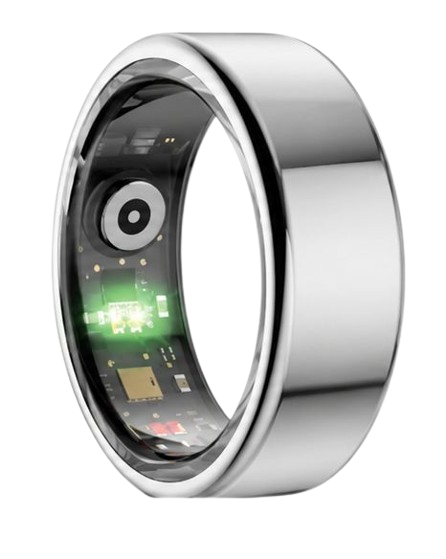
The Herz P1 Smart Ring is your ultimate companion to decode how daily habits like cannabis use impact your sleep.
By tracking your heart rate, HRV, and sleep stages, you can make informed choices to protect your recovery.
Ready to monitor your health every day? Explore the Herz P1 Smart Ring and see if it fits your lifestyle. Call: **1-866-479-1629** — our team can help you advise on the correct ring size and set personalized health goals.
