

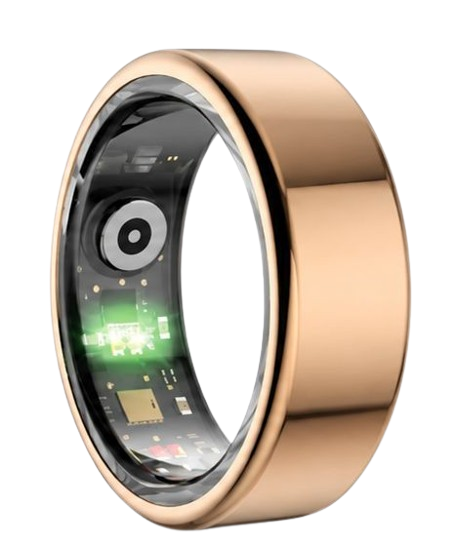
When preparing for childbirth, finding the most accurate labor predictor is a top priority for expectant parents. Team Herz P1 designed the Herz P1 Smart Ring to track continuous biometric data without intrusive chest straps. Clinical research shows that physiological shifts provide critical precursors to active labor. Our military-grade wearable helps you decode these subtle warnings comfortably.
Built to Last. Save Up to 69% Today.
The Herz P1 Smart Ring tracks HRV, Sleep, Heart Rate & SpO2 around the clock. No subscriptions. No renewals. Ever.
In This Article
- Physiological Signal Tracking: Discover how to map autonomic trends to identify pre-labor changes early.
- Autonomic Nervous System Shifts: Learn the science of cardiorespiratory variations near delivery.
- Breathing and Thermal Dynamics: Explore how skin temperature and breathing patterns reveal endocrine trends.
- Optimizing Late-Pregnancy Wellness: Master data-driven pacing and stress management techniques.
How to Track Physiological Signals to Identify Pre-Labor Windows: A Step-by-Step Guide
Prerequisites for Effective Tracking
Before you begin tracking your biological indicators, you will need a comfortable biometric ring and a paired mobile application.
You also need a basic understanding of your baseline health metrics prior to the start of your third trimester.
Ensure that your wearable device is fully charged to at least eighty percent before starting your nightly tracking sessions.
-
Step 1: Establish Your Baseline Biometric Parameters
You must monitor your resting physiological vitals for at least fourteen consecutive days during your late third trimester to establish a stable personal baseline.
This historical baseline serves as the clinical and technological foundation required to spot subtle biological anomalies that occur right before active labor begins.
Recording your physiological data during quiet resting periods ensures your daily dashboard remains free from daytime emotional stress, physical movement, and active digestion.
We recommend wearing your tracking device on your non-dominant index finger where blood perfusion is strongest to capture clean and noise-free cardiovascular signals.
This stable foundation allows you to confidently isolate true pre-labor biometric shifts from normal daily biological noise and standard hormonal fluctuations.
Consistent recording during this early phase ensures your digital health application has enough high-quality data points to calibrate its personalized trend algorithms.
Failing to establish this benchmark makes it difficult to distinguish sudden pre-labor shifts from your body’s typical gestational adaptation patterns.
-
Step 2: Monitor Daily Skin Temperature Shifts
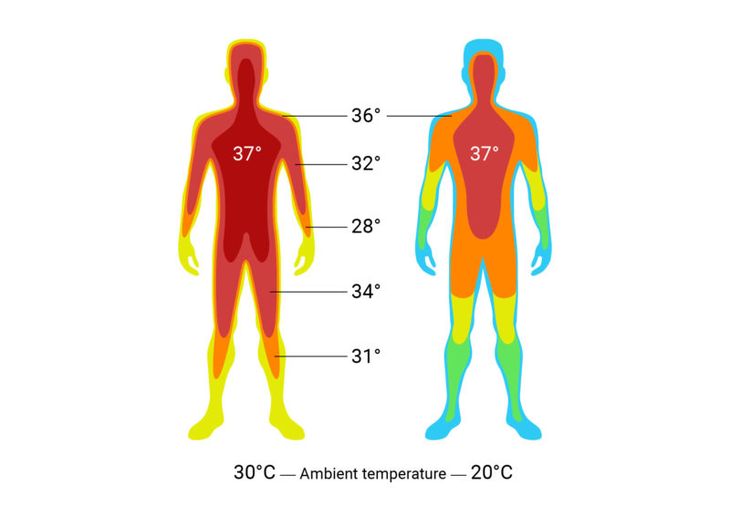
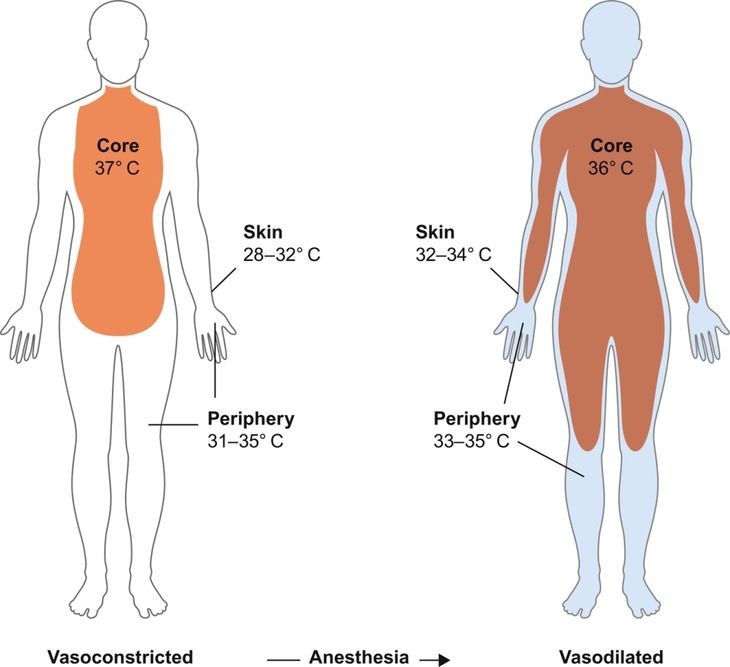
Monitoring your daily distal skin temperature is crucial because a sudden drop often precedes the hormonal shifts of labor onset.
Progesterone naturally elevates your body temperature during pregnancy, but this level decreases sharply as your delivery date approaches.
You should check your temperature readings first thing in the morning before getting out of bed to prevent environmental interference.
A consistent downward trend over forty-eight hours may indicate that your progesterone production is yielding to labor-inducing estrogen.
Tracking these thermal trends provides a natural window into endocrine changes that simple physical examinations might miss entirely.
We advise keeping a detailed log of these morning thermal readings alongside any physical sensations like light cramping.
Unexpected spikes in temperature should be discussed with your healthcare provider to rule out underlying maternal infections or dehydration.
Our sensor technology monitors these skin shifts automatically so you do not have to wake up early to use manual thermometers.
-
Step 3: Analyze Sleep Architecture Changes
Analyzing your sleep architecture reveals how your body is coping with the immense physiological stress of late-stage pregnancy.
A sudden decrease in deep sleep duration and an increase in nightly awakenings often signal systemic preparation for delivery.
Your body naturally enters a state of heightened arousal as your sympathetic nervous system prepares for active labor.
You should review your sleep metrics every morning to check your ratio of restorative sleep to light sleep phases.
A drop in your overall sleep efficiency score during the final days can indicate that hormonal changes are altering your sleep-wake cycles.
Observing these subtle disruptions helps you prepare mentally and physically for the impending physical challenges of giving birth.
Many expectant mothers notice a shift toward lighter sleep stages as their bodies begin secreting early contractile hormones.
Maintaining comfortable sleeping conditions during this final phase is vital to ensure you gather accurate sleep metric data.
-
Step 4: Track Respiratory Rate Trends
Tracking your daily breathing frequency is a highly sensitive way to monitor autonomic nervous system changes during late pregnancy.
A progressive elevation in your resting breathing rate can indicate rising metabolic demands as labor approaches.
You should evaluate your average nightly breaths per minute to get a clean reading free from voluntary breathing patterns.
A sustained increase above your third-trimester baseline often reflects the mechanical and hormonal shifts of the pre-labor phase.
Your respiratory center in the brain responds directly to shifting progesterone levels, making breath rates an excellent clinical indicator.
Comparing these respiratory metrics with your heart rate trends provides a complete picture of maternal cardiovascular adjustments.
Monitoring these values ensures that you remain fully aware of how your pulmonary system supports late-stage gestational changes.
This metabolic acceleration prepares your uterine muscles for the high-energy demands required during active delivery stages.
-
Step 5: Watch for Heart Rate Variability Drop
Watching for a significant drop in your heart rate variability is one of the most reliable autonomic indicators of labor preparation.
A lower variability reading indicates that your sympathetic nervous system is dominating to prepare your body for physical stress.
You must track your nightly average variability scores to see how your cardiovascular system recovers from daily physical strain.
A sharp decline over consecutive nights often signals that your body is redirecting its energy reserves toward uterine activation.
This shift helps you identify when your physical limits are being pushed by silent hormonal and structural preparations.
Understanding these cardiac metrics prevents you from overexerting yourself when your body requires rest before active labor begins.
We recommend cross-referencing your cardiac variability with your resting heart rate to confirm systemic readiness for delivery.
This dual metric tracking provides a clear picture of your physiological state during these critical final days.
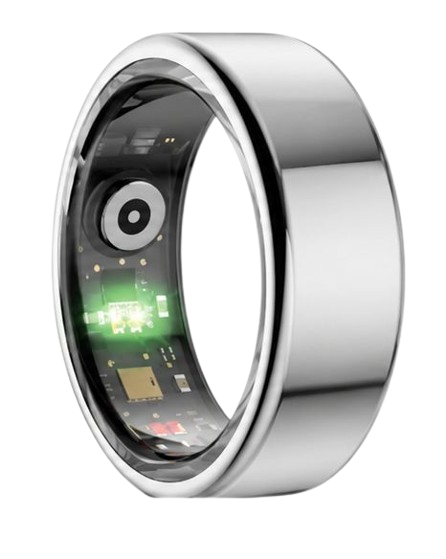
The Herz P1 Smart Ring supports this detailed tracking process effortlessly by monitoring your vitals in the background without any active input.
Our multispectral optical sensors gather high-resolution data around the clock, sending clear trends straight to your smartphone.
With its long battery life and lightweight design, you can easily track every physiological step toward labor.
To start monitoring your unique biometric signals today, check out the Herz P1 Smart Ring.
90-Day 100% Money-Back Guarantee
“The Herz Smart Ring helps me manage stress easily. It’s accurate, stylish, and lightweight—perfect for my busy life!”
— Jennifer P. | ✔ Verified Customer
- ✓ 6-Day Battery Life
- ✓ Detailed Sleep Analysis
- ✓ Fast 1-Hour Charging
- ✓ iOS & Android Ready
Questions? Call: 1-866-479-1629
The Science of Gestational Tracking: Demystifying Autonomic Nervous System Shifts
Scientific research demonstrates that your autonomic nervous system undergoes major adaptations during the final stages of gestation.
The transition toward labor is characterized by a shift from parasympathetic dominance to sympathetic dominance.
This biological shift manifests clearly as a state of low hrv pregnancy in the days leading up to delivery.
Tracking these subtle changes gives parents crucial pregnancy insights that help them anticipate the arrival of active labor.
Medical literature notes that resting heart rates typically rise as maternal blood volume peaks to support the placenta.
However, a sudden stabilization or downward trend in resting heart rate can sometimes indicate that delivery is near.
Continuous monitoring of blood oxygen saturation during sleep ensures that your cardiovascular system remains fully oxygenated under stress.
These biometric insights empower parents to make data-informed decisions alongside their healthcare providers.
Our team at Herz P1 is dedicated to providing high-fidelity tracking that captures these fleeting physiological signals accurately.
Understanding these autonomic trends takes the mystery out of late-stage physical symptoms and reduces maternal anxiety.
By monitoring cardiovascular dynamics, you gain a clear picture of how your body manages late-stage physical strain.
This objective data helps you prepare for the active labor process with greater confidence and peace of mind.
Clinical studies from reputable health organizations support using continuous biometric wearables to track gestational progress.
These devices offer a non-invasive way to observe maternal physiological responses during this life-changing transition.
Body Temperature and Breathing Dynamics Near Term

Understanding how your body regulates heat and oxygen near the end of your term is essential for identifying labor signs.
Many expectant mothers experience a notable body temperature increase pregnancy during their first two trimesters.
This elevated thermal state is primarily driven by high levels of progesterone circulating through the bloodstream.
As you approach your delivery date, these hormone levels begin to drop, causing your skin temperature to decline.
Alongside thermal changes, many women ask, does respiratory rate increase in pregnancy as their baby grows larger?
The answer is yes, because the expanding uterus limits the downward movement of the diaphragm.
This mechanical restriction forces your lungs to compensate by increasing breathing frequency slightly during resting periods.
A sudden, unexplained rise in baseline respiratory rate near term can signal the onset of pre-labor metabolic shifts.
Monitoring these combined breathing and thermal metrics provides a comprehensive view of maternal biological status.
Our multispectral optical sensors track these minute respiratory and temperature variations with outstanding precision.
This constant stream of health data helps you visualize your body’s preparation for childbirth in real time.
Having access to these precise metrics enables you to engage in proactive discussions with your medical team.
By observing these patterns daily, you can identify the exact moment your body transitions into active preparation mode.
This knowledge allows you to plan your final gestational weeks with reduced stress and greater maternal awareness.
Tracking these biological markers ensures that no sudden physiological change goes unnoticed during this critical window.
Optimizing Your Daily Routine with Gestational Biometric Monitoring
Using your daily biometric data effectively can dramatically improve your comfort during the final weeks of pregnancy.
When your health application indicates high physiological strain, prioritizing rest becomes your most valuable strategy.
Integrating structured napping during pregnancy helps restore autonomic balance and supports fetal development.
Understanding the primary pregnancy fatigue causes allows you to manage your energy reserves more effectively.
These fatigue triggers often combine physical weight changes, hormonal shifts, and reduced sleep quality.
To support relaxation during high-stress periods, we recommend consuming pregnancy safe hot drinks like chamomile tea.
These warm beverages help soothe your nervous system and promote deeper sleep cycles before bed.
Our smart ring tracks how your body responds to these soothing evening routines in real time.
Observing a subsequent rise in your nightly sleep score confirms that your relaxation techniques are working.
This direct feedback loop encourages you to maintain healthy lifestyle habits throughout your third trimester.
You can adjust your daily activity levels based on your morning recovery score to avoid physical exhaustion.
This proactive approach ensures that your body retains maximum energy for the upcoming delivery process.
Staying hydrated and practicing gentle prenatal yoga can also help stabilize your autonomic metrics.
Always consult your obstetrician before starting any new exercise routine during late-stage pregnancy.
By blending lifestyle adjustments with precise biometric insights, you create a supportive environment for your baby.
Avoiding Common Pregnancy Tracking Pitfalls
Many expectant parents make the mistake of wearing bulky, uncomfortable smartwatches to bed during late pregnancy.
These large devices often disrupt sleep quality and fail to maintain consistent skin contact for accurate readings.
A smart ring offers a lightweight and seamless alternative that tracks metrics without causing overnight discomfort.
Another major pitfall is falling into the trap of expensive monthly application subscriptions.
Many wearable brands lock your personal health data behind paywalls that require ongoing financial commitments.
We believe that you should never have to pay to access your own physiological insights.
The companion application for our wearable is completely free for life with no hidden charges.
It is also a mistake to panic over single biometric spikes without looking at long-term weekly trends.
Your body naturally undergoes minor daily fluctuations that do not indicate immediate health concerns.
Focusing on consistent averages over several days provides a much more accurate picture of pre-labor signs.
Always ensure your device fits snugly on your finger to prevent motion artifacts from corrupting your data.
Proper ring sizing is the most critical factor in securing clinical-grade biometric accuracy at home.
Avoiding these common errors ensures that your digital health journey remains stress-free and highly informative.
By choosing a subscription-free ring, you protect both your personal wellness data and your family budget.
Our dedicated support team is always available to help you navigate your biometric tracking journey smoothly.
Frequently Asked Questions About Pregnancy Biometrics
Is the Herz P1 Smart Ring waterproof?
Yes, our tracking ring features a robust IP68 waterproof rating.
This certification means the device is fully protected against dust and water immersion up to fifty meters deep.
You can safely wear it while washing your hands, showering, swimming, or taking relaxing warm baths.
The military-grade steel construction ensures that water exposure will not damage the sensitive optical sensors inside.
This allows you to maintain continuous biometric monitoring without worrying about removing the device throughout the day.
How long does the battery last on a single charge?
The battery is engineered to last up to six days of continuous twenty-four-seven monitoring.
This extended battery life reduces the hassle of daily charging required by most smartwatches.
When the battery runs low, the device charges fully in under one hour using the included magnetic dock.
We recommend charging the ring during short periods of inactivity, such as while washing dishes.
This simple habit ensures that you never miss a critical night of sleep tracking or vital sign monitoring.
Which finger is best to wear the smart ring on?
We recommend wearing the tracking ring on your index, middle, or ring finger for maximum sensor accuracy.
The index finger of your non-dominant hand typically offers the strongest blood flow for optical readings.
Ensure that the inner sensor bumps rest securely against the palm side of your finger.
A snug fit prevents the device from rotating and losing contact with your skin during sleep.
You can use our free sizing kit to find the perfect fit before finalizing your ring size.
Does the smart ring store biological data offline?
Yes, the device features seven days of onboard local data storage.
This means your vital signs are recorded continuously even if your smartphone is disconnected from Bluetooth.
Once you open the companion application, your saved metrics will sync automatically to your dashboard.
This local backup ensures that your long-term biometric trends remain unbroken and highly reliable.
You can travel or sleep without your phone nearby while still capturing complete health insights.
Conclusion: Your Subscription-Free Wellness Journey Starts Here
Monitoring physiological trends is a powerful way to identify critical changes as your delivery date approaches.
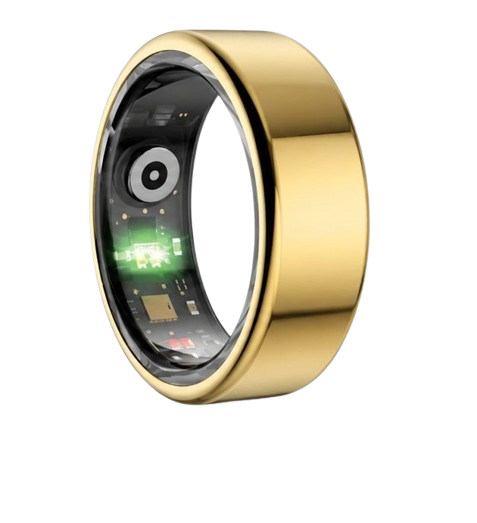
The Herz P1 Smart Ring offers a reliable, comfortable, and subscription-free solution to track your unique gestational journey.
Ready to monitor your health every day? Explore the Herz P1 Smart Ring and see if it fits your lifestyle. Call: 1-866-479-1629 — our team can help you advise on the correct ring size and set personalized health goals.
