

A sudden or sustained body temperature increase pregnancy event is one of the very first physiological signals your body uses to announce a new life, acting as a natural indicator of complex metabolic and hormonal adjustments. Managing these subtle thermal shifts requires a precise, reliable tracking tool like the Herz P1, which monitors your thermal and cardiovascular variations around the clock without complex setup or hidden subscription costs. By observing daily trends, you can easily identify what is normal for your changing body and notice deviations that warrant medical consultation.
Built to Last. Save Up to 69% Today.
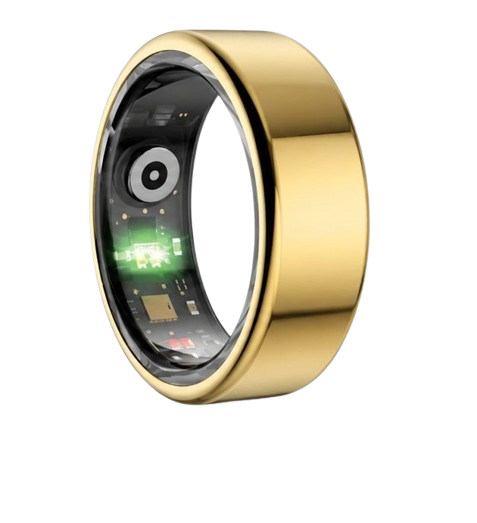
The Herz P1 Smart Ring tracks HRV, Sleep, Heart Rate & SpO2 around the clock. No subscriptions. No renewals. Ever.
In This Article
- Step-by-Step Tracking Guide: Learn exactly how to monitor thermal shifts throughout your pregnancy.
- Hormonal and Vascular Triggers: Understand the science behind why pregnant skin temperature rises.
- Basal Body Temperature Analysis: Deconstruct the metabolic adjustments during each trimester.
- Biometric Application: How to utilize smart ring data to support physical comfort and restful sleep.
How to Track Your Body Temperature Variations During Pregnancy: A Step-by-Step Guide

Monitoring thermal shifts during pregnancy requires precision, patience, and the correct biological context.
Hormonal surges alter your baseline thermal values almost immediately after conception.
To build an accurate personal dataset, you will need a consistent tracking method and a basic understanding of your daily biometrics.
This detailed guide outlines the vital actions required to master maternal temperature tracking.
-
Step 1: Establish Your baseline Pre-Pregnancy or Early-Pregnancy Temperature
You must determine your typical baseline thermal range before interpreting pregnancy-induced elevations.
An average adult baseline fluctuates between 97.0°F and 99.0°F depending on environmental factors.
Track your temperature continuously for at least two weeks to identify your unique daily rhythms.
Keep written notes of any external variables like room climate or sleep disturbances that might skew your data.
This foundational phase ensures you do not mistake normal thermal fluctuations for health anomalies.
-
Step 2: Choose a Highly Consistent Measurement Device
A reliable tracking protocol relies entirely on the accuracy and consistency of your chosen device.
Standard oral thermometers can yield erratic readings if you breathe through your mouth or drink fluids before testing.
Consider utilizing a continuous biometric wearable that samples skin temperature throughout your sleep cycle.
Continuous tracking filters out environmental noise to expose genuine physiological trends.
Ensure your device measures to at least one-tenth of a degree for optimal precision.
-
Step 3: Record Measurements Immediately Upon Waking
Your body temperature changes rapidly once you sit up, talk, or walk around the room.
You must capture your basal or resting state before any metabolic activity generates muscular heat.
If using a manual thermometer, take the reading before stepping out of bed each morning.
If utilizing an automated smart ring, sync the device immediately after waking to review your overnight average.
Strict adherence to this morning routine prevents inaccurate spikes caused by physical exertion.
-
Step 4: Map Temperature Trends Against Hormonal Phases
Your body temperature naturally rises following ovulation due to increased progesterone secretion.
If conception occurs, this progesterone surge persists, keeping your temperature elevated throughout the first trimester.
Document these changes in a dedicated tracking application or physical journal alongside other symptoms.
Watch for a sustained plateau of elevated readings lasting longer than eighteen days.
This physiological plateau is one of the earliest biological indicators of successful implantation.
-
Step 5: Recognize Anomalies and Environmental Triggers
Not every thermal spike indicates a hormonal milestone or a maternal health issue.
Dehydration, poor ventilation, and late-night meals can cause temporary, non-hormonally driven temperature increases.
Cross-reference any unusual reading with your daily lifestyle choices, stress levels, and ambient room conditions.
If a temperature spike is accompanied by chills, joint pain, or localized discomfort, seek clinical guidance.
Learning to isolate environmental noise helps you understand genuine metabolic changes during pregnancy.
Implementing a daily tracking regimen is simple and stress-free when supported by advanced biometric technology.
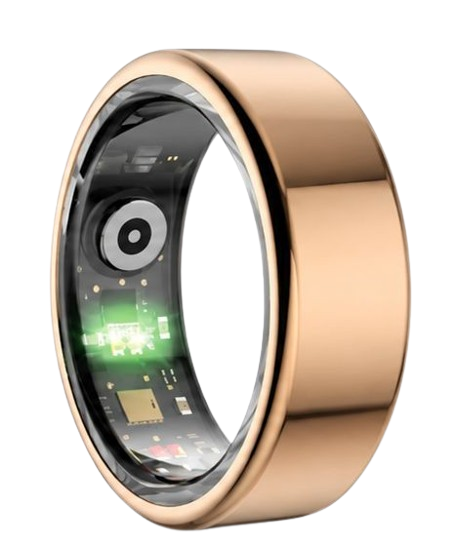
The Herz P1 Smart Ring removes the friction of manual tracking by monitoring your skin temperature automatically throughout the night.
By analyzing continuous overnight trends rather than a single static morning point, it provides an accurate, stress-free overview of your maternal wellness journey with zero monthly fees.
90-Day 100% Money-Back Guarantee
“The Herz Smart Ring helps me manage stress easily. It’s accurate, stylish, and lightweight—perfect for my busy life!”
— Jennifer P. | ✔ Verified Customer
- ✓ 6-Day Battery Life
- ✓ Detailed Sleep Analysis
- ✓ Fast 1-Hour Charging
- ✓ iOS & Android Ready
Questions? Call: 1-866-479-1629
Why Pregnant Skin Temperature Rises: Analyzing Hormonal and Vascular Triggers

Many expectant mothers wonder, does your temp increase when pregnant, and the short physiological answer is yes.
This thermogenic shift stems primarily from the massive endocrine changes that occur during early gestational development.
Progesterone, a key hormone synthesized by the corpus luteum and later by the placenta, acts directly on the preoptic area of your hypothalamus.
The hypothalamus serves as your body’s internal thermostat, regulating sweat production, heat conservation, and vascular expansion.
Under the influence of progesterone, your internal thermal set-point increases by roughly 0.5°F to 1.2°F above your pre-ovulatory baseline.
This elevated thermal state supports cellular growth and enzymatic activity vital for fetal safety.
In addition to direct hormonal triggers, rapid changes in your vascular network cause noticeable skin temperature elevations.
Maternal blood volume expands by up to fifty percent during the first two trimesters to sustain the growing placenta.
To manage this increased fluid volume, blood vessels dilate, bringing warm blood closer to the surface of your skin.
This peripheral vasodilation is particularly prominent in your extremities, including your hands, fingers, and feet.
While your core temperature remains closely regulated, these vascular adjustments explain why your skin often feels noticeably warmer to the touch.
These changes do not occur in isolation but are linked with other autonomic adaptations.
For instance, you might notice that your baseline breathing pattern shifts, prompting questions like does respiratory rate increase in pregnancy, which is another common maternal adjustment.
Your body works harder to transport oxygen and remove metabolic waste, increasing the overall work your cardiorespiratory system performs.
This elevated physical strain can sometimes correlate with a low hrv pregnancy profile, signifying that your autonomic nervous system is prioritizing gestational support over recovery.
Understanding these complex vascular connections helps demystify the physical exhaustion and metabolic demands you feel daily.
By monitoring these overlapping markers, you gain an integrated view of how your cardiovascular and thermal systems collaborate to support your pregnancy.
Understanding Basal Body Temperature During Pregnancy: The Thermal Timeline
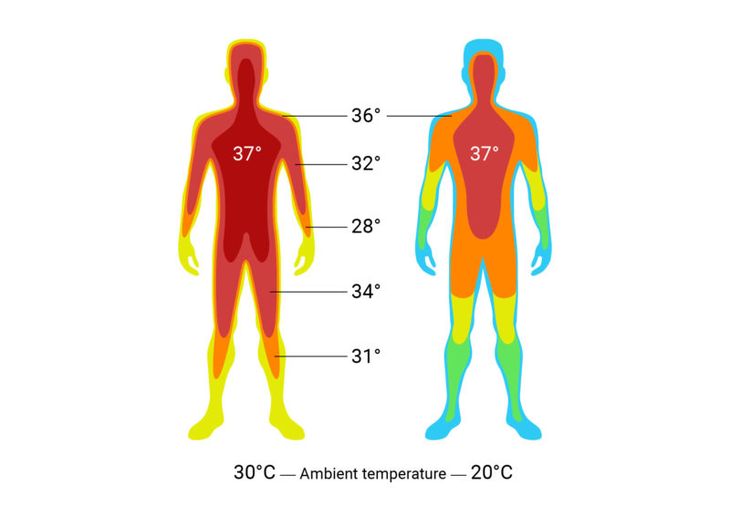
Tracking basal body temperature during pregnancy offers a detailed look at your endocrine health across all three trimesters.
During the first twelve weeks, your progesterone levels remain at a sustained high, keeping your basal temperature elevated.
This thermal plateau is vital, as any sharp, unexplained drop in temperature during early pregnancy should be evaluated by a healthcare professional.
As you enter the second trimester, the placenta takes over hormone production from the corpus luteum.
At this point, your basal body temperature may gradually decline slightly, settling into a stable mid-pregnancy baseline.
Recognizing this normal secondary shift prevents unnecessary anxiety over minor temperature changes.
This continuous metabolic workload explains why many mothers experience unexplained exhaustion.
Investigating the root pregnancy fatigue causes reveals that your body uses immense energy to regulate blood volume and maintain a higher metabolic rate.
To combat this fatigue, you should prioritize sleep hygiene and structure your rest periods mindfully.
Integrating scheduled napping during pregnancy can help restore energy reserves and lower elevated daytime stress levels.
Maintaining thermal comfort during these rest periods is essential, so consider relaxing with warm, pregnancy safe hot drinks like caffeine-free herbal teas in a well-ventilated room.
Managing environmental factors helps prevent sleep disruptions caused by nighttime hot flashes.
As you approach your third trimester, tracking temperature trends can yield valuable hints about late-stage physical prep.
While thermal variations alone cannot pin down a delivery date, utilizing a most accurate labor predictor strategy involves monitoring multiple biometric markers together.
By cross-referencing temperature trends with resting heart rate and respiratory changes, you get a clearer picture of your body’s preparation for labor.
This comprehensive approach to tracking body metrics provides peace of mind as your delivery day approaches.
How to Apply Thermal Data to Optimize Your Pregnancy Wellness
Biometric tracking should always serve as a practical tool to help improve your daily physical comfort.
When you notice your skin temperature rising, you can adjust your immediate environment to prevent heat exhaustion.
Set your bedroom thermostat between 65°F and 68°F to facilitate natural overnight cooling.
Choose breathable cotton bedding and wear loose, moisture-wicking clothing to sleep.
Staying properly hydrated by drinking water throughout the day helps your body release excess metabolic heat through your skin.
These simple adjustments can significantly improve your sleep quality and ease daytime physical fatigue.
Using the Herz P1 Smart Ring companion application allows you to monitor these thermal trends effortlessly.
The app translates raw sensory data into clear, intuitive charts that display your daily temperature deviations from baseline.
If the ring detects a significant deviation, you can check your hydration levels, assess your sleep environment, or modify your physical activity for the day.
This continuous feedback helps you make proactive adjustments before physical discomfort or exhaustion set in.
The ring’s lightweight, non-intrusive design ensures comfortable 24/7 wear, providing accurate maternal data without disrupting your routine.
Navigating the Common Pitfalls of Maternal Biometric Tracking
A common mistake among expectant mothers is wearing bulky, uncomfortable smartwatches to bed.
Heavy wristbands can irritate sensitive skin, shift during sleep, and produce inaccurate sensor readings.
The resulting physical discomfort can disrupt your deep sleep cycles and trigger unnecessary stress spikes.
Additionally, many wearable brands charge expensive monthly subscription fees to access your health data.
These recurring costs can add financial worry to an already challenging transition period.
Choosing a streamlined, subscription-free alternative keeps your health journey simple and cost-effective.
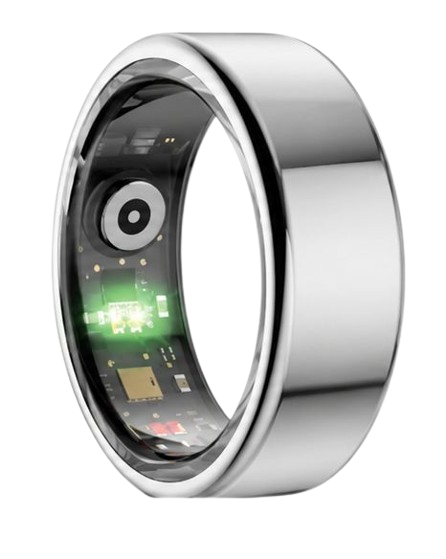
The Herz P1 Smart Ring resolves these common tracking frustrations.
Crafted from military-grade steel, it is exceptionally lightweight and designed to fit comfortably on your finger all night.
Its advanced multispectral sensors maintain continuous skin contact, delivering highly accurate readings regardless of sleep movement.
Importantly, the Herz P1 companion app is completely free for life, with no paywalls or hidden costs.
This ensures you have unrestricted, lifetime access to your sleep and temperature trends without ongoing financial commitments.
Frequently Asked Questions About Smart Rings
Is the Herz P1 waterproof?
Yes, the Herz P1 Smart Ring features a robust IP68 waterproof rating.
This standard ensures the device is fully protected against dust ingress and can withstand continuous immersion in water up to 164 feet.
You can confidently wear the ring while washing your hands, showering, swimming, or doing water-based household chores without worrying about water damage.
How long does the battery last?
The Herz P1 is equipped with a highly efficient battery that lasts up to 6 days on a single charge.
This long-lasting battery life minimizes the hassle of frequent charging and ensures continuous overnight sleep tracking.
When the battery runs low, the ring charges fully in under 1 hour using the included magnetic charging dock.
Which finger is best to wear it on?
For the highest biometric accuracy, we recommend wearing the Herz P1 on your index, middle, or ring finger.
These fingers contain larger, more accessible blood vessels close to the skin surface, which helps the optical sensors capture clear heart rate and temperature data.
Ensure the ring fits snugly but comfortably, without rotating excessively or constricting your finger.
Does it store data offline?
Yes, the Herz P1 features convenient onboard offline data storage.
The ring can safely store up to 7 days of detailed biometric data locally on the device if it is disconnected from your phone.
Once you re-establish the Bluetooth connection, all stored logs sync automatically to your companion app without any data loss.
Conclusion
Understanding your body temperature fluctuations during pregnancy helps you support your changing physical needs and optimize daily rest.
By tracking these shifts with a reliable tool, you can make informed lifestyle adjustments with confidence.
The Herz P1 serves as an excellent companion, offering accurate, subscription-free health tracking to support your maternal journey.
Ready to monitor your health every day? Explore the Herz P1 Smart Ring and see if it fits your lifestyle. Call: 1-866-479-1629 — our team can help you advise on the correct ring size and set personalized health goals.
