

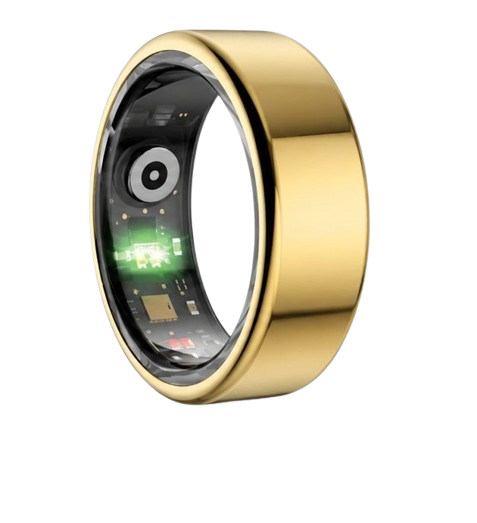
As your body undergoes monumental adaptations to support new life, tracking heart rate variability can offer profound clues about your physical coping mechanisms. Experiencing a low hrv pregnancy is a highly common physical occurrence, yet managing this cardiovascular transition requires precise, data-driven personal care. Team Herz P1 designed the ultra-comfortable, military-grade Herz P1 Smart Ring to help you decode these vital autonomic nervous system signals without bulky screens or costly monthly fees. In this comprehensive guide, we will unpack exactly why your heart rate variability changes during gestation and outline natural strategies to safely elevate your daily recovery.
Built to Last. Save Up to 69% Today.
The Herz P1 Smart Ring tracks HRV, Sleep, Heart Rate & SpO2 around the clock. No subscriptions. No renewals. Ever.
In This Article
- How to Optimize Recovery: A practical step-by-step biological roadmap for managing gestational physical stress.
- The Science of Maternal HRV: A deep physiological look into the heart rate and respiratory adaptations of pregnancy.
- Parasympathetic Support: Actionable strategies to safely encourage relaxation and rest.
- Smart Biometric Tracking: Making the most of screen-free smart ring technology to protect maternal health.
How to Manage Low HRV During Pregnancy: A Step-by-Step Biometric Guide
Managing your autonomic nervous system during gestation requires a deliberate approach to balancing physical stressors.
Before beginning this guide, ensure you have a comfortable, high-precision wearable tracking device, access to clean drinking water, and the approval of your obstetric care provider.
-
Step 1: Dedicate Time to Resonant Breathing
Set aside ten minutes every morning and evening in a quiet, comfortable space.
Inhale deeply through your nose for a slow count of four, then exhale smoothly through your mouth for a count of six.
This extended exhalation directly stimulates your vagus nerve to help lower your average resting heart rate.
By prioritizing this practice, you can actively buffer your body against the intense sympathetic demands of tissue growth.
-
Step 2: Address the Root Sources of Gestational Exhaustion
Growing a new life is highly taxing, and exploring the diverse pregnancy fatigue causes can help you feel more validated in your exhaustion.
Ensure your sleeping quarters remain completely dark and cooled to approximately sixty-five degrees Fahrenheit.
Incorporate brief, restorative periods of napping during pregnancy to give your hard-working cardiovascular system a chance to rest during demanding afternoons.
Protecting these rest windows allows your parasympathetic nervous system to rebuild baseline resilience.
-
Step 3: Refine Your Daily Hydration and Nutrients
Your circulating blood volume increases substantially during pregnancy, requiring constant fluid replenishment.
Avoid heavily sweetened juices and opt instead for warm, comforting pregnancy safe hot drinks like chamomile or ginger tea in the evenings.
If you find yourself needing a gentle morning boost, swap out high-potency energy drinks for balanced pregnancy safe caffeine drinks within recommended maternal limits.
Sufficient electrolyte intake supports stable cardiac rhythms and helps counter standard drops in heart rate variability.
-
Step 4: Engage in Low-Impact Autonomic Exercise
Prioritize regular, gentle physical movements such as prenatal yoga, light swimming, or structured walking.
Avoid high-intensity aerobic training that forces your heart rate into excessive sympathetic zones.
Gentle physical movement helps encourage healthy blood circulation without overwhelming your physical systems.
Always listen closely to your physical feedback and stop resting immediately if you feel dizzy or overly fatigued.
-
Step 5: Monitor Long-Term Physiological Trends
Consistently look at your health data over several weeks rather than panicking over minor daily fluctuations.
By collecting these continuous pregnancy insights, you can learn exactly how your body responds to daily challenges.
Share these objective biometric trends with your midwife or obstetrician during your standard checkups.
Using technology to capture these changes helps you make highly informed adjustments to your daily physical routine.
The Herz P1 Smart Ring serves as an exceptional companion for this gentle biological journey.
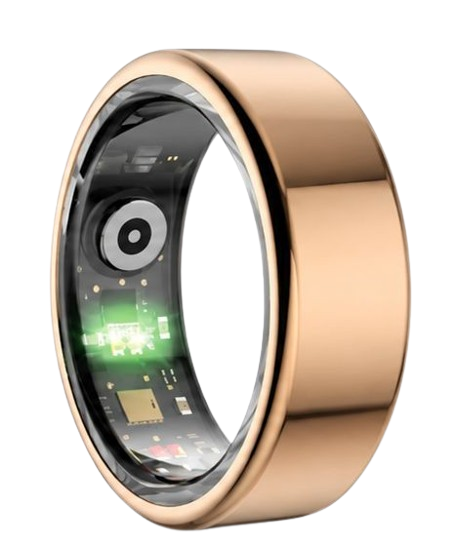
It tracks your heart rate, sleep architecture, and daily stress index directly from your finger with military-grade steel durability.
Because our tracking app requires no monthly subscription fees, you gain lifetime access to vital biometric tracking without any ongoing stress or financial drain.
90-Day 100% Money-Back Guarantee
“The Herz Smart Ring helps me manage stress easily. It’s accurate, stylish, and lightweight—perfect for my busy life!”
— Jennifer P. | ✔ Verified Customer
- ✓ 6-Day Battery Life
- ✓ Detailed Sleep Analysis
- ✓ Fast 1-Hour Charging
- ✓ iOS & Android Ready
Questions? Call: 1-866-479-1629
The Cardiovascular Physiology of Pregnancy: Why Your Maternal HRV Drops
Understanding the dramatic physical shifts of pregnancy is essential for every expecting mother.
During gestation, your total circulating blood volume increases by nearly fifty percent to support fetal growth.
This immense circulatory expansion forces your heart to work substantially harder to pump blood.
Naturally, your resting heart rate increases to meet these intense metabolic demands.
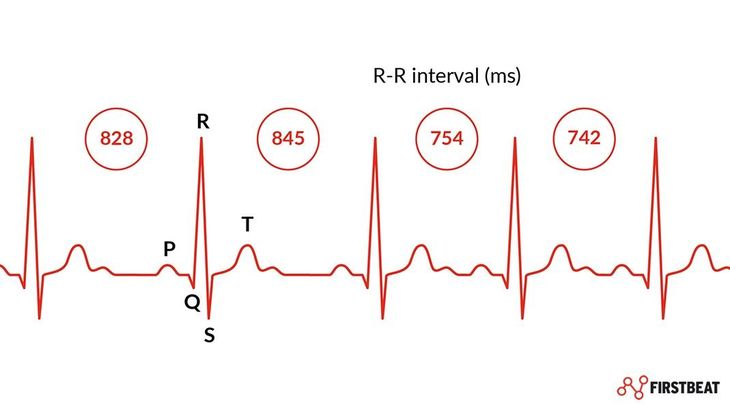
As resting heart rate rises, the physical time interval between consecutive beats becomes highly uniform.
This physiological phenomenon explains why many expecting mothers observe that their heart rate variability while pregnant declines significantly.
In addition to blood volume shifts, you might wonder: does respiratory rate increase in pregnancy?
Indeed, your body undergoes cardiorespiratory adaptations that naturally elevate your baseline breathing rate.
These breathing changes alter the natural rhythmic feedback loops of your cardiac system.
Furthermore, a distinct body temperature increase pregnancy phase occurs due to elevated progesterone levels.
This persistent rise in resting skin temperature acts as a gentle but constant stressor on your autonomic system.
Together, these physiological changes explain why sudden maternal hrv drops are entirely normal biological occurrences.
Your autonomic nervous system is simply redirecting its energy to prioritize fetal development over standard self-regulation.
By recognizing these natural trends, you can avoid unnecessary anxiety and focus on proactive physical recovery.
According to clinical studies by the American Heart Association, the autonomic nervous system shifts toward sympathetic dominance during the first trimester.
This persistent fight-or-flight bias helps orchestrate critical early tissue development.
However, it simultaneously dampens your parasympathetic rest-and-digest response.
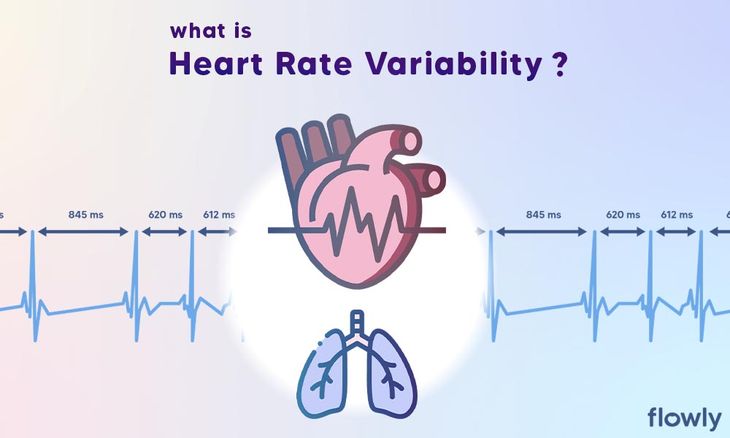
The reduction in heart rate variability is a direct, measurable reflection of this parasympathetic decline.
Continuous biometric tracking makes it possible to visualize this adaptation week by week.
Autonomic Balancing and Parasympathetic Support: Enhancing Maternal Wellness
Restoring autonomic balance during pregnancy is not about forcing your HRV score to rise artificially.
Instead, it focuses on cushioning your nervous system from additional external stressors.
Your body is already operating at a high baseline metabolic level due to the immense task of gestating a human life.
Adding emotional anxiety, work fatigue, or poor sleep on top of this physical load can rapidly deplete your reserves.
To support your nervous system, you must actively schedule periods of deep, restorative parasympathetic engagement.
This can include structured meditation, warm foot baths, or gentle prenatal massage therapy.
Tracking these biological adaptations also provides valuable clues as you approach your final weeks of gestation.
Many expecting parents search for the most accurate labor predictor to prepare for the big day.
Interestingly, some clinical research suggests that a sharp, sudden shift in autonomic tone can signal the final physical preparation for birth.
Monitoring your overnight heart rate variability can help you detect these subtle, late-pregnancy hormonal transitions.
While HRV alone cannot predict exact labor timing, tracking its trends provides excellent context regarding your readiness for delivery.
The goal is to maintain a resilient parasympathetic pathway that can quickly recover after periods of intense physical exertion.
By prioritizing daily stress management, you help foster a calmer biological environment for both yourself and your child.
Remember that physical recovery is a long-term journey that continues long after your baby arrives.
A reliable health tracker helps make these invisible physiological changes completely visible and easy to manage.
Using the Herz P1 Smart Ring to Track and Optimize Maternal Recovery
Applying biometric data to your daily life is incredibly straightforward with the right tools.
When you wear the lightweight Herz P1 Smart Ring, it automatically monitors your vital signs every five minutes.
When you wake up, open the companion app to view your consolidated overnight sleep and recovery metrics.
If your HRV score is exceptionally low, consider adjusting your schedule to incorporate lighter activities.
Alternatively, if your recovery scores are high, you can confidently proceed with moderate-intensity walking or light prenatal exercises.
This daily biofeedback ensures you never push your body beyond its current physiological limits.
Because the ring is crafted from military-grade steel, you can wear it continuously during all household chores and hand-washings.
Its sleek, screen-free design ensures you are not constantly distracted by flashing notifications or bright displays.
This design choice promotes a peaceful, low-stress environment that is ideal for expecting mothers.
By leveraging these continuous insights, you can take control of your wellness journey with absolute confidence.
| HRV Trend Status | Physiological Indication | Recommended Action Plan |
|---|---|---|
| Elevated or Stable | Strong autonomic balance; body is adapting well to gestational demands. | Maintain current activity levels; enjoy moderate daily walking and normal routines. |
| Moderate Decline | Standard physiological response to growing blood volume and tissue growth. | Incorporate short breathing exercises; prioritize consistent nightly bedtime schedules. |
| Severe or Sharp Drop | High physical strain, impending fatigue, or potential onset of viral stress. | Cancel strenuous tasks; schedule a quiet nap; maximize hydration and gentle recovery. |
Avoiding Common Pitfalls in Gestational Biometric Tracking

Many expecting mothers make the mistake of wearing a bulky, heavy smartwatch to monitor sleep.
Bulky wrist-worn devices can easily press against sensitive skin and cause discomfort during overnight rest.
Furthermore, smartwatches often require daily charging, leading to frequent gaps in critical night tracking.
This daily charge cycle is highly inconvenient, especially when managing the fatigue of late pregnancy.
Another major pitfall is purchasing a tracking device that forces you into a monthly app subscription.
Over time, these hidden fees can compound your financial stress during an already expensive transition in life.
The Herz P1 App is completely free for lifetime, ensuring you never face unexpected subscription bills.
Additionally, some users obsess over absolute daily numbers rather than focusing on broad multi-week trends.
Remember that minor fluctuations in heart rate variability are a natural part of daily life.
Focusing on the general direction of your recovery trend is much more valuable than worrying about a single low score.
Always prioritize your subjective physical feelings over whatever data appears on your phone screen.
If you feel great but your ring shows a slightly lower score, trust your body’s wisdom first.
Frequently Asked Questions About Pregnancy and HRV Tracking
Yes, the Herz P1 features an advanced IP68 waterproof rating that is built to withstand submersion up to 50 meters or 164 feet.
This military-grade construction allows you to wear the ring safely while showering, washing dishes, swimming, or soaking in the bath.
You never have to remove the device during daily tasks, ensuring continuous and uninterrupted health tracking.
The high-performance battery is designed to last up to 6 full days under normal continuous use.
When the battery is depleted, the ring charges fully in under 1 hour using our fast-charging magnetic cradle.
This long battery life eliminates daily charging anxiety, making it perfect for busy lifestyles.
For the highest level of biometric sensor accuracy, we recommend wearing the ring on your index finger.
The middle and ring fingers are also highly effective alternative choices if they provide a more comfortable fit.
Ensure the inner sensor pads are facing the palm side of your hand to maintain consistent contact with your skin.
Yes, the ring features internal memory that can safely store up to 7 days of biological data offline.
If your phone is in airplane mode or away from you, the ring will continue to track your metrics silently.
Once your ring reconnects to the app via Bluetooth, all saved metrics will sync automatically and seamlessly.
No, a drop in heart rate variability is a standard, expected physiological response to gestational adaptations.
As your circulatory system expands to nurture your baby, your resting heart rate naturally elevates.
This process reduces the variation between heartbeats, which is reflected as a lower HRV score on your dashboard.
Instead of worrying about specific numbers, focus on maintaining healthy lifestyle patterns and checking in with your doctor.
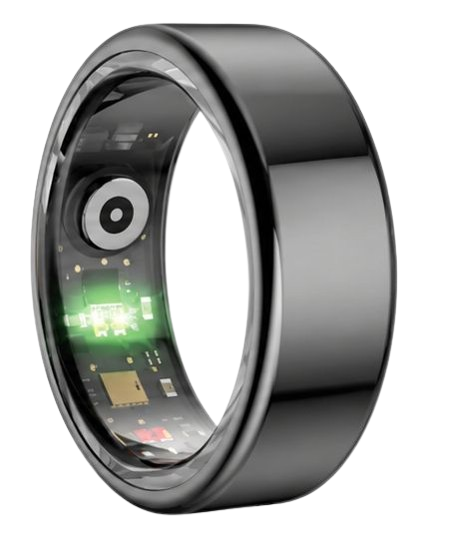
Tracking autonomic health during pregnancy should be simple, intuitive, and stress-free.
The Herz P1 Smart Ring serves as your permanent, subscription-free biological companion.
Ready to monitor your health every day?
Explore the Herz P1 Smart Ring and see if it fits your lifestyle.
Call: 1-866-479-1629 — our team will help you find your size.
