

Clinical studies show that maternal cardiorespiratory metrics shift dramatically from the first trimester, raising the question: does respiratory rate increase in pregnancy? While many expectant mothers experience subjective breathlessness due to a 40% increase in tidal volume driven by progesterone, clinical data from the American Journal of Obstetrics and Gynecology indicates that the actual resting respiratory rate typically remains stable or increases only minimally by 1 to 2 breaths per minute. Monitoring these subtle cardiorespiratory shifts is now simpler than ever with the medical-grade optical sensors of the Herz P1 smart ring.
Built to Last. Save Up to 69% Today.
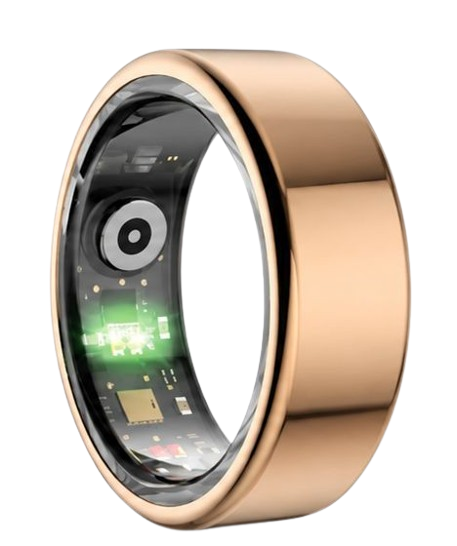
The Herz P1 Smart Ring tracks HRV, Sleep, Heart Rate & SpO2 around the clock. No subscriptions. No renewals. Ever.
In This Article
- Discover the scientific truth behind maternal respiration and normal resting breathing rates.
- Understand the profound role of hormonal shifts and anatomical changes during gestation.
- Learn how tracking your nocturnal breathing patterns provides critical daily health insights.
- Identify common tracking mistakes and find out how to read biometric ring data accurately.
Does Respiratory Rate Increase in Pregnancy? Here’s What the Science Says

Every expectant mother wants to understand the incredible transformations taking place inside her body.
One common question that arises is: does respiratory rate increase in pregnancy?
According to the American College of Obstetricians and Gynecologists, the actual resting respiratory rate does not significantly change for most healthy women.
Your baseline resting breathing rate typically remains stable throughout all three trimesters.
It usually stays within the normal adult range of 12 to 20 breaths per minute.
However, the subjective sensation of breathing undergoes major adaptations.
Many women report feeling a distinct sensation of breathlessness, even when resting.
This is often referred to clinically as the physiological hyperventilation of pregnancy.
This deep, mindful breathing pattern begins as early as the first trimester.
The primary chemical messenger behind this change is progesterone, which acts as a powerful respiratory stimulant.
Progesterone directly influences the brain’s respiratory center to take deeper breaths.
This biological shift increases maternal oxygen consumption to supply the placenta and the growing fetus.
Because the body adapts by taking deeper breaths, the volume of air inhaled per minute rises.
This volume shift, known as tidal volume, increases by roughly 40 percent.
Your body takes in more oxygen per breath without actually needing to breathe faster.
This process helps maintain an optimal arterial blood gas balance to support embryonic development.
Additionally, you may notice a body temperature increase pregnancy early in your first trimester.
This metabolic acceleration works alongside your pulmonary system to maintain energy levels.
Monitoring these subtle physiological shifts provides excellent reassurance that your body is adapting perfectly.
If you want to track this in real time, the Herz P1 Smart Ring monitors maternal respiration 24/7 — explore it here.
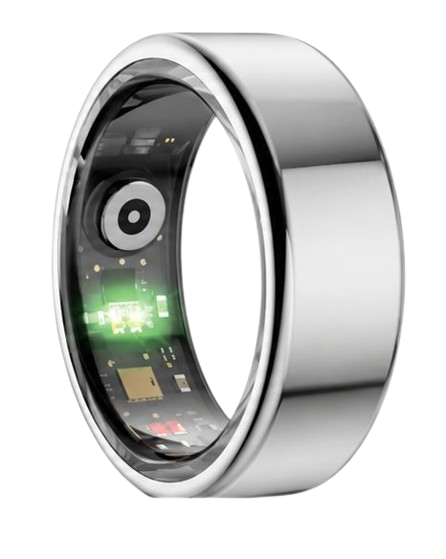
Our military-grade steel smart ring tracks your vitals continuously with no monthly subscription fees.
90-Day 100% Money-Back Guarantee
“The Herz Smart Ring helps me manage stress easily. It’s accurate, stylish, and lightweight—perfect for my busy life!”
— Jennifer P. | ✔ Verified Customer
- ✓ 6-Day Battery Life
- ✓ Detailed Sleep Analysis
- ✓ Fast 1-Hour Charging
- ✓ iOS & Android Ready
Questions? Call: 1-866-479-1629
Understanding the Physiology of Gestational Breathing Patterns

To fully grasp the mechanics of pregnancy breathing changes, we must look at maternal anatomy.
As your baby grows, the physical space inside your abdomen decreases rapidly.
By the third trimester, the expanding uterus causes an upward diaphragm displacement of about 4 centimeters.
This movement compresses the lungs slightly from below.
To compensate, your rib cage naturally flares outward to keep lung capacity stable.
The total chest circumference can increase by up to 6 centimeters during this time.
Because of these skeletal shifts, your lung capacity is preserved, allowing you to breathe deeply.
This is why your actual respiratory rate during pregnancy remains stable despite the internal compression.
At the same time, estrogen increases blood flow to the mucosal linings of your respiratory tract.
This can cause minor swelling in your nasal passages, often making you feel slightly congested.
This congestion can amplify the subjective feeling of breathlessness during basic daily activities.
Many women wonder: does your temp increase when pregnant, and does it affect breathing?
Yes, your basal metabolic rate increases by approximately 15 percent, raising heat production and oxygen demands.
This elevated metabolic rate is a key factor among common pregnancy fatigue causes in early development.
Furthermore, your cardiovascular system must pump up to 50 percent more blood to support the placenta.
This massive volume expansion puts extra physical work on both your heart and your lungs.
As your cardiovascular system works harder, you might observe a trend toward low hrv pregnancy readings.
Heart rate variability (HRV) is an excellent indicator of autonomic nervous system balance.
A temporary dip in HRV shows that your body is redirecting resources to support gestational growth.
Tracking these biological adaptations simultaneously helps you build a complete picture of your daily wellness.
The Herz P1 Smart Ring utilizes a highly accurate photoplethysmography (PPG) sensor to capture these metrics.
The ring format is perfect because the blood vessels in your fingers provide strong, clear signals.
It allows for consistent monitoring without the bulk of traditional wrist-based smartwatches.
Nocturnal Respiration Tracking: Why Sleep Metrics Matter During Gestation
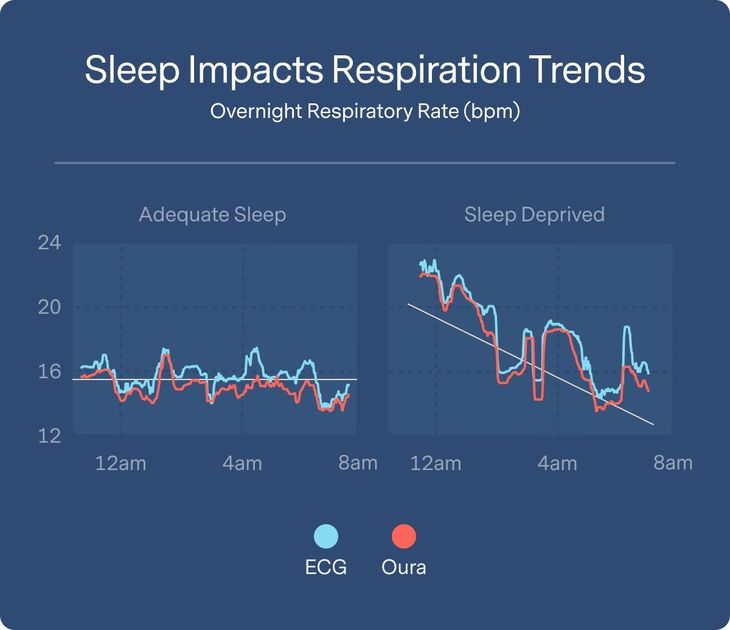
Your sleeping breathing rates offer the most reliable baseline data for your cardiorespiratory health.
During sleep, the physical and mental demands of the day disappear entirely.
This calm state allows optical sensors to record your true resting respiratory rate with high precision.
While resting respiratory rate during pregnancy remains mostly stable, sleep disruptions are very common.
As the baby grows, sleeping comfortably on your back becomes difficult and potentially unsafe.
This is when many women experience feeling short of breath resting, particularly in flat positions.
Sleeping on your left side is highly recommended to optimize blood circulation to the uterus.
Tracking your breathing during these sleeping hours can help confirm you are getting enough oxygen.
By monitoring nocturnal breathing rate changes, you can detect early signs of physical stress or fatigue.
Gathering continuous pregnancy insights helps you stay proactive about your daily habits.
Many expectant mothers find themselves napping during pregnancy to recover from disrupted night sleep.
The National Sleep Foundation highlights that consistent, quality rest supports healthy birth outcomes.
To evaluate your rest, a smart tracker should monitor sleep stages, including Deep and REM sleep.
It should also continuously check your blood oxygen saturation (SpO2) levels while you sleep.
If your SpO2 remains consistently between 95 and 100 percent, your oxygenation is optimal.
A sudden, unusual spike in your sleeping respiratory rate could indicate a need for extra rest or hydration.
Tracking respiration with wearable sensors makes it easy to spot these trends before they affect your energy.
The Herz P1 Smart Ring tracks sleeping respiratory rate, SpO2, and sleep stages automatically.
Its lightweight, seamless design ensures it never interferes with your ability to fall asleep.
How to Use Herz P1 Respiration Data for Maternal Wellness
Collecting health data is highly beneficial when you know how to apply it to your lifestyle.
The Herz P1 App displays your cardiorespiratory metrics in clean, easy-to-read daily charts.
We recommend tracking your personal seven-day rolling average to establish a clear resting baseline.
If your daily breathing rate stays near your personal baseline, your body is managing physical demands well.
If you notice a slight upward trend in your resting breaths per minute, listen to your body’s request for rest.
You can use this signal to adjust your physical workload and prioritize gentle, low-impact recovery.
It is also a perfect cue to wind down with warm, pregnancy safe hot drinks before bed.
We also suggest incorporating five to ten minutes of slow, paced breathing exercises into your evening routine.
Inhale deeply through your nose for four seconds, then exhale slowly for six seconds.
This deep breathing practice stimulates your vagus nerve and promotes a calming parasympathetic state.
As you approach your third trimester, keeping a close eye on your resting metrics becomes even more exciting.
Some researchers observe that subtle shifts in resting heart rate and respiration can occur prior to delivery.
While not a diagnostic tool, these patterns can serve as an interesting physiological indicator of labor onset.
Having access to this data might help you identify your body’s preparation, offering a personalized most accurate labor predictor.
The Herz P1 Smart Ring makes collecting these 24/7 metrics completely effortless.
Its military-grade steel construction is highly durable, easily surviving handwashing and accidental drops.
With an outstanding six-day battery life, you only need to charge it once a week for under an hour.
Best of all, the companion app features zero monthly subscription fees, giving you full data access forever.
Common Mistakes When Monitoring Respiratory Metrics During Pregnancy
Many newly expectant mothers fall into a few standard tracking traps that can lead to unnecessary anxiety.
The first major mistake is wearing a heavy, bulky smartwatch to bed to track sleep.
Smartwatches often slide around during sleep, causing the optical sensors to lose contact with the skin.
This sensor movement creates data gaps and can lead to highly inaccurate breathing readings.
The Herz P1 Smart Ring eliminates this issue by fitting snugly and staying securely on your finger all night.
Another common pitfall is buying a wellness tracker that locks your sleep history behind a subscription paywall.
We believe that your personal health data should belong entirely to you, without any recurring costs.
The Herz P1 App is free for a lifetime, with absolutely no hidden subscription fees.
Additionally, some users worry excessively over minor, daily fluctuations in their breathing metrics.
A temporary increase of one breath per minute is completely normal and often reflects natural physical adjustments.
Instead of stressing over single data points, always focus on your long-term weekly and monthly trends.
Finally, avoid fragile wellness trackers that cannot handle the demands of a busy daily routine.
The Herz P1 is forged from military-grade steel and carries a certified IP68 waterproof rating.
You can wear it with complete confidence while washing dishes, swimming, or bathing, knowing it is built to last.
By choosing a durable, subscription-free smart ring, you protect both your peace of mind and your budget.
Frequently Asked Questions About Respiration Tracking and Pregnancy
Yes, the Herz P1 features a fully certified IP68 waterproof rating.
This advanced rating means the ring can withstand continuous water submersion up to 164 feet deep.
You can safely wear it while washing bottles, taking showers, swimming, or enjoying a warm bath.
There is absolutely no need to remove your smart ring during your daily water-related activities.
The Herz P1 features an energy-efficient battery that lasts up to 6 days under normal continuous tracking conditions.
When the battery runs low, it charges fully back to 100 percent in less than 1 hour.
This rapid charging capability ensures you never have to miss out on sleep tracking or daily biometric logs.
You can quickly charge it while getting ready in the morning to maintain continuous health monitoring.
For the most reliable biometric readings, we recommend wearing the ring on your index, middle, or ring finger.
The index finger is our top recommendation because it contains strong digital arteries near the skin surface.
However, the middle and ring fingers on either hand also yield highly accurate and consistent health data.
Ensure that the ring fits comfortably and snugly without feeling overly tight during sleep.
Yes, the Herz P1 is designed with built-in offline memory to keep your data safe at all times.
It can store up to 7 days of detailed physiological metrics directly on the device without a phone connection.
Once you open the companion app near your phone, all saved metrics sync automatically via Bluetooth.
This ensures you never lose valuable tracking insights, even if you keep your phone in another room at night.
Final Thoughts on Maternal Respiration Monitoring
Understanding your body’s cardiorespiratory shifts during pregnancy brings profound reassurance.
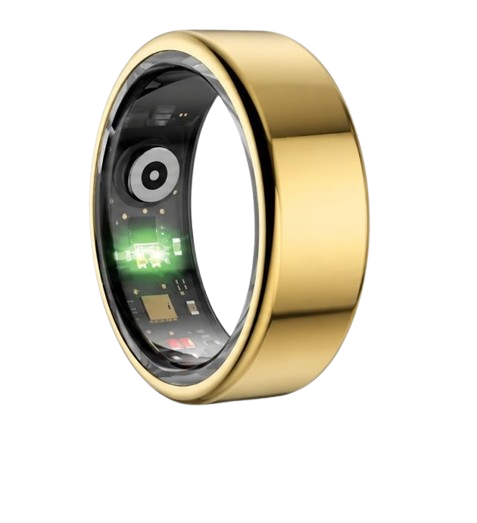
The Herz P1 Smart Ring offers a seamless, subscription-free way to monitor these vital signs daily.
Ready to monitor your health every day?
Explore the Herz P1 Smart Ring and see if it fits your lifestyle.
Call: 1-866-479-1629 — our team can help you advise on the correct ring size and set personalized health goals.
