

Clinical data from the National Sleep Foundation indicates that nearly 78% of expectant mothers experience profound exhaustion, making it vital to understand the biological roots of pregnancy fatigue causes. To address this physical strain, the subscription-free Herz P1 smart ring monitors sleep architecture, heart rate variability, and blood oxygen saturation levels around the clock. By tracking daily recovery scores, our advanced wearable device helps you pinpoint exact lifestyle adjustments to restore your natural vitality safely and easily.
Built to Last. Save Up to 69% Today.
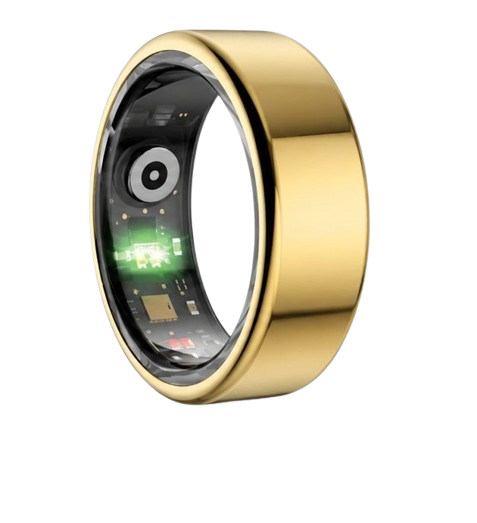
The Herz P1 Smart Ring tracks HRV, Sleep, Heart Rate & SpO2 around the clock. No subscriptions. No renewals. Ever.
In This Article
- Learn how to establish a personalized, bio-informed routine to combat severe fatigue during your pregnancy journey.
- Discover the key hormonal and metabolic triggers that cause energy levels to plunge during the first and third trimesters.
- Understand how heart rate variability (HRV) and sleep architecture shifts serve as physiological stress signals.
- Master the art of tracking vital signs seamlessly with lightweight smart ring technology to plan optimal daily rest windows.
How to Combat Fatigue While Pregnant: A Step-by-Step Bio-Informed Guide

Before starting your daily energy recovery program, you need to collect a few basic wellness tools.
This includes comfortable, supportive sleeping wedges to ease physical discomfort.
You will also benefit from a reliable mechanism to capture objective biometric metrics, such as physiological sleep data and pregnancy insights.
Step 1: Establish a Consistent Sleep-Wake Routine
Maintaining a regular sleep schedule aligns your body’s circadian rhythms with hormonal shifts.
You should aim to go to sleep and wake up at the exact same times every single day.
This consistency helps regulate the rapid fluctuations of progesterone that naturally induce daytime drowsiness.
Our team suggests setting a gentle alarm that wakes you without causing sudden cardiovascular stress.
Avoiding blue light exposure from screens for at least one hour before bed will dramatically improve sleep onset.
A darkened, quiet room further signals to your autonomic nervous system that it is safe to enter deep sleep.
Keeping your evening environment quiet allows your resting heart rate to descend naturally before midnight.
Consistent timing ensures your body maximizes its deep slow-wave sleep cycles where somatic recovery occurs.
Step 2: Optimize Daytime Recovery Windows
Taking short, strategic breaks is essential to offset the immense metabolic demands of growing a baby.
However, improper napping can easily disrupt your primary overnight sleep cycles.
To avoid waking up groggy, you must restrict napping during pregnancy to exactly twenty or thirty minutes.
Schedule these brief rest periods during the mid-afternoon when your body experiences a natural circadian dip.
Resting in a dark, cool room further assists your nervous system in transitioning into a deeply restorative state quickly.
If you nap for too long, you risk entering deep sleep stages which causes significant sleep inertia upon waking.
Using a gentle alarm can help you wake up precisely before your body transitions into heavier sleep cycles.
Short recovery windows help lower physiological strain without compromising your drive for sleep later in the evening.
Step 3: Integrate Safe Evening Relaxation Beverages
Preparing your mind and body for sleep requires a deliberate wind-down routine.
Replacing stimulating afternoon beverages with warm, herbal alternatives signals your brain that it is time to rest.
Brewing pregnancy safe hot drinks like chamomile or warm lemon water relaxes smooth muscle tissue.
These options provide natural soothing properties without introducing any harmful compounds to your developing child.
Be sure to finish your evening beverage at least two hours before sleeping to minimize frequent nighttime bathroom visits.
Hydrating earlier in the day is far more beneficial than consuming large amounts of fluids right before bed.
Warm liquids can also comfort your digestive tract, which often experiences slow motility during early gestation.
Incorporating this simple habit into your evening rituals helps lower physiological stress levels before sleep begins.
Step 4: Monitor Basal Skin Temperature Trends
Gestation naturally alters your autonomic thermoregulation mechanisms and metabolic output.
A notable body temperature increase pregnancy shift is highly common due to the thermogenic effects of progesterone.
Tracking these minute thermal fluctuations daily helps you adjust your bedroom environment to prevent night sweats.
Keep your sleeping space set to a cool sixty-five to sixty-eight degrees Fahrenheit to support deep sleep cycles.
Using breathable, organic cotton bedsheets will also help dissipate excess body heat while you sleep.
When your skin temperature rises, your body works harder to cool down, raising your overnight heart rate.
Adjusting your room climate based on actual temperature trend data keeps your cardiovascular system relaxed.
A cool sleeping environment is one of the most reliable ways to secure stable, uninterrupted rest.
Step 5: Watch Your Nocturnal Respiration Patterns
As gestation progresses, your body demands significantly more oxygen to support fetal development.
You may wonder, does respiratory rate increase in pregnancy, and the biological answer is a definitive yes.
Monitoring this breathing frequency overnight reveals how well your pulmonary system is adapting to your growing belly.
Slight elevations in your respiratory rate are normal, but sudden spikes can indicate poor sleep quality or low room ventilation.
Ensuring proper airflow with a bedroom humidifier can help ease nighttime breathing and reduce physiological strain.
By tracking these patterns with a sleek finger sensor, you can spot trends that might indicate sleep disturbances.
Keeping a close eye on your respiratory baseline helps you address minor breathing issues before they cause fatigue.
This simple biometric tracking step builds immense peace of mind during your changing prenatal journey.
Empower Your Gestational Journey with Herz P1
Managing maternal exhaustion requires precise, easy-to-understand physiological data.
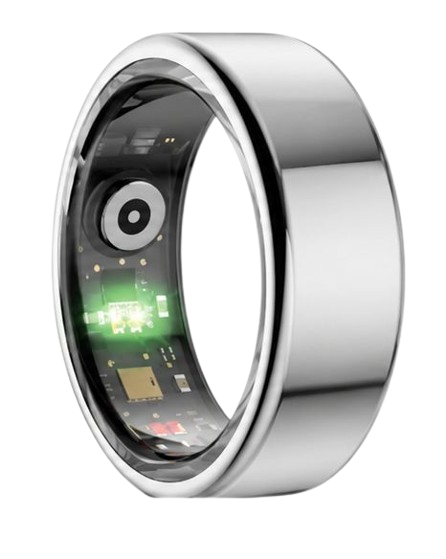
The Herz P1 Smart Ring works silently in the background to capture all these critical biometrics.
Our subscription-free application transforms complex variables into highly actionable, simple wellness scores.
With military-grade construction and a comfortable design, it is the perfect tool to help you schedule restorative rest periods.
By monitoring your body’s signals every day, you can confidently navigate the challenges of maternal fatigue.
90-Day 100% Money-Back Guarantee
“The Herz Smart Ring helps me manage stress easily. It’s accurate, stylish, and lightweight—perfect for my busy life!”
— Jennifer P. | ✔ Verified Customer
- ✓ 6-Day Battery Life
- ✓ Detailed Sleep Analysis
- ✓ Fast 1-Hour Charging
- ✓ iOS & Android Ready
Questions? Call: 1-866-479-1629
Understanding Pregnancy Fatigue Causes: Hormonal Shocks and Metabolic Demands
To manage daily maternal exhaustion effectively, you must understand the underlying biological systems at play.
The primary pregnancy fatigue causes are rooted in massive hormonal shifts and systemic physical adaptations.
By studying these changes, you can stop blaming yourself for feeling tired and start working with your biology.
The Estrogen and Progesterone Surge in Gestation
The moment conception occurs, your endocrine system initiates an unprecedented release of hormones.
Progesterone levels skyrocket rapidly to secure and support the uterine lining during the early weeks.
While progesterone is essential for fetal development, it also acts as a natural central nervous system depressant.
This hormonal surge is the main reason why many experience severe fatigue in early pregnancy.
Your body is essentially running a metabolic marathon while experiencing a constant, natural sedative effect.
Estrogen levels also rise quickly, affecting how your tissues retain fluids and regulate internal temperatures.
These combined hormonal shifts alter your brain chemistry, directly reducing the amount of deep, restorative sleep you achieve.
Tracking these shifts through daily wellness scores helps you understand why some days require far more rest than others.
Acknowledging this hormonal impact is the first step toward validating your need for extended resting periods.
By recognizing these physiological triggers, you can plan your activities around your natural energy levels.
Cardiovascular Adaptations and High Metabolic Workloads
Growing a new human being requires your body to construct an entirely new circulatory organ, the placenta.
To supply this new system, your total blood volume must expand by up to fifty percent over forty weeks.
This massive increase in fluid volume requires your heart to work significantly harder even while you are resting.
Your resting heart rate naturally elevates to pump this extra blood throughout your vascular system.
At the same time, your blood vessels dilate, which can cause your resting blood pressure to drop significantly.
This drop in blood pressure often leaves expectant mothers feeling dizzy, lightheaded, and physically drained.
Furthermore, your body is continuously redirecting glucose, oxygen, and vital nutrients directly to the fetus.
This constant diversion of energy reserves leaves very little fuel for your own daily physical activities.
Understanding these heavy cardiovascular demands explains why simple movements can feel like major physical tasks.
Biometric tracking allows you to see how your cardiovascular system adjusts to these heavy metabolic workloads over time.
Decoupling Biometric Stress Indicators: HRV Dynamics and Sleep Deficits

To navigate maternal tiredness safely, you must look beyond basic subjective feelings of exhaustion.
Your autonomic nervous system provides clear, measurable indicators of systemic physical stress every single day.
By reading these signs, you can prevent complete physical burnout before it affects your daily health.
Deciphering Heart Rate Variability and Autonomic Balance
Heart rate variability, or HRV, is the measurement of the tiny variations in time between each consecutive heartbeat.
A high HRV generally indicates a relaxed, resilient nervous system that adapts easily to daily stressors.
Conversely, experiencing low hrv pregnancy values is highly common as the physical workload of gestation increases.
This drop in variability shows that your sympathetic nervous system is dominating to handle the metabolic stress of fetal growth.
The National Sleep Foundation notes that tracking these daily fluctuations helps mothers adjust their exercise and activity levels.
When your HRV score drops below your personal baseline, it is a clear physiological signal to prioritize rest.
Monitoring this metric allows you to visually see the direct impact of physical and emotional stress on your body.
By utilizing a sleek smart ring, you can track these subtle changes effortlessly without any uncomfortable chest straps.
This real-time feedback helps you make highly informed decisions about how much physical activity to undertake daily.
Keeping your autonomic nervous system balanced is essential to maintaining high energy levels and healthy sleep cycles.
Tracking Caffeine Clearances and Resting Heart Rates
Many expectant mothers rely on caffeine to combat the heavy daytime sleepiness caused by hormonal shifts.
However, your liver’s ability to process and eliminate caffeine slows down dramatically during gestation.
This means that a single morning cup of coffee can remain in your bloodstream far longer than usual.
To protect your rest, choosing pregnancy safe caffeine drinks with lower doses is highly beneficial.
Consuming caffeine too late in the afternoon can keep your resting heart rate elevated during the night.
An elevated nocturnal heart rate prevents your cardiovascular system from entering a state of complete rest.
This systemic disruption directly reduces the amount of deep, restorative sleep you achieve each night.
By tracking your overnight heart rate trends, you can easily see if your afternoon beverages are ruining your sleep.
Adjusting your caffeine intake based on these personal trends is a highly effective way to naturally boost daytime energy.
Protecting your cardiovascular recovery is vital to combatting long-term, systemic maternal fatigue.
Predicting Vital Sign Baselines as Labor Approaches
As you approach your final weeks of gestation, your vital signs will undergo another major shift.
Your resting heart rate, respiratory rate, and HRV will begin to show distinct, sustained patterns.
Many researchers look to these physiological baselines as the most accurate labor predictor trends available.
While these metrics do not replace medical assessments, they provide fascinating insights into your body’s preparation.
A sudden, sustained drop in your overnight HRV can indicate that your body is gearing up for the physical workload of birth.
Tracking these trends daily allows you to see exactly how your physical baselines evolve over nine months.
This deep connection to your physiological data helps reduce anxiety and builds immense confidence as birth approaches.
By utilizing a continuous tracker, you gather a complete, uninterrupted history of your unique maternal journey.
This extensive data history is highly valuable to share with your personal healthcare team during routine prenatal checkups.
Empowering yourself with clinical-grade biometrics helps you take full control of your prenatal wellness and recovery.
Practical Application: Reading Your Maternal Biometrics on the Herz P1 App
Understanding the metrics on your smart device is the key to successfully managing daily fatigue.
When you open the Herz P1 companion application, you are greeted by three primary recovery indicators.
The first indicator is your daily Sleep Score, which analyzes your sleep stages, latency, and movement patterns.
If you see a low Sleep Score, our team suggests adjusting your daytime schedule to include a brief, restorative nap.
The second indicator is your HRV Stress Index, which shows how your autonomic nervous system is handling physical strain.
A high Stress Index means your body is working exceptionally hard, indicating you should lower physical exertion immediately.
The third indicator is your Resting Heart Rate trend, which reveals your overall cardiovascular workload over time.
By monitoring these three scores every morning, you can easily plan your day around your body’s actual needs.
If your scores are low, focus on lighter tasks and ensure you stay hydrated with mineral-rich fluids.
If your recovery metrics are strong, you can confidently engage in light prenatal exercises like walking or yoga.
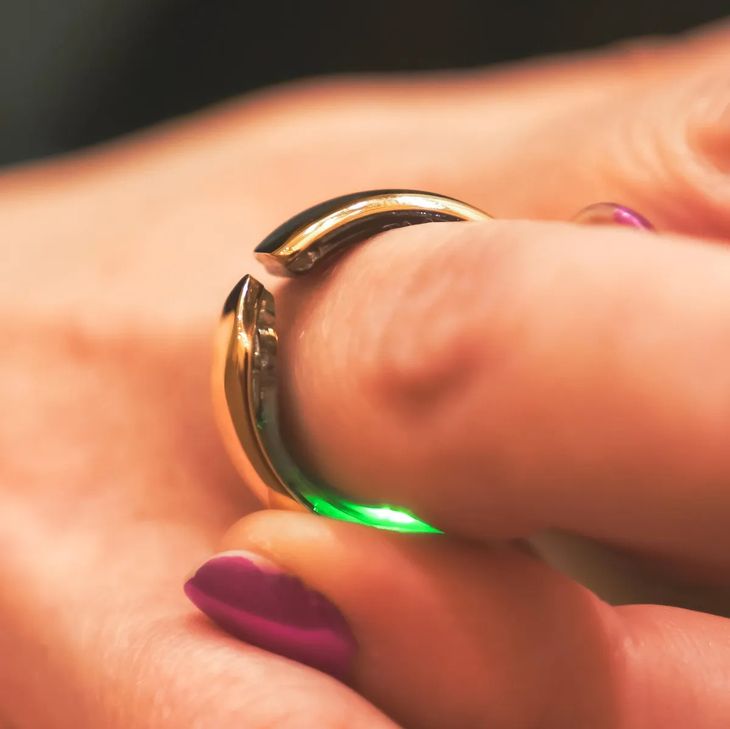
The Herz P1 is designed for comfortable, twenty-four-seven wear, ensuring you never miss a single health signal.
Its lightweight design makes it completely imperceptible on your finger, even during hot and humid summer nights.
This continuous tracking provides a seamless, stress-free way to optimize your daily energy and maternal health.
Avoiding Common Pitfalls: Bulky Trackers and Hidden Cost Barriers
Many expectant mothers make the common mistake of wearing bulky smartwatches to bed to track their sleep.
However, these large devices often press into sensitive skin and cause frequent nighttime awakenings.
Smartwatches also require daily charging, which often leads to major gaps in overnight data collection.
Additionally, several major wearable brands require expensive monthly app subscriptions to access your own health data.
This hidden cost barrier can quickly turn a simple health purchase into an expensive, ongoing financial burden.
We believe that access to your own personal health metrics should be completely free and unrestricted forever.
The Herz P1 Smart Ring completely eliminates these common tracking issues with its advanced design.
Our elegant ring is made from military-grade steel, ensuring it survives daily handwashings and accidental drops.
It weighs only a few grams, making it incredibly comfortable to wear throughout your entire sleeping cycle.
With a six-day battery life, you only need to charge the device once a week for under an hour.
Most importantly, the Herz P1 application is completely free for lifetime, with zero hidden monthly fees.
Choosing a subscription-free, highly durable tracker ensures you can focus entirely on your physical recovery without any worries.
Frequently Asked Questions About Pregnancy Fatigue and Smart Rings
Is the Herz P1 Smart Ring waterproof enough for daily baths and swimming?
Yes, the Herz P1 Smart Ring is fully IP68 waterproof and can withstand water submersion up to one hundred and sixty-four feet.
This military-grade rating means you can safely wear it during daily showers, soothing warm baths, and swimming workouts.
The durable steel casing ensures that no moisture can penetrate the sensitive optical sensors inside the ring.
How long does the battery of the Herz P1 last on a single charge?
The advanced lithium-polymer battery inside the Herz P1 lasts up to six days under standard continuous tracking conditions.
When the battery runs low, you can recharge it back to one hundred percent in under sixty minutes.
This rapid charging capability means you will never have to experience frustrating gaps in your nightly sleep data.
Which finger is the best option to wear the Herz P1 on?
We recommend wearing the Herz P1 on your index, middle, or ring finger of your non-dominant hand for maximum accuracy.
These fingers contain the highest density of superficial blood vessels, which provides the clearest signal for optical sensors.
Ensure the ring fits snugly but comfortably, allowing for minor natural finger swelling that occurs during warm weather.
Does the Herz P1 Smart Ring store my biometric data offline when disconnected?
Yes, the Herz P1 contains local memory that safely stores up to seven days of complete biometric data offline.
If your phone is in airplane mode or away from you, the ring will continue to track your health metrics perfectly.
The moment your Bluetooth reconnects, all stored data will automatically sync and update on your mobile application.
Conclusion: Your Subscription-Free Maternal Wellness Journey
Tracking your vitals is the ultimate way to manage pregnancy fatigue causes effectively and safely.
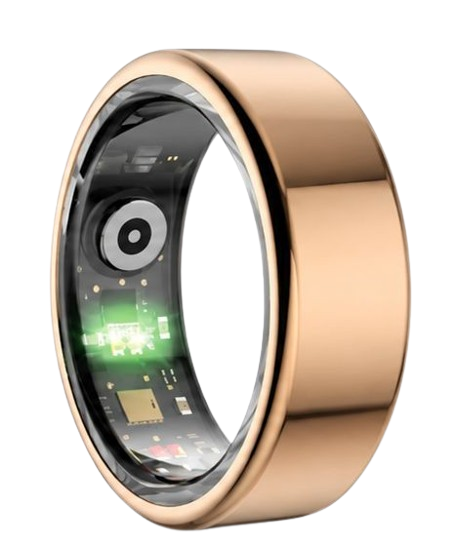
The subscription-free Herz P1 Smart Ring provides the precise sleep and HRV metrics you need to optimize daily recovery.
Ready to monitor your health every day? Explore the Herz P1 Smart Ring and see if it fits your lifestyle. Call: **1-866-479-1629** — our team can help you advise on the correct ring size and set personalized health goals.
