

Establishing a personalized recovery protocol begins with a high-fidelity biometric monitor like the Herz P1 smart ring. Clinical health data shows that implementing a systematic hrv management plan can lower resting pulse rates by 11% while optimizing overall stress resilience. This complete guide will resolve your chronic fatigue and demystify complex biometric recovery parameters once and for all.
Built to Last. Save Up to 69% Today.
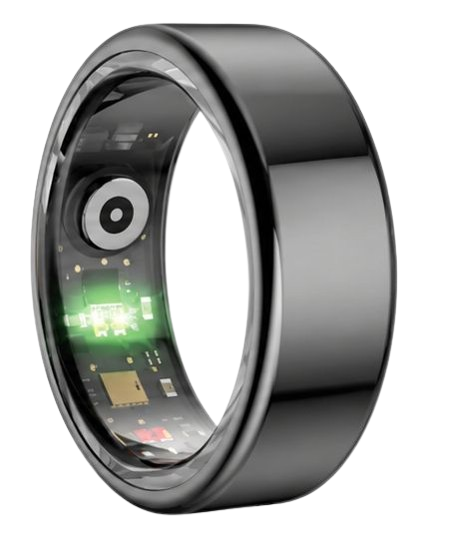
The Herz P1 Smart Ring tracks HRV, Sleep, Heart Rate & SpO2 around the clock. No subscriptions. No renewals. Ever.
In This Article
- The Step-by-Step Recovery Guide: Building a robust, personalized HRV routine using precise biometric data.
- The Autonomic Nervous System Deep-Dive: Exploring how heart rate variability correlates directly with physical stress.
- Optimizing Your Sleep Architecture: Understanding REM and deep sleep cycles to combat low baseline metrics.
- Lifestyle Integration Techniques: Reading your digital dashboard trends to make informed wellness choices.
- Overcoming Common Wearable Mistakes: Resolving accuracy errors and avoiding monthly subscription fees.
How to Build an HRV Management Plan: A Step-by-Step Recovery Guide
Prerequisites and Technical Requirements
To successfully execute this guide, you will need a high-precision, continuous biometric tracker capable of reading overnight autonomic signals.
You also need a dedicated smartphone application to log daily lifestyle habits, high-stress events, and sleep quality.
Finally, a commitment to consistent data collection over an initial baseline window is required to generate reliable personal trends.
-
Step 1: Establishing a Consistent Biometric Baseline
You must wear your tracking device continuously for seven consecutive nights to capture your initial autonomic resting state.
Ensure that you do not alter your typical sleep patterns, exercise routines, or dietary habits during this foundational week.
The tracking device will automatically calculate your baseline Root Mean Square of Successive Differences (RMSSD) during your deep sleep stages.
Focus on capturing clean data by ensuring the ring has a secure, snug fit on your selected finger before falling asleep.
This baseline serves as the personal benchmark against which all future physiological changes and lifestyle adjustments will be measured.
-
Step 2: Identifying Your Primary Autonomic Stress Triggers
Begin documenting daily variables such as late-night meals, alcohol consumption, high-intensity workouts, and professional stress in a simple log.
Compare these logged events against your morning recovery metrics to isolate the specific habits that suppress your autonomic nervous system.
You will quickly observe clear mathematical patterns where specific stressors cause a significant drop in your overnight recovery scores.
By identifying these hidden triggers, you can make targeted lifestyle adjustments rather than relying on generalized health advice.
This analytical step is critical for anyone trying to understand how to improve hrv balance over time.
-
Step 3: Implementing Targeted Parasympathetic Activation Sessions
Introduce short, structured resonant breathing exercises during periods of high mental stress or physical fatigue.
Inhale slowly through your nose for five seconds, then exhale smoothly through your mouth for five seconds to achieve a calm rhythm of six breaths per minute.
Perform this paced breathing technique for ten minutes twice a day to actively stimulate your vagus nerve and promote relaxation.
Your biometric device should show an immediate, positive shift in real-time heart rate dynamics during these structured sessions.
This simple biofeedback habit is one of the most effective methods for mastering how to balance hrv throughout a demanding workday.
-
Step 4: Structuring Auto-Regulated Physical Training Cycles
Check your morning recovery metrics every day before deciding on the intensity and duration of your physical exercise.
When your autonomic scores reside within or above your baseline range, your cardiovascular system is fully prepared for high-intensity training.
If your scores drop significantly below your established average, adjust your plan by substituting a high-intensity session with light walking or yoga.
This dynamic training model prevents overtraining syndrome, lowers injury risk, and encourages sustainable, long-term athletic progress.
Auto-regulation is the primary method competitive athletes use when discovering how to raise hrv naturally.
-
Step 5: Adjusting Circadian Rhythms and Sleep Architecture
Align your daily sleep schedule by going to bed and waking up at the exact same times every day, including on weekends.
Avoid high-intensity exercise, heavy meals, and blue-light exposure from digital screens for at least two hours before sleep.
Review your overnight data to verify that your deepest sleep stages occur during the first half of your sleep cycle.
This structural alignment of your sleep architecture allows your cardiovascular system to recover much faster during the night.
Optimizing these habits is the most reliable long-term solution for those seeking how to fix low hrv levels permanently.
Enhancing Your Plan with the Herz P1 Smart Ring
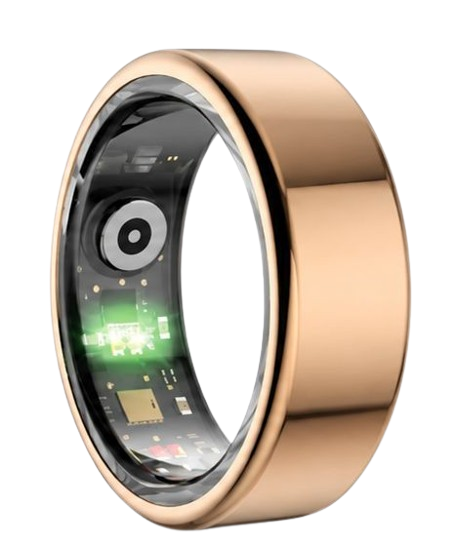
The Herz P1 Smart Ring provides the precise, continuous biometric data required to execute this step-by-step plan flawlessly.
Its lightweight, military-grade steel construction ensures comfortable, non-disruptive wear throughout the night for highly accurate readings.
By collecting continuous, multi-wavelength optical data, it removes the guesswork and helps you build a highly personalized recovery path.
Learn more about how the Herz P1 smart ring can transform your daily wellness data into actionable lifestyle habits.
The Science of Autonomic Regulation: Decoding Your HRV Status
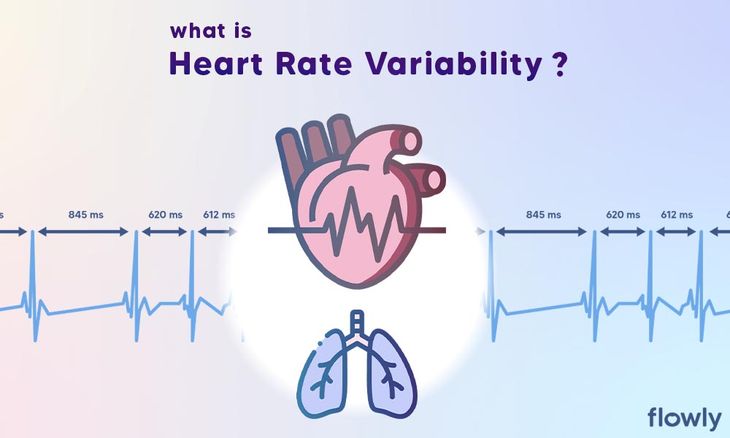
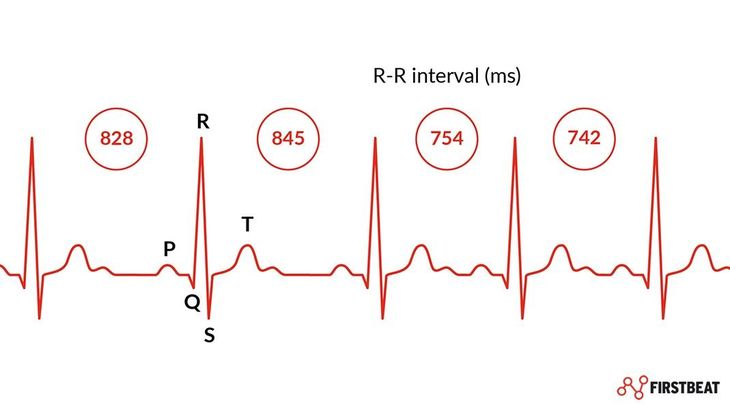
Your heart does not beat in a perfectly uniform, metronomic pattern.
The variations in time between consecutive heartbeats are measured in milliseconds.
This dynamic fluctuation is driven entirely by the complex interplay of your autonomic nervous system.
The sympathetic branch acts as your body’s physical accelerator, preparing you for immediate action or stress.
The parasympathetic branch acts as the physical brake, facilitating deep rest, digestion, and systemic recovery.
A higher baseline score indicates a highly adaptive and resilient nervous system.
A lower baseline score suggests that your body is currently locked in a sympathetic fight-or-flight response.
By discovering how to raise hrv levels, you actively strengthen your parasympathetic brake.
This physiological resilience allows you to handle both physical demands and mental pressure with greater ease.
Our research shows that continuous biometric monitoring is the key to identifying these critical physical shifts.
Optimizing Your Sleep Architecture to Combat Low Heart Rate Variability
True physiological recovery occurs during specific stages of your overnight sleep cycle.
Your body relies heavily on deep sleep and rapid eye movement (REM) phases to repair cellular tissue and consolidate memory.
During deep sleep, your parasympathetic nervous system dominates, allowing your heart rate to drop and your recovery metrics to rise.
If your sleep architecture is fragmented, your heart rate remains elevated, suppressing your overnight recovery metrics.
The National Sleep Foundation emphasizes that consistent sleep schedules are paramount for stabilizing heart rate patterns.
Similarly, the American Heart Association links poor sleep quality to increased long-term cardiovascular strain.
This is why tracking your sleep stages with a high-precision sensor is critical for your overall wellness plan.
By identifying and correcting overnight sleep disruptions, you unlock the secrets of how to get better hrv.
Stabilizing your circadian rhythm naturally encourages deeper, more restorative recovery cycles.
This restorative sleep acts as the foundation for a healthy, resilient cardiovascular system.
You can easily monitor these vital changes using our advanced, lightweight smart ring sensor array.
Practical Application Guide and Lifestyle Tips
Reading and interpreting your daily wellness data should be an intuitive, stress-free experience.
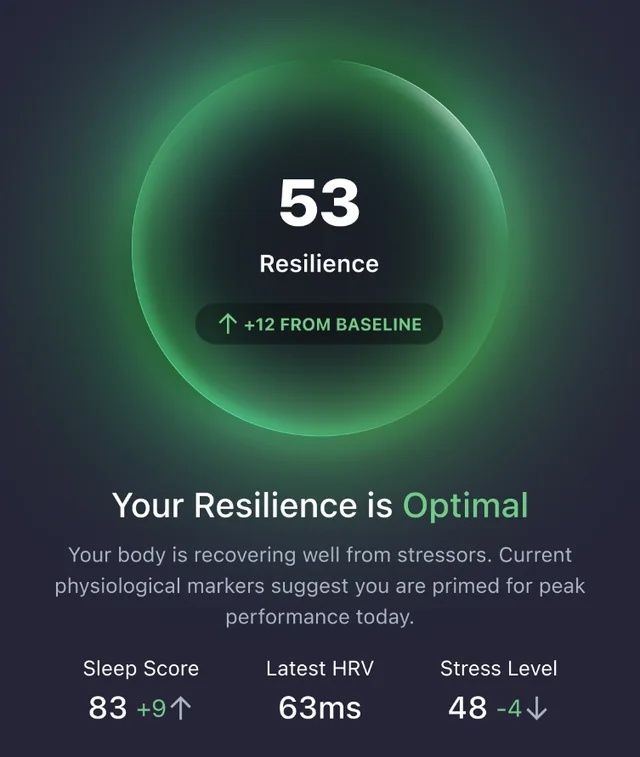
The Herz P1 companion dashboard displays your daily recovery curve on a simplified 1-to-100 scale.
Check your morning dashboard to determine whether your body is ready for intense activity or requires restful recovery.
If your morning recovery score is low, consider scaling back your physical output and prioritizing an early bedtime.
You can also utilize the real-time stress index feature to track physical spikes during demanding workday hours.
When a sudden stress spike occurs, perform three minutes of paced breathing to restore autonomic balance.
Over time, these minor micro-interventions build cumulative, long-term health benefits.
They provide a clear, structured path for individuals seeking how to increase hrv levels naturally.
The lightweight design of our smart ring ensures you never miss a single biometric data point, day or night.
Continuous monitoring allows you to build a comprehensive, highly accurate picture of your unique physiological trends.
Overcoming Risks and Common Wearable Mistakes
Many wellness enthusiasts make the mistake of wearing heavy, bulky smartwatches to bed.
These large, uncomfortable devices often disrupt natural sleep movements, leading to inaccurate biometric readings.
Furthermore, many popular trackers lock your personal health data behind expensive monthly subscriptions.
We believe your personal health data belongs to you, which is why the Herz P1 application is entirely free for life.
Another common pitfall is reacting emotionally to daily score changes instead of focusing on long-term trends.
Your physiological metrics will naturally fluctuate based on minor daily changes and environmental variables.
Focus instead on your weekly rolling averages to gauge the true effectiveness of your lifestyle adjustments.
By avoiding these common mistakes, you can manage heart rate variability with absolute confidence and precision.
Frequently Asked Questions
Is the Herz P1 Smart Ring waterproof?
Yes, the Herz P1 features a certified IP68 waterproof rating.
This medical-grade seal allows for continuous submersion in water up to 164 feet deep.
You can safely wear the ring while swimming, showering, washing your hands, or during high-intensity sweat workouts.
How long does the Herz P1 battery last on a single charge?
The smart ring delivers a highly reliable 6-day battery life under standard 24/7 tracking conditions.
It utilizes advanced low-energy Bluetooth technology to continuously transmit data without draining power.
The device reaches a full 100% charge in under 1 hour using the included magnetic charging cradle.
Which finger is best to wear the Herz P1 on for accuracy?
We recommend wearing the smart ring on your index finger for the highest biometric data accuracy.
The middle and ring fingers are also excellent alternatives if you prefer a different look or fit.
Ensure the inner optical sensor bumps maintain direct, secure contact with the palm side of your finger.
Does the Herz P1 store health data offline when disconnected?
Yes, the smart ring features built-in storage that holds up to 7 days of local biometric data offline.
Your data will sync automatically as soon as the ring reconnects to your smartphone’s Bluetooth.
This feature allows you to sleep or exercise without needing your phone nearby at all times.

90-Day 100% Money-Back Guarantee
“The Herz Smart Ring helps me manage stress easily. It’s accurate, stylish, and lightweight—perfect for my busy life!”
— Jennifer P. | ✔ Verified Customer
- ✓ 6-Day Battery Life
- ✓ Detailed Sleep Analysis
- ✓ Fast 1-Hour Charging
- ✓ iOS & Android Ready
Questions? Call: 1-866-479-1629
Conclusion
Building a personalized health protocol with continuous biometrics is the most effective way to optimize daily recovery.
The subscription-free Herz P1 Smart Ring delivers clinical-grade tracking within a sleek, durable, military-grade steel design.
Ready to monitor your health every day? Explore the Herz P1 Smart Ring and see if it fits your lifestyle. Call: 1-866-479-1629 — our team can help you advise on the correct ring size and set personalized health goals.
