

Understanding Herz P1 metric data is key to optimizing your body. Many health-conscious individuals struggle to figure out how to improve hrv balance after a stressful day. Clinical studies show that heart rate variability drops by up to thirty percent under acute psychological stress, making overnight recovery critical. We will show you exactly how to stabilize your autonomic nervous system using targeted sleep hygiene, evening winding-down protocols, and accurate, real-time biometric tracking.
Built to Last. Save Up to 69% Today.
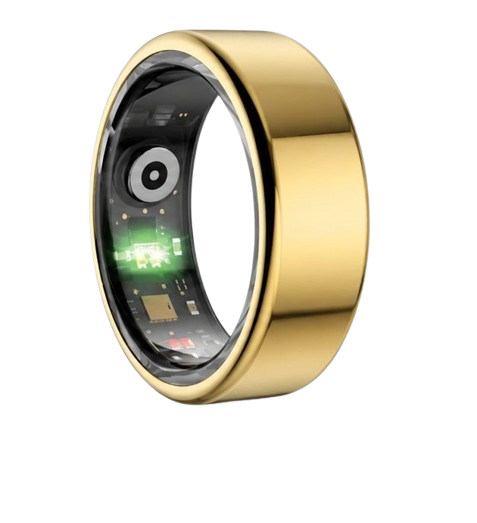
The Herz P1 Smart Ring tracks HRV, Sleep, Heart Rate & SpO2 around the clock. No subscriptions. No renewals. Ever.
In This Article
- Optimizing Your Autonomic Recovery: A clear, step-by-step roadmap to lower physical strain overnight.
- The Scientific Core of HRV Balance: How sympathetic and parasympathetic tones influence your heart rate variability.
- Sleep Architecture Decoded: The biological roles of deep sleep and REM cycles in building cardiac resilience.
- Practical Data Application: How to utilize wearable insights to adjust your daily training load and manage physical stress.
- Overcoming Wearable Roadblocks: Why bulky devices and continuous subscription paywalls hinder long-term wellness tracking.
How to Optimize Your Autonomic Nervous System Recovery: A Step-by-Step Guide
Stabilizing your heart rate variability requires a deliberate combination of night-time habits and precise biometric monitoring.
Before beginning your evening recovery protocol, you must arrange a few optimal sleeping conditions.
You will need a quiet, dark sleeping sanctuary that encourages deep physiological relaxation.
You also need a reliable, lightweight tracking device to gather continuous biometric data while you sleep.
-
Step 1: Cool Your Sleeping Environment to Support Vagal Tone
Your core body temperature must decrease naturally to trigger restorative slow-wave sleep cycles.
Set your bedroom thermostat to a temperature between sixty and sixty-seven degrees Fahrenheit.
A cool room directly encourages the activation of your parasympathetic nervous system.
This cooling effect helps lower your resting heart rate during the early hours of the night.
It also prevents midnight awakenings that disrupt your natural circadian rhythm.
Achieving this thermal balance is a crucial step in learning how to balance hrv.
Make sure your evening bed linens are breathable to avoid sudden micro-arousals from overheating.
-
Step 2: Restrict Electronic Screen Use to Protect Your Circadian Rhythm
Digital screens emit high concentrations of artificial blue light that trick your brain into thinking it is daytime.
This light exposure suppresses the natural secretion of melatonin in your system.
Melatonin is the primary hormone responsible for signaling sleep onset and recovery.
Turn off all smartphones, tablets, and computers at least sixty minutes before you plan to sleep.
This simple boundary allows your brain to transition into a peaceful state without excess stimulation.
It helps lower your nighttime cortisol levels and prevents unwanted adrenaline spikes.
Preventing these hormonal disruptions is essential to discover how to raise hrv.
-
Step 3: Perform Slow Resonance Frequency Breathing Before Sleep
Your breathing patterns directly influence your heart rate variability through a mechanism called respiratory sinus arrhythmia.
Inhale deeply through your nose for a count of six seconds.
Exhale slowly through your pursed lips for another count of six seconds.
Practice this controlled breathing cycle for ten consecutive minutes in bed.
This steady rhythm stimulates the vagus nerve, which acts as a natural brake on your cardiac accelerator.
Vagal stimulation is highly effective for anyone seeking how to raise hrv levels.
It rapidly shifts your autonomic nervous system out of a defensive fight-or-flight posture.
-
Step 4: Conclude Your Final Meal Three Hours Before Bedtime
Digesting heavy foods requires a massive reallocation of your internal blood flow.
Your digestive tract must work intensely when you eat close to bedtime, raising your resting pulse.
This prolonged metabolic work prevents your resting heart rate from dropping early in your sleep cycle.
Alcohol consumption has an even more detrimental effect on your cardiac recovery.
It dehydrates your vascular system and raises your nocturnal heart rate for hours.
Avoiding these late-night stressors is a cornerstone of how to get better hrv.
Opt for a light, magnesium-rich snack if you feel hungry before sleeping.
-
Step 5: Standardize Your Sleep Schedule to Anchor Recovery Metrics
Your biological systems rely heavily on predictable daily schedules to optimize endocrine production.
Going to bed and waking up at erratic times confuses your internal biological clock.
A steady sleep schedule reinforces healthy sleep architecture and deep sleep duration.
Try to maintain the exact same bedtime even during your weekends.
This behavioral consistency helps you how to increase hrv levels permanently.
It stabilizes the foundation of your overnight recovery metrics.
Regularity is the secret weapon of high-performing athletes and busy executives alike.
To successfully manage these lifestyle modifications, you need an effortless way to track your physiological progress.
The Herz P1 Smart Ring fits effortlessly into this nightly recovery protocol by tracking your body’s subtle signals.
It continuously captures your biometrics without the physical discomfort of a heavy, glowing wristband.
Our team designed the companion app to help you build an effective hrv management plan.
You can view your progress clearly without worrying about recurring fees or intrusive notifications.
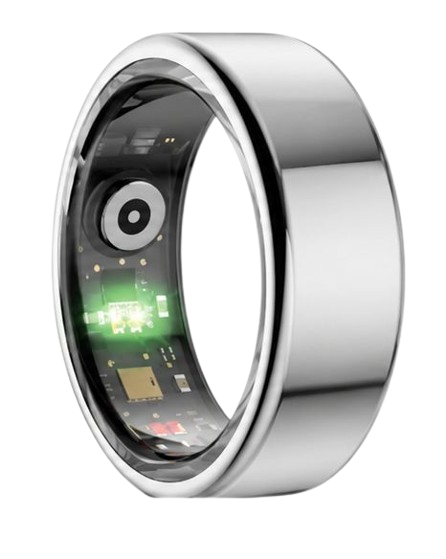
90-Day 100% Money-Back Guarantee
“The Herz Smart Ring helps me manage stress easily. It’s accurate, stylish, and lightweight—perfect for my busy life!”
— Jennifer P. | ✔ Verified Customer
- ✓ 6-Day Battery Life
- ✓ Detailed Sleep Analysis
- ✓ Fast 1-Hour Charging
- ✓ iOS & Android Ready
Questions? Call: 1-866-479-1629
The Science of Heart Rate Variability and Autonomic Balance
Your autonomic nervous system is the main control center for your body’s involuntary physiological adaptations.
It operates continuously in the background to regulate your digestion, respiration, and cardiovascular system.
This system is divided into two major branches that work in a dynamic, opposing balance.
The sympathetic branch acts like an accelerator, preparing your body for physical action or perceived threats.
It elevates your heart rate, dilates your airways, and releases energy stores to meet immediate physical demands.
The parasympathetic branch acts like a brake, promoting physical relaxation and energy conservation.
It slows down your heart rate and redirects resources to metabolic maintenance and cellular repair.
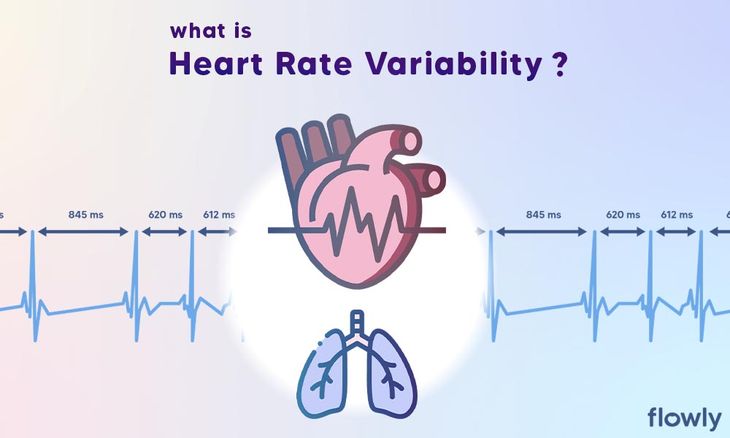
Heart rate variability is a direct, non-invasive measurement of this continuous interplay between branches.
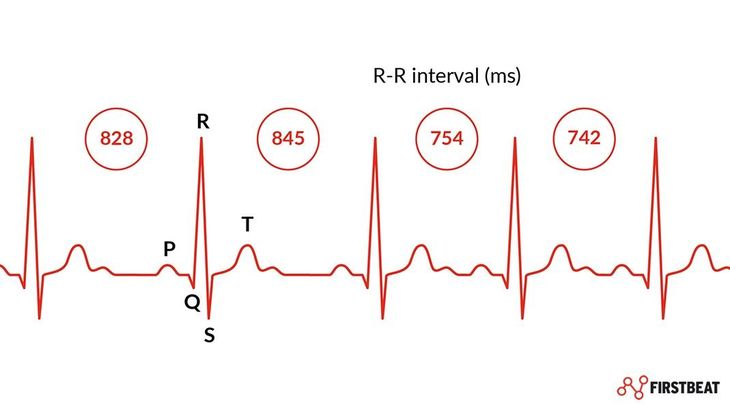
It tracks the tiny variations in milliseconds between consecutive heartbeats, known as R-R intervals.
A higher variation indicates that your autonomic nervous system is highly responsive to environmental changes.
According to the American Heart Association, a high heart rate variability is a key indicator of cardiovascular fitness.
It shows that your body can quickly shift between high-energy output and deep physical recovery.
Understanding these subtle changes is the first step to master how to get better hrv.
Conversely, a low variation indicates that your body is locked in a state of chronic sympathetic stress.
This biological state prevents your cardiovascular system from recovering fully during your sleep hours.
Continuous monitoring with a reliable optical sensor is the most effective way to identify these delicate recovery trends.
Understanding Your Sleep Architecture: Deep and REM Cycles
Sleep is not a uniform state of resting, but a complex series of repeating structural phases.
Each phase serves a distinct physiological purpose that contributes to your overall wellness.
Your brain must progress through light sleep, deep sleep, and REM sleep to complete a recovery cycle.
Deep sleep, or slow-wave sleep, is the physical recovery phase where your body repairs tissues.
During this phase, human growth hormone is released to repair muscles and restore physical energy.
REM sleep, or rapid eye movement sleep, is the phase responsible for cognitive restoration.
It supports memory consolidation, emotional processing, and creative problem-solving.
The National Sleep Foundation emphasizes that high-quality sleep requires sufficient duration in both deep and REM stages.
If you experience frequent nighttime awakenings, your sleep architecture becomes severely fragmented.
This structural fragmentation prevents your autonomic nervous system from entering the restorative parasympathetic state.
It is a primary reason why many individuals wake up feeling exhausted despite spending eight hours in bed.
Using advanced multispectral PPG sensors, the Herz P1 tracks these micro-adjustments with exceptional clarity.
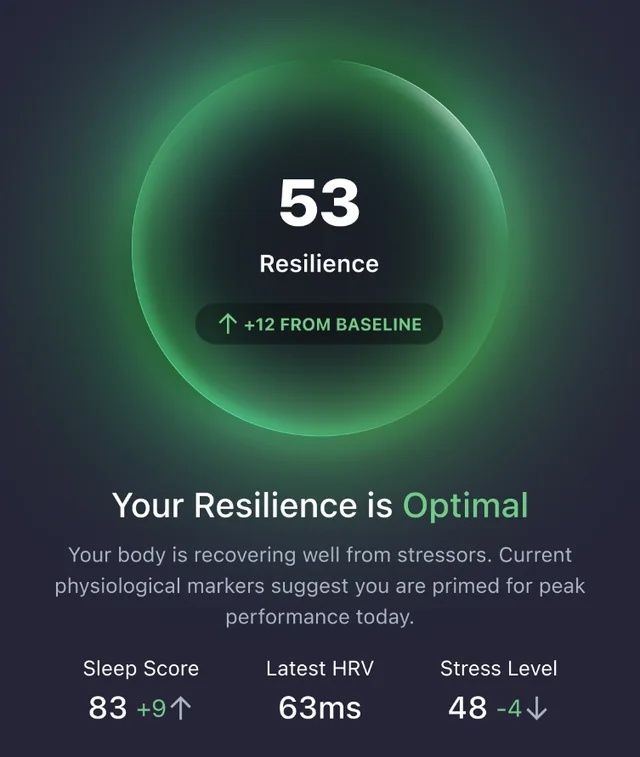
It calculates a comprehensive daily recovery score based on your sleep stages and heart rate variability.
This detailed analysis is invaluable for anyone working on how to lower hrv spikes caused by stress.
Practical Application Guide: Reading Your Herz P1 Biometric Data
Using the Herz P1 companion application to guide your daily wellness decisions is remarkably simple.
Every morning, you can open the mobile app to sync your overnight biometric records.
The dashboard presents your metrics in clean, easy-to-read charts that highlight your recovery trends.
You can instantly view your overnight heart rate, SpO2 levels, and daily stress resilience scores.
If your heart rate variability is lower than your personal baseline, your body is telling you to rest.
You should consider reducing your physical exercise intensity or taking a dedicated recovery day.
If your physical readiness score is high, your autonomic nervous system is fully prepared for a challenging workout.
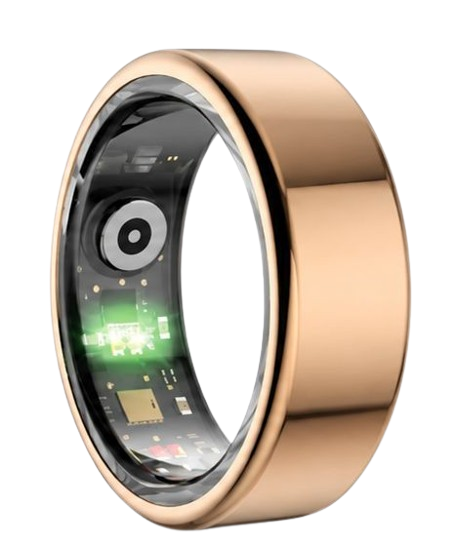
The lightweight design of the smart ring ensures you can wear it comfortably twenty-four hours a day.
It is much less intrusive than wearing a bulky, heavy smartwatch to bed.
The military-grade steel construction ensures it remains highly durable through all your daily activities.
Overcoming Recovery Obstacles: Common Wearable Pitfalls
Many health enthusiasts make the critical mistake of wearing heavy, uncomfortable devices to bed.
Bulky smartwatches often shift position during sleep, causing sensory errors and inaccurate data.
They can also cause physical discomfort that wakes you up and lowers your overnight recovery quality.
Another major obstacle in the wellness market is the hidden cost of data tracking.
Several premium wearable brands charge expensive monthly app subscription fees to view your own biometrics.
These ongoing costs can quickly add up and become a source of financial frustration.
With the Herz P1, the companion application is entirely free for your lifetime.
There are no hidden paywalls, subscription fees, or locked features.
You have full, unrestricted access to all of your health data forever.
This transparency makes it much easier to focus on your long-term wellness goals.
Frequently Asked Questions About Herz P1 and HRV Balance
Is the Herz P1 Smart Ring waterproof?
Yes, the Herz P1 carries a comprehensive IP68 waterproof rating.
It can withstand continuous water submersion down to a depth of one hundred and sixty-four feet.
You can wear it safely while swimming in a pool, taking a hot shower, or washing your hands.
This complete water protection means you never have to remove the ring during your daily routine.
How long does the battery last on a single charge?
The high-density lithium battery delivers up to six days of continuous health tracking.
It charges completely in under one hour using the magnetic USB charging dock.
This rapid charging capability ensures you never have to miss a night of sleep tracking.
You can easily charge it while taking a short shower in the morning.
Which finger is best to wear the smart ring on?
The index finger is the recommended choice for maximum optical sensor accuracy.
The middle finger and ring finger are also highly effective options for daily wear.
Ensure the fit is snug enough to stay in place but comfortable enough for overnight wear.
Our sizing kit helps you select the perfect size before you commit to a final purchase.
Does the ring store my biometric data offline?
Yes, the Herz P1 has seven days of local storage capacity built into the device.
It will automatically save your biometrics even if your phone is turned off or out of range.
All stored data will sync in chronological order the next time it connects to your phone.
You do not need to keep your smartphone near your bed to capture your sleep data.
Conclusion: Your Subscription-Free Wellness Journey Starts Here
Stabilizing your autonomic nervous system is simple with the right data.
The Herz P1 Smart Ring offers effortless biometric tracking for overnight recovery.
Ready to monitor your health every day?
Explore the Herz P1 Smart Ring and see if it fits your lifestyle.
Call: 1-866-479-1629 — our team can help you advise on the correct ring size.
Note: Individual results may vary depending on individual health conditions, age, and lifestyle habits. This article is intended for general health reference purposes only.
