

Improving your cardiovascular performance and accelerating overnight recovery starts with understanding how to increase hrv levels naturally. Recent clinical data from elite athletic training programs shows that individuals who track their autonomic nervous system trends experience a notable improvement in physical performance. By wearing a sleek, sensor-rich companion like the Herz P1 smart ring, you can easily monitor your cardiovascular health, unlock deep sleep staging insights, and optimize your fitness daily without paying any restrictive subscription fees.
Built to Last. Save Up to 69% Today.
The Herz P1 Smart Ring tracks HRV, Sleep, Heart Rate & SpO2 around the clock. No subscriptions. No renewals. Ever.

In This Article
- How to Boost Your Autonomic Recovery: A comprehensive step-by-step masterclass on biological optimization.
- The Physiology of Heart Rate Variability: Unpacking the scientific pathways of the autonomic nervous system.
- Deciphering Your Score: Understanding resting metrics, sleep architecture, and vital SpO2 trends.
- Actionable App Insights: How to translate smart ring dashboard metrics into real-world lifestyle habits.
How to Boost Your Autonomic Recovery: A Step-by-Step Guide
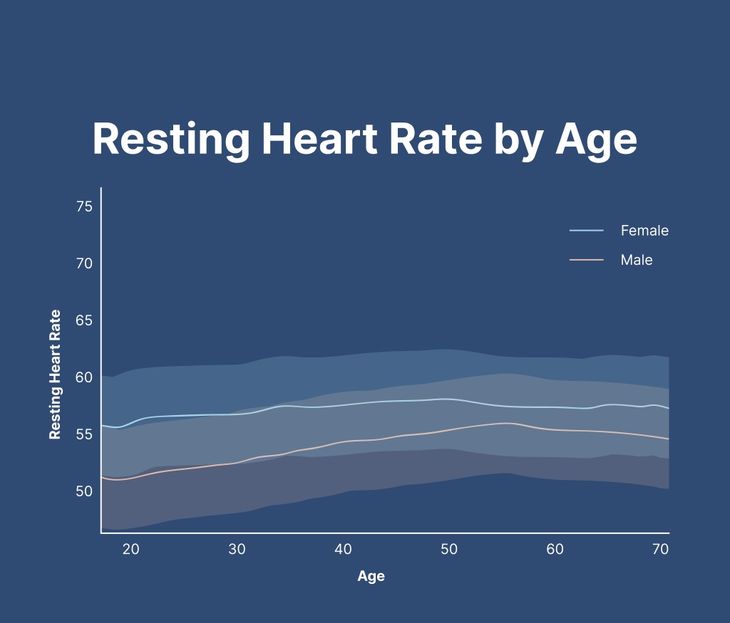
Optimizing your autonomic nervous system requires a few simple tools and a highly consistent mindset.
You will need a reliable multi-wavelength photoplethysmography sensor to capture continuous biometric trends around the clock.
You also need a dedicated wellness plan that focuses on sleep hygiene, physical recovery, and calculated cardiovascular stress.
Finally, a willingness to make small, data-informed adjustments to your daily routine will guarantee your long-term success.
Step 1: Focus on Guided Resonance Breathing
Resonance breathing involves slowing your respiratory rate down to exactly six breaths per minute to restore autonomic nervous system balance.
This deliberate breathing pattern triggers a strong parasympathetic reflex that directly stimulates your vagus nerve.
You can utilize simple pacing visualizers or breath-pacing apps to achieve a perfect 1:1 inhalation and exhalation ratio.
Engaging in this practice for ten minutes before a stressful meeting is a highly effective way to learn how to balance hrv in real time.
Consistent application of deep slow breathing trains your heart muscle to respond dynamically to acute mental pressure.
Step 2: Optimize Your Nightly Sleep Architecture
Establishing a strict bedtime routine regulates your internal circadian clock and improves your overnight sleep architecture.
You must protect your sleep environment from light pollution to allow your body to transition smoothly into restorative sleep stages.
Avoiding cognitive stimulation and high-stress entertainment before bed will prevent elevated cortisol levels from disrupting deep sleep.
Tracking your nightly metrics allows you to understand exactly how to get better hrv scores on your recovery days.
Deep slow-wave sleep is the vital window when your blood pressure lowers and systemic physical repairs occur.
Step 3: Integrate Zone 2 Aerobic Exercise
Zone 2 aerobic training keeps your heart rate within a steady, conversational zone that enhances mitochondrial density.
This low-intensity exercise format increases your cardiac output by safely expanding the left ventricle chamber over time.
When physical training load gets too high, your body may experience chronic fatigue and low resting cardiovascular tone.
Learning how to fix low hrv through light active recovery walks is essential to prevent overtraining syndrome.
Adding three thirty-minute Zone 2 training sessions to your weekly schedule builds remarkable cardiovascular reserves.
Step 4: Practice Calculated Intermittent Fasting
Finishing your final meal of the day at least three hours before sleeping removes digestive strain from your cardiac system.
When your stomach works hard to digest heavy food at night, your resting heart rate remains elevated and HRV drops.
Creating this dietary buffer allows your autonomic nervous system to shift fully into a restorative parasympathetic state.
Nutritionists frequently cite early evening fasting as one of the best strategies for how to raise hrv naturally.
Avoiding processed sugars and saturated fats at dinner protects your vagal nerve signaling from inflammatory disruptions.
Step 5: Control Your Daily Hydration and Electrolyte Levels
Even mild intracellular dehydration decreases your circulating blood volume and forces your heart to pump faster to supply oxygen.
You should drink clean water throughout the day enriched with vital minerals like magnesium and sodium to balance cell hydration.
Keeping your cellular fluids balanced supports smooth blood flow and reduces daily mechanical stress on your cardiovascular system.
Integrating precise hydration habits is a cornerstone of any professional, clinical hrv management plan.
Consistent hydration ensures that your peripheral capillary beds remain fully dilated for accurate optical biometric sensor readings.
Step 6: Implement Systematic Cold Exposure
Exposing your skin to cold water triggers a powerful, temporary sympathetic shock followed by a deep parasympathetic rebound.
You can practice this easily by turning your shower dial to cold for the final two minutes of your daily routine.
This rapid temperature shift forces your vascular system to constrict and rapidly clear metabolic waste products from tissues.
Over several weeks, this exposure desensitizes your nervous system to chronic stress triggers and increases your vagal tone.
This simple lifestyle adaptation is highly popular among athletes seeking how to raise hrv levels without medication.
Achieving Greater Biometric Accuracy with Tech
Tracking these biological changes manually is nearly impossible without the help of modern wearable technology.
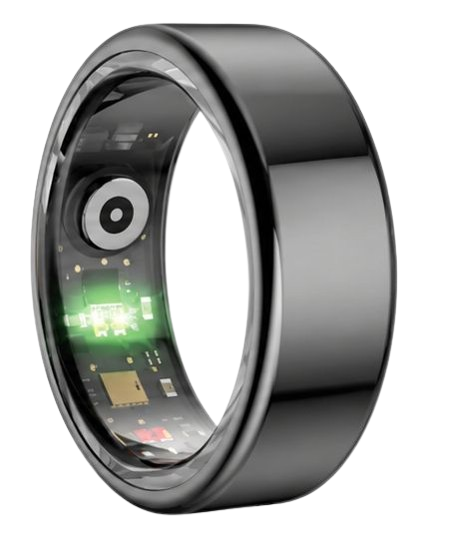
The Herz P1 Smart Ring provides continuous, subscription-free tracking to monitor every step of your recovery journey.
With its military-grade steel construction and IP68 waterproof rating, you can gather precise biometric insights without worrying about fragile hardware.
90-Day 100% Money-Back Guarantee
“The Herz Smart Ring helps me manage stress easily. It’s accurate, stylish, and lightweight—perfect for my busy life!”
— Jennifer P. | ✔ Verified Customer
- ✓ 6-Day Battery Life
- ✓ Detailed Sleep Analysis
- ✓ Fast 1-Hour Charging
- ✓ iOS & Android Ready
Questions? Call: 1-866-479-1629
The Physiology of Heart Rate Variability and Autonomic Balance
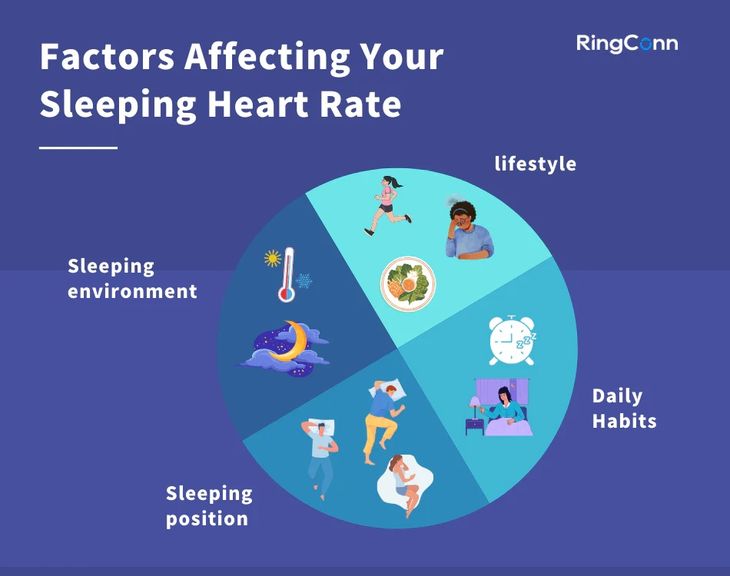
Your heart rate is constantly adjusting to meet the demands of your immediate physical and emotional environment.
Heart rate variability is the measured millisecond variation between consecutive R-waves on an electrocardiogram.
This delicate variation is driven by the autonomic nervous system, which coordinates your survival and recovery systems silently.
The sympathetic nervous system coordinates your fight-or-flight response by increasing cardiac output and blood pressure.
Conversely, the parasympathetic nervous system governs your rest-and-digest cycles by slowing your heart rate.
A healthy heart is highly adaptable and maintains a high level of variability between beats.
According to clinical consensus reports from the American Heart Association, a higher variability score represents superior cardiovascular reserve.
A rigid, metronomic heartbeat with low variability indicates a state of chronic sympathetic overdrive.
Learning what lowers hrv is highly critical for busy professionals who struggle with work-related burnout.
By identifying these negative factors, you can take deliberate steps to restore balance to your autonomic nervous system.
Tracking these biological cycles around the clock provides you with actionable insights that help prevent systemic exhaustion.
With proper tracking, you can safely monitor your daily physical stress and build long-term physiological resilience.
What Your HRV Score Actually Tells You — And How to Improve It
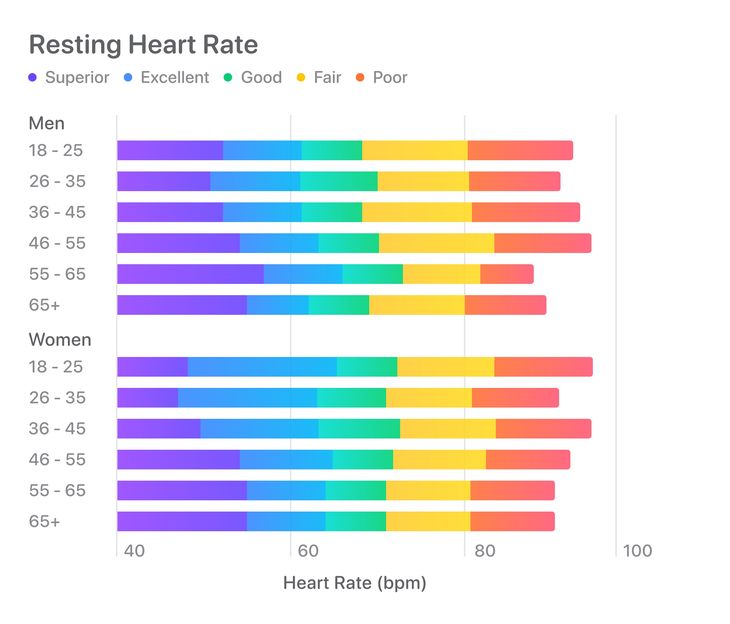
Your nightly biometric trends tell a much more accurate story of your health than a single spot-check reading.
When you wake up, your recovery score indicates how effectively your nervous system recovered from yesterday’s physical load.
If you wake up feeling drained, your tracking companion will likely flag an hrv status low reading.
Studies published by the National Sleep Foundation confirm that deep sleep and REM sleep are vital for stabilizing your morning metrics.
Deep slow-wave sleep supports physical restoration, muscular repair, and immune system strengthening.
Meanwhile, REM sleep is essential for mental recovery, emotional processing, and cognitive consolidation.
Disruptions in these critical sleep stages prevent your heart rate from lowering fully during the night.
The Herz P1 Smart Ring utilizes multispectral PPG technology to track these subtle sleep stages with professional accuracy.
It also measures your blood oxygen saturation levels (SpO2) overnight to monitor your breathing stability.
Any drop in overnight blood oxygen levels creates immediate physical stress that lowers your morning variability scores.
Monitoring these combined biometrics helps you make informed decisions about your daily training intensity.
Using data-informed trends ensures you are working with your body rather than forcing performance through chronic fatigue.
Using the Herz P1 App to Customize Your Daily Recovery and Training Load
The free Herz P1 App translates complex raw physiological data into an easy-to-read daily wellness dashboard.
Every morning, you will receive a personalized readiness score based on your sleep quality, HRV, and resting heart rate.
If your readiness score is high, you can safely schedule high-intensity workouts or challenging professional tasks.
If the app alerts you to a low readiness level, you should prioritize active recovery or early sleep.
The slim design of the Herz P1 Smart Ring makes it incredibly comfortable to wear 24/7 without irritation.
Unlike bulky smartwatches that pinch your wrist, this ring weighs only 3.5 grams and feels virtually weightless.
This comfortable design ensures that you never miss critical overnight biometric data due to removing the device.
You can easily track how small lifestyle changes, like a warm bath or a screen-free evening, immediately lift your scores.
Our data-driven community reports that consistent tracking helps build healthy habits within the first thirty days.
Avoiding the Pitfalls of Bulky Trackers and Hidden Wearable Fees
Many health-conscious individuals struggle to track their recovery because they wear heavy, bulky smartwatches to bed.
These large wrist devices often disrupt natural sleep movements and cause noticeable skin irritation.
Furthermore, wrist-based optical sensors often lose contact with your skin during sleep, leading to inaccurate readings.
Another major frustration in the wearable market is the hidden cost of ongoing monthly subscription fees.
Several premium brands charge you a high retail price for the hardware and then lock your own data behind a monthly paywall.
We believe that you should never have to pay a recurring fee to access your own physiological metrics.
The Herz P1 Smart Ring includes complete, lifetime access to all advanced app features with absolutely zero monthly fees.
You receive deep sleep staging, HRV trend analysis, SpO2 tracking, and stress alerts forever without any hidden charges.
This transparent model allows you to invest in your health without worrying about creeping software subscription costs.
Answers to Your Top Questions About HRV and Smart Ring Tracking
Is the Herz P1 Smart Ring fully waterproof?
Yes, the Herz P1 features a certified IP68 waterproof rating that allows submersion up to 164 feet.
You can safely wear the ring while swimming, showering, washing your hands, or sweating during intense workouts.
The premium military-grade steel outer shell protects the delicate internal optical sensors from water pressure and moisture.
How long does the battery last and how fast does it charge?
The energy-efficient battery provides up to six days of continuous health monitoring on a single charge.
When the battery is low, you can fully recharge the ring in under one hour using the included magnetic charging dock.
This quick charge time means you can easily power up your ring during your morning shower without missing any sleep data.
Which finger is best to wear the smart ring on?
We recommend wearing the Herz P1 on your index, middle, or ring finger for the most accurate sensor readings.
These fingers have a higher density of blood vessels near the surface of the skin, which maximizes optical signal quality.
Ensure the ring fits snugly but comfortably without rotating loosely during your normal daily movements.
Does the ring store biometric data offline?
Yes, the Herz P1 has built-in local memory that securely stores up to seven days of physiological data offline.
You do not need to keep your smartphone nearby or connected to Bluetooth continuously throughout the day.
Once you open the free companion app, the ring will automatically sync all stored metrics to your digital dashboard.

Conclusion: Your Subscription-Free Wellness Journey Starts Here
Optimizing your heart rate variability is one of the most powerful steps you can take for your long-term fitness.
The Herz P1 Smart Ring serves as your reliable daily health companion, helping you decode important body signals effortlessly.
Ready to monitor your health every day? Explore the Herz P1 Smart Ring and see if it fits your lifestyle.
Call: 1-866-479-1629 — our team can help you advise on the correct ring size and set personalized health goals.
Note: Individual results may vary depending on individual health conditions, age, and lifestyle habits. This article is intended for general health reference purposes only.
