

When you wake up and analyze your morning health data to find an hrv 120, you might wonder if your cardiovascular recovery has reached peak physical condition or if this elevated number signals an underlying biometric anomaly. Deciphering your daily heart rate variability metrics is vital to optimizing your fitness performance and managing stress, yet understanding what these raw millisecond scores truly represent can feel highly complex when using advanced consumer wearables like the Herz P1. This comprehensive resource will break down the physiological mechanisms behind your recovery score and show you how to apply this vital bodily feedback to elevate your physical well-being every day.
Built to Last. Save Up to 69% Today.
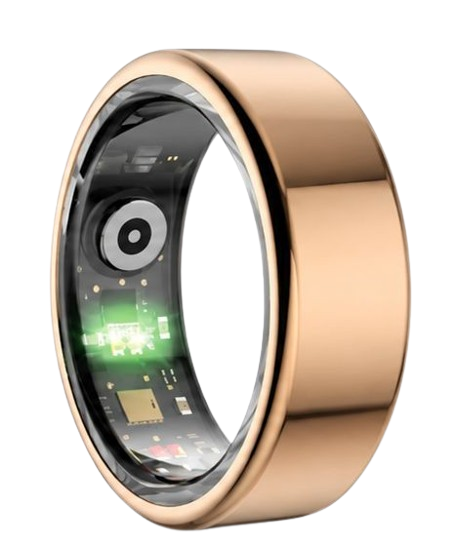
The Herz P1 Smart Ring tracks HRV, Sleep, Heart Rate & SpO2 around the clock. No subscriptions. No renewals. Ever.
In This Article
- Biometric Science of HRV: How a score of 120ms relates directly to your autonomic nervous system and overall recovery.
- Clinical Baseline Comparison: Where your 120ms metric stands compared to standard demographic averages and alternative scores.
- Technology and Measurement: How advanced optical PPG sensors in smart rings analyze heart rate trends from your finger.
- Optimizing Your Trends: Practical lifestyles hacks to maintain high cardiovascular readiness without tracking anxiety.
Is an HRV of 120 Good for Your Recovery? What the Biometric Science Says
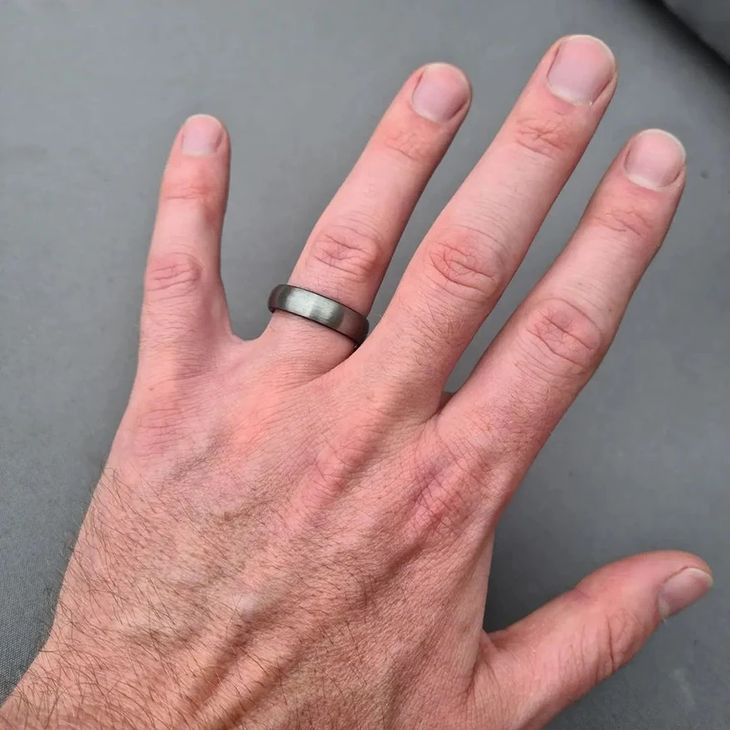
Heart rate variability represents the tiny fluctuations in time between each of your consecutive heartbeats.
These fluctuations are measured in milliseconds rather than beats per minute.
When your wearable device shows a score of 120 hrv, your cardiovascular system is demonstrating high adaptability.
This high metric suggests that your autonomic nervous system is in a balanced, highly responsive state.
The autonomic nervous system is split into two primary branches: the sympathetic and the parasympathetic pathways.
The sympathetic branch governs your body’s survival instincts, often known as the fight-or-flight response.
The parasympathetic branch drives your rest, digestion, and systemic healing processes.
A resting hrv of 120ms generally means the parasympathetic branch is actively dominating your cardiac patterns.
This allows your heart rate to respond dynamically to subtle physical shifts, such as breathing patterns.
According to research from the American Heart Association, a higher level of variability indicates excellent cardiorespiratory resilience.
Therefore, seeing a score of 120ms is typically an outstanding indicator of physical recovery.
It means your muscles, nervous system, and cardiovascular pathways have successfully adapted to previous daily stress.
However, whether an HRV of 120ms is perfect for you depends deeply on your unique baseline.
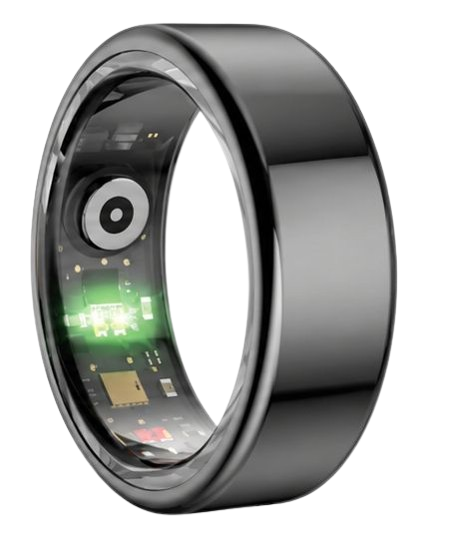
If you want to track this in real time, the Herz P1 Smart Ring monitors your cardiac signals 24/7 — explore it here.
90-Day 100% Money-Back Guarantee
“The Herz Smart Ring helps me manage stress easily. It’s accurate, stylish, and lightweight—perfect for my busy life!”
— Jennifer P. | ✔ Verified Customer
- ✓ 6-Day Battery Life
- ✓ Detailed Sleep Analysis
- ✓ Fast 1-Hour Charging
- ✓ iOS & Android Ready
Questions? Call: 1-866-479-1629
Understanding Autonomic Balance: Where a Resting HRV of 120ms Fits on the Spectrum
To evaluate if an HRV score is truly optimal, you must look at general demographic scales.
Most healthy adults present resting HRV metrics between 20ms and 80ms during normal routines.
If your device frequently displays a value closer to an hrv 70, your recovery is resting in a highly stable average zone.
Climbing to a steady baseline of hrv 100 is common among active individuals with great fitness habits.
Reaching an hrv over 100 is typical for younger generations or highly conditioned endurance athletes.
Therefore, a consistent reading of 120ms places your physical readiness in an elite tier.
However, you should always compare this measurement directly against your long-term averages.
A sudden leap from your normal baseline of 50ms to 120ms could represent a different physiological event.
This dramatic spike is known as a higher hrv than normal pattern.
Sometimes, this sharp elevation reflects acute nervous system fatigue where the body is overcompensating to heal.
In highly trained endurance practitioners, scores can even climb up to an hrv 200 during seasonal peaks.
This shows how wide the overall physiological spectrum can stretch across different human bodies.
Some users naturally wonder, can your hrv be too high under normal daily conditions?
A naturally high score is excellent, but sustained, irregular spikes might occasionally warrant medical attention.
Understanding the difference between a natural peak and an irregular anomaly is vital for stress management.
This is why evaluating the high vs low hrv relationship requires continuous daily monitoring.
By observing your metrics over several weeks, you establish a reliable baseline that is unique to you.
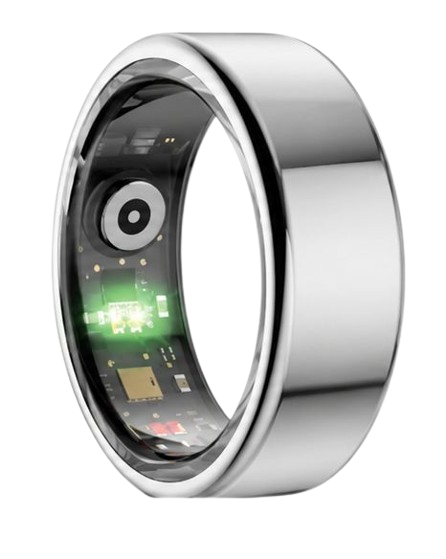
The Herz P1 Smart Ring utilizes advanced military-grade steel and sensitive PPG sensors to build this baseline seamlessly.
You can monitor these trends over weeks and months without worrying about hidden costs or monthly subscription fees.
Biometric Technology Factors: Why Your Device Shows a Resting HRV of 120ms
How you track your heart rate variability is just as critical as the number on your dashboard.
Historically, capturing the highest heart rate variability metrics required an electrocardiogram (ECG) chest strap.
Modern consumer wearables use optical Photoplethysmography (PPG) sensors to read these signals from your blood vessels.
The Herz P1 Smart Ring uses multi-spectral PPG sensors that shine light directly through the thin skin of your finger.
The blood vessels in your fingers are closer to the surface than those in your wrist.
This anatomical advantage allows finger-based rings to capture highly accurate pulse wave data.
The device measures the microscopic intervals between each pulse, known as the inter-beat interval (IBI).
These intervals are processed through complex math to determine your final RMSSD score.
RMSSD is the standard scientific formula used to analyze immediate parasympathetic activity.
Because the finger is rich in arterial flow, the Herz P1 delivers data that closely mirrors clinical ECG chest straps.
This ensures you are receiving genuine biometric insights instead of estimated averages.
Additionally, sleep architecture plays a massive role in when these measurements are captured.
The National Sleep Foundation emphasizes that the body undergoes intense autonomic repair during deep sleep stages.
Your ring tracks these fluctuations continuously while you rest to provide an accurate recovery score by morning.
This continuous monitoring ensures that daytime movement anomalies do not skew your resting recovery trends.
Practical Application: How to Action Your HRV Trends Using the Herz P1 App
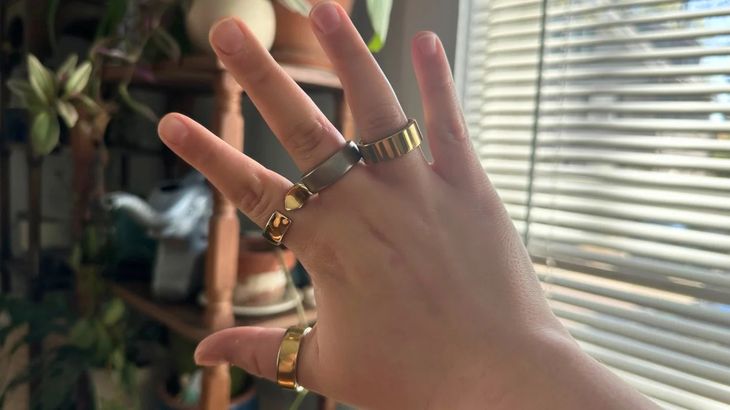
An HRV score is only useful if you know how to apply it to your daily habits.
When you open your companion application and see an is hrv of 120 good status indicator, use that data to guide your day.
A score of 120ms indicates your body is fully primed for high-intensity physical or mental tasks.
This is the perfect day to schedule a challenging workout, take on a complex project, or engage in endurance training.
Conversely, if your metric drops far below your baseline, your body is requesting deliberate recovery.
On low-HRV days, focus on light active recovery, gentle walks, and high-quality nutrition.
You can also use the Herz P1 continuous tracking feature to evaluate how specific habits impact your heart health.
For example, you might notice that eating late at night causes your sleeping HRV to drop by 20%.
Or you might see that a 10-minute breathwork session before bed raises your morning recovery score.
The lightweight, military-grade steel ring is designed to be worn 24/7 without causing skin irritation.
This around-the-clock comfort makes it incredibly easy to gather unbroken, reliable trend data over long periods.
Common Pitfalls in Tracking Your HRV Metrics and Sleep Data
Many health enthusiasts make common tracking mistakes that compromise their biometric accuracy.
One major error is wearing a bulky smartwatch to bed to track sleep stages and overnight recovery.
Heavy watches often slide around on the wrist during sleep, creating gaps in data collection.
This sliding causes optical sensors to lose contact with the skin, resulting in highly inaccurate readings.
Another major frustration in the wearable market is the hidden burden of monthly subscription fees.
Many brands lock your personal health insights behind expensive paywalls after you buy their hardware.
Team Herz P1 believes you should own your biological data forever without ongoing charges.
The Herz P1 App is completely free for life, ensuring you have unlimited access to your recovery trends.
Additionally, selecting the wrong ring size can drastically affect the quality of your optical readings.
A ring that is too loose will rotate and miss vital pulse waves during your deep sleep cycles.
Using our complimentary sizing kit ensures a secure, personalized fit for perfect sensor alignment.
Frequently Asked Questions
Is the Herz P1 Smart Ring waterproof?
Yes, the Herz P1 is fully IP68 waterproof and designed to withstand water depths up to 164 feet.
This military-grade construction allows you to track your biometrics during swimming, showering, and intense workouts without taking it off.
How long does the battery last on a single charge?
The smart ring features an optimized battery that lasts up to 6 days on a single charge.
It charges from empty to full in less than 1 hour using our fast magnetic charging cradle.
Which finger is best to wear the smart ring on for accurate HRV tracking?
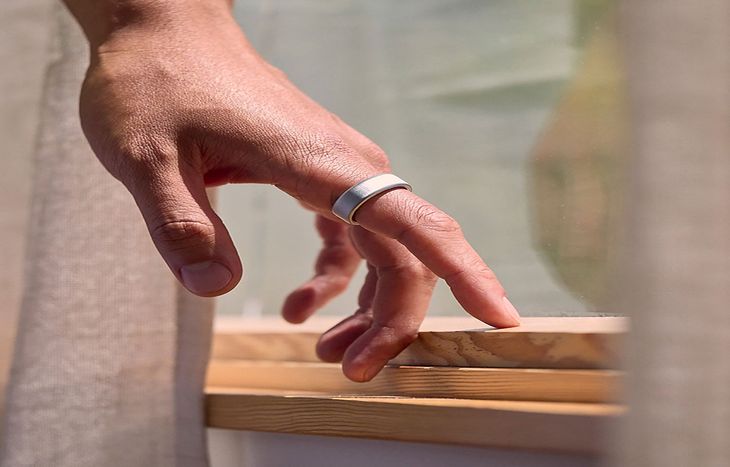
We recommend wearing the smart ring on your index, middle, or ring finger for the highest signal quality.
The index finger generally contains the most accessible arterial blood vessels for optical sensors.
Does the Herz P1 store data offline if my phone is not nearby?
Yes, the ring features local memory that stores up to 7 days of raw biometric data offline.
The next time your ring connects to your phone via Bluetooth, all your metrics will sync automatically.
Conclusion
Understanding your daily biometrics is the most reliable way to optimize your overall lifestyle.
An HRV of 120ms is a fantastic indicator of a highly recovered and resilient nervous system.
Ready to monitor your health every day? Explore the Herz P1 Smart Ring and see if it fits your lifestyle. Call: 1-866-479-1629 — our team can help you advise on the correct ring size and set personalized health goals.
