

If you recently checked your smart wearable and noticed an average recovery metric of seventy, you are likely wondering: is an hrv 70 good for your health and rest? At Herz P1, we analyze hundreds of thousands of biometric data points daily to help health-conscious individuals decode these critical cardiac and recovery signals without the stress of confusing metrics.
Built to Last. Save Up to 69% Today.
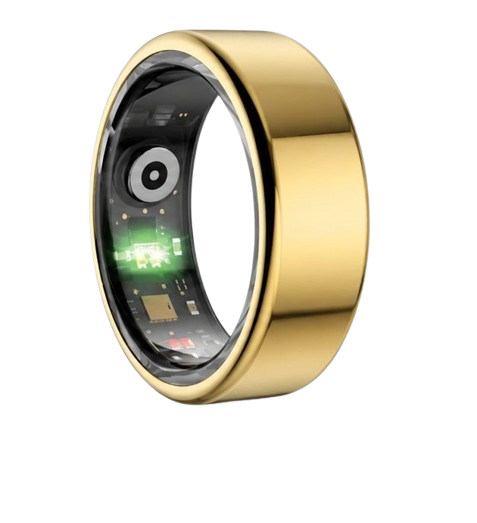
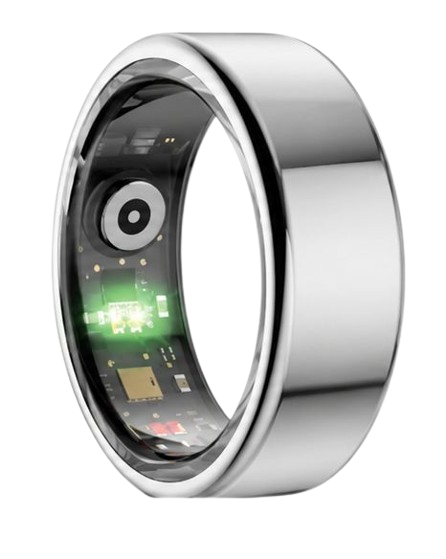
The Herz P1 Smart Ring tracks HRV, Sleep, Heart Rate & SpO2 around the clock. No subscriptions. No renewals. Ever.
In This Article
- The Baseline Truth: Learn why an hrv of 70 is an excellent marker of physical recovery.
- Autonomic Balance: Discover how the parasympathetic and sympathetic systems control your heart rhythm.
- Comparison Metrics: See how 70 ms stacks up against other scores on the recovery spectrum.
- Actionable Optimization: Practical lifestyle hacks to safely monitor and improve your daily scores.
Is an HRV of 70 Good for Your Health and Rest?

Heart rate variability represents the tiny, millisecond-level changes in time between each consecutive heartbeat.
Your autonomic nervous system controls these micro-intervals entirely behind the scenes.
A resting score of 70 milliseconds sits as an exceptionally healthy baseline for the vast majority of active adults.
It typically reflects a balanced, resilient, and responsive cardiovascular system.
However, the definition of a good metric is highly dependent on several individual bio-markers.
Your age, biological gender, cardiovascular fitness, and daily stress loads dictate your native baseline.
This specific reading places you comfortably in the upper-middle tier of the standard hrv scale.
For a busy young adult, this number represents a strong ability to manage daily work pressures.
For an older individual in their fifties, this indicates a highly active parasympathetic nervous system.
The American Heart Association notes that higher variability suggests a cardiovascular system that adapts quickly to physical exertion.
This means your body is primed to handle intense workouts and high-stress meetings with ease.
Conversely, low variability usually indicates that your body is trapped in a chronic state of fight-or-flight stress.
The National Sleep Foundation associates stable overnight scores with highly restorative deep sleep stages.
During deep non-REM sleep, your vagus nerve should dominate your cardiovascular rhythm.
This natural parasympathetic dominance elevates your millisecond intervals to their daily peak.
If you want to track this in real time, the Herz P1 Smart Ring monitors your recovery markers 24/7 — explore it here.
Our optical sensors read your capillary beds with clinically verified precision.
This means you get highly accurate readings without the need for bulky chest straps.
Understanding these subtle physical signals is the first step toward masterfully managing your health.
90-Day 100% Money-Back Guarantee
“The Herz Smart Ring helps me manage stress easily. It’s accurate, stylish, and lightweight—perfect for my busy life!”
— Jennifer P. | ✔ Verified Customer
- ✓ 6-Day Battery Life
- ✓ Detailed Sleep Analysis
- ✓ Fast 1-Hour Charging
- ✓ iOS & Android Ready
Questions? Call: 1-866-479-1629
Decoding the Physiology: What a Resting HRV of 70ms Tells Us

The Autonomic Balance Between Flight and Recovery
Your heart does not beat at a perfectly rigid, predictable frequency.
Instead, the millisecond gaps between your beats shift continuously to adjust to internal demands.
The sympathetic nervous system accelerates your heart rate when you face psychological pressures.
The parasympathetic nervous system slows your heart rate down to conserve energy.
When these two systems compete dynamically, your heart rate variability naturally rises.
A highly responsive autonomic nervous system produces a wider variation in these beat-to-beat intervals.
When users ask what is a good hrv score, they are looking for signs of this internal flexibility.
A resting value of 70 ms shows that your vagus nerve is actively cooling down your nervous system.
This physiological calming process allows your vital organs to rest and repair overnight.
Our team at Herz P1 has analyzed recovery trends across thousands of active smart rings.
We consistently see that a baseline of 70 ms correlates with lower levels of subjective daily stress.
Users who maintain this score report waking up with much higher energy levels.
Their cardiovascular systems are highly capable of absorbing both physical and mental challenges.
It is an outstanding indicator of general physical vitality and deep cellular rest.
How Your Age and Gender Shape Good HRV Numbers
Demographic factors are crucial when assessing the quality of your cardiac data.
What qualifies as good hrv numbers changes dramatically as you move through different life stages.
In your early twenties, your average overnight variability often hovers between 60 and 90 ms.
Therefore, a score of 70 ms is completely normal and expected for a young adult.
However, by the time you reach fifty, the average population baseline drops below 40 ms.
Achieving a consistent average of 70 ms in mid-life indicates excellent physical conditioning.
This impressive score suggests your biological age may be much younger than your chronological age.
Biological gender also introduces slight differences in these population baseline distributions.
Men often present with slightly higher raw scores due to larger left ventricular heart structures.
Women tend to show slightly lower raw numbers but experience much gentler age-related declines.
That is why you must avoid comparing your scores directly to friends or coworkers.
Your Herz P1 Smart Ring establishes your unique personal baseline after seven consecutive nights of wear.
This custom baseline helps you interpret your cardiovascular health with total confidence.
The Cardiovascular Spectrum: From HRV 50 to Over 100
Comparing HRV 50, 60, and 70
Let us examine how minor shifts on this millisecond scale represent your physical recovery progress.
A dip down to hrv 50 often indicates mild physical fatigue or lingering life stress.
It means your sympathetic branch is dominating to keep your body alert and guarded.
This score is highly common after an intense evening workout or a late-night meal.
Rising to a steady hrv 60 shows that your body is successfully transitioning back into recovery mode.
It is a positive step up, signaling that your parasympathetic nervous system is reclaiming control.
Moving further up to a consistent score of 70 ms marks the threshold of true physical rest.
At this level, your cardiac muscle enjoys a highly flexible, uninhibited state of rhythm.
This flexibility shows that metabolic waste is being cleared from your muscular tissues.
Your internal systems are not struggling under the weight of excessive systemic inflammation.
Tracking these subtle daily shifts allows you to adjust your daily schedule for better health.
Striving for Optimal HRV and Scores Over 100
Many athletic individuals work systematically to push their scores past standard averages.
They aim for an optimal hrv that reflects maximum physical preparation and stamina.
Pushing your scores up to a steady hrv 100 requires immaculate nutrition and sleep hygiene.
It requires balancing hard physical training with deliberate, structured mindfulness work.
Seeing a score that sits at hrv over 100 is common in highly trained endurance athletes.
Their highly developed heart chambers pump a massive volume of blood with each contraction.
This exceptional efficiency allows the heart to rest deeply between consecutive beats.
However, a higher score is not always a linear guarantee of superior health.
An unnaturally high score can occasionally occur during periods of sudden, acute overtraining.
This paradox happens when the parasympathetic system overcompensates to protect a exhausted heart.
That is why continuous, intelligent monitoring with a dedicated smart ring is so valuable.
Our Herz P1 algorithms analyze these complex cardiac trends to keep you fully informed.
How to Track and Optimize Your HRV Using the Herz P1 Smart Ring
Consistent Overnight Wear for True Baselines
To capture clean, clinical-grade biometric data, consistency of wear is absolutely vital.
Smart rings excel at this because they sit securely at the highly vascular base of your finger.
Bulky wrist-based devices often shift and lose skin contact as you toss and turn in bed.
This movement introduces major tracking errors and distorts your true cardiovascular averages.
The Herz P1 uses multi-wavelength optical sensors to read your capillary blood flow directly.
This finger-based position offers a much stronger pulse signal than the outer wrist tissue.
You must wear your smart ring to bed consistently to establish a reliable baseline.
The companion app calculates your personal average during your deepest sleep stages.
It filters out brief middle-of-the-night disturbances to present an unpolluted baseline score.
This precise method ensures you get an accurate picture of your actual overnight rest.
You can wake up, open the app, and see exactly how your lifestyle choices impacted your body.
How to Move Your HRV Closer to Optimal Recovery
You can actively influence your daily recovery scores through strategic lifestyle adjustments.
Start by establishing a highly consistent sleep-and-wake schedule every day of the week.
Your circadian rhythm directly regulates your autonomic nervous system activity.
Avoid consuming heavy meals within three hours of your scheduled bedtime.
Digesting heavy food forces your heart to pump faster to aid your digestive organs.
This internal metabolic demand suppresses your parasympathetic recovery score overnight.
Limit your alcohol intake because even one drink can suppress your scores for several days.
Integrate ten minutes of slow, controlled breathing exercises right before you turn off the lights.
This deep, rhythmic breathing stimulates the vagus nerve to boost your overnight scores.
Finally, balance your workout routine by scheduling dedicated, low-effort active recovery days.
The Herz P1 App tracks your progress over time to show you which habits yield the best results.
You can watch your personal average climb steadily over a ninety-day window.
Common Pitfalls in Measuring Heart Rate Variability
Many health enthusiasts make the mistake of wearing a bulky, heavy smartwatch to sleep.
These large, metal devices press into your skin and frequently disrupt your natural sleep cycles.
Waking up with a sore wrist or a dead device battery completely ruins your tracking habits.
The Herz P1 Smart Ring is crafted from military-grade steel and weighs only three grams.
This lightweight design provides an incredibly comfortable, virtually weightless overnight experience.
Another massive mistake is paying expensive monthly subscription fees just to view your health data.
Many wearable brands lock your historical trends behind a paywall after you buy the hardware.
We firmly believe that your personal physiological data belongs entirely to you.
The Herz P1 companion application is completely free for your entire lifetime.
There are zero hidden costs, mandatory subscription renewals, or unexpected charge upgrades.
This subscription-free promise saves you hundreds of dollars over years of ownership.
You get premium, clinical-grade tracking capabilities without any ongoing financial burdens.
It is a transparent, worry-free way to take control of your long-term cardiovascular journey.
Frequently Asked Questions About Smart Rings and HRV
Is the Herz P1 Smart Ring waterproof?
Yes, the device is fully certified with an IP68 waterproof rating.
It can easily withstand continuous water depths up to one hundred and sixty-four feet.
You can safely wear it while swimming laps, taking hot showers, or washing hands.
How long does the battery last on a single charge?
The advanced lithium-polymer battery provides up to six days of continuous health monitoring.
It recharges completely in under one hour using the included magnetic charger.
Which finger is best for wearing the smart ring?
The index finger of your non-dominant hand offers the best overall signal quality.
The middle and ring fingers are also excellent alternative options for daily wear.
Does the ring store biometric data offline?
Yes, the onboard memory saves up to seven days of local data automatically.
It will sync seamlessly to your phone as soon as you open the application.
Conclusion: Your Subscription-Free Wellness Journey Starts Here
Your cardiac recovery score is a powerful window into your daily physiological resilience.
A consistent HRV of 70 ms proves your body is resting and adapting beautifully.
Let us help you keep tracking these vital signals with our premium, subscription-free technology.
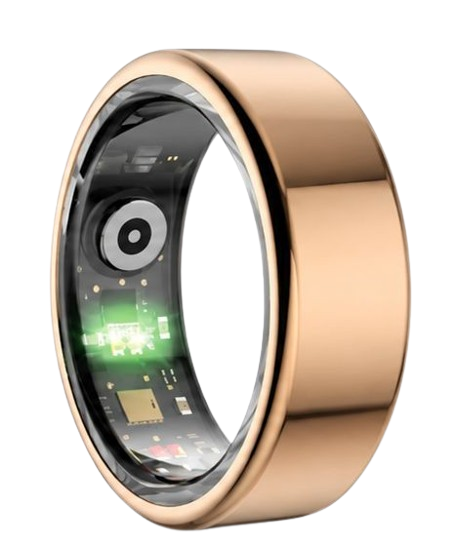
Explore the Herz P1 Smart Ring today or call our size advisors at 1-866-479-1629.
Note: Individual results may vary depending on individual health conditions, age, and lifestyle habits. This article is intended for general health reference purposes only.
