

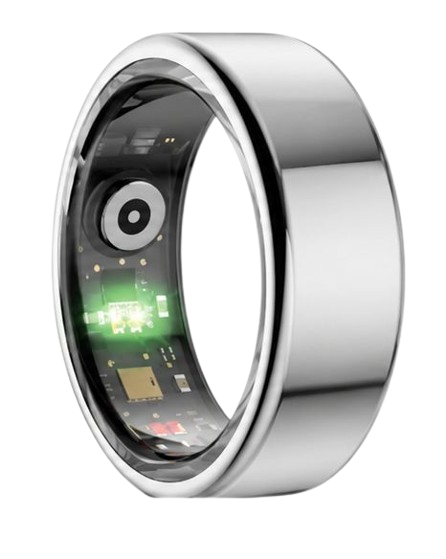
Achieving restorative rest can feel impossible when daily stress disrupts your biological rhythm, leaving you wondering how to get more deep sleep. Scientific research shows slow-wave sleep is critical for physical recovery, cellular repair, and brain health. Our team at Team Herz P1 created the sleek Herz P1 smart ring to help you continuously track sleep architecture without bulky screens or costly monthly fees.
Built to Last. Save Up to 69% Today.
The Herz P1 Smart Ring tracks HRV, Sleep, Heart Rate & SpO2 around the clock. No subscriptions. No renewals. Ever.
In This Article
- How to Optimize Your Body for Restorative Sleep: A rigorous step-by-step tutorial.
- The Biological Architecture of Sleep Stages: Deep dive into delta waves and physiological recovery.
- How Smart Rings Track Your Sleep Stages: The technical breakdown of multi-wavelength PPG sensors.
- Practical Lifestyle Habits: Clear protocols to build sleep efficiency and elevate HRV scores.
- Common Tracking Pitfalls: How to prevent inaccurate data and ensure proper device alignment.
How to Optimize Your Body for Restorative Sleep: A Step-by-Step Guide
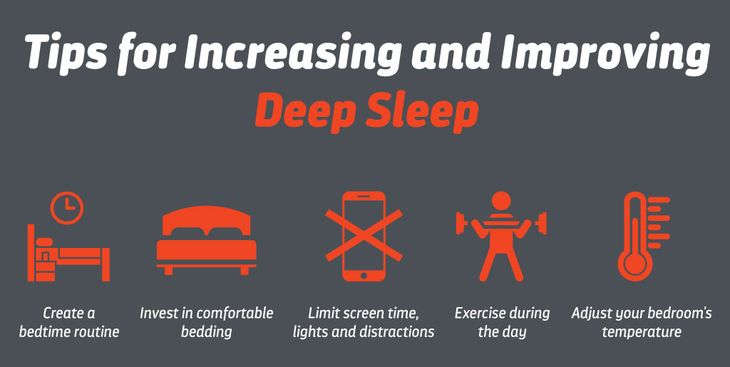
Before initiating this optimization protocol, you must prepare a few essential environmental and physical elements.
Make sure you have a reliable way to monitor your objective physiological metrics overnight.
You will need a room thermometer to adjust ambient air temperature precisely.
Keep a consistent sleep schedule in mind as you embark on this multi-step behavioral reset.
-
Step 1: Cool Down Your Sleeping Environment
Set your thermostat to a cool range between 60 and 67 degrees Fahrenheit before going to bed.
Your core body temperature must drop by about two degrees Fahrenheit to initiate and sustain deep slow-wave sleep.
High ambient temperatures interfere with this natural thermoregulatory decline and trigger midnight awakenings.
Use breathable cotton sheets or specialized cooling mattress pads to help dissipate body heat efficiently.
This environmental adjustment is the fastest way to signal your brain that it is time to rest.
-
Step 2: Establish a Strict Technology Wind-Down Period
Turn off all screens, including smartphones, tablets, and computers, at least 90 minutes before your planned bedtime.
These electronic screens emit concentrated blue light that actively suppresses your body’s natural melatonin production.
Melatonin suppression shifts your circadian rhythm and delays your entry into the deepest stages of sleep.
Replace screen time with low-light activities like reading a physical book or listening to relaxing music.
If you must use screens, equip them with warm-toned red filters to minimize biological disruption.
-
Step 3: Eliminate Late-Day Stimulants and Heavy Meals
Stop consuming caffeine after 12:00 PM to allow the stimulant to clear your cardiovascular system.
Caffeine blocks adenosine receptors in the brain, preventing the natural buildup of sleep pressure.
Avoid eating large, heavy meals within three hours of bedtime to prevent active digestion while asleep.
Active digestion elevates your resting heart rate and lowers your heart rate variability overnight.
Steer clear of alcohol near bedtime, as it fragments your sleep architecture and reduces slow-wave duration.
-
Step 4: Practice Passive Body Heating
Take a warm bath or shower about 90 minutes before you plan to go to sleep.
This therapeutic soak draws blood flow to your hands and feet by dilating peripheral blood vessels.
Once you step out of the warm water, your body rapidly radiates heat into the cooler room air.
This rapid drop in core body temperature acts as a powerful trigger for immediate sleepiness.
It mimics the natural cooling phase of your circadian cycle and accelerates sleep onset.
-
Step 5: Standardize Your Wake-Up and Light Exposure Times
Wake up at the exact same time every morning, including on your days off and weekends.
Step outside to expose your eyes to direct natural sunlight for 10 to 15 minutes immediately after waking.
This morning light exposure halts daytime melatonin release and anchors your master circadian clock.
Setting your biological clock in the morning determines when sleep pressure will peak later tonight.
Consistency is the single most powerful tool you have to stabilize your sleep phases.
Our team at Team Herz P1 understands that implementing these physical adjustments requires accurate feedback.
The Herz P1 smart ring monitors how these behavioral steps impact your physiological recovery.
Our device tracks your heart rate variability and blood oxygen saturation around the clock to show positive trends.
By observing your overnight metrics in our subscription-free app, you can fine-tune your evening habits with confidence.
Decoding the Biological Architecture of Sleep Stages
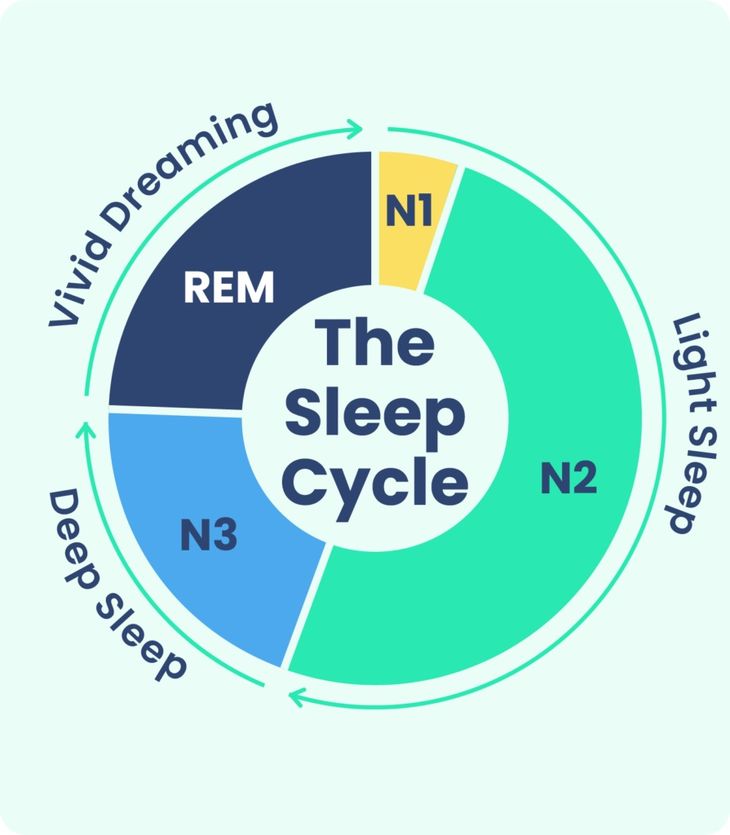
Your night is divided into recurring 90-minute biological cycles containing distinct stages of sleep.
The journey begins with light non-rapid eye movement sleep, which transitions your mind from wakefulness.
From there, your body descends into slow-wave sleep, commonly known as deep sleep.
This is the physical recovery phase where your brain waves slow down to synchronized delta waves.
The National Sleep Foundation emphasizes that deep sleep is when your pituitary gland releases essential human growth hormone.
This hormone is vital for repairing muscles, rebuilding cellular structures, and supporting a healthy immune system.
During deep sleep, your brain also activates its glymphatic system to clear metabolic waste products like beta-amyloid.
This biological cleansing process reduces the long-term risk of neurodegenerative issues.
If you experience not enough deep sleep causes such as stress or caffeine, your body cannot fully recover.
You wake up feeling physically fatigued, mentally slow, and vulnerable to systemic inflammation.
Understanding what causes deep sleep to decline allows you to take corrective action.
Many people worry about sleep limits and ask can you get too much deep sleep.
While excess deep sleep is rare, it is usually a sign that your body is recovering from severe, accumulated sleep deprivation.
For most adults, deep sleep should make up about 15% to 25% of their total overnight rest.
How Smart Rings Track Your Sleep Stages

Smart rings use highly advanced optical sensors located on the inner band to monitor your vital signs continuously.
These photoplethysmography sensors project precise wavelengths of light through the thin skin of your finger.
The light bounces off your digital blood vessels, allowing the ring to measure tiny volume changes with every pulse.
Because the digital arteries in your fingers are very close to the surface, smart rings collect exceptionally clean data.
This finger-based tracking is often much more accurate than wrist-based sensors that shift during movement.
By measuring the precise time intervals between heartbeats, the ring calculates your Heart Rate Variability.
Your autonomic nervous system controls these heart patterns, shifting as you transition between sleep stages.
A rise in parasympathetic activity indicates you have successfully transitioned into restorative deep sleep.
The ring’s algorithm also monitors changes in your blood oxygen saturation and body temperature trends.
Combining these biometric signals allows the system to distinguish between light, deep, and rapid eye movement sleep.
Many users want to learn how to get more rem sleep to boost cognitive performance.
Others are curious about the unique restorative attributes of light sleep.
Finding a healthy balance is key, and discovering how to get more rem and deep sleep is the ultimate goal.
The Herz P1 app consolidates all of these complex physiological insights into an easy-to-read sleep score.
Our technology shows you exactly how to have a deep sleep profile that matches your natural recovery needs.
Practical Application Guide & Lifestyle Tips
Monitoring your wellness data with the Herz P1 is a straightforward, intuitive experience.
Once you open the companion app in the morning, look at your Overnight Sleep Score.
This consolidated score combines your total sleep time, heart rate variability, and deep sleep percentage.
If you notice your deep sleep is low, check your late-afternoon cardiovascular stress levels in the app.
High daytime stress often carries over into the night, keeping your sympathetic nervous system active.
You can use this data to adjust your exercise timing and intensity during the day.
For instance, avoid scheduling high-intensity workouts late in the evening to prevent elevated sleep-onset heart rates.
Instead, prioritize relaxing walks or deep breathing exercises during your evening wind-down.
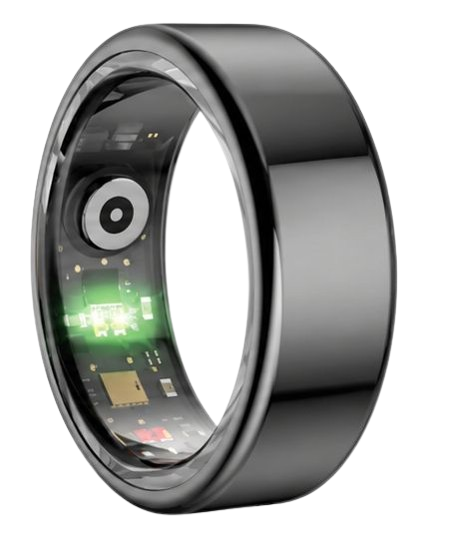
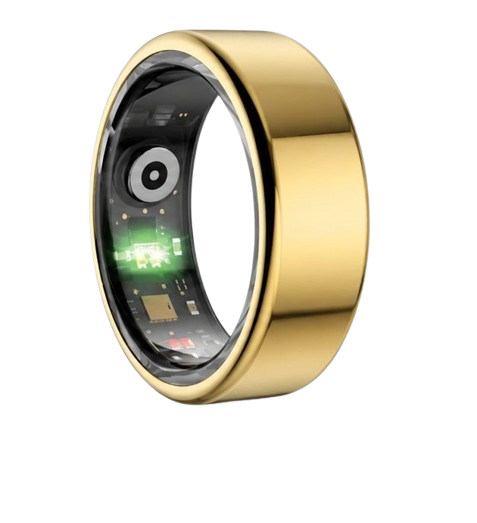
Because the Herz P1 is crafted from lightweight, military-grade steel, it is incredibly comfortable to wear 24/7.
You will barely feel it on your finger, allowing you to track sleep and workouts without any bulk.
The app keeps you informed of your long-term health trends without any hidden paywalls or subscription fees.
Overcoming Risks & Common Mistakes
Many health-conscious individuals make the mistake of wearing heavy, bulky smartwatches to bed.
These large wrist devices frequently shift and lose contact with your skin during the night.
This movement creates tracking gaps and inaccurate readings that can cause unnecessary health anxiety.
Bulky watches can also disrupt your natural sleep movements and cause frequent wakeups.
Another major frustration in the wearable market is the hidden cost of ongoing subscription fees.
Several premium smart rings lock your detailed sleep analysis behind restrictive monthly paywalls.
We believe your personal health data should belong to you completely, with no recurring costs.
The Herz P1 App is free for lifetime, giving you full access to all sleep and stress metrics.
Additionally, make sure you choose the correct ring size using our free sizing kit.
A ring that is too loose will rotate and produce inaccurate biometric readings.
Select a finger that provides a snug, comfortable fit without restricting your circulation.
Feature Comparison: Herz P1 vs. Competitors
Choosing the right wearable requires a clear understanding of features and total ownership costs.
The table below outlines how the Herz P1 compares to leading industry alternatives.
| Feature | Herz P1 Smart Ring | Standard Smartwatches | Basic Fitness Bands |
|---|---|---|---|
| Monthly Fee | $0 (Free App Forever) | Varies ($0 to $10/mo) | $0 |
| Form Factor | Lightweight Smart Ring | Bulky Wrist Screen | Narrow Wrist Band |
| Battery Life | 6 Days on a Single Charge | 1 to 2 Days | 5 to 7 Days |
| Warranty | 2-Year Warranty | 1-Year Warranty | 1-Year Warranty |
| Waterproof Rating | IP68 Waterproof | IP67 to IP68 | IP67 |
This comparison shows that the Herz P1 offers exceptional long-term value and durability.
You get highly accurate biometrics without the burden of charging your device every single day.
Frequently Asked Questions (FAQ)
Is the Herz P1 smart ring waterproof?
Yes, the Herz P1 features a robust IP68 waterproof design.
It is fully safe for swimming, showering, handwashing, and sweat-heavy workouts.
You can wear it with complete peace of mind during all of your daily water activities.
How long does the battery last on a full charge?
The Herz P1 battery lasts up to 6 days on a single charge.
It charges from empty to full in under 1 hour using our magnetic charging dock.
This fast-charging capability ensures you never miss important sleep or activity data.
Which finger is best to wear the smart ring on?
We recommend wearing the ring on your index, middle, or ring finger.
These fingers have prominent blood vessels near the skin surface for maximum sensor accuracy.
Choose the finger that feels most comfortable and secure for all-day and overnight wear.
Does the Herz P1 store health data offline?
Yes, the ring has secure built-in local storage that holds up to 7 days of offline data.
It will automatically sync your recorded metrics to the app once your phone is nearby.
You do not need to keep your smartphone close by while you sleep or exercise.
90-Day 100% Money-Back Guarantee
“The Herz Smart Ring helps me manage stress easily. It’s accurate, stylish, and lightweight—perfect for my busy life!”
— Jennifer P. | ✔ Verified Customer
- ✓ 6-Day Battery Life
- ✓ Detailed Sleep Analysis
- ✓ Fast 1-Hour Charging
- ✓ iOS & Android Ready
Questions? Call: 1-866-479-1629
Conclusion
Taking control of your sleep hygiene is the single most effective way to improve your physical health, cognitive clarity, and daily recovery.
The premium, subscription-free Herz P1 Smart Ring makes tracking these biometric shifts effortless and highly accurate.
Ready to monitor your health every day? Explore the Herz P1 Smart Ring and see if it fits your lifestyle. Call: 1-866-479-1629 — our team can help you advise on the correct ring size and set personalized health goals.
Note: Individual results may vary depending on individual health conditions, age, and lifestyle habits. This article is intended for general health reference purposes only.
