

Waking up completely restored is not a luxury, but a biological necessity that hinges on learning how to have a deep sleep every single night. At Herz P1, we analyze millions of biometric data points to help you unlock the power of slow-wave recovery without relying on medication or intrusive tracking equipment. By shifting your physiological baseline, you can predictably increase your body’s restorative resting periods and elevate your waking performance.
Built to Last. Save Up to 69% Today.
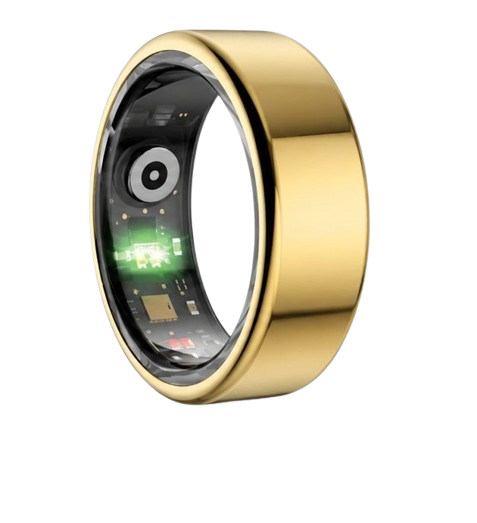
The Herz P1 Smart Ring tracks HRV, Sleep, Heart Rate & SpO2 around the clock. No subscriptions. No renewals. Ever.
In This Article
- Step-by-Step Recovery Guide: A proven biological protocol to stimulate Delta brainwaves.
- The Sleep Architecture Breakdown: Exploring deep sleep versus REM and Core sleep stages.
- Biometric Science: How monitoring your overnight Heart Rate and HRV reveals physiological stress.
- Practical Daily Habits: Simple changes you can apply starting tonight to restore your natural rhythm.
- Tracking with Precision: How wearable tech monitors your resting metrics with absolute convenience.
How to Have a Deep Sleep: A Step-by-Step Biometric Guide
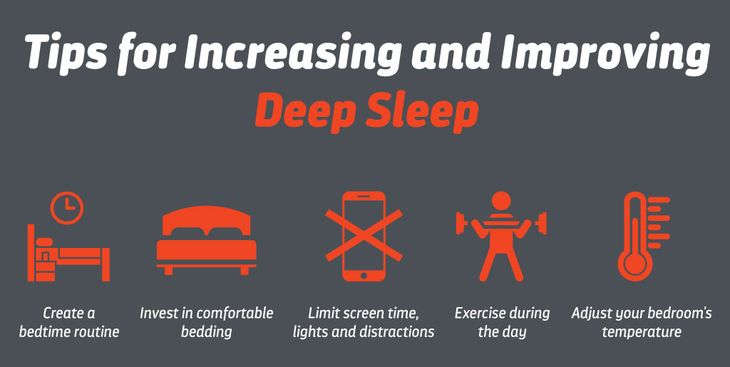
Achieving deep slow-wave sleep requires an intentional shift in your evening physiology.
To start this journey, you do not need complicated medical interventions or prescription sleep aids.
Instead, you need to prepare your brain and body by creating the correct thermal, chemical, and neural conditions.
Prerequisites / What You’ll Need
To follow this guide effectively, you will need a consistent bedroom environment that can be cooled and completely darkened.
You will also need to commit to avoiding stimulating substances like caffeine and alcohol during the afternoon and evening hours.
Finally, a reliable way to monitor your biometric signals will help you evaluate your nightly progress.
-
Step 1: Gradually Lower Your Core Body Temperature
Your brain requires a drop in temperature of approximately two to three degrees Fahrenheit to initiate slow-wave sleep.
To stimulate this cooling process, take a warm shower or bath ninety minutes before you plan to go to sleep.
When you step out of the warm water, your blood vessels dilate, which quickly expels heat from your core.
Keep your bedroom thermostat set between sixty-five and sixty-eight degrees Fahrenheit to support this natural drop.
Avoid heavy evening blankets that trap heat and lead to micro-arousals during the night.
-
Step 2: Eliminate Artificial Blue Light Exposure
Exposure to blue light from phones, tablets, and television screens stops the natural release of melatonin.
Melatonin is the essential hormone that signals your brain and body that it is time to rest.
Turn off or put away all digital screens at least sixty to ninety minutes before you go to bed.
If you must look at a screen, use amber-tinted glasses that block blue light wavelengths entirely.
Replace bright overhead lighting in your home with low-wattage, warm-toned lamps during the evening.
-
Step 3: Keep a Fixed Circadian Wake-Up Window
Your circadian rhythm functions like an internal biological clock that coordinates your hormones and body temperature.
Wake up at the exact same time every day, including on weekends, to anchor this natural cycle.
Expose your eyes to natural sunlight for ten to fifteen minutes within an hour of waking up.
This morning light exposure stops melatonin production and sets a timer for its natural release later that evening.
Maintaining a stable sleep schedule makes it much easier for your body to transition into slow-wave states.
-
Step 4: Avoid Late-Night Glycemic Surges
Eating large, heavy meals close to bedtime forces your digestive system to work when it should be resting.
High-sugar or high-carbohydrate meals before bed cause a quick spike in blood sugar, followed by a drop.
This drop triggers the release of cortisol and adrenaline, which can wake you up in the middle of the night.
Finish your last meal at least three hours before you plan to go to sleep to allow your digestion to settle.
If you feel hungry, choose a light, high-protein snack that will keep your blood sugar stable until morning.
-
Step 5: Reduce Evening Cognitive Stress
An overactive mind keeps your autonomic nervous system in a state of high alert and increases your heart rate.
Spend the last thirty minutes of your day doing quiet, screen-free activities like reading or gentle stretching.
Write down any worries or tomorrow’s to-do list on a piece of paper to clear your mind before your head hits the pillow.
Practice slow, deep diaphragmatic breathing to stimulate your vagus nerve and promote a state of relaxation.
This simple habit shifts your nervous system from a fight-or-flight state to a calm, restful state.
To make the most of these daily steps, our team at Herz P1 recommends tracking how your body responds to each change.
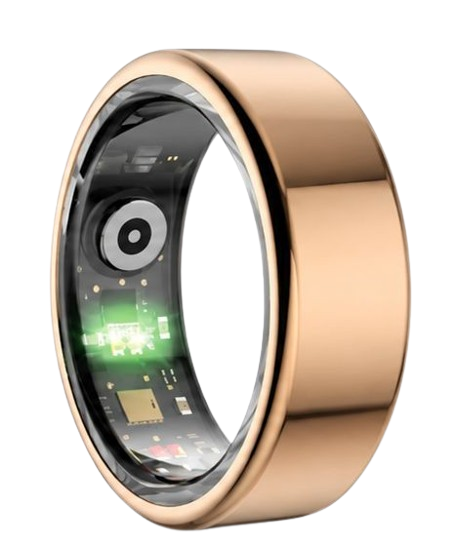
The Herz P1 Smart Ring continuously monitors your physiological trends, including your heart rate and sleep stages, around the clock.
With this detailed metric data, you can easily see which changes to your routine help you get more high-quality, restorative rest.
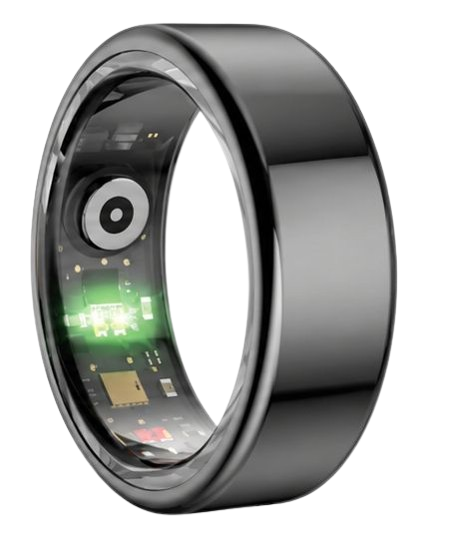
90-Day 100% Money-Back Guarantee
“The Herz Smart Ring helps me manage stress easily. It’s accurate, stylish, and lightweight—perfect for my busy life!”
— Jennifer P. | ✔ Verified Customer
- ✓ 6-Day Battery Life
- ✓ Detailed Sleep Analysis
- ✓ Fast 1-Hour Charging
- ✓ iOS & Android Ready
Questions? Call: 1-866-479-1629
The Physiology of Slow-Wave Rest: What Causes Deep Sleep?
Understanding what causes deep sleep is essential for anyone looking to improve their nighttime recovery.
This restorative state is also known as slow-wave sleep because of the slow Delta waves your brain produces during this phase.
Delta waves are high-amplitude, low-frequency electrical patterns that signal a shift in your central nervous system.
During this deep, restorative state, your body prioritizes tissue repair, cellular regeneration, and immune system strengthening.
Human growth hormone is released in large quantities, helping to heal micro-tears in your muscles and joints.
At the same time, your brain’s glymphatic system clears out metabolic waste that builds up during your waking hours.
If you suffer from low deep sleep, you will likely wake up feeling physically sore, mentally sluggish, and exhausted.
This common issue is often caused by chronic stress, late-night alcohol use, or environmental disturbances that disrupt your rest.
According to research from the National Sleep Foundation, healthy adults should spend roughly fifteen to twenty-five percent of their night in this restorative state.
When you track your patterns over several weeks, you can identify the exact lifestyle choices that are stealing your physical recovery.
Using a lightweight tracking device lets you see these trends without waking up from uncomfortable chest straps or heavy watches.
Understanding Your Nightly Architecture: Deep Sleep vs REM vs Core
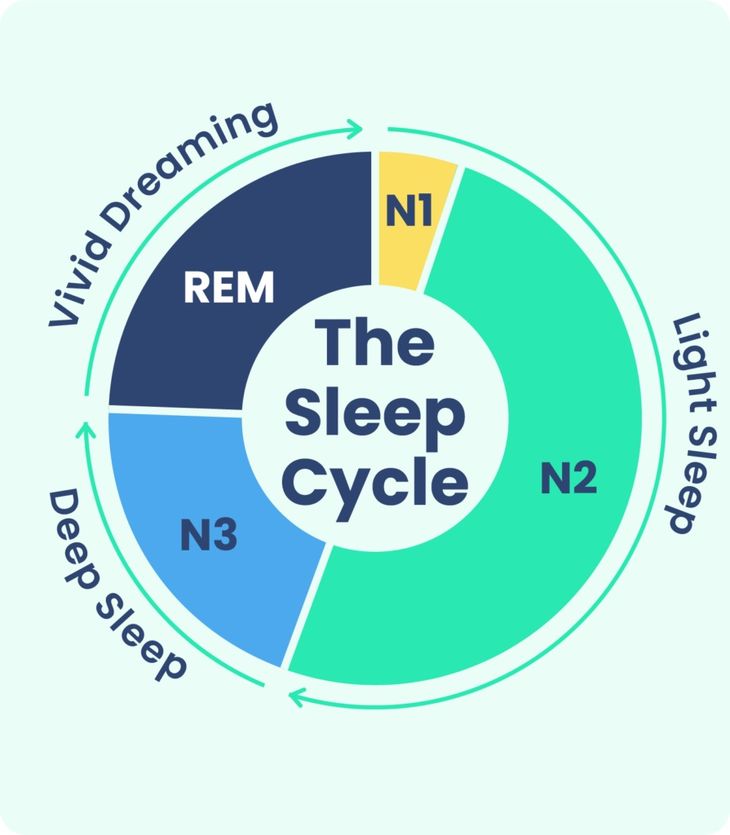
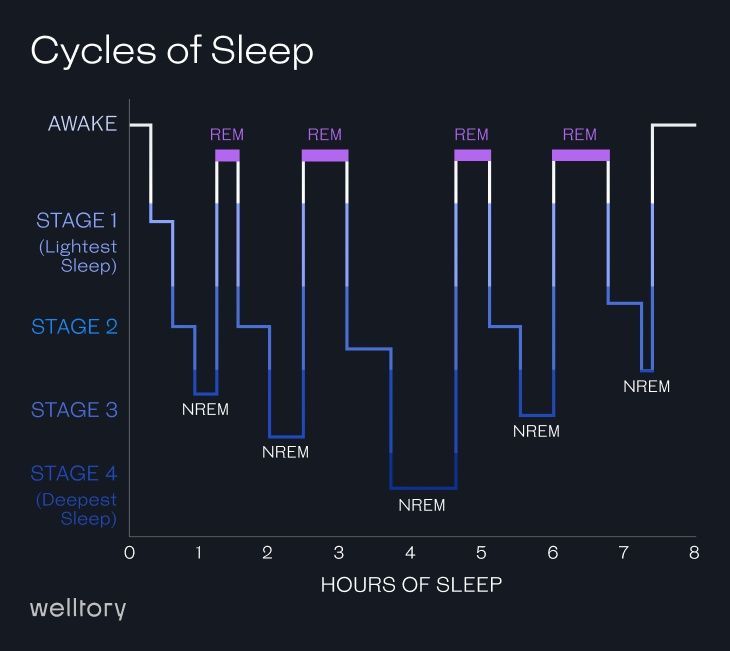
Your night is divided into several distinct cycles, each containing a delicate balance of deep sleep vs rem vs core rest.
These cycle phases repeat every ninety to one hundred and twenty minutes, shifting in priority as the night goes on.
Core sleep, or light sleep, makes up the largest portion of your night and serves as a transition phase between deeper states.
While core sleep is important, it does not provide the same level of physical restoration as slow-wave sleep.
In contrast, Rapid Eye Movement, or REM sleep, is the phase of rest where active dreaming and emotional processing occur.
During REM, your brain consolidates memories, processes emotions, and clears out unnecessary cognitive clutter.
To feel your best, your body must progress smoothly through all of these critical stages of sleep without interruption.
If you wake up frequently during the night, your sleep cycle resets, preventing you from reaching the deepest phases.
This means you can spend eight hours in bed but still wake up feeling tired because your sleep architecture was fragmented.
By monitoring these distinct stages, you can see if your body is spending enough time in each phase.
This baseline data helps you make smart adjustments to your lifestyle, bedroom environment, and evening routine.
Biometric Windows into Sleep Quality: Heart Rate and HRV
Your cardiovascular metrics provide an accurate, real-time window into the state of your autonomic nervous system.
As you transition into slow-wave states, your parasympathetic nervous system takes over, causing a natural drop in your cardiovascular metrics.
Your deep sleep heart rate should dip to its lowest point of the entire day, a phenomenon known as nocturnal dipping.
A healthy heart rate dip of ten to twenty percent indicates that your heart and blood vessels are resting and recovering.
If your heart rate remains high throughout the night, it means your body is struggling to escape a state of stress.
This physiological strain is often caused by late-night meals, alcohol, or intense cognitive activity close to bedtime.
Along with heart rate, Heart Rate Variability, or HRV, is one of the most reliable markers of physical recovery.
A high HRV during rest shows that your nervous system is balanced and highly adaptable to physical and mental demands.
By learning how to get more deep sleep, you can naturally improve your nightly HRV trends over time.
This improvement indicates that your body is recovering efficiently and building resilience against daily stressors.
However, it is also important to recognize that balance is key, and you should understand if can you get too much deep sleep under certain circumstances.
Excessive slow-wave rest can sometimes point to underlying physical exhaustion, chronic illness, or your body trying to recover from sleep deprivation.
Keeping a close eye on these metrics helps you stay within healthy recovery zones for your age and lifestyle.
Practical Application Guide: Optimizing Sleep with Your Herz P1
The companion app for the Herz P1 Smart Ring makes it incredibly simple to read, understand, and apply your nightly biometric data.
Every morning, the app compiles your heart rate, HRV, and movement data into an easy-to-read, personalized Sleep Score.
Instead of guessing how you slept, you can see the exact breakdown of your light, deep, and REM sleep phases.
If you see that your slow-wave recovery was low, you can check your evening routine for potential disruptions.
For example, you might notice that eating a meal late in the evening directly correlates with a higher heart rate and less recovery.
This immediate feedback helps you connect your daily lifestyle choices with your actual physiological recovery.
You can also use your daytime HRV Stress Index to plan the intensity of your workouts and daily schedule.
If your waking HRV is exceptionally low, your body is still carrying stress and fatigue from the previous day.
On these days, choosing a lighter recovery walk or gentle yoga session can protect your body from overtraining.
Conversely, a high recovery score tells you that your system is fully restored and ready for high-intensity physical challenges.
The sleek, lightweight ring design makes it comfortable to wear 24/7 without the skin irritation caused by bulky silicone watch bands.
With a battery that lasts up to six days on a single charge, you can track your health continuously without charging anxiety.
Overcoming Risks & Common Sleep Tracking Mistakes
Many people try to monitor their health using heavy smartwatches that are uncomfortable to wear to bed.
These bulky wrist devices can easily catch on your sheets, press into your skin, and cause micro-arousals during the night.
These tiny disturbances wake you up briefly, disrupting your sleep cycle and reducing the amount of deep rest you get.
Switching to a lightweight, minimalist smart ring completely eliminates this physical discomfort while improving sensor contact.
Because the skin on your fingers is thinner than your wrist, a ring can read your pulse and blood oxygen levels more accurately.
This design choice ensures you get highly accurate data without sacrificing your comfort or sleep quality.
Another major frustration in the wearable market is the hidden cost of ongoing monthly app subscriptions.
Many brands charge a high price for their hardware, then lock your health data behind an expensive paywall.
At Herz P1, we believe that you should never have to pay a monthly fee to access your own biological information.
Our companion app is completely free for lifetime, providing unlimited access to all of your metrics and historical trends.
We combine this subscription-free philosophy with durable materials, including military-grade steel and an IP68 waterproof rating.
This means your ring is built to survive daily handwashing, workouts, and swimming sessions while providing lifetime value.
Frequently Asked Questions (FAQ)
Is the Herz P1 Smart Ring waterproof?
Yes, the Herz P1 is fully IP68 waterproof and built to handle your daily life.
It can be safely submerged in water up to one hundred and sixty-four feet deep without any risk of damage.
You can wear it while washing your hands, taking a shower, or swimming laps in a pool.
You do not need to take it off during your daily routines, ensuring you never miss a biometric signal.
How long does the battery last on a single charge?
The high-performance battery in the Herz P1 lasts up to six days under normal, continuous use.
When it is time to recharge, the ring reaches a full charge in less than one hour using the included charger.
This long battery life means you can wear it day and night without constantly worrying about your battery dying.
It is designed to fit seamlessly into a busy lifestyle without requiring daily attention.
Which finger is the best to wear the smart ring on?
For the most accurate biometric readings, we recommend wearing the ring on your index, middle, or ring finger.
These fingers have a rich network of blood vessels close to the surface of the skin, which helps the optical sensors.
Make sure the ring fits snugly but comfortably without spinning too easily or pinching your skin.
A good fit ensures the sensors maintain steady contact with your skin for accurate tracking.
Does the ring store my biometric data when it is offline?
Yes, the Herz P1 has built-in storage that can save up to seven days of biometric data offline.
You do not need to keep your smartphone nearby or leave your Bluetooth connected overnight.
When you open the companion app, the ring will automatically sync all of your stored data to your phone.
This offline capability protects your data and gives you the freedom to disconnect from your phone when you sleep.
Conclusion
Achieving consistent, restorative rest is a skill you can master by monitoring your body’s natural physiological trends.
Ready to monitor your health every day? Explore the Herz P1 Smart Ring and see if it fits your lifestyle. Call: **1-866-479-1629** — our team can help you advise on the correct ring size and set personalized health goals.
Note: Individual results may vary depending on individual health conditions, age, and lifestyle habits. This article is intended for general health reference purposes only.
