

Every night, your body undergoes a complex biological restoration process, and understanding how to get more rem and deep sleep is essential for waking up fully recovered, mentally sharp, and physically energized. Many struggle with fragmented sleep, daytime fatigue, and low heart rate variability without knowing what causes their nightly deficits. The Herz P1 smart ring is designed to decode these complex physiological signals from your finger with medical-grade precision. In this comprehensive guide, we will outline proven behavioral modifications and advanced biometric strategies to help you optimize your nightly recovery.
Built to Last. Save Up to 69% Today.
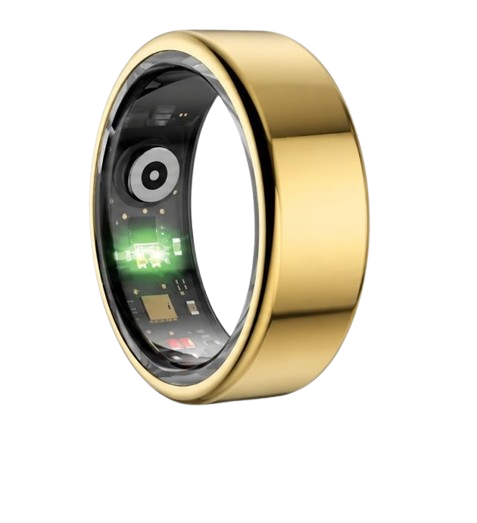
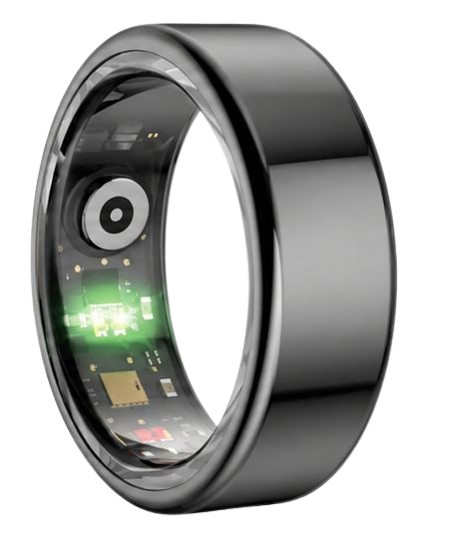
The Herz P1 Smart Ring tracks HRV, Sleep, Heart Rate & SpO2 around the clock. No subscriptions. No renewals. Ever.
In This Article
- How to Optimize Your Sleep Environment: Essential steps to naturally extend both restorative stages of sleep.
- The Science of Sleep Stages: What actually occurs during deep slow-wave restoration and rapid eye movement.
- Biometric Data Tracking: How modern wearable tools decode heart rate, blood oxygen levels, and autonomic nervous activity.
- Advanced Lifestyle and Recovery Protocols: Leveraging data from your smart ring to fine-tune daily recovery patterns.
How to Optimize Your Nightly Sleep: An Actionable Blueprint
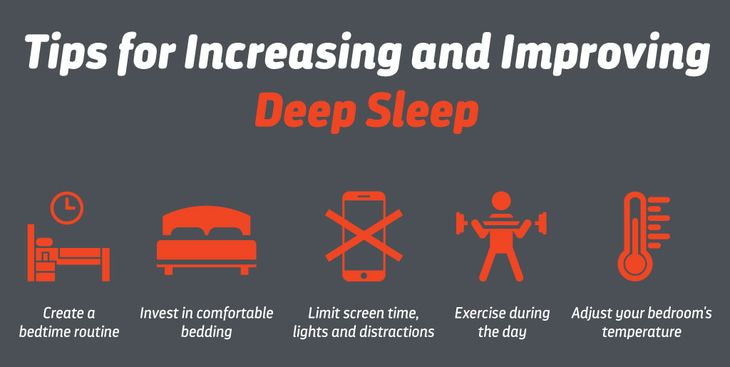
Achieving structural sleep balance is a systematic process that requires attention to environmental and behavioral details.
To successfully improve deep and rem sleep stages, you must modify how you interact with light, temperature, and dietary variables.
Before beginning, ensure you are committed to tracking your progress objectively over a consecutive thirty-day period.
Prerequisites and Necessary Conditions
To implement this blueprint, you will need a dark sleeping room, a way to regulate ambient temperatures, and an accurate biometric sensor.
You should also avoid high-intensity exercise within three hours of your target bedtime to keep physiological stress minimal.
Consistency is your greatest asset, as erratic sleeping hours will disrupt your natural hormonal rhythms.
-
Step 1: Optimize Your Light Exposure Dynamics
Expose your eyes to bright, natural sunlight within thirty minutes of waking up each morning.
This early light exposure signals your brain to stop producing melatonin and sets a natural timer for evening sleepiness.
Conversely, eliminate artificial blue light sources at least ninety minutes before you plan to close your eyes.
Blue wavelengths from digital screens suppress melatonin release, which can severely delay your transition into REM cycles.
By correcting this daily light contrast, you will naturally discover how to induce rem sleep more efficiently.
-
Step 2: Establish a Cool Thermal Environment
Your core body temperature must drop by approximately two degrees Fahrenheit to initiate high-quality slow-wave sleep.
Set your bedroom thermostat to a range between sixty-five and sixty-eight degrees Fahrenheit.
Using breathable bedding made of natural fibers like cotton or bamboo will prevent heat retention.
Taking a warm shower ninety minutes before bed can also assist, as the subsequent rapid cooling promotes sleep onset.
This thermal shift is one of the quickest ways to encourage your brain to enter deeper restorative cycles.
-
Step 3: Define a Consistent Circadian Anchor Point
Go to bed and wake up at the exact same time every day, including on your weekend rest days.
Your biological clock relies heavily on regularity to allocate time for specific sleep stages throughout the night.
If you constantly shift your bedtime, your brain will struggle to predict when to execute deep slow-wave repair.
A consistent schedule ensures that the early part of your night is optimized for cellular restoration.
Over time, this structural habit helps you discover how to get into deep sleep without sleep medications.
-
Step 4: Restrict Evening Caloric and Stimulant Consumption
Avoid consuming large, complex meals within three hours of your planned bedtime.
Digestion requires substantial cardiovascular effort, which raises your resting heart rate and lowers overnight recovery scores.
Additionally, stop consuming caffeine at least ten hours before your sleep window begins.
Caffeine blocks adenosine receptors, preventing the biological sleep pressure required to fall into deep slow-wave stages.
Restricting alcohol intake is equally critical, as alcohol severely fragments your sleep architecture and completely blocks REM cycles.
-
Step 5: Practice Pre-Bed Autonomic Downregulation
Dedicate the final thirty minutes of your day to a calming, non-stimulating routine.
You can practice deep diaphragmatic breathing, read physical books, or engage in progressive muscle relaxation.
These practices shift your nervous system from a sympathetic fight-or-flight state to a parasympathetic state.
Lowering your physiological arousal before bed reduces overnight stress spikes and keeps your heart rate stable.
Engaging in these relaxing activities will help you improve sleep stages naturally.
Enhance Your Journey With the Herz P1 Smart Ring
Implementing these lifestyle changes is highly effective, but you cannot manage what you do not measure.
The Herz P1 Smart Ring fits comfortably on your finger, tracking every developmental shift in your sleep architecture without bulky wristbands.
By wearing the Herz P1, you gain access to an absolute, data-driven perspective on how your light, temperature, and dietary changes impact your sleep quality.
Our sophisticated companion app tracks your progress effortlessly, offering actionable daily insights to help you build a healthier life.
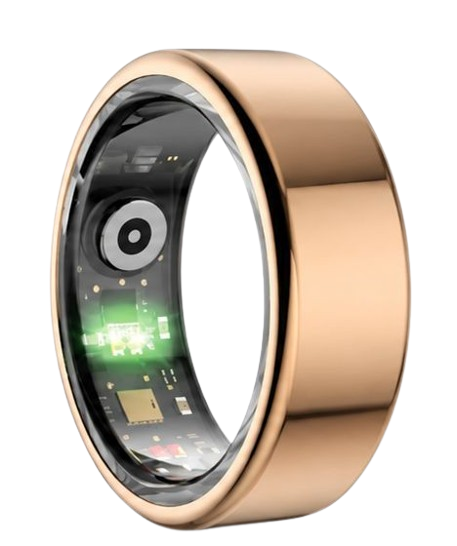
90-Day 100% Money-Back Guarantee
“The Herz Smart Ring helps me manage stress easily. It’s accurate, stylish, and lightweight—perfect for my busy life!”
— Jennifer P. | ✔ Verified Customer
- ✓ 6-Day Battery Life
- ✓ Detailed Sleep Analysis
- ✓ Fast 1-Hour Charging
- ✓ iOS & Android Ready
Questions? Call: 1-866-479-1629
The Science Behind Sleep Staging and Biometric Tracking

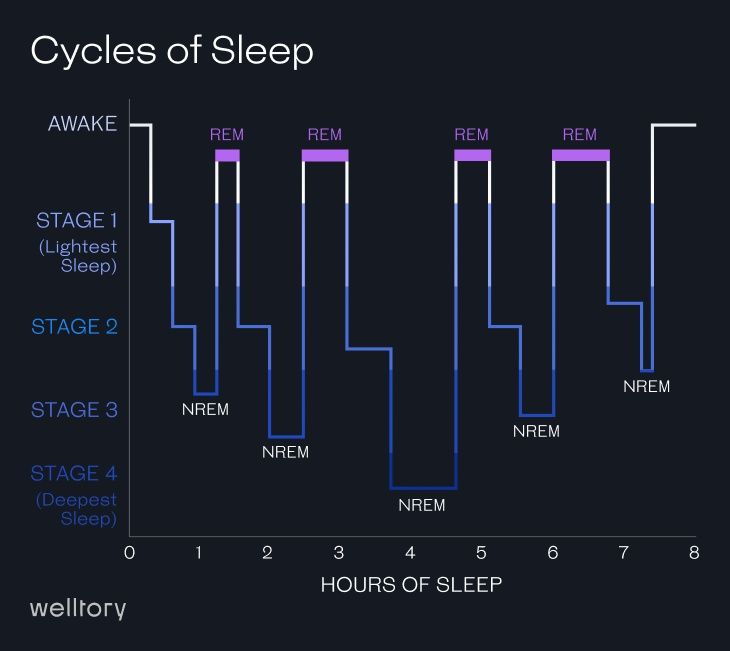
To master your nightly recovery, you must first understand the architecture of the human sleep cycle.
According to the National Sleep Foundation, healthy adults transition through multiple stages of sleep several times each night.
Each complete cycle lasts approximately ninety minutes, blending light sleep, deep slow-wave sleep, and REM phases.
During the first half of the night, your brain prioritizes deep slow-wave sleep, which is characterized by slow delta brainwaves.
This phase is when your body releases human growth hormone, repairs muscle tissue, and strengthens your immune response.
If you want to know what causes deep sleep, look to factors like high daylight exposure and physiological fatigue.
Without sufficient time spent in this stage, you will likely wake up feeling physically sore and unrested.
As the night progresses into the morning hours, the brain shifts its structural focus toward REM sleep.
REM is the stage where vivid dreaming occurs, characterized by rapid eye movements and temporary muscle paralysis.
This phase is crucial for cognitive processing, emotional regulation, and memory consolidation.
During REM, your brain organizes information from the day, clearing out unnecessary neural connections.
If you fail to get enough REM sleep, you may experience brain fog, irritability, and memory retention issues.
To optimize your health, learning how to get more deep sleep must be paired with strategies to protect your morning REM cycles.
The key to maximizing both stages lies in minimizing physiological stressors that fragment your sleep architecture.
Biometric Signals: What HRV and SpO2 Tell You About Sleep Recovery
A high-quality tracking device does not guess your sleep stages; it reads clear physiological markers.
Your autonomic nervous system continuously modulates your heart rate variability (HRV) and respiration patterns.
HRV represents the variation in time between consecutive heartbeats, measured in milliseconds.
When you enter deep slow-wave sleep, your parasympathetic nervous system becomes dominant, causing your heart rate to slow down and stabilize.
This shift is marked by a steady rise in your overnight HRV, reflecting deep autonomic recovery.
If you are exploring how to get more rem sleep, tracking these subtle cardiovascular changes is essential.
Conversely, during REM sleep, your heart rate and breathing patterns can become highly irregular as your brain active-processes emotions.
Blood oxygen saturation (SpO2) is another critical metric that professional wearables track throughout the night.
SpO2 measures the percentage of oxygen-carrying hemoglobin in your blood relative to the maximum capacity.
Healthy individuals typically maintain overnight SpO2 levels between ninety-five and one hundred percent.
Subtle drops in your SpO2 can indicate breathing disruptions, which pull you out of deep recovery stages and fragment your rest.
By monitoring both HRV and SpO2, you can identify hidden stressors like sleep apnea or bedroom air quality issues.
This allows you to make informed changes to improve sleep stages naturally and track your progress night after night.
The Herz P1 utilizes advanced optical PPG sensors to capture these vital metrics with incredible precision.
Practical Application Guide: Reading Your Herz P1 Sleep Data
Once you put on the Herz P1 Smart Ring, our companion app begins collecting data to form your personalized baseline.
Every morning, you will receive a comprehensive Sleep Score out of one hundred, calculated from several metrics.
The app displays a clear visual breakdown of your light, deep, and REM sleep phases.
If you notice your deep sleep is below fifteen percent of your total rest, focus on early morning light and cooler room temperatures.
If your REM sleep is consistently low, audit your evening blue light exposure and reduce your mental workload before bed.
You can also use the HRV Trend screen to determine if you are overtraining or carrying high levels of unresolved stress.
A sudden dip in your morning HRV baseline suggests that your body requires a low-intensity recovery day.
The Herz P1 is lightweight and comfortable to wear 24/7, making it easy to track these trends without the distraction of a glowing screen.
Overcoming Sleep Tracker Risks and Common Pitfalls
Many individuals try to track their sleep using bulky smartwatches with bright screens.
These large devices are often uncomfortable to wear to bed, causing physical discomfort that can wake you up.
Furthermore, standard smartwatches often require daily charging, leading to frequent gaps in your weekly sleep data.
Another common issue in the wearable market is the presence of hidden, ongoing subscription fees.
Some brands lock your detailed biometric data behind monthly paywalls, charging you repeatedly to view your own health information.
At Team Herz P1, we believe your health data belongs entirely to you, without any recurring costs.
Our companion app is completely free for life, ensuring you never have to pay a subscription fee to access your insights.
We combine military-grade steel construction with a comfortable, subscription-free experience that helps you focus on genuine recovery.
Frequently Asked Questions About Sleep Tracking and the Herz P1
Is the Herz P1 Smart Ring waterproof enough for daily wear?
Yes, the Herz P1 features a certified IP68 waterproof rating, allowing it to withstand water depths up to 164 feet. This means you can safely wear your ring while swimming, taking a shower, washing your hands, or sweating during intense workouts without damaging the internal sensors.
How long does the Herz P1 battery last on a single charge?
The Herz P1 is engineered with advanced power-saving technology, providing up to 6 days of continuous biometric tracking. When the battery does run low, you can charge it fully in under 1 hour using the included rapid-charging dock.
Which finger is the best option to wear the smart ring on?
For the highest biometric accuracy, we recommend wearing the Herz P1 on your index, middle, or ring finger. These fingers have optimal blood vessel density near the skin surface, allowing our optical sensors to read your pulse and blood oxygen levels cleanly.
Can the Herz P1 store my health data offline if my phone is disconnected?
Yes, the ring contains built-in local memory capable of storing up to 7 days of detailed biometric data offline. Once your ring reconnects to your smartphone via Bluetooth, it will automatically sync all saved data to your app dashboard.
Conclusion
Optimizing your REM and deep sleep is a powerful way to transform your health, energy, and mental performance.
The Herz P1 Smart Ring provides the reliable, subscription-free tracking you need to make successful adjustments every day.
Ready to monitor your health every day? Explore the Herz P1 Smart Ring and see if it fits your lifestyle.
Call: 1-866-479-1629 — our team can help you advise on the correct ring size and set personalized health goals.
Note: Individual results may vary depending on individual health conditions, age, and lifestyle habits. This article is intended for general health reference purposes only.
