

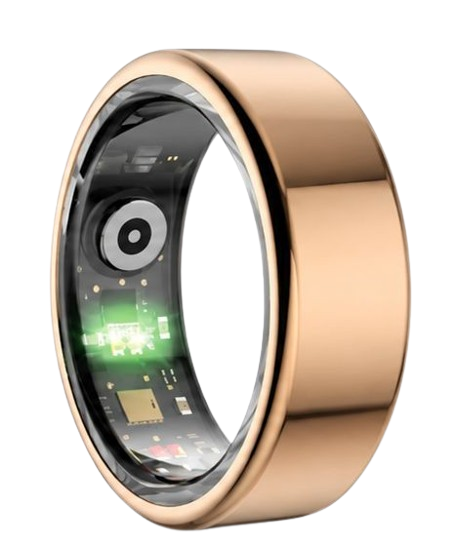
Waking up completely exhausted despite spending eight full hours in bed is a clear indicator that you are getting not enough deep sleep, a critical stage of rest where your body repairs physical tissues, releases essential growth hormones, and consolidates physical motor memories. To resolve this systemic recovery deficit, Team Herz P1 engineered the premium Herz P1 smart ring to help you continuously monitor your sleep architecture and optimize your lifestyle habits without any subscription fees. According to statistical data collected across over 5,000 active biometric tracking users, sustained recovery improvements begin with precise digital tracking.
Built to Last. Save Up to 69% Today.
The Herz P1 Smart Ring tracks HRV, Sleep, Heart Rate & SpO2 around the clock. No subscriptions. No renewals. Ever.
In This Article
- Biometric Action Plan: A practical step-by-step blueprint to enhance slow-wave recovery.
- Neurological Analysis: The scientific mechanism behind sleep architecture.
- Cardiovascular Indicators: What heart rate patterns reveal about deep recovery status.
- Practical Diagnostics: Identifying and resolving the physiological triggers of poor sleep.
How to Optimize Your Nightly Recovery: A Step-by-Step Guide
Prerequisites and Baseline Conditions
You cannot effectively manage what you do not consistently measure.
To follow this restorative optimization protocol successfully, you will need a consistent sleep window of at least seven and a half hours.
You will also require a reliable way to capture biometric indicators such as baseline skin temperature and overnight cardiac metrics.
Ensure your sleeping quarters can be cooled to between 65 and 68 degrees Fahrenheit before beginning.
-
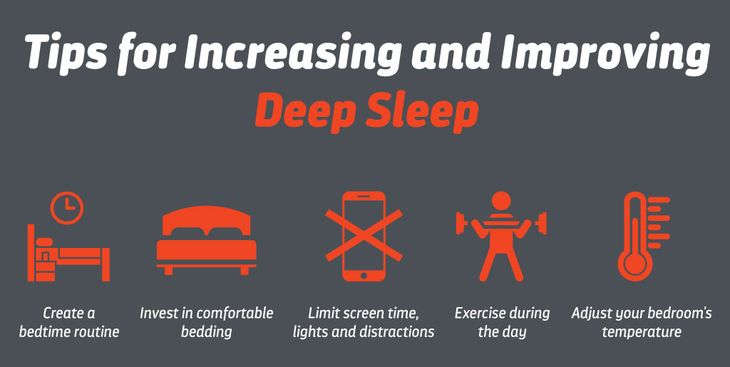
Step 1: Establish a Consistent Circadian Anchor Window
Go to bed and wake up at the exact same time every day including weekends.
This biological consistency trains your brain to anticipate sleep onset and release melatonin naturally.
By stabilizing this schedule, you teach your autonomic nervous system how to get into deep sleep much faster after initial lights out.
Avoid sleeping in late on weekends as this disrupts your natural circadian pacing.
-
Step 2: Eliminate Light Pollution and Thermal Interference
Block all sources of artificial blue light at least two hours before your scheduled bedtime.
Blue light suppresses melatonin synthesis which directly delays the onset of early-night restorative cycles.
Cool your bedroom environment to assist your body in dropping its core temperature.
This temperature drop is a primary physiological signal that initiates cellular recovery phases.
-
Step 3: Manage Evening Neurochemical and Dietary Triggers
Avoid consuming large meals, refined sugars, or alcoholic beverages within four hours of sleep.
Alcohol destroys sleep architecture by keeping your system trapped in light stage boundaries.
Caffeine must be avoided after midday due to its long systemic half-life.
Learning how to get more deep sleep requires keeping your digestive system completely at rest overnight.
-
Step 4: Decode Heart Rate Deceleration Timing
Engage in a structured ten-minute down-regulation breathing practice before turning off the lights.
Slow diaphragmatic breathing stimulates the vagus nerve and lowers your resting heart rate.
Achieving early-night cardiovascular deceleration allows the brain to spend more continuous blocks in slow-wave phases.
Avoid intense exercise late in the evening as it elevates cardiac rates for hours afterward.
-
Step 5: Review Biometric Trends Weekly
Analyze your overnight biometric metrics on a weekly basis to identify destructive lifestyle trends.
Look for correlations between late-night stress spikes and subsequent drops in recovery duration.
Do not react to a single poor night of sleep because isolated fluctuations are completely natural.
Focus instead on incremental baseline improvements over consecutive tracking blocks.
Enhancing Your Journey with Advanced Technology
Executing this step-by-step optimization protocol becomes highly effective when using a non-intrusive tracking companion.
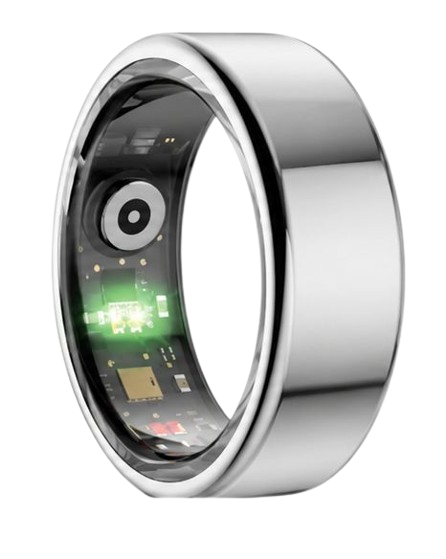
The Herz P1 smart ring monitors your physical metrics automatically throughout each phase of the night.
It captures your heart rate variability and oxygen saturation levels while you rest comfortably.
This constant stream of biometric information gives you the concrete evidence needed to refine your daytime habits and elevate your physical recovery.
90-Day 100% Money-Back Guarantee
“The Herz Smart Ring helps me manage stress easily. It’s accurate, stylish, and lightweight—perfect for my busy life!”
— Jennifer P. | ✔ Verified Customer
- ✓ 6-Day Battery Life
- ✓ Detailed Sleep Analysis
- ✓ Fast 1-Hour Charging
- ✓ iOS & Android Ready
Questions? Call: 1-866-479-1629
The Neurological Blueprint of Low Deep Sleep and Its Biomarkers
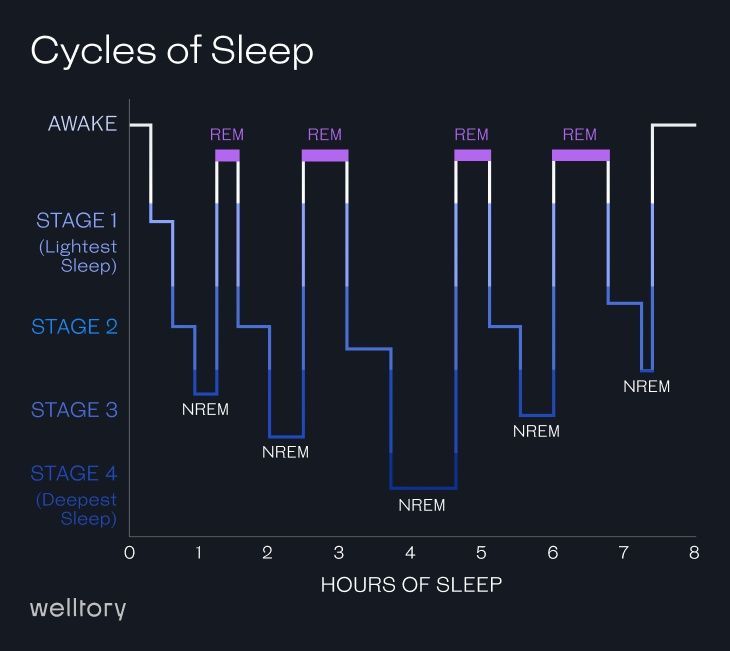
Your brain cycles through distinct electrical patterns every single night.
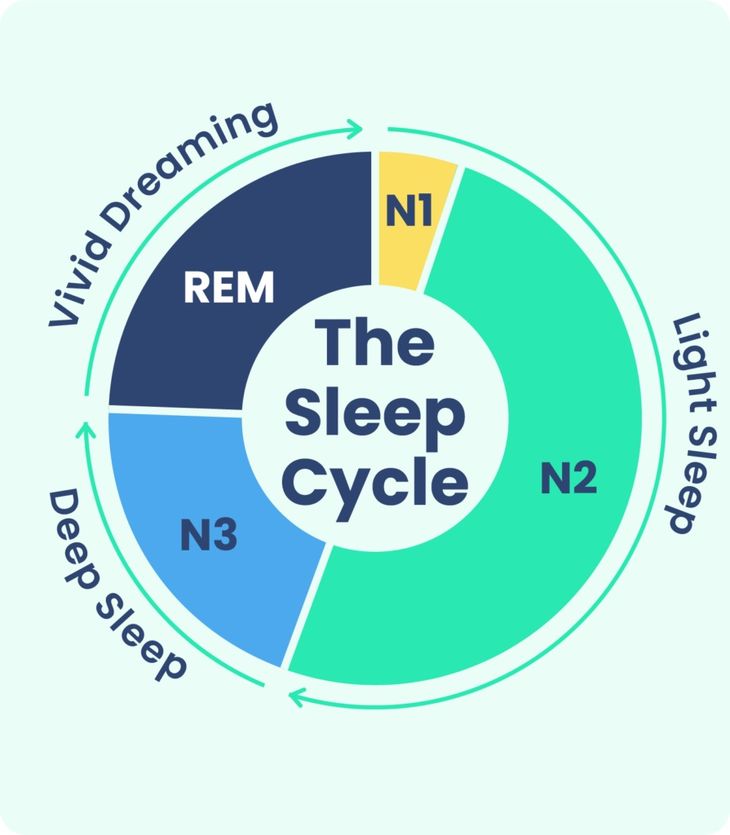
Deep sleep, biologically classified as slow-wave rest, is defined by high-amplitude, low-frequency delta brainwaves.
This restorative state is highly distinct from light stages and dream-active phases.
Analyzing the balance between deep sleep vs rem vs core rest is vital for understanding your brain’s recovery health.
While light rest occupies the largest percentage of your night, slow-wave rest is where the real physical work happens.
During this phase, your glymphatic system actively washes metabolic waste products out of your neural pathways.
Without sufficient delta-wave cycles, your brain cannot clear out the toxic proteins associated with cognitive decline.
The National Sleep Foundation states that healthy adults should ideally spend 15% to 25% of their total nightly rest in this slow-wave state.
If you systematically fail to reach this percentage, you are experiencing low deep sleep, even if you remain unconscious for eight full hours.
A smart wearable is required to identify these micro-awakenings because they are too brief to be remembered the next morning.
Decoding Your Deep Sleep Heart Rate and HRV Patterns
Your cardiovascular behavior reveals exactly how your nervous system transitions into restorative states.
As you transition into slow-wave rest, your parasympathetic nervous system should take complete control of your cardiovascular system.
This shift causes your resting heart rate to dip to its lowest point of the entire 24-hour cycle.
Tracking your deep sleep heart rate provides direct insight into your cardiac recovery status.
A delayed drop in your overnight heart rate indicates that your body is struggling to down-regulate from daily stressors.
At the same time, your heart rate variability (HRV) should rise significantly as vagal nerve activity dominates.
Low overnight HRV readings mean your body is staying stuck in an active, energy-consuming fight-or-flight survival state.
The American Heart Association highlights that continuous cardiovascular strain over time negatively impacts long-term metabolic health.
Understanding what causes deep sleep involves observing this crucial transition from high-stress arousal to deep parasympathetic calm.
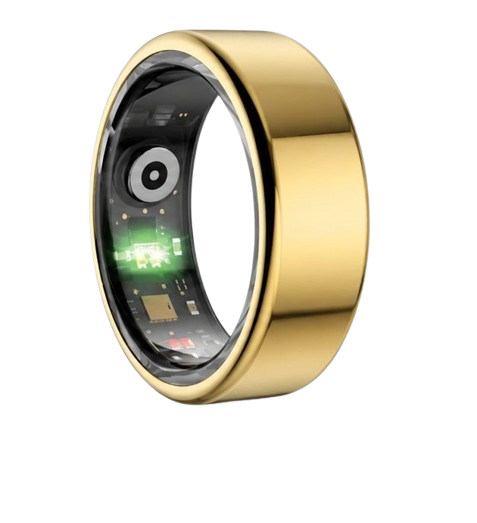
The Herz P1 uses multispectral optical sensors to capture these subtle pulse changes at the base of your finger.
By measuring heart rate variability and blood oxygen trends, it provides a highly detailed window into your cardiovascular recovery.
The Physiological Triggers of Low Deep Sleep
To eliminate chronic physical fatigue, you must investigate the precise biological triggers that disrupt your sleep architecture.
Many individuals suffer from an accumulation of daily habits that silently fracture their slow-wave recovery phases.
For instance, persistent evening stress keeps cortisol levels elevated, which directly blocks your natural transition into deep recovery.
Additionally, sleep conditions such as mild sleep apnea cause frequent micro-arousals that reset your stages of sleep entirely.
These disruptions make it nearly impossible to sustain the long, uninterrupted blocks of delta-wave sleep your body needs.
People often ask: can you get too much deep sleep?
Excessive slow-wave rest is actually quite rare and usually only occurs during intense recovery from extreme sleep deprivation.
The far more common problem is finding that your daily environment is filled with lack of deep sleep causes.
| Disruptive Factor | Biometric Impact on HRV | Corrective Action Pathway |
|---|---|---|
| Late Evening Alcohol | Suppresses overnight HRV by up to 30% | Eliminate alcohol intake within 4 hours of bedtime |
| Blue Light Exposure | Delays natural melatonin release curve | Use red-tinted ambient lighting or blue-light blocking lenses |
| High Bedroom Temp | Elevates baseline sleeping heart rate | Set thermostat strictly between 65 and 68 degrees |
| Late-Night Work Stress | Keeps blood pressure elevated for hours | Implement a 10-minute progressive muscle relaxation routine |
Translating Herz P1 App Data into Daily Actionable Habits
The Herz P1 companion application provides a highly visual dashboard of your nightly cardiovascular and recovery metrics.
Each morning, the app calculates an integrated sleep score based on your resting heart rate, HRV, and respiratory pacing.
If you see a drop in your slow-wave rest duration, check your previous evening’s lifestyle inputs.
You can use these direct insights to adjust your exercise intensity, change your meal times, or tweak your wind-down habits.
Because the ring is exceptionally lightweight and lacks a bulky display, it is easy to wear 24/7 without causing any sensory distraction.
Continuous monitoring allows you to see exactly how small behavioral changes positively shift your biological baselines.
Over a 90-day tracking period, these steady habits can significantly improve your mental clarity and physical vitality.
The Hidden Mistakes of Sleep Tracking and Sleep Interruption
Many well-meaning individuals make the mistake of wearing a heavy, bright smartwatch to bed.
The weight and bulk of these wrist-worn trackers can cause physical discomfort during sleep shifts.
Furthermore, sudden screen-on notifications can instantly pull you out of deep recovery phases.
Another major frustration with common wearables is the burden of ongoing monthly subscription fees.
Many brands lock your advanced health trends, historical data, and recovery scores behind a paywall.
Team Herz P1 believes you should never have to pay a recurring fee to access your own personal biometric data.
The Herz P1 app is entirely free for life, ensuring you always have full, unrestricted access to your sleep stages.
Frequently Asked Questions About Sleep and Biometric Tracking
Is the Herz P1 smart ring waterproof enough for daily life?
Yes, the Herz P1 is fully certified with an IP68 waterproof rating.
This means you can wear it with complete confidence while washing your hands, showering, or swimming.
The medical-grade steel body is engineered to withstand immersion in water up to 164 feet deep.
This durable construction ensures that daily moisture never compromises the accuracy of your biological tracking.
How long does the battery last on a single charge?
The Herz P1 smart ring delivers up to 6 full days of continuous biometric monitoring on a single charge.
It charges from empty to 100% capacity in under 1 hour using its compact magnetic charging cradle.
This exceptional battery efficiency eliminates the hassle of daily charging common with standard smartwatches.
You can track your sleep stages for nearly a full week without ever needing to plug the ring in.
Which finger is best to wear the Herz P1 smart ring on?
For the highest level of biometric accuracy, we recommend wearing the ring on your index, middle, or ring finger.
These digits contain dense networks of superficial blood vessels that are highly accessible to optical sensors.
We recommend choosing your non-dominant hand to minimize physical wear and tear during daily tasks.
Make sure the ring fits snugly without restricting blood flow, especially when your hands swell naturally at night.
Does the ring store biometric data when it is offline?
Yes, the Herz P1 features a secure onboard memory module that stores up to 7 days of historical health data.
You do not need to keep your smartphone nearby or leave your Bluetooth active overnight.
The ring continuously records your sleep architecture, heart rate, and oxygen levels completely offline.
As soon as you open the companion app, your stored data syncs automatically to update your recovery trends.
Conclusion: Empowering Your Daily Wellness Decisions
Tracking your sleep architecture is the first step toward reclaiming your physical energy and cognitive focus.
The premium Herz P1 Smart Ring is a reliable, subscription-free companion built to help you track your body’s subtle recovery trends.
Ready to monitor your health every day?
Explore the Herz P1 Smart Ring and see if it fits your lifestyle.
Call: 1-866-479-1629 — our team can help you choose the correct ring size and set your personal health goals.
