

Many health-conscious individuals ask: can you get too much deep sleep? If you wake up feeling groggy despite spending hours in bed, you might be experiencing excessive slow-wave sleep. Team Herz P1 analyzes overnight biometric data daily to help thousands of users decode complex signals. Your search for clarity ends here as we analyze what your body metrics actually indicate. The subscription-free Herz P1 smart ring monitors sleep stages to deliver the precise answers you deserve.
Built to Last. Save Up to 69% Today.
The Herz P1 Smart Ring tracks HRV, Sleep, Heart Rate & SpO2 around the clock. No subscriptions. No renewals. Ever.
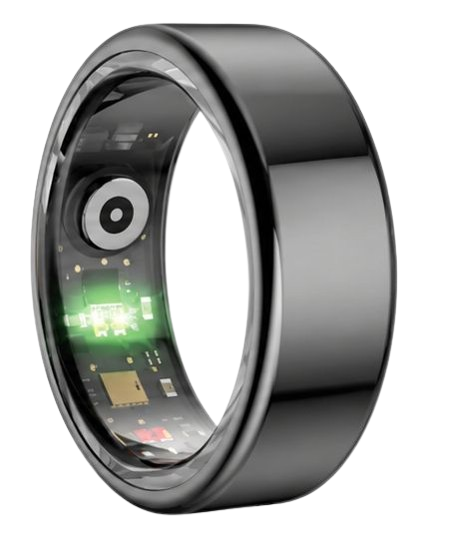
In This Article
- The Scientific Truth: A comprehensive 5W2H analysis of deep sleep metrics.
- Oversleeping Risks: Exploring the physiological impact of excessive slow-wave sleep.
- Biometric Decoding: How modern PPG sensors and smart rings track sleep stages.
- Actionable Optimization: Practical habits to balance sleep quality and daytime vitality.
Can You Get Too Much Deep Sleep? The Scientific Facts Decoded
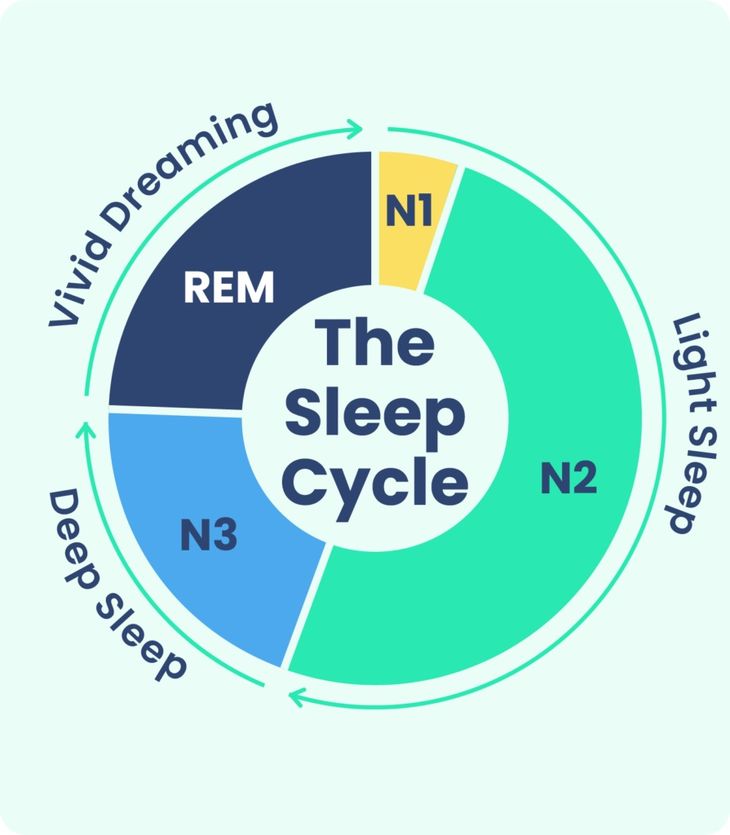
To evaluate if you can get too much deep sleep, we must first analyze how this restorative phase works within your overall sleep architecture.
Our team has compiled clinical sleep research to build a highly structured, data-backed breakdown.
What is Deep Sleep?
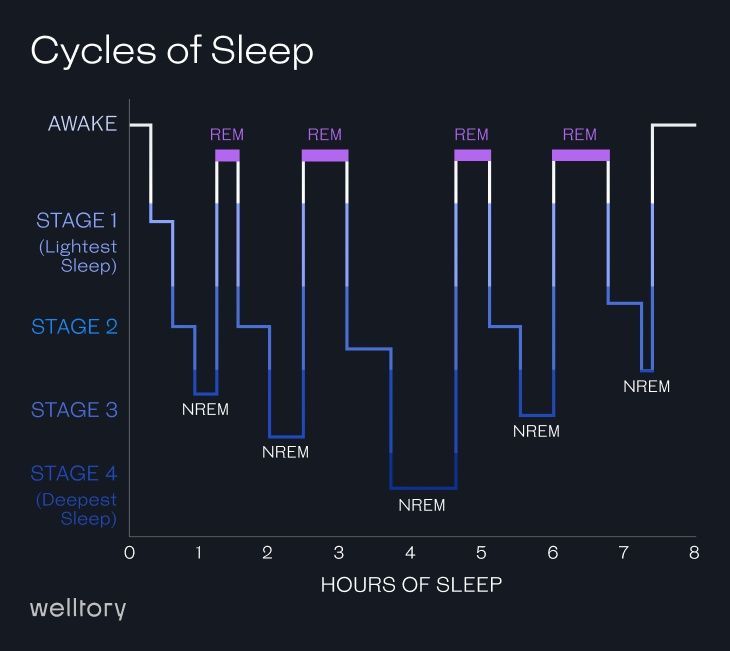
Deep sleep is scientifically defined as Stage 3 non-rapid eye movement (NREM) sleep, also known as slow-wave sleep (SWS).
During this stage, your brainwaves slow down to high-amplitude, low-frequency delta oscillations.
This phase is responsible for physical restoration, muscle recovery, protein synthesis, and immune system strengthening.
The body uses this deep rest period to rebuild tissues and clear out cellular waste products accumulated during waking hours.
Who is Affected by High Deep Sleep?
Excessive deep sleep is often seen in individuals recovering from severe physical trauma, chronic exhaustion, or intense athletic training.
It is also highly prevalent in people suffering from clinical depression, sleep apnea, or underlying neurological conditions.
Young children naturally experience higher percentages of deep sleep because their growing bodies demand intense cellular growth.
Adults who consistently log abnormally long deep sleep phases may be experiencing an underlying physiological compensation mechanism.
When Does It Occur and When is it a Concern?
Slow-wave sleep typically occurs in longer intervals during the first half of your nightly sleep cycles.
It becomes a biological concern when your deep sleep metrics consistently exceed normal thresholds for several consecutive weeks.
Monitoring this metric is especially critical when you experience persistent daytime fatigue despite getting plenty of hours in bed.
If your body spends an excessive portion of the night in deep sleep, it may disrupt the natural progression of your lighter sleep stages.
Where in the Body Does This Happen?
The delta brainwaves that define deep sleep originate in the thalamocortical loops of the central nervous system.
Simultaneously, the pituitary gland releases up to ninety-five percent of your daily human growth hormone into your bloodstream.
To fully comprehend this balance, it helps to understand the differences between deep sleep vs rem vs core sleep cycles.
Each sleep phase occurs in distinct areas of the brain to coordinate systemic physical and mental recovery.
Why Does the Body Experience Deep Sleep Spikes?
Your brain increases deep sleep durations to recover from high levels of inflammation, immune system threats, or severe physical burnout.
If you are trying to understand what causes deep sleep to spike, look first at physical exertion and previous sleep deprivation.
Your body naturally prioritizes delta sleep over other phases when it needs to catch up on a massive biological debt.
This dynamic adjustment ensures that critical physiological systems receive maximum recovery resources when they are under strain.
How Does the Brain Coordinate Deep Sleep?
The brain stem triggers slow-wave sleep by releasing inhibitory neurotransmitters like GABA to calm the central nervous system.
This signal suppresses the cortical arousal systems that keep you alert during the day.
As cortical activity drops, your blood pressure lowers, your heart rate stabilizes, and your core temperature decreases.
This physiological quiet state allows your body to dedicate almost all of its metabolic energy to cellular repair.
How Much Deep Sleep is Healthy?
For a typical healthy adult, deep sleep should make up thirteen to twenty-three percent of your total nightly sleep duration.
This healthy range translates to approximately sixty to one hundred and twenty minutes of slow-wave sleep each night.
Consistently logging more than one hundred and fifty minutes of deep sleep can indicate that your body is dealing with an unresolved physical stressor.
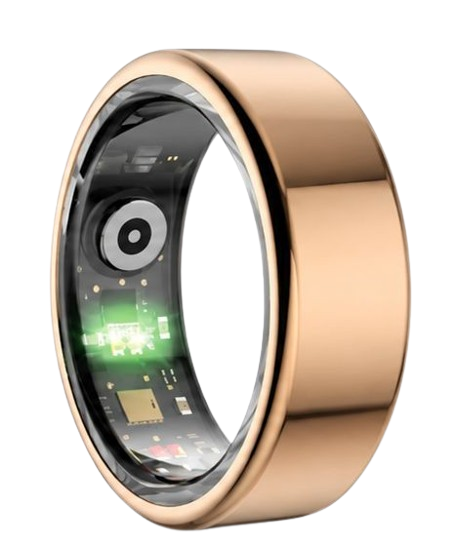
If you want to track these phases in real time, the Herz P1 Smart Ring monitors sleep stages 24/7 — explore it here.
90-Day 100% Money-Back Guarantee
“The Herz Smart Ring helps me manage stress easily. It’s accurate, stylish, and lightweight—perfect for my busy life!”
— Jennifer P. | ✔ Verified Customer
- ✓ 6-Day Battery Life
- ✓ Detailed Sleep Analysis
- ✓ Fast 1-Hour Charging
- ✓ iOS & Android Ready
Questions? Call: 1-866-479-1629
The Physiology of Excessive Slow-Wave Sleep and Oversleeping Deep Sleep Risks
To determine if you can have too much deep sleep, we must look closely at how slow-wave sleep shapes your physical recovery.
The National Sleep Foundation emphasizes that while deep sleep is crucial, keeping a balanced distribution of sleep stages is the key to morning freshness.
When you spend too much time in delta sleep, you can experience severe sleep inertia, which leaves you feeling mentally sluggish and physically heavy upon waking.
This prolonged grogginess happens because the brain remains under the influence of slow-wave delta cycles even after you open your eyes.
You may naturally find yourself wondering: is it bad to sleep too much?
Epidemiological research suggests that chronic oversleeping and high deep sleep levels often correlate with metabolic changes and systemic inflammation.
The American Heart Association has also studied how unusual sleep durations can impact cardiovascular health indicators.
If your heart rate and metabolic activity remain depressed for too long during extended deep sleep, your overall circulation patterns can alter.
This prolonged parasympathetic dominance can occasionally signal that your body is struggling to manage a persistent recovery deficit.
To understand how this balance shifts, you must look at sleep quality vs quantity metrics over several weeks.
Logging large amounts of deep sleep at the expense of REM sleep can also impact your memory consolidation and emotional processing.
Because REM and deep sleep serve different neurological purposes, an excess of one often leads to a shortage of the other.
This imbalance can leave you feeling physically recovered but mentally unfocused throughout the working day.
Analyzing these daily trends is the first step toward optimizing your sleep-wake schedule and restoring a healthy baseline.
How Smart Rings and PPG Technology Decode Your Sleep Stages
Modern wearable devices use Photoplethysmography (PPG) to track these sleep phases without requiring uncomfortable equipment.
The PPG sensors on a smart ring shine light into the rich capillary network of your finger to measure microscopic blood volume changes.
Because the skin on your fingers is thin and packed with blood vessels, PPG signals here are significantly cleaner than those gathered from your wrist.
During deep sleep, your parasympathetic nervous system causes your heart rate to drop and stabilize into a highly predictable pattern.
Simultaneously, your Heart Rate Variability (HRV) typically rises as your heart enters a relaxed, highly responsive state.
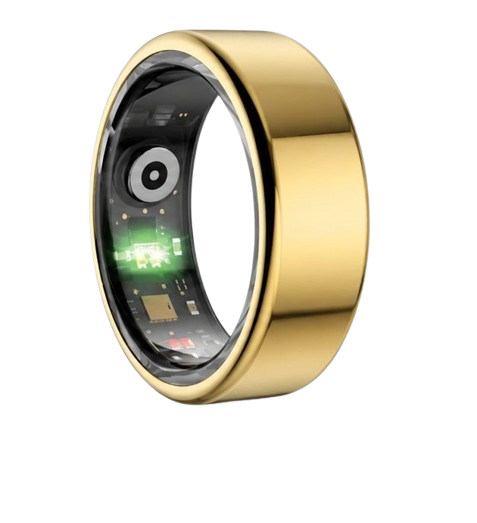
The Herz P1 Smart Ring utilizes multispectral optical sensors to capture these subtle shifts in cardiovascular activity.
By pairing PPG data with a highly sensitive 3-axis accelerometer, our algorithms track both your physical movement and your cardiac trends.
Because deep sleep is characterized by almost complete physical immobility, the combination of a steady heart rate and stillness indicates slow-wave sleep.
This multi-point verification allows the ring to separate deep sleep from lighter cycles or rapid eye movement (REM) phases with high precision.
Tracking these shifts ensures you can see exactly when your body transitions between restorative sleep and active dreaming states.
This detailed data is compiled each morning in the companion app to show you a clear picture of your nightly sleep architecture.
Understanding these patterns helps you make intelligent changes to your daily schedule and workout routines.
Optimizing Your Sleep Architecture and Managing Deep Sleep Fluctuations
Managing your sleep profile is easier when you understand how your daily habits influence your overnight metrics.
If you regularly see a drop in your slow-wave cycles, you should investigate the typical low deep sleep factors.
Common causes of reduced deep rest include consuming caffeine late in the day, alcohol intake, and late-night screen exposure.
Conversely, if your deep sleep metrics are consistently too high, you might be recovering from acute physical burnout.
To stabilize these fluctuations, establishing a consistent circadian rhythm is the most effective step.
Going to bed and waking up at the exact same time every day helps your brain predict sleep cycles.
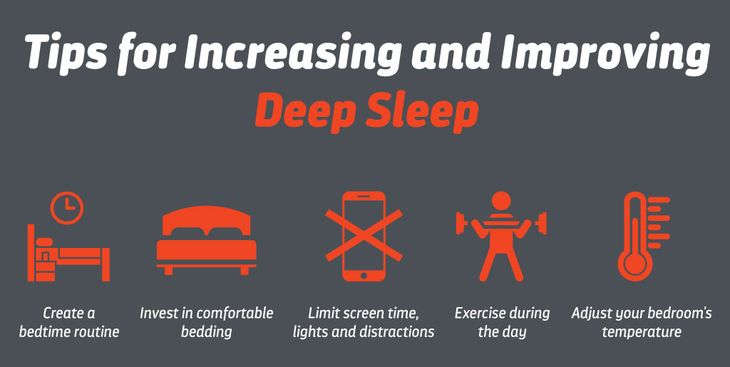
If you want to learn how to get into deep sleep naturally, start by cooling down your bedroom environment.
Lower ambient temperatures encourage your body to transition smoothly into restorative delta-wave states.
The Herz P1 companion app logs these temperature variations alongside your sleep stages.
This holistic view helps you pinpoint exactly which lifestyle adjustments yield the best overnight results.
Tracking these changes allows you to take control of your long-term energy and physical health.
Avoiding Common Sleep Tracking Mistakes and Equipment Pitfalls
Many people make the mistake of wearing bulky, heavy smartwatches to bed to monitor their rest.
These large devices frequently shift on the wrist, which disrupts the optical sensors and leads to inaccurate sleep metrics.
The discomfort of a heavy watch can also wake you up, preventing your brain from settling into deep sleep.
If you are actively researching how to get more deep sleep, comfort should be your top priority.
A lightweight, military-grade steel ring like the Herz P1 stays secure on your finger without causing irritation.
Another major mistake is subscribing to health tracking apps that charge high ongoing monthly fees.
Over time, these subscription plans can cost you hundreds of dollars just to view your own biological data.
Team Herz P1 believes you should own your health metrics without any paywalls or hidden charges.
The Herz P1 App is completely free for life, ensuring you always have access to your personal analytics.
Learning how to have a deep sleep should not be a financial burden.
By choosing a dedicated, subscription-free smart ring, you invest in durable hardware and permanent data access.
Frequently Asked Questions About Sleep Tracking and the Herz P1
Is the Herz P1 Smart Ring waterproof?
Yes, the Herz P1 features a full IP68 waterproof rating, making it completely safe for continuous submersion up to 164 feet.
You can wear it while swimming, showering, washing dishes, or relaxing in a hot bath without risking damage to the optical sensors.
How long does the Herz P1 battery last on a single charge?
The long-lasting battery is designed to deliver up to 6 days of continuous biometric and sleep tracking.
When the battery does run low, the ring charges fully in under 1 hour using the included magnetic charging cradle.
Which finger is best to wear the smart ring on?
We recommend wearing the Herz P1 on your index, middle, or ring finger for the most accurate sensor readings.
These fingers contain a highly concentrated network of blood vessels, which allows the PPG sensors to gather clean biological signals.
Does the Herz P1 store my health data offline?
Yes, the ring contains built-in storage that automatically saves up to 7 days of raw biometric data offline.
Your logged health metrics will sync seamlessly to the companion app the moment your phone reconnects via Bluetooth.
Conclusion
Ready to monitor your health every day? Explore the Herz P1 Smart Ring and see if it fits your lifestyle. Call: 1-866-479-1629 — our team can help you advise on the correct ring size and set personalized health goals.
Note: Individual results may vary depending on individual health conditions, age, and lifestyle habits. This article is intended for general health reference purposes only.
