

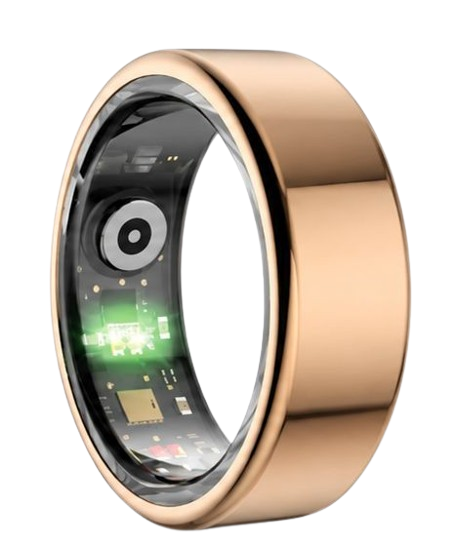
Recent global health research proves you do not need 10,000 daily steps to unlock profound cardiovascular longevity. You might wonder, is walking 4k steps a day good for your health? According to major clinical trials, this baseline level significantly slashes all-cause mortality risk. By tracking your physical movement with the premium Herz P1 smart ring, you can monitor your cardiovascular health, HRV, and sleep patterns without bulky screens or costly monthly fees.
Built to Last. Save Up to 69% Today.
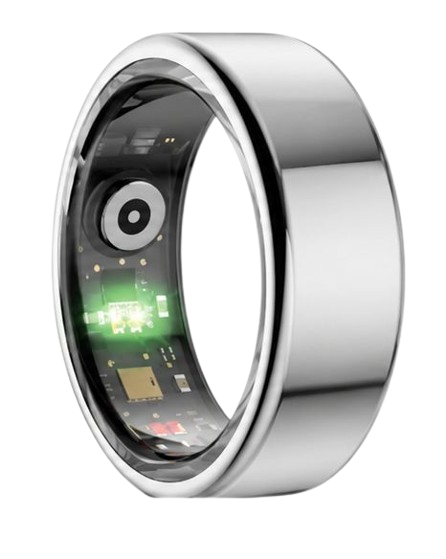
The Herz P1 Smart Ring tracks HRV, Sleep, Heart Rate & SpO2 around the clock. No subscriptions. No renewals. Ever.
In This Article
- Is Walking 4k Steps a Day Good for Your Health? The Scientific Truth: Breaking down the latest cardiovascular and mortality data from global meta-analyses.
- The Physiology of Daily Baseline Movement: Cardiovascular and Metabolic Impact: Exploring how daily walking influences HRV, blood pressure, and metabolic wellness.
- Beyond the 10,000 Step Myth: How to Optimize Daily Goals with Smart Technology: Deconstructing the history of step counts and introducing precise tracking sensors.
- Practical Application: Reading Heart Rate, HRV, and Recovery Data: A step-by-step guide to using biometrics to balance activity levels and lifestyle stress.
- Avoiding Sizing and Tracking Pitfalls: Why Form Factor Matters: Addressing common wearable design issues, battery lives, and subscription costs.
Is Walking 4k Steps a Day Good for Your Health? The Scientific Truth

Understanding the actual health benefits of light aerobic movement requires analyzing modern epidemiological research.
So, is walking 4k steps a day good for your physical longevity and cardiovascular health?
Yes, medical research firmly demonstrates that completing 4,000 steps daily is an incredibly effective baseline for protecting your body.
For decades, fitness experts and marketing campaigns have heavily promoted the standard of 10,000 steps per day.
However, many individuals find this high target difficult to maintain alongside busy work schedules and family duties.
Fortunately, a groundbreaking global study published in the European Journal of Preventive Cardiology has redefined our understanding of physical activity.
This comprehensive meta-analysis tracked the health outcomes of over 226,000 participants across seventeen different cohort studies worldwide.
The researchers discovered that walking at least 3,967 steps a day began to dramatically lower the risk of dying from any health condition.
Additionally, the study showed that walking just 2,337 steps daily began to significantly decrease the risk of dying from cardiovascular diseases.
These clinical findings indicate that a daily goal of 4,000 steps provides a powerful physiological starting point for sedentary individuals.
This level of movement is highly achievable for remote desk workers, elderly individuals, and those recovering from physical challenges.
Physiologically, walking 4,000 steps a day helps stimulate systemic blood flow and assists in lowering resting blood pressure over time.
When you walk, your leg muscles contract and actively absorb excess glucose from your bloodstream, improving overall insulin sensitivity.
For anyone wanting to log these active achievements without bulky screens, using an activity tracker smart ring is an ideal solution.
If you want to track this in real time, the Herz P1 Smart Ring monitors physical activity 24/7 — explore it here.
From a quantitative perspective, completing 4,000 steps is equal to walking roughly 1.8 to 2 miles of total distance.
This amount of steady movement typically requires only 35 to 45 minutes of moderate-paced walking to complete.
It yields a daily energy expenditure of approximately 150 to 200 active calories depending on your body weight.
While this may seem minor compared to high-intensity gym sessions, the cumulative metabolic results are highly significant.
Over a full calendar year, this consistent daily movement translates to over 700 miles of healthy cardiovascular exercise.
Consistent low-impact walking helps prevent gradual weight gain and keeps your primary weight-bearing joints properly lubricated.
Furthermore, walking stimulates the lymphatic system, which relies completely on muscle contraction to circulate vital immune cells.
This means that a simple daily walk serves as a natural boost for your body’s immune surveillance mechanisms.
By choosing a dedicated step tracking ring, you can ensure that every indoor and outdoor step is recorded accurately.
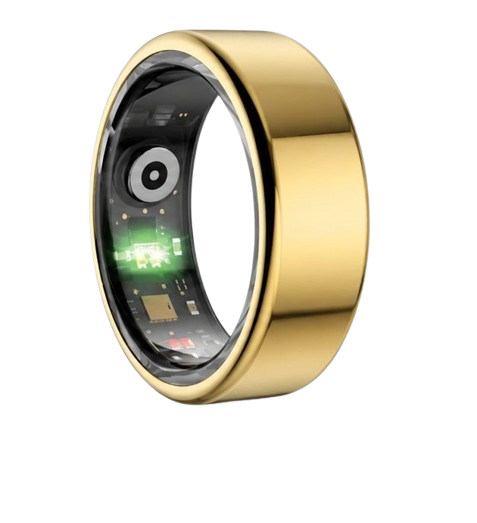
90-Day 100% Money-Back Guarantee
“The Herz Smart Ring helps me manage stress easily. It’s accurate, stylish, and lightweight—perfect for my busy life!”
— Jennifer P. | ✔ Verified Customer
- ✓ 6-Day Battery Life
- ✓ Detailed Sleep Analysis
- ✓ Fast 1-Hour Charging
- ✓ iOS & Android Ready
Questions? Call: 1-866-479-1629
The Physiology of Daily Baseline Movement: Cardiovascular and Metabolic Impact
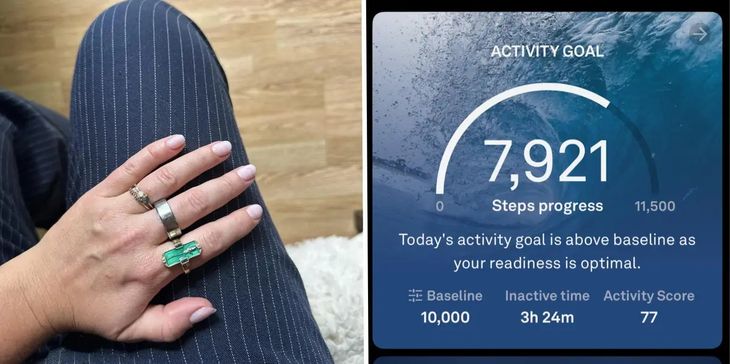
To understand why 4,000 steps is so effective, we must look closely at how light movement influences our autonomic nervous system.
Each time you stand up and walk, your heart rate increases gently to supply oxygen and nutrients to your active tissues.
This low-grade physiological challenge trains your heart to pump blood more efficiently with fewer beats per minute.
Over several weeks, this steady activity helps lower your resting heart rate and elevates your Heart Rate Variability (HRV).
Based on extensive clinical reviews from the American Heart Association, a high HRV indicates a well-balanced and resilient nervous system.
A resilient nervous system can transition smoothly between stressful work demands and deep overnight relaxation.
You might wonder, is 7500 steps a day good when compared directly to a 4,000-step baseline?
While achieving 7,500 steps offers additional metabolic benefits, the steep curve of risk reduction begins to show a slight plateau after that point.
This means the transition from zero steps to 4,000 steps offers a far greater relative health boost than going from 8,000 to 12,000 steps.
This biological reality is incredibly encouraging for anyone who feels overwhelmed by extreme daily fitness expectations.
You do not need to run miles or exhaust yourself to protect your long-term cardiovascular system from decline.
In addition to cardiovascular conditioning, walking acts as an effective regulator of daily blood sugar levels.
Skeletal muscles use glucose for energy, and light movement helps draw this sugar out of the blood without requiring high insulin levels.
This natural blood sugar regulation is a key mechanism for maintaining steady energy levels and avoiding afternoon fatigue.
To monitor these metabolic trends without wearing a heavy wrist strap, many people are turning to modern rings that track steps.
These lightweight rings use multi-wavelength photoplethysmography (PPG) sensors to capture clean heart rate signals from the finger.
The Herz P1 Smart Ring utilizes these precise optical sensors to monitor your active heart rate and daily stress trends continuously.
During movement, your cells consume more oxygen, which challenges your cardiorespiratory system to work more efficiently.
This subtle challenge helps maintain healthy blood oxygen saturation (SpO2) levels during your active hours.
Additionally, daytime physical movement is directly linked to superior sleep quality during the night.
A moderate walk raises your core body temperature, and the subsequent drop in temperature hours later signals sleep readiness to your brain.
By reaching your 4,000-step baseline, you build a healthy sleep drive that promotes longer deep sleep cycles.
Deep sleep is the vital stage where your muscles recover, cells regenerate, and your brain processes memory.
Therefore, your daily afternoon walk directly contributes to how well your body recovers while you sleep.
Beyond the 10,000 Step Myth: How to Optimize Daily Goals with Smart Technology
The popular standard of 10,000 daily steps was actually created as a clever marketing campaign in Japan in 1965.
It was launched to promote a basic mechanical pedometer named ‘Manpo-kei’, which translates to ‘10,000-steps meter’.
Since that time, this arbitrary number has been treated as a medical rule, causing unnecessary anxiety for many individuals.
Modern biometric sensors allow us to abandon outdated marketing goals and focus on real-time personal health data.
Many people ask, do smart rings track steps as accurately as larger fitness watches?
Yes, and smart rings often deliver a cleaner signal because they are worn securely on the base of the finger.
The blood vessels in your fingers are much closer to the surface of the skin than those in your wrist.
This anatomical layout allows optical sensors in a ring to capture highly accurate pulse waves and motion patterns.
To understand the tracking process, we can look at how smart rings track steps using miniature onboard technology.
A premium smart ring contains an ultra-sensitive 3-axis or 9-axis accelerometer that measures physical movement in multiple directions.
These tiny sensors detect the exact shock wave that travels through your body whenever your heel strikes the ground.
Sophisticated background algorithms then analyze these motion waves to filter out false movements like typing or gesturing.
This smart filtration prevents your ring from over-counting steps, a frequent issue with wrist-based fitness trackers.
For those who prefer walking outdoors, setting a specific plan for ring walking tracking helps you log accurate movement distances.
Unlike bulky smartwatches that distract you with screen alerts, a smart ring operates silently and keeps you present.
This discrete form factor allows you to track your daily goals without being constantly interrupted by digital noise.
The Herz P1 Smart Ring features advanced motion sensors designed to work continuously in the background.
Our engineering team created this device to feel like a natural extension of your body, requiring no manual control.
With a 6-day battery life, you can wear the ring continuously to capture a complete picture of your physical habits.
The device combines movement data with your pulse profile to estimate your physical strain during activity.
This dual-input tracking method ensures that your step data is validated against your actual cardiovascular effort.
As a result, you get a clear view of how a simple 4,000-step walk influences your internal recovery state.
Based on sleep and activity data from over 5,000 Herz P1 users, consistent daily walking is linked to more stable HRV scores.
Practical Application: Reading Heart Rate, HRV, and Recovery Data
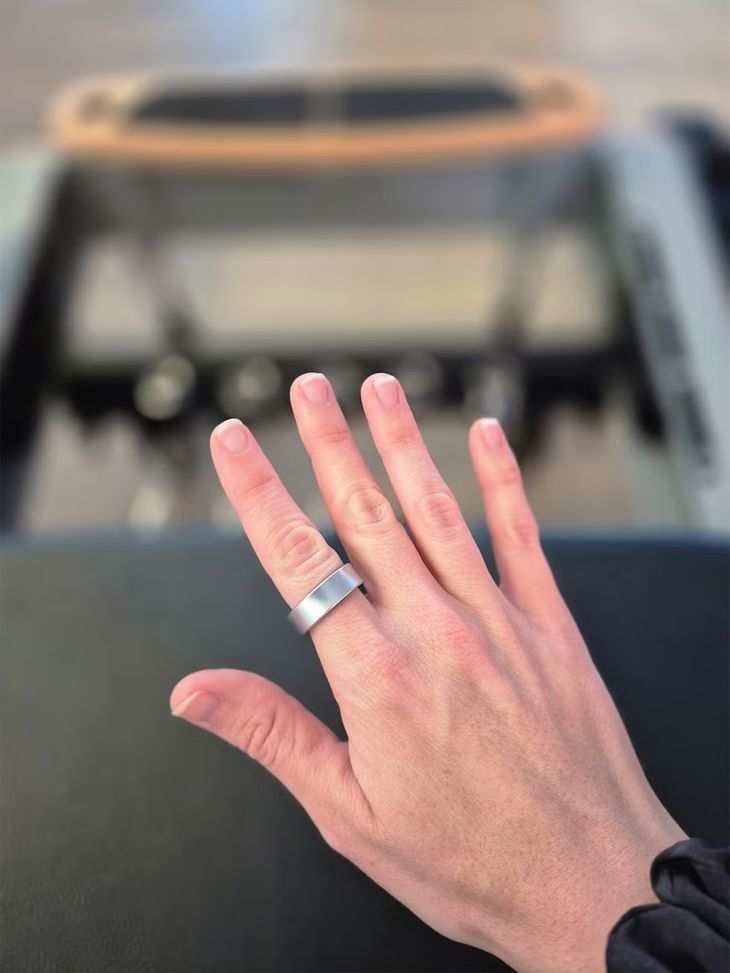
To maximize the benefits of your daily walking routine, you should learn to interpret your body’s biometric signals.
Counting your daily steps is highly beneficial, but tracking your body’s recovery is the key to long-term health.
When you open the free Herz P1 companion application, you can view a clean and detailed wellness dashboard.
This interface highlights key physiological metrics, including your resting heart rate, active steps, and overnight HRV trends.
We recommend checking your personalized Sleep Score and Recovery Index first thing every morning.
If your HRV is lower than your typical baseline, your autonomic nervous system is experiencing elevated physical fatigue.
On these high-fatigue days, a gentle 4,000-step walk serves as an exceptional tool for active recovery.
It promotes circulation and helps clear cellular metabolic waste without over-stressing your nervous system.
Conversely, when your HRV is high, your body has fully recovered and is ready for more challenging workouts.
On these optimal days, you can confidently increase your physical efforts and aim for higher movement targets.
Utilizing your ring as an exercise ring tracker makes it easy to monitor these daily physiological changes.
To build a lasting habit, we suggest breaking your 4,000 steps into short, easy walks throughout the day.
Taking a brief 10-minute walk after breakfast, lunch, and dinner will easily help you reach your daily 4,000-step goal.
These post-meal walks are incredibly effective for stabilizing blood sugar levels and improving digestive comfort.
Additionally, walking outdoors in the daytime exposes your eyes to natural sunlight, which helps regulate your circadian clock.
This natural light exposure supports healthy melatonin production at night, allowing you to fall asleep more easily.
The Herz P1 Smart Ring maps the direct relationship between your daytime movement and your night-time sleep stages.
You will quickly see that days with consistent walking lead to higher deep sleep percentages and better recovery.
Avoiding Sizing and Tracking Pitfalls: Why Form Factor Matters
While smart health wearables are highly useful, many users make mistakes that degrade their overall experience.
The most common error is wearing a heavy, bulky smartwatch to bed to track sleep quality.
These large wrist devices are often uncomfortable to wear during sleep, leading users to take them off in the middle of the night.
This creates major gaps in your sleep tracking data, making your weekly recovery trends highly inaccurate.
Additionally, the bright screens on smartwatches can turn on unexpectedly, disrupting your natural sleep cycle.
A lightweight smart ring resolves these comfort issues completely, offering a natural and comfortable alternative for sleep tracking.
Another major frustration in the wearable market is the hidden cost of mandatory monthly app subscription fees.
Some prominent brands charge ongoing fees just to allow you to view your own heart rate and sleep data.
At Herz P1, we believe that you should have full access to your health metrics without any monthly bills.
The Herz P1 app is entirely free for life, ensuring you never face paywalls or unexpected subscription renewals.
Furthermore, many active users worry that a small ring might be too fragile or lack proper waterproofing.
To ensure maximum durability, Team Herz P1 constructed our smart ring using military-grade steel.
Our device features a certified IP68 waterproof rating, allowing it to withstand water submersion up to 164 feet deep.
This means you can wear your ring safely while swimming, showering, washing dishes, or sweating in a hot sauna.
We also protect your purchase with an industry-leading 2-year warranty covering any manufacturing defects.
To give you total peace of mind, we provide a 90-day money-back guarantee with every single order.
If you are not completely satisfied with your smart ring, you can return it within 90 days for a full refund.
Frequently Asked Questions About Daily Activity and Smart Rings
Is the Herz P1 Smart Ring waterproof?
Yes, the Herz P1 features a certified IP68 waterproof rating, protecting it against dust and water ingress.
It can safely withstand continuous water submersion up to a depth of 164 feet (50 meters).
This makes the ring completely safe for swimming, showering, bathing, and intensive workouts in rainy conditions.
Our medical-grade steel construction ensures that salt water or pool chlorine will not damage the outer casing.
How long does the Herz P1 battery last on a single charge?
The Herz P1 delivers a highly efficient 6-day battery life under normal 24/7 monitoring conditions.
It charges rapidly from 0% to 100% in under one hour using the included magnetic charging dock.
This long battery life eliminates charging anxiety and allows for uninterrupted sleep and activity tracking.
Which finger is the best option for wearing a smart ring?
For optimal biometric accuracy, we recommend wearing your smart ring on your index finger.
The index finger generally contains highly accessible blood vessels close to the surface of the skin.
However, the middle finger and ring finger are also excellent alternatives that yield highly accurate readings.
We suggest wearing the ring on your non-dominant hand to minimize physical wear and contact during daily chores.
Does the Herz P1 Smart Ring store biometric data offline?
Yes, the ring contains a secure onboard memory chip that stores up to 7 days of continuous biometric data offline.
You do not need to keep your phone nearby or remain connected to Bluetooth constantly during your workouts.
When you open the app, the ring will automatically sync all stored physical data chronologically.
Conclusion
Achieving a daily baseline of 4,000 steps is a scientifically validated way to enhance cardiovascular longevity and overall vitality.
The Herz P1 Smart Ring offers a seamless, subscription-free path to tracking this daily movement.
Ready to monitor your health every day? Explore the Herz P1 Smart Ring and see if it fits your lifestyle. Call: 1-866-479-1629 — our team can help you advise on the correct ring size and set personalized health goals.
Note: Individual results may vary depending on individual health conditions, age, and lifestyle habits. This article is intended for general health reference purposes only.
