

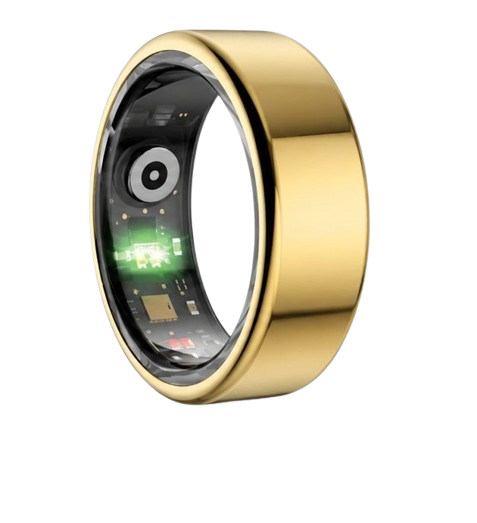
Managing persistent physical discomfort requires continuous attention to subtle bodily signals, which is why utilizing a medical ring to track your autonomic responses represents a major leap forward in modern wellness. The premium, subscription-free Herz P1 smart ring monitors physiological markers like heart rate variability (HRV), skin temperature deviations, and sleep disruptions to help you identify early signs of systemic stress and anticipate potential physical crises before they fully manifest.
Built to Last. Save Up to 69% Today.
The Herz P1 Smart Ring tracks HRV, Sleep, Heart Rate & SpO2 around the clock. No subscriptions. No renewals. Ever.
In This Article
- How to Use a Biometric Smart Ring to Track Chronic Pain: A complete, step-by-step guide to baseline setup, trend analysis, and digital pain logs.
- The Science of Autonomic Stress: Understanding how HRV and skin temperature fluctuations signal systemic changes before physical symptoms peak.
- Sleep Architecture and Chronic Pain: How sleep quality indices and sleep stage analysis help reveal the cyclic nature of nightly physical distress.
- Mitigating Sizing and Accuracy Errors: Practical guidelines for maximizing sensor contact and avoiding data gaps.
- Common Questions Answered: Technical insights into battery life, waterproofing, and continuous synchronization.
How to Use a Biometric Smart Ring to Track Chronic Pain and Flare-Ups: A Step-by-Step Guide
Prerequisites / What You’ll Need
To successfully utilize a chronic pain tracking ring, you will need a fully charged biometric device, access to its free companion mobile application, and a willingness to consistently log your subjective physical comfort levels for at least fourteen consecutive days.
Tracking physical discomfort requires a structured approach to distinguish regular physiological fluctuations from true systemic distress patterns.
-
Step 1: Define Your Personal Biometric Baseline
Wear your smart ring continuously for the first seven to ten days without modifying your regular lifestyle habits.
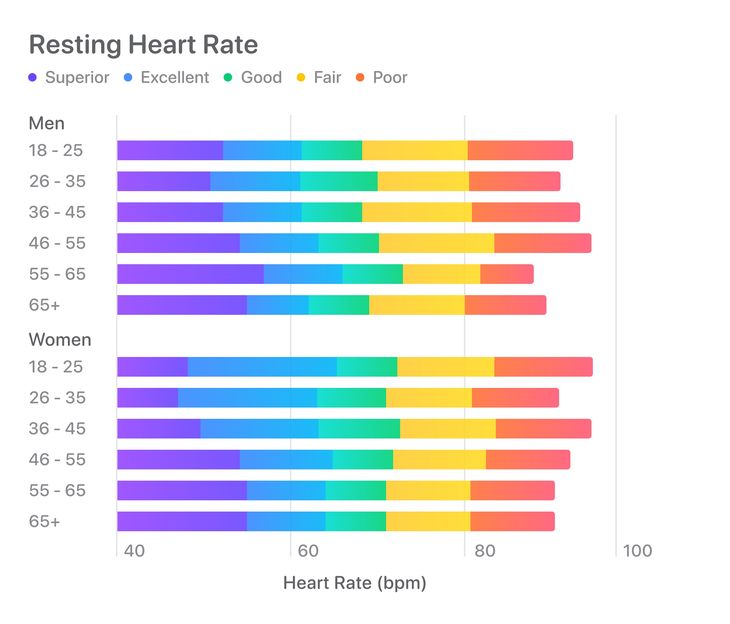
This initial period allows the internal optical sensors to calculate your normal ranges for resting heart rate, heart rate variability, and baseline skin temperature.
Establishing this accurate foundation is crucial because your unique baseline is the standard against which future physiological changes will be compared.
Avoid focusing on daily absolute values during this step; instead, allow the system to map out your average weekly biological rhythms.
-
Step 2: Monitor Nightly Heart Rate Variability (HRV) Trends
Check your HRV trends every morning immediately after waking up to assess the state of your autonomic nervous system.
A sustained drop in HRV compared to your personal baseline often indicates that your body is under physical stress, even if you do not feel severe discomfort yet.
A high HRV generally indicates a state of physical recovery, while a lower score suggests that your sympathetic nervous system is highly active.
Pay close attention to sudden, sharp declines in this score, as they frequently precede physical flare-ups by twelve to twenty-four hours.
-
Step 3: Analyze Sleep Quality Indices and Disruptions
Review your nightly sleep architecture, focusing specifically on deep sleep duration, REM sleep, and the frequency of brief nightly awakenings.
Physical discomfort during sleep often causes silent, microscopic awakenings that you might not consciously remember the next morning.
If you observe a pattern of fragmented sleep with frequent awakenings, it may indicate that physical stress is disrupting your natural rest cycles.
Use this objective sleep quality score to help you understand why you feel fatigued even after spending eight hours in bed.
-
Step 4: Watch for Localized Skin Temperature Deviations
Check the daily skin temperature deviation log in your application to detect variations from your baseline temperature.
Subtle elevations in overnight skin temperature can occasionally reflect the body’s natural response to localized physical stress or general autonomic activation.
While a smart ring is not a medical thermometer, tracking these daily temperature deviations can provide helpful context regarding your physical comfort levels.
Documenting these deviations alongside your comfort logs helps you determine if temperature shifts correlate with your physical state.
-
Step 5: Integrate a Daily Pain Log with Your Biometric Data
Take sixty seconds each evening to record a subjective score of your daily physical comfort in a journal or simple digital note.
Compare this subjective daily rating directly with the objective data gathered by your biometric ring for chronic pain, such as your HRV and sleep efficiency scores.
Over time, you will begin to notice clear, repetitive correlations, such as a drop in HRV coinciding with a higher subjective discomfort rating.
Identifying these overlapping patterns empowers you to make data-informed adjustments to your daily activities and recovery protocols.
Enhancing the Tracking Process with Herz P1
The process of identifying biological patterns is simplified when you use a reliable, continuous tracker like the Herz P1.
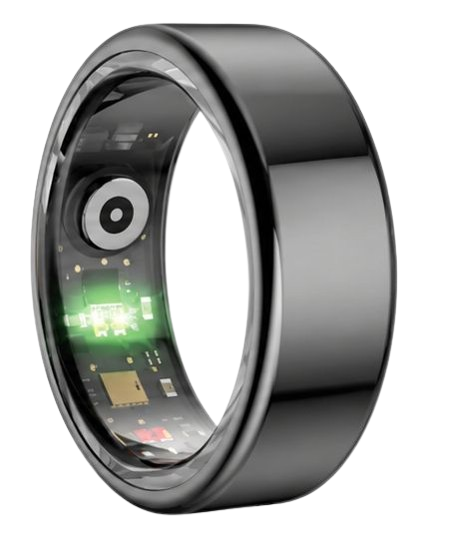
With its high-frequency biometric sampling and fully integrated mobile app, the Herz P1 logs your heart rate, HRV, and sleep stages automatically without any ongoing fees.
By removing the burden of manual logging and monthly subscription costs, our team ensures you can focus entirely on understanding your body and optimizing your daily comfort.
To learn more about how this lightweight companion can streamline your daily tracking, explore the Herz P1 Smart Ring today.

Decoding Autonomic Stress: How HRV and Skin Temperature Reveal Pain Flares
The human autonomic nervous system reacts to internal physical stress long before conscious awareness registers discomfort.
When the body experiences physical stress, the sympathetic branch of the nervous system—commonly referred to as the fight-or-flight response—becomes highly active.
According to clinical studies, this autonomic shift changes the beat-to-beat variability of the heart, resulting in a measurable drop in heart rate variability.
By wearing a smart ring for chronic flare ups, you gain immediate, continuous insight into these real-time autonomic adjustments.
The high-precision optical sensors inside the ring illuminate the small capillaries in your finger to track these cardiac variations with a level of detail that matches standard clinical equipment.
This method of continuous tracking is highly useful for individuals living with complex smart ring medical conditions because it provides objective data when subjective symptoms are difficult to define.
In addition to cardiac rhythms, peripheral skin temperature monitoring acts as another key physiological indicator of physical stress.
When the body responds to localized physical strain or general autonomic stress, blood flow is often redirected from the extremities to the core organs.
This shift in circulation causes micro-fluctuations in finger skin temperature that the ring’s sensitive thermal sensors can easily identify.
By analyzing both HRV declines and skin temperature shifts, users can observe the exact physical markers of their body’s response to stress.
This dual-metric approach offers a reliable perspective on physiological load, making it easier to plan recovery before a major flare-up occurs.
The Impact of Chronic Pain on Sleep Architecture and Recovery

Sleep is the body’s primary mechanism for systemic repair and cellular recovery, yet physical discomfort frequently disrupts this essential process.
A high-quality fda cleared sleep ring or high-fidelity biometric ring provides a detailed breakdown of sleep stages, showing how much time you spend in deep and REM states.
Studies sponsored by organizations like the National Sleep Foundation highlight that deep slow-wave sleep is vital for tissue repair and immune function.
When a person experiences ongoing physical discomfort, they often experience a dramatic reduction in deep sleep duration.
Instead of resting smoothly in deep stages, the nervous system remains in a semi-alert state, leading to frequent micro-arousals.
These brief awakenings can occur dozens of times a night without the individual consciously remembering them the following morning.
The optical sensors in the Herz P1 track these subtle sleep disruptions by measuring changes in your resting heart rate and blood oxygen levels (SpO2) overnight.
If your blood oxygen levels fluctuate or your resting heart rate remains elevated throughout the night, your body is likely struggling to enter restorative sleep.
For female users, tracking these sleep metrics with specialized medical rings for women can highlight how hormonal cycles interact with physical comfort and rest quality.
Understanding these sleep patterns allows you to see the exact relationship between poor nightly recovery and increased daytime physical sensitivity.
Instead of guessing why you feel depleted, you can point to clear, objective data showing a lack of deep, restorative rest.
Translating Your Ring Data into Practical Lifestyle Adjustments
Gathering biological data is only valuable if it leads to practical, real-world changes in your daily routine.
When you notice your HRV score dropping below your personal average, it is a clear signal from your body to reduce physical and mental strain.
You can use these early warning signs to adjust your schedule, perhaps by prioritizing light stretching, pacing your work tasks, or scheduling extra rest.
Many users find that utilizing specific physical recovery techniques, such as researching the best frequency for pain relief, works best when timed alongside these biometric insights.
The daily metrics can also help you evaluate whether your current recovery habits—such as meditation, light walking, or specific sleep protocols—are actually helping your body recover.
If your resting heart rate begins to drop and your HRV stabilizes after implementing a new habit, you have objective proof that your approach is working.
The comfort of a lightweight smart ring makes 24/7 wear effortless, ensuring you never miss a critical biometric trend during work, exercise, or sleep.
Rather than relying on vague memories of how you felt, you can look at a complete, continuous record of your body’s physiological resilience.
Avoiding Pitfalls in Wearable Pain Tracking
Many individuals make the mistake of wearing a bulky, heavy smartwatch to monitor their health trends and overnight recovery.
Bulky wrist-based trackers are often uncomfortable to wear to sleep, leading to inconsistent tracking and frequent gaps in overnight data.
Furthermore, watches easily shift during movement, which can cause significant measurement errors in heart rate and sleep staging.
A lightweight ring sits securely at the base of the finger, where the digital arteries are highly accessible, providing a far more consistent signal.
Another major obstacle with modern wearable technology is the hidden cost of ongoing monthly app subscriptions.
Many popular health trackers lock your personal biometric analysis behind a paywall, requiring a continuous monthly fee to view your own health data.
At Team Herz P1, we believe you should never have to pay a subscription to access your personal physiological trends.
The Herz P1 companion application is completely free for lifetime use, ensuring you have unrestricted access to your data, charts, and trends forever.
Additionally, for individuals who require detailed records for insurance or workplace wellness, tracking with an advanced ring makes it simpler to request a letter of medical necessity wearables from a qualified healthcare professional.
Common Questions About Tracking Chronic Pain with Smart Rings
90-Day 100% Money-Back Guarantee
“The Herz Smart Ring helps me manage stress easily. It’s accurate, stylish, and lightweight—perfect for my busy life!”
— Jennifer P. | ✔ Verified Customer
- ✓ 6-Day Battery Life
- ✓ Detailed Sleep Analysis
- ✓ Fast 1-Hour Charging
- ✓ iOS & Android Ready
Questions? Call: 1-866-479-1629
Conclusion
Tracking the underlying physical signs of chronic stress doesn’t have to be complicated, costly, or intrusive.
By monitoring daily HRV, skin temperature, and sleep cycles, the Herz P1 Smart Ring empowers you to make proactive, data-informed wellness decisions every single day.
Ready to monitor your health every day? Explore the Herz P1 Smart Ring and see if it fits your lifestyle. Call: 1-866-479-1629 — our team can help you advise on the correct ring size and set personalized health goals.
