

Discovering the ideal biological bridge between physical intimacy and deep restorative sleep can completely transform your daily recovery metrics, especially when you track these subtle physiological changes using a premium wearable. In this guide, our team at Herz P1 decodes the profound relationship between Herz P1 metric-tracking technology and overnight hormonal shifts, helping you master the biological mechanics of sex and sleep for ultimate daytime energy without relying on invasive devices or expensive monthly app subscription fees.
Built to Last. Save Up to 69% Today.
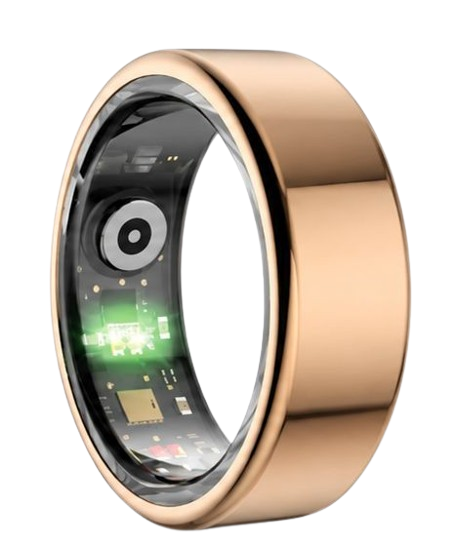
The Herz P1 Smart Ring tracks HRV, Sleep, Heart Rate & SpO2 around the clock. No subscriptions. No renewals. Ever.
In This Article
-
•
How to Optimize Your Evening Routine for Intimacy and Deep Rest -
•
The Neurochemical Framework: How Intimacy Calms the Nervous System -
•
Cardiovascular Fingerprints: Deciphering Heart Rate and HRV Patterns -
•
Practical Sleep Optimization Metrics with the Herz P1 Companion App -
•
Bypassing Critical Smart Ring Usability Pitfalls for Flawless Accuracy
How to Optimize Your Evening Routine for Intimacy and Deep Rest: A Step-by-Step Biohacking Guide

To master the physiological synergy between intimacy and restorative rest, you must cultivate a deliberate evening environment and schedule.
This protocol relies on basic environmental adjustments, a clear understanding of your personal sleep boundaries, and consistent lifestyle pacing.
By executing these steps, you prepare your autonomic nervous system to transition smoothly from daily stress to active recovery.
-
Step 1: Synchronize Your Evening Pacing
Establishing shared wind-down boundaries is the foundation of structural evening harmony.
Discuss and align on a target time to step away from work, blue-light screens, and highly stimulating household tasks.
When partners have severely mismatched schedules, they may fall into patterns of chronic sleep disruption or even contemplate a bed divorce to preserve their individual rest.
By scheduling dedicated periods of quiet connection before turning out the lights, you can bridge these schedule gaps and cultivate natural relaxation.
-
Step 2: Establish a Low-Stimulation Sanctuary
Your bedroom environment directly signals your brain to release or suppress sleep-promoting neurotransmitters.
Keep your sleeping quarters cool, quiet, and exceptionally dark while eliminating active work devices or clutter.
This environmental shift supports natural melatonin secretion and helps couples avoid the exhaustion of a modern what is sleep divorce dynamic by keeping the room comfortable for both.
Reducing artificial light exposure at least sixty minutes before bed lowers overall physiological arousal, prepping the body for touch.
-
Step 3: Integrate Intimacy Safely Before Midnight
Engaging in loving touch or sexual activity within a healthy evening window is highly beneficial.
This natural physical connection releases powerful hormones that directly counter the daily buildup of stress.
Choosing to prioritize sex before sleep acts as a natural biochemical bridge to deep, slow-wave restorative sleep phases.
Make sure this period is relaxed rather than rushed, allowing your body to naturally transition through its biological arousal curves.
-
Step 4: Engage in Post-Intimacy Autonomic Regulation
Once your physical connection winds down, dedicate five to ten minutes to slow, deliberate breathing patterns.
This simple practice helps stabilize your elevated heart rate and actively encourages your cardiovascular system to enter a parasympathetic state.
By actively breathing together, you can encourage your heart rate variability to rise and quickly lower residual physical tension.
Avoid immediate screen checks or sudden transitions back to cognitive tasks, as these can quickly disrupt your newly relaxed state.
-
Step 5: Verify Your Nightly Recovery Metrics
The final step involves checking your physiological recovery scores the following morning.
Evaluate your overnight biometrics, looking closely at parameters like resting heart rate trends, respiratory stability, and sleep stage durations.
Consistently comparing your sleep quality scores on active connection nights versus baseline nights will reveal clear lifestyle trends.
Over time, these insights allow you to customize your evening routines to perfectly match your body’s unique restorative requirements.
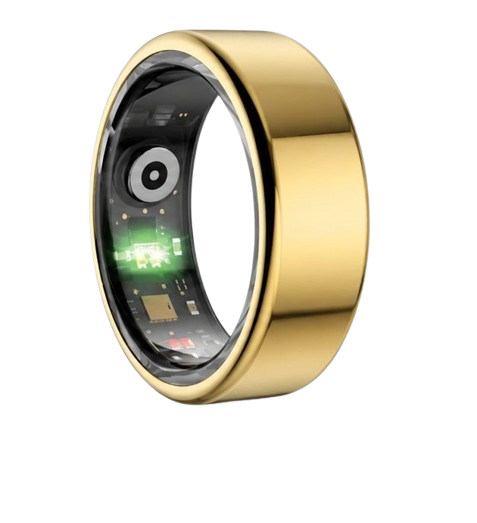
To capture these recovery patterns without adding stress, our team suggests tracking your nights with the Herz P1, which sits comfortably on your finger and collects medical-grade data with zero recurring costs.
90-Day 100% Money-Back Guarantee
“The Herz Smart Ring helps me manage stress easily. It’s accurate, stylish, and lightweight—perfect for my busy life!”
— Jennifer P. | ✔ Verified Customer
- ✓ 6-Day Battery Life
- ✓ Detailed Sleep Analysis
- ✓ Fast 1-Hour Charging
- ✓ iOS & Android Ready
Questions? Call: 1-866-479-1629
How Sex Before Sleep Rewires Your Brain Chemistry for Restful Sleep Cycles

To understand why physical connection makes us feel tired, we must explore the biochemistry of hormones and sleep onset latency.
Based on extensive clinical reviews published by the National Sleep Foundation, physical intimacy triggers a predictable neurochemical shift.
First, active touch dramatically reduces the circulating levels of cortisol, the body’s primary stress hormone.
This hormonal drop signals to your autonomic nervous system that your immediate environment is entirely safe.
At the same time, the brain releases a surge of oxytocin, which is often referred to as the bonding hormone.
This hormone promotes a deep sense of psychological safety and biological relaxation, which makes it much easier to fall asleep.
For many individuals, experiencing a satisfying climax also triggers the release of prolactin.
Prolactin is directly linked to feelings of deep sleepiness and plays a key role in emotional recovery.
When you ask, does sex help you sleep, you are looking at a beautifully designed hormonal feedback loop.
This biochemical shift decreases sleep onset latency, which is the time it takes to transition from fully awake to light sleep.
When you track your nights, you will likely see a clear increase in your early deep slow-wave sleep cycles on intimacy days.
These slow-wave sleep phases are vital for cellular repair, physical recovery, and clearing away metabolic waste from the brain.
Analyzing the Cardiovascular Footprints of Intimacy and Sleep on HRV
Your heart rate variability, or HRV, is one of the most reliable biometric indicators of stress and autonomic nervous system status.
Intimacy serves as a brief cardiovascular workout, causing a healthy surge in sympathetic nervous system activation.
Following this brief spike, the subsequent transition into rest activates the parasympathetic branch of the nervous system.
This parasympathetic shift allows your heart rate to settle into a steady, healthy rhythm.
According to research guidelines from the American Heart Association, a higher HRV indicates a body that adapts well to daily stress.
Monitoring these cardiovascular shifts can reveal interesting differences between male vs female sleep trends after intimate connection.
Due to complex hormonal differences, men often experience a rapid surge in prolactin that leads to quick sleep onset.
Conversely, women may experience a more gradual rise in oxytocin, leading to differences in overall relaxation times.
Understanding these gender sleep differences helps couples design bedtime routines that support both partners’ recovery needs.
A high-quality smart ring can capture these subtle overnight biometric changes, giving you objective proof of how intimacy supports your sleep.
How to Monitor Intimacy-Induced Recovery Scores on the Herz P1 App

The companion app for the Herz P1 turns raw physiological signals into a clear, visual map of your nightly recovery.
When you wake up, you can review your personalized Sleep Score, which ranges from 0 to 100 based on several sleep metrics.
The app displays clear breakdowns of your sleep stages, including REM, Deep, and Light sleep, along with periods of wakefulness.
You can also check your overnight oxygen saturation levels, or SpO2, which should ideally remain steady between 95% and 100%.
By comparing your connection nights to your busy workdays, you will see how intimate moments help keep your breathing and oxygen levels stable.
Couples who track their recovery often use couples smart rings to keep their daily health goals aligned.
With the Herz P1, you can replace a bulky watch or metal band with a sleek option that easily serves as a tracking wedding ring.
By utilizing the smart ring health sharing dashboard, partners can easily review each other’s recovery trends.
This makes it simple to see when a partner is physically exhausted and could benefit from extra support or a relaxed evening.
Many busy families rely on family sharing health rings to coordinate rest days and manage physical stress.
The ring’s multi-wavelength PPG sensors work quietly in the background, collecting valuable insights while you focus on connection.
Because the ring has an impressive 6-day battery life, you do not have to worry about the device dying in the middle of the night.
Leveraging Biometrics for Shared Lifestyle and Relationship Goals
Using real-time data to guide your relationship dynamics is an excellent way to prevent burnout and support shared wellbeing.
If your partner’s overnight HRV score is unusually low, their body is likely working hard to manage physical or mental stress.
Recognizing these early physical indicators allows you to proactively adjust your daily plans, workouts, and responsibilities.
Instead of scheduling intense workouts or late events, you might choose a calm evening of physical connection and early rest.
This approach helps couples answer the common question: does sex help sleep, by providing clear, personalized evidence over time.
Many users notice their resting heart rate dips to its lowest point hours earlier when they prioritize physical connection before bed.
This early dip gives your heart more time to rest, leading to higher physical energy and better mood scores the following morning.
By prioritizing consistent sleep cycles, couples can protect their long-term health and build a stronger, more resilient bond.
Bypassing the Common Pitfalls of Sleep and Biometric Tracking
Many health-conscious individuals run into common challenges when using wearable trackers to monitor their sleep quality.
One frequent issue is wearing a large, bulky smartwatch to bed, which can easily cause physical discomfort.
A heavy watch can press uncomfortably against your wrist or snag on your sheets, causing small awakenings that disrupt your deep sleep.
A lightweight, military-grade steel ring, on the other hand, sits naturally on your finger and remains comfortable in any sleeping position.
Another major frustration is the hidden cost of monthly app subscriptions required by many premium wearable brands.
Paying an ongoing fee to access your own biometric data can make sleep tracking feel like a chore rather than a helpful health tool.
Our team believes health data should be completely transparent, which is why the Herz P1 app is entirely free for life.
Additionally, avoid the trap of checking your phone immediately after waking up, which can trigger an early cortisol spike.
Instead, focus on how you physically feel before opening your app to review your overnight recovery scores.
By matching your subjective energy levels with your objective biometrics, you will gain a much better understanding of your body’s recovery patterns.
Frequently Asked Questions About the Herz P1
Conclusion: Unlock Deeper Sleep and Seamless Recovery Tracking
Understanding how intimacy supports your sleep is a powerful way to naturally optimize your body’s recovery cycles.
By tracking your biometrics, you can make informed adjustments to your evening routine that protect your energy and health.
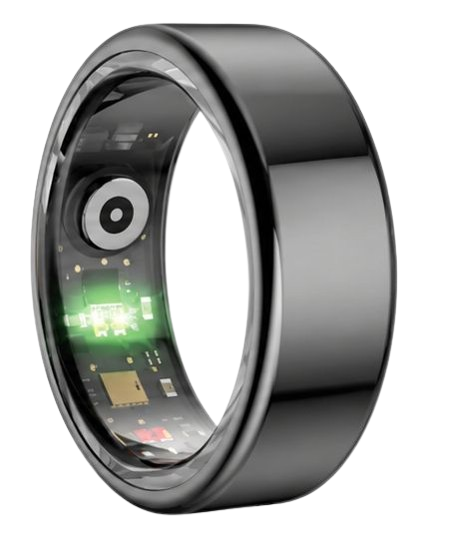
The premium, subscription-free Herz P1 Smart Ring makes it incredibly simple to monitor these vital physical trends every single day.
Ready to monitor your health every day? Explore the Herz P1 Smart Ring and see if it fits your lifestyle. Call: 1-866-479-1629 — our team can help you advise on the correct ring size and set personalized health goals.
Note: Individual results may vary depending on individual health conditions, age, and lifestyle habits. This article is intended for general health reference purposes only.
