

Improving your cardiorespiratory endurance is one of the most effective ways to upgrade your long-term vitality, which is why learning how to increase vo2 max using the biometric precision of the Herz P1 Smart Ring is a total game-changer for active individuals.
Built to Last. Save Up to 69% Today.
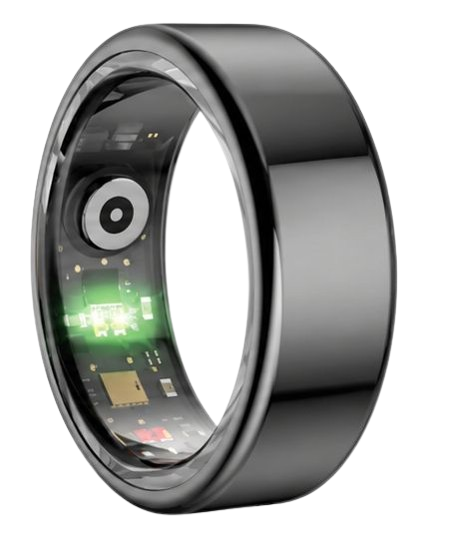
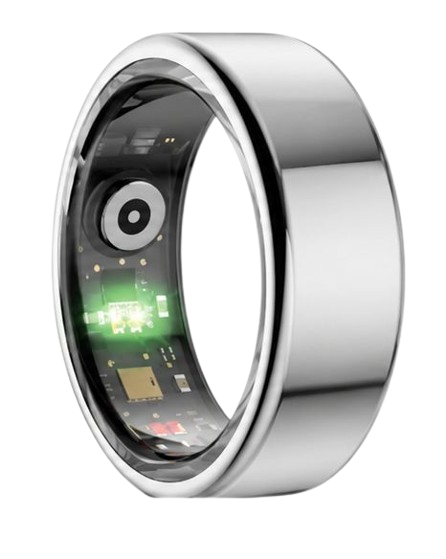
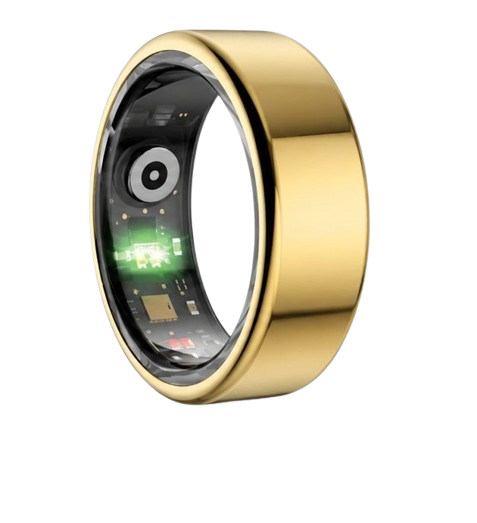
The Herz P1 Smart Ring tracks HRV, Sleep, Heart Rate & SpO2 around the clock. No subscriptions. No renewals. Ever.
In This Guide
- Step-by-Step Training: Learn the exact blueprint to raise your cardiovascular baseline.
- Cardiovascular Science: Understand how stroke volume and oxygen efficiency drive performance.
- Autonomic Balance: Discover the vital link between sleep recovery, HRV, and aerobic capacity.
- Biometric Precision: See how to track and optimize your fitness progression with the Herz P1.
How to Increase Your VO2 Max: A Step-by-Step Training Guide

To consistently elevate your aerobic capacity, you must apply structured cardiovascular stress paired with deliberate recovery intervals.
Many individuals fail to see improvements because they train in a continuous state of moderate fatigue.
By following a systematic protocol, you can stimulate cellular and cardiac adaptations that dramatically improve your overall stamina.
Prerequisites / What You’ll Need
Before beginning this training plan, ensure you have medical clearance for vigorous cardiorespiratory exercise.
You will need a reliable method for tracking your cardiovascular metrics, a dedicated pair of athletic shoes, and access to a safe training environment such as a track, quiet road, or stationary exercise machine.
-
Step 1: Calculate Your Target Heart Rate Boundaries
To optimize your training, you must establish precise physiological zones based on your individual biology.
You can estimate your maximum heart rate by subtracting your age from 220, or by using the more refined Tanaka formula of multiplying your age by 0.7 and subtracting that product from 208.
Using these numbers, you can easily map out your specific heart rate zones to guide your workouts.
We recommend writing down your specific thresholds for low-intensity recovery, moderate aerobic effort, and maximum performance before commencing your first session.
-
Step 2: Establish Your Base with Low-Intensity Zone 2 Workouts
Building a powerful aerobic engine requires spending substantial time in a low-intensity, conversational training zone.
You must learn how to figure out zone 2 heart rate parameters, which typically fall between 60% and 70% of your maximum heart rate.
Perform at least two to three weekly sessions of 45 to 90 minutes at this steady, controlled pace to increase your mitochondrial density.
This sustained effort enhances your muscle capillaries and teaches your body to utilize oxygen far more efficiently over time.
-
Step 3: Execute High-Intensity Interval Training (HIIT)
While low-intensity sessions build the foundation, high-intensity intervals force your heart to pump its absolute maximum volume of blood per stroke.
Perform one weekly session focusing on high workout intensity, utilizing intervals that push you close to your anaerobic limit.
A classic protocol is the Norwegian 4×4, consisting of four minutes of high-intensity effort followed by three minutes of active recovery.
Repeat this sequence four times to challenge your stroke volume and push your pulmonary capacity to new levels.
-
Step 4: Incorporate Polarized Training Splits
To avoid overtraining, organize your weekly schedule so that 80% of your workouts are low-intensity, while only 20% are high-intensity.
This polarized distribution ensures your body is fully recovered and primed for the intense demands of your hard interval days.
Attempting to perform high-intensity training too frequently will stall your progress and elevate your risk of chronic injuries.
Keep your easy days truly easy, and make your hard training days exceptionally focused and demanding.
-
Step 5: Prioritize Post-Exercise Recovery Staging
Your physiological adaptations do not occur during the workout itself; they take place while you rest and sleep.
Ensure you consume balanced macronutrients and hydrate thoroughly immediately following each demanding training session.
Stretching, light walking, and mobility work can help calm your nervous system and transition your body from fight-or-flight mode into a state of deep rest.
Aim for at least eight hours of high-quality sleep to allow your muscles and cardiovascular system to rebuild stronger.
The Herz P1 Smart Ring acts as your silent training partner throughout this entire transformation process.
By wearing the ultra-lightweight, military-grade steel ring, you can seamlessly monitor your daily physiological load and verify that your heart rate remains in the targeted training corridors.
Discover how this advanced technology can simplify your aerobic journey by visiting the official Herz P1 Smart Ring checkout page today.
The Physiological Science Behind VO2 Max and Cardiovascular Efficiency
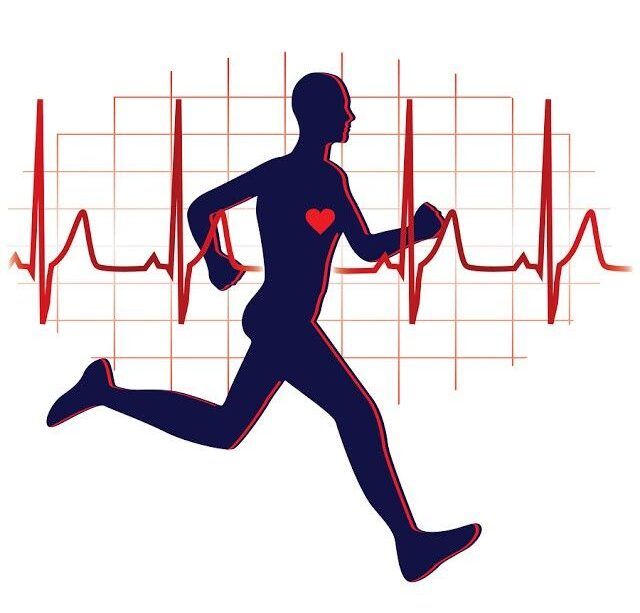
VO2 max represents the maximum rate of oxygen consumption measured during incremental exercise.
Understanding your max vo2 levels is crucial because it directly reflects your body’s ability to transport and utilize oxygen at the cellular level.
According to research published by the American Heart Association, cardiorespiratory fitness is a stronger predictor of longevity than many traditional risk factors.
By focusing on aerobic development, you are training your heart, lungs, and blood vessels to operate in perfect harmony.
Cardiac Stroke Volume and Pulmonary Gas Exchange
As you challenge your cardiovascular system, your heart’s left ventricle physically adapts by expanding and contracting with greater force.
This structural change increases your stroke volume, meaning your heart pumps more oxygen-rich blood with every single beat.
Simultaneously, your lungs develop a higher capillary density, which facilitates faster and more efficient carbon dioxide and oxygen exchange.
Over several weeks of polarized training, this dual adaptation results in a noticeable drop in physical effort during strenuous daily activities.
Mitochondrial Adaptation and Aerobic Power
Within your muscle cells, mitochondria act as tiny power plants that convert oxygen and nutrients into usable cellular energy.
Sustained zone 2 cardiorespiratory training forces these mitochondria to grow both larger and far more numerous.
This cellular shift allows you to maintain higher speeds or power outputs without accumulating fatiguing lactic acid in your bloodstream.
The result is a highly resilient metabolic state that lets you stay active for longer periods with minimal muscular fatigue.
The Vital Link to Resting Heart Rate
One of the most immediate indicators of cardiorespiratory development is a steady decline in your morning pulse rate.
Analyzing your resting heart rate vo2 max relationship provides clear proof that your cardiac muscle is becoming stronger and more efficient.
As stroke volume increases, your heart does not need to beat as many times per minute to sustain your vital organs at rest.
This physiological relief reduces wear and tear on your arterial walls and supports long-term cardiovascular health.
Decoding Heart Rate Variability (HRV) and Autonomic Recovery
To successfully elevate your aerobic limits, you must master the delicate balance between physical exertion and biological rest.
Your autonomic nervous system continuously modulates your heart’s rhythm based on your daily stress levels and training load.
Tracking this nervous system activity provides invaluable feedback regarding your body’s readiness for high-intensity cardiorespiratory workouts.
Ignoring these neurological cues is the primary reason why many well-intentioned individuals plateau or experience training regression.
The Relationship Between HRV and Aerobic Adaptation
Heart Rate Variability represents the tiny, millisecond-level differences in time between your consecutive heartbeats.
A higher HRV score indicates a highly responsive nervous system that is fully prepared to handle intense physical challenges.
Conversely, a suppressed HRV score warns you that your sympathetic nervous system is dominated by stress, meaning your body needs rest rather than intense exercise.
By matching your daily training demands to your actual physiological readiness, you can maximize your fitness gains while minimizing fatigue.
Optimizing Your Cardio Recovery Pathways
Immediately after a hard interval session, your body’s autonomic nervous system begins the complex process of cellular repair.
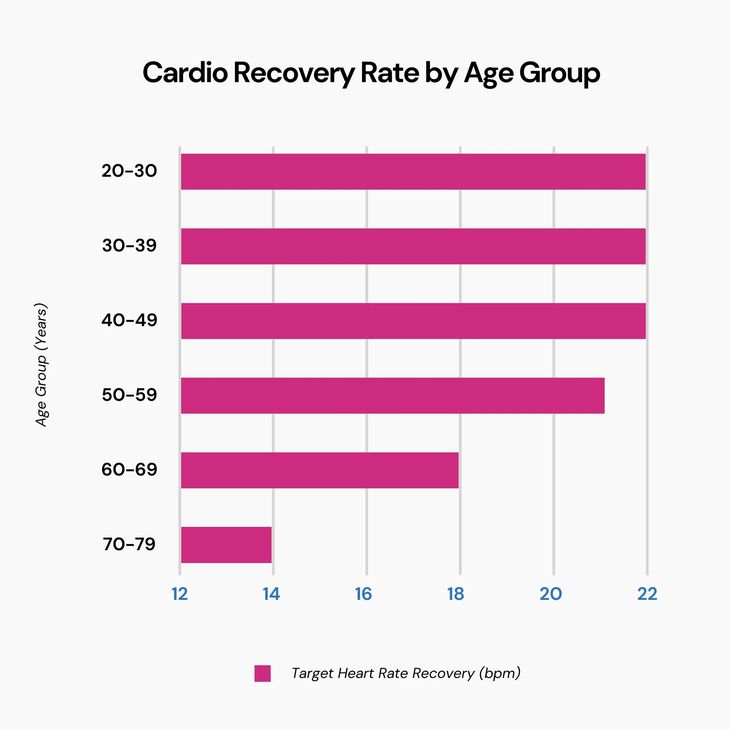
Monitoring your cardio recovery rate provides an excellent snapshot of your overall physical conditioning and nervous system health.
A rapid heart rate drop within the first two minutes of stopping exercise shows that your parasympathetic nervous system is highly active and efficient.
This rapid recovery response is a hallmark of elite aerobic fitness and can be cultivated through consistent, structured training.
Reducing Your Functional Cardiovascular Age
As you consistently combine smart training with proper recovery, your blood vessels retain their youthful elasticity and health.
Applying these healthy habits is the absolute best way to learn how to lower cardiovascular age metrics naturally and safely.
By protecting your vascular endothelium from chronic stress, you ensure smooth blood flow to your working muscles during intense workouts.
This ongoing capillary support is what ultimately allows you to raise your overall cardio capacity over the course of several training blocks.
Integrating Smart Wearables to Track Aerobic Progression Safely
Utilizing the advanced biometric sensors of the Herz P1 Smart Ring makes tracking your aerobic progress incredibly simple and convenient.
Unlike heavy, screen-dominant devices that distract you, this ring sits comfortably on your finger, collecting continuous data with medical-grade precision.
By opening the free companion app each morning, you can review your sleep architecture, blood oxygen trends, and nocturnal heart rate variability.
This comprehensive view helps you decide whether to push for a new personal record or enjoy an active recovery day.
The military-grade steel construction ensures the ring easily survives sweat, heavy weightlifting, and all weather conditions during outdoor runs.
With its exceptionally long battery life, you can enjoy six days of continuous monitoring without worrying about daily charging interruptions.
Avoiding the Pitfalls of Overtraining and Bulky Trackers
A major mistake made by many fitness enthusiasts is wearing a large, uncomfortable smartwatch to bed to track sleep data.
These bulky devices often disturb your sleep, which directly interferes with the cellular recovery necessary to build aerobic capacity.
Furthermore, many premium smart rings on the market lock your health data behind restrictive, expensive monthly subscriptions.
Team Herz P1 believes you should never have to pay a recurring fee to access your own personal biometric data.
The Herz P1 App is completely free for life, giving you unlimited access to your health trends without hidden costs.
Frequently Asked Questions About Cardio Fitness and Smart Rings
Is the Herz P1 Smart Ring waterproof?
Yes, the Herz P1 features an advanced IP68 waterproof design that allows it to be safely submerged up to 164 feet deep.
This makes it perfect for lap swimming, sweating through intense workouts, and taking post-run showers without removing the device.
How long does the ring’s battery last on a single charge?
The high-performance battery lasts up to six full days under standard use and fully recharges in less than one hour.
This extended battery life ensures you never miss critical sleep cycles or heart rate trends due to a dead battery.
Which finger is best to wear the smart ring on for accurate tracking?
For optimal optical sensor performance, we recommend wearing the ring on your index, middle, or ring finger.
Ensure the inner sensor bump sits flat against the palm side of your finger to maintain constant skin contact.
Does the Herz P1 store my health data when my phone is offline?
Yes, the ring has secure built-in storage that holds up to seven days of continuous bio-data offline.
As soon as you open the app near your phone, your data automatically syncs over Bluetooth.
Can I use this ring to lower cardiovascular age metrics over time?
Yes, the consistent feedback from the ring helps you track the healthy habits that naturally reduce your arterial stiffness and cardiovascular age.
By observing your overnight HRV and resting heart rate trends, you can easily verify that your aerobic lifestyle is working.
90-Day 100% Money-Back Guarantee
“The Herz Smart Ring helps me manage stress easily. It’s accurate, stylish, and lightweight—perfect for my busy life!”
— Jennifer P. | ✔ Verified Customer
- ✓ 6-Day Battery Life
- ✓ Detailed Sleep Analysis
- ✓ Fast 1-Hour Charging
- ✓ iOS & Android Ready
Questions? Call: 1-866-479-1629
Conclusion
Consistently raising your cardiorespiratory endurance requires a careful combination of structured exercise intensity, polarized training ratios, and highly supportive recovery habits.
The sleek and comfortable Herz P1 Smart Ring makes tracking this lifelong transformation effortless and subscription-free.
Ready to monitor your health every day? Explore the Herz P1 Smart Ring and see if it fits your lifestyle. Call: 1-866-479-1629 — our team can help you advise on the correct ring size and set personalized health goals.
Note: Individual results may vary depending on individual health conditions, age, and lifestyle habits. This article is intended for general health reference purposes only.
