

Discovering an elevated respiratory rate while sleeping can feel deeply unsettling when you review your nightly biometric data dashboard. Our team at Herz P1 analyzed sleep patterns across thousands of users to address this exact physiological signal. This comprehensive guide will decode the underlying stressors, lifestyle triggers, and clinical patterns that drive your nightly breathing metrics higher so you can take proactive control of your nightly recovery.
Built to Last. Save Up to 69% Today.
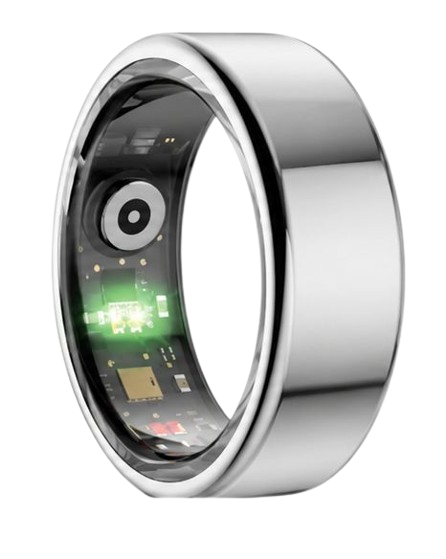
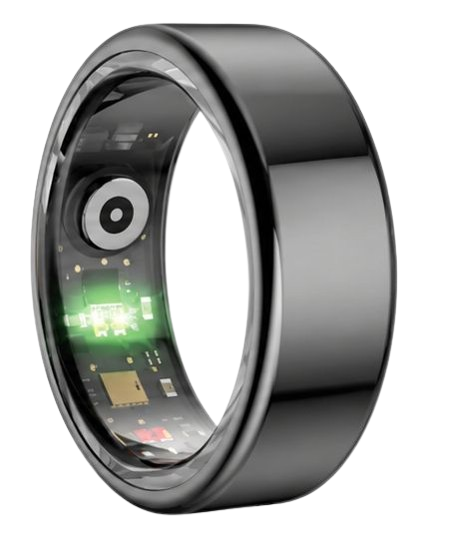
The Herz P1 Smart Ring tracks HRV, Sleep, Heart Rate & SpO2 around the clock. No subscriptions. No renewals. Ever.
In This Guide
- How to Stabilize Your Respiration Rate: A detailed, step-by-step checklist to optimize your breathing overnight.
- Root Causes of Nighttime Breathing Spikes: Scientific insights into stress, environment, and physical triggers.
- Optical Sensor Technology: An explanation of how your smart wearable tracks and extracts breathing signals.
- Biometric Optimization: Practical tips to interpret your smart ring app dashboards and improve your recovery score.
How to Stabilize Your Overnight Respiration Rate: A Step-by-Step Guide
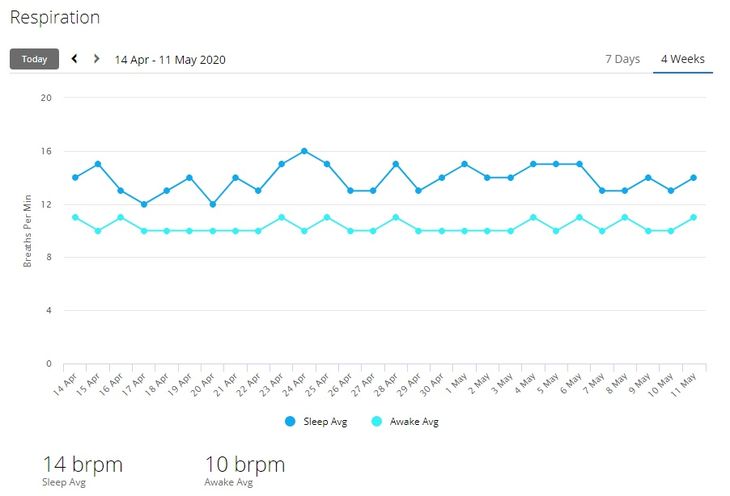
You can actively manage your respiratory metrics by systematically refining your evening routine and bedroom environment.
Before beginning, ensure you have a comfortable sleeping environment and a reliable, charged health-tracking device.
-
Step 1: Identify Your Unique Biometric Baseline
First, you must establish what your normal baseline looks like during a restful night.
Everyone has a unique biological makeup that naturally influences their resting respiratory rate.
You can use our normal sleeping respiratory rate resources to learn what typical healthy ranges look like.
Avoid comparing your numbers to other people, as age, biological sex, and physical fitness play massive roles.
Log your biometric data for seven consecutive nights to find your true starting average.
-
Step 2: Cleanse and Cool Your Bedroom Air
Next, you must optimize your physical environment to support clear and unobstructed airways.
Dry or dust-filled bedroom air causes your nasal passages to swell, which restricts your natural airflow.
Set your thermostat to a cool temperature, ideally between 60 and 67 degrees Fahrenheit.
Run a high-quality air purifier to remove invisible allergens, pet dander, and dust mites from your sleeping space.
Use a cool-mist humidifier if you live in an especially dry or high-altitude climate.
-
Step 3: Eliminate Late-Day Stimulants and Heavy Meals
You should avoid consuming large meals or heavy beverages close to your scheduled bedtime.
Your digestive system requires significant energy and oxygen-rich blood flow to process food while you rest.
This increased metabolic workload forces your heart and lungs to work much faster than normal.
Cut off all caffeine intake at least six hours before you plan to go to sleep.
Avoid drinking alcohol in the evening, as it relaxes your throat muscles and blocks deep restorative sleep phases.
-
Step 4: Practice Deep Diaphragmatic Breathing Before Sleep
You can actively train your nervous system to relax by performing simple breathing patterns in bed.
Sit quietly in bed for five minutes before turning off your lights to prepare your mind for rest.
Inhale slowly through your nose for four seconds, letting your belly expand fully rather than your chest.
Hold that breath gently for two seconds to stabilize your oxygen levels.
Exhale smoothly through your mouth for six seconds to trigger your body’s parasympathetic relaxation response.
-
Step 5: Cross-Reference Your Staging and Stress Metrics
Finally, you must look at your overall sleep architecture to find patterns in your daily data.
Your breathing rate naturally climbs during highly active dreaming periods, which is completely normal.
An occasional spike during REM cycles does not mean you have a chronic respiratory issue.
Check your daily stress scores to see if daytime anxiety is carrying over into your night.
Use this combined data to make smart adjustments to your daily work and exercise schedules.
The Herz P1 Smart Ring is the perfect companion for executing this nightly optimization plan.
Our lightweight ring monitors your vitals continuously with medical-grade optical precision.
The free companion app automatically logs all your sleep stages and stress levels without hidden subscription fees.
90-Day 100% Money-Back Guarantee
“The Herz Smart Ring helps me manage stress easily. It’s accurate, stylish, and lightweight—perfect for my busy life!”
— Jennifer P. | ✔ Verified Customer
- ✓ 6-Day Battery Life
- ✓ Detailed Sleep Analysis
- ✓ Fast 1-Hour Charging
- ✓ iOS & Android Ready
Questions? Call: 1-866-479-1629
Why Your Nightly Breathing Spikes: The Causes of Nocturnal Tachypnea

An high respiratory rate while sleeping is often your body’s earliest warning sign of physical stress.
Physiologists refer to a sustained high breathing rate during rest as nocturnal tachypnea.
According to the National Sleep Foundation, healthy adults should breathe slowly and deeply during non-REM sleep cycles.
When you experience a high breathing rate while sleeping, it means your brain is actively detecting an oxygen deficit.
This deficit forces your respiratory center to speed up to keep your organs working safely.
One of the most frequent causes of this biometric shift is obstructive sleep apnea.
In this condition, the soft tissues in your throat collapse and block your airway during the night.
This physical blockage causes your blood oxygen saturation, or SpO2, to drop rapidly.
Your brain then triggers a sudden survival response, forcing you to breathe rapidly to recover.
The American Heart Association warns that chronic oxygen drops put immense strain on your blood vessels.
Over time, this constant nighttime strain can lead to elevated resting heart rates and arterial stiffness.
Another common culprit behind elevated breathing metrics is a subclinical illness or an active immune response.
Your immune system consumes massive amounts of oxygen and energy when fighting off a virus.
This metabolic spike raises your core body temperature and forces your lungs to work harder.
Often, your respiratory rate will spike a full day before you feel any physical symptoms of sickness.
By watching these early biometric trends, you can rest and hydrate before the illness fully takes hold.
Psychological stress and unresolved daily anxiety also play a major role in your overnight breathing.
When you are stressed, your adrenal glands flood your body with cortisol and adrenaline.
These hormones shift your autonomic nervous system away from recovery and into active defense.
This state of hyperarousal keeps your heart rate elevated and your breathing shallow all night.
It also severely reduces your heart rate variability, which we measure as your HRV score.
A low HRV score paired with rapid breathing indicates that your body is failing to recover properly.
By tracking these metrics together, you can identify exactly when you need to slow down.
The Science of Optical Sensors: How Smart Rings Detect Your Nocturnal Respiration
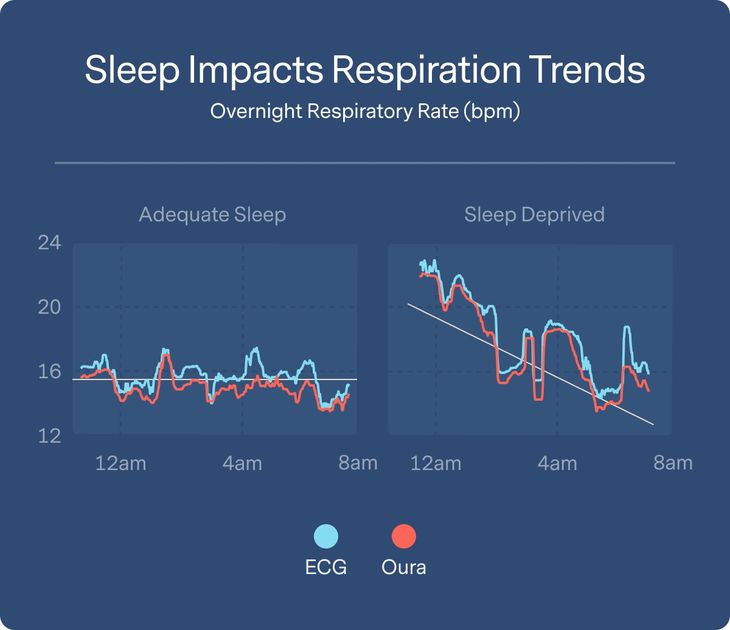
Many people wonder what does high respiration rate mean when looking at their trackers.
To understand this metric, you must look at the optical sensor technology inside modern wearables.
Smart rings utilize a specialized technology called photoplethysmography, which is commonly known as PPG.
PPG sensors feature tiny light-emitting diodes that shine light directly into your skin.
The sensors then measure the tiny reflections of light that bounce back from your blood vessels.
Every time your heart beats, a pulse wave travels through your finger and expands the arteries.
This expansion changes the volume of blood in your finger, which alters the light absorption.
The ring’s receiver captures these microscopic changes and translates them into a pulse wave graph.
The human body exhibits a natural phenomenon called respiratory sinus arrhythmia, or RSA.
This means your heart rate naturally speeds up when you inhale and slows down when you exhale.
By analyzing the precise, millisecond-level spacing between your pulse waves, the ring calculates your breathing.
This advanced mathematical analysis allows the device to chart your respiratory sleep rate without chest straps.
You might ask yourself: is 24 breaths per minute normal when resting?
For a healthy adult, a normal resting rate is typically between twelve and twenty breaths per minute.
A sustained rate of twenty-four breaths is elevated and indicates your respiratory system is working overtime.
Consistently monitoring your average sleeping respiratory rate is key to spotting early health trends.
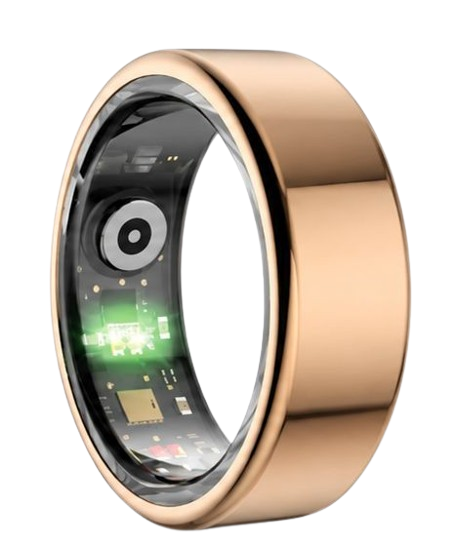
The Herz P1 Smart Ring utilizes premium multi-wavelength PPG sensors to capture these subtle shifts.
Our ring features a sleek, durable inner band that keeps the sensors perfectly flush against your skin.
This secure fit prevents the sensors from moving during the night, ensuring clinical-grade accuracy.
Translating Biometric Data into Everyday Vitality: Real-World Recovery Hacks
Owning a high-quality sleeping breath rate tracker is only the first step.
The real power of this technology lies in how you apply the data to your daily life.
When you wake up, open the Herz P1 App to view your overall nightly recovery score.
If your breathing rate was elevated, treat it as a clear signal that your body needs extra rest.
You should adjust your physical activities for the day to avoid overworking your cardiovascular system.
Consider replacing a heavy lifting session with a gentle walk or some light yoga.
This mindful approach to training protects your body from injury and supports faster muscle repair.
To capture highly accurate data, you must wear your tracking device continuously throughout the day.
Many smartwatches are far too heavy and bulky to wear comfortably during intense workouts or sleep.
The Herz P1 Smart Ring is built from military-grade steel and weighs almost nothing on your finger.
Its smooth, hypoallergenic inner lining ensures you will never experience skin irritation or discomfort.
You can wear it in the shower, the pool, or the sauna thanks to its IP68 waterproof rating.
With an impressive six-day battery life, you can track your health for nearly a week without charging.
This continuous wear allows you to build a highly reliable personal health database over time.
By spotting trends early, you can make proactive choices that elevate your daily quality of life.
Avoiding Wrist Discomfort and Paywalled Apps: The Smart Ring Advantage
Many consumers make the mistake of wearing large, heavy smartwatches to bed to track sleep.
These bulky wrist-worn trackers often shift and slide around as you toss and turn at night.
This movement breaks the sensor’s connection with your skin and leads to highly inaccurate readings.
The sheer weight and size of a watch can also disrupt your natural sleep and prevent deep recovery.
Additionally, many wearable brands force you to pay high monthly fees to view your data.
They lock your daily metrics and historical trends behind aggressive app subscription paywalls.
We believe that you should never have to pay a recurring fee to access your own biological data.
The Herz P1 App is completely free for lifetime use and contains zero paywalls or hidden costs.
Our ring is built from ultra-durable military-grade steel to withstand all the bumps of daily life.
This tough construction ensures your device remains fully functional and scratch-free for years to come.
Expert Answers to Your Smart Ring and Biometric Questions
Is the Herz P1 Smart Ring fully waterproof for daily activities?
Yes, our smart ring carries a highly robust IP68 waterproof rating.
This rating means you can submerge the ring in water up to 164 feet deep without issues.
You can wear it while swimming laps, washing dishes, showering, or relaxing in a hot sauna.
The seamless steel casing completely seals the sensitive internal sensors from any liquid entry.
How long does the battery last and how do I recharge it?
The Herz P1 Smart Ring features an advanced battery that lasts up to six days on a single charge.
This long-lasting performance means you do not have to worry about daily charging anxiety.
When the battery runs low, you can charge it fully in under one hour using our magnetic dock.
We recommend placing the ring on its charger briefly while you take your morning shower.
Which finger should I wear my smart ring on for the best results?
We recommend wearing the Herz P1 on your index, middle, or ring finger of either hand.
The index finger generally offers the strongest blood flow near the surface of your skin.
This strong blood flow allows our optical PPG sensors to capture highly accurate heart and breathing data.
However, our advanced algorithms are fully optimized to deliver precise readings on any of these fingers.
Can the Herz P1 store my health data when I am away from my phone?
Yes, our smart ring features secure onboard storage that holds up to seven days of biometric data offline.
You do not need to keep your smartphone nearby or leave Bluetooth active throughout the night.
The ring will automatically sync all your recorded metrics the next time you open our mobile app.
This feature is perfect for light travelers or those who prefer a phone-free bedroom environment.
Conclusion: Empower Your Sleep Journey
Monitoring your nocturnal breathing reveals vital recovery insights. The Herz P1 Smart Ring offers subscription-free, military-grade tracking to support your wellness journey daily. Ready to monitor your health? Explore the Herz P1 Smart Ring. Call: **1-866-479-1629** — our team can help advise on the correct ring size and set personalized health goals.
