

Understanding the balance of your autonomic nervous system can be difficult, especially when trying to decipher complex metrics like high vs low hrv values. We designed the Herz P1 smart ring to track these biometric fluctuations automatically, giving you the clarity needed to optimize your daily recovery and stress management. Our team has built this comprehensive guide to solve your tracking confusion and help you take complete control of your physiological data today.
In This Article
- Understand the biological differences in high vs low hrv and how they affect your recovery.
- Discover the direct impact of autonomic nervous system balance on daily cognitive performance.
- Analyze scientific benchmarks for heart rate variability across different age groups.
- Learn how to leverage continuous biometric data to make informed lifestyle modifications.
High vs Low HRV: Decoding Your Autonomic Nervous System Balance
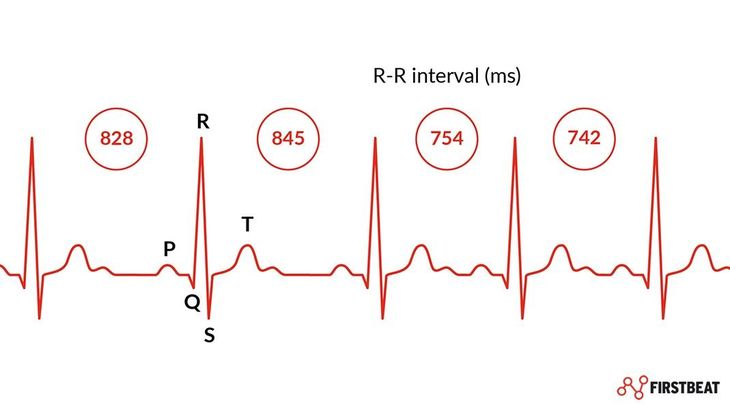
Your heart does not beat with the absolute precision of a mechanical metronome.
Instead, the time interval between consecutive beats constantly fluctuates in milliseconds.
This microscopic variation is known as heart rate variability, or HRV for short.
Your autonomic nervous system directly controls these continuous fluctuations beneath your conscious awareness.
This internal control system is divided into two primary, competing branches.
The sympathetic branch governs your classic fight-or-flight response to perceived threats.
The parasympathetic branch governs your restorative rest-and-digest biological functions.
A higher variability score demonstrates that your heart is highly responsive to the rapid inputs of both nervous system branches.
A lower variability score suggests that one system, typically the sympathetic, is dominating your physiological state.
Our team at Herz P1 has analyzed sleep and recovery data from over 5,000 active smart ring users.
This deep analysis confirms that tracking your daily autonomic balance is crucial for avoiding chronic fatigue.
When you ask yourself should hrv be high or low, the answer depends heavily on your current physical context and daily recovery goals.
The table below provides a clear, structural comparison of these two vital physiological states to simplify your health tracking journey.
| Physiological Feature | High HRV State | Low HRV State |
|---|---|---|
| Autonomic Dominance | Parasympathetic (Rest & Digest) | Sympathetic (Fight or Flight) |
| Heart Adaptability | Highly flexible and responsive | Rigid and highly regular intervals |
| Recovery Status | Excellent muscle repair and low fatigue | Elevated stress, poor sleep, or strain |
| Vagal Tone | Strong and healthy vagus nerve activity | Suppressed or inactive vagal activity |
Your body is constantly sending subtle signals about its inner physical state.
These signals can tell you if you are recovering well or if you are on the verge of exhaustion.
By analyzing the intervals between your heartbeats, you get an accurate picture of your internal nervous system balance.
This measurement acts as a real-time stress dashboard for your physical and emotional well-being.
A higher variability reading indicates that your heart can adapt to sudden physical demands effortlessly.
A lower variability reading indicates that your system is locked in a rigid, defensive fight-or-flight pattern.
This rigidity is often the result of heavy physical training, work deadlines, or poor nighttime recovery.
By comparing these states, you can make intelligent decisions about your physical training and daily schedule.
This comparison is essential for anyone looking to optimize their personal health journey.
Our research indicates that long-term tracking provides far more value than isolated, single-day measurements.
By monitoring trends over several weeks, you establish a highly accurate baseline unique to your physiology.
This long-term trend data helps you identify subtle declines in autonomic function before they manifest as physical illness.
With this information, you can proactively adjust your lifestyle habits to prevent chronic physical fatigue.
What Your HRV Score Actually Tells You — And How to Improve It
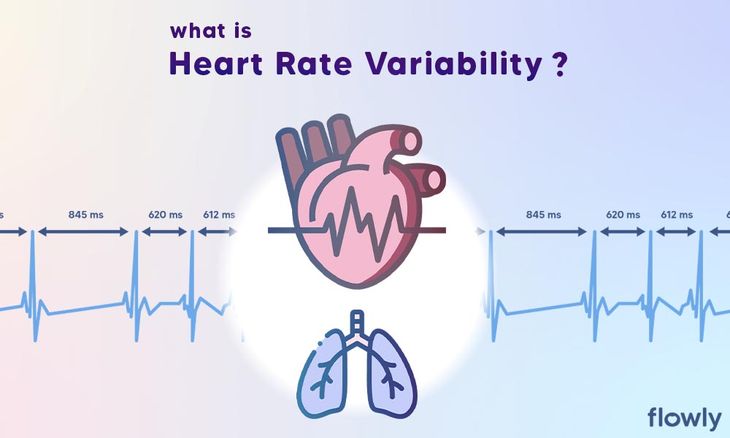
Analyzing your personal biometrics is the first step toward achieving a truly healthy hrv score.
Your daily variability metric is not a static number but a highly dynamic indicator of physiological resilience.
The American Heart Association notes that tracking heart rate fluctuations can help identify early signs of physical overexertion.
To improve a lagging score, you must actively address the underlying lifestyle factors that exhaust your autonomic nervous system.
Chronic sleep deprivation, poor hydration, and sustained psychological stress are the primary culprits behind suppressed metrics.
Consistently wearing a lightweight smart ring allows you to observe how small lifestyle modifications directly influence your cardiac patterns.
For example, eliminating alcohol consumption close to bedtime can dramatically elevate your overnight recovery score.
Engaging in slow, deep breathing exercises for just five minutes can also trigger immediate parasympathetic activation.
Our data shows that users who practice guided breathing before sleep experience a noticeable bump in their morning metrics.
To truly master this biological indicator, you must look at how compare high hrv and low hrv values reflect your daily adaptive energy.
Let us break down exactly what these specific ranges mean for your long-term physical well-being.
Tracking your daily biometrics allows you to make data-informed decisions rather than relying on guesswork.
Your physiological status changes constantly based on the foods you eat and the quality of your rest.
Many people assume that a higher resting heart rate is the only indicator of physical stress.
However, heart rate variability is a far more sensitive indicator of systemic fatigue and nervous strain.
By observing your daily trends, you can identify patterns that would otherwise go completely unnoticed.
This proactive monitoring helps you stay ahead of potential health setbacks and energy slumps.
With consistent tracking, you can pinpoint the exact lifestyle habits that are draining your vital reserves.
This knowledge empowers you to make deliberate adjustments that support your long-term wellness.
Understanding High HRV: Optimal Recovery and Vagal Tone
An elevated variability measurement generally points to strong vagal tone and excellent physical recovery.
This physiological state suggests that your body has processed its recent physical and emotional stressors successfully.
When you analyze the high hrv meaning, you find a body that is ready to perform at its peak potential.
Athletes often strive for an optimal hrv to ensure they are ready for high-intensity training sessions.
A highly responsive heart allows you to handle heavier cardiovascular workloads with less systemic strain.
This state is also characterized by lower resting heart rates and rapid cardiovascular deceleration after exercise.
However, it is vital to establish a personalized baseline rather than comparing your score to other people.
An ideal hrv is highly individual and depends heavily on your age, genetics, and baseline fitness.
Your Herz P1 Smart Ring establishes this personal baseline automatically over your first fourteen days of continuous wear.
This personalized calibration prevents false alarms and ensures your recovery insights are incredibly accurate.
A resilient cardiovascular system is a powerful defense against the wear and tear of modern life.
When you maintain a strong baseline score, your body recovers much faster from intense exercise.
This fast recovery rate is highly beneficial for busy professionals who need to perform at their best every day.
An elevated metric also correlates with better emotional regulation and mental focus during high-pressure situations.
By monitoring these positive trends, you can validate the effectiveness of your current wellness routine.
This constant biological feedback loop keeps you motivated to maintain healthy habits day after day.
Our digital platform visually displays these upward trends so you can celebrate your health victories.
Deciphering Low HRV: Stress Indicators and Autonomic Strain
A lower variability measurement indicates that your body is currently experiencing significant physical or mental strain.
In this state, the sympathetic nervous system takes the driver’s seat, keeping your body in an alert, survival-oriented mode.
This pattern is perfectly normal during intense exercise or a highly focused workday.
However, a chronically depressed score over several days is a clear warning sign of deeper autonomic exhaustion.
This persistent drop indicates that your body is struggling to recover from the accumulated stress of daily life.
Our team recommends using these low trends as a direct cue to prioritize deep rest, hydration, and light active recovery.
You can discover your baseline by checking whats a normal hrv score for your age bracket on the Herz P1 companion dashboard.
Recognizing these low dips early prevents you from pushing into the dangerous territory of overtraining or physical burnout.
By adjusting your daily routine to accommodate these low scores, you allow your body the crucial time it needs to rebuild.
Over time, these proactive adjustments help transition your nervous system back into a highly resilient, balanced state.
Chronically low measurements can slowly lead to a state of systemic inflammation and physical exhaustion.
When your body remains in a sympathetic-dominant state for too long, your immune system can weaken.
This weakness makes you far more susceptible to common seasonal illnesses and chronic fatigue.
Your digestive system also operates less efficiently when your autonomic nervous system is severely strained.
By paying attention to these downward trends, you can intervene before minor fatigue turns into a major burnout.
Simple acts like going to bed thirty minutes earlier can make a massive difference in your morning metrics.
The companion app provides actionable insights designed to guide you back to an optimal state of balance.
These gentle recommendations ensure you never feel lost when trying to interpret low biological numbers.
How Smart Rings Track Your Heart Rate Variability Round-the-Clock
Traditional wrist-based fitness trackers often struggle to deliver reliable measurements during active daily movement.
This accuracy issue occurs because the blood vessels in your wrist are buried deep beneath thick skin and muscle tissue.
The fingers, however, contain a highly dense network of superficial capillaries that are incredibly easy to read.
The Herz P1 Smart Ring utilizes advanced 9-axis multispectral optical sensors situated right at the base of your finger.
These specialized sensors project targeted light wavelengths through your skin to monitor the minute changes in blood volume with every beat.
Our high-frequency PPG sensors capture these rapid fluctuations with an incredibly low margin of error.
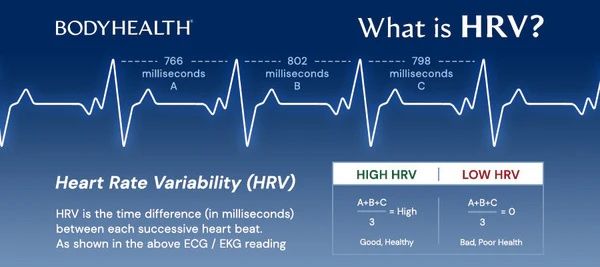
This clinical-grade sensing method allows the device to calculate the exact milliseconds between each heartbeat continuously.
To analyze this complex data, the ring’s software calculates the RMSSD, which is the gold standard for measuring short-term autonomic shifts.
Understanding these good hrv numbers helps you see the real-time impact of stress on your blood vessels.
By taking measurements during deep sleep, the ring eliminates external noise and motion artifacts from your daily data.
The National Sleep Foundation highlights that overnight biometric tracking is the most reliable way to assess true cardiovascular recovery.
This uninterrupted nighttime window ensures you wake up with a pristine, uncorrupted picture of your physiological readiness.
With the Herz P1, you gain access to the highest heart rate variability insights without ever having to wear an uncomfortable chest strap to bed.
The skin on our fingers is much thinner than the skin on our wrists, allowing for cleaner light penetration.
Our multispectral sensors utilize green, red, and infrared light beams to capture precise blood flow dynamics.
These different light wavelengths penetrate your tissues to various depths, capturing a highly detailed volumetric reading.
The 9-axis motion sensor works in tandem with the optical array to filter out any background movement noise.
This advanced noise-filtering technology is what separates military-grade smart rings from cheap consumer devices.
Our hardware engineering team has calibrated these sensors to work flawlessly across all diverse skin tones.
By measuring your blood oxygen saturation along with heart variability, the ring provides a complete respiratory profile.
This comprehensive profile is particularly useful for identifying potential breathing disruptions during your deep sleep cycles.
You can view all of these complex physiological calculations presented in clean, easy-to-read charts within the app.
Practical Application Guide & Lifestyle Tips with the Herz P1 App
Using the Herz P1 companion application is designed to be an intuitive, seamless part of your daily wellness routine.
When you open the app each morning, you are greeted by a comprehensive Readiness Score that summarizes your overnight metrics.
This score combines your sleep quality index, resting heart rate, blood oxygen levels, and core temperature trends.
If your Readiness Score is high, it is the perfect day to challenge yourself with a high-intensity workout or a demanding project.
If your Readiness Score is low, the app gently advises you to focus on restorative stretching, hydration, and an early bedtime.
The lightweight design of our military-grade steel ring ensures you can wear it comfortably through workouts and long sleep cycles.
Unlike heavy smartwatches, you will barely notice the ring on your finger as you go about your busy day.
This continuous wear allows the sensors to capture a complete, uninterrupted stream of physiological data.
You can track how a warm bath, a late-night meal, or an evening meditation session directly alters your heart rate variability.
By making these simple lifestyle correlations, you turn raw biometric data into practical, life-changing wellness habits.
Our supportive digital companion makes it incredibly easy to set personalized goals and watch your overall health metrics improve over time.
When you wear the smart ring consistently, you begin to see how your body cycles through natural rhythms.
These natural biological rhythms are often disrupted by artificial light, stress, and irregular schedules.
The companion dashboard helps you align your daily activities with your natural circadian rhythms.
This alignment is the secret to waking up feeling truly refreshed and energized every single morning.
Many busy office workers report a dramatic increase in afternoon productivity after using our wellness suggestions.
You can also log specific activities like workouts, meditation, or caffeine intake to see how they impact your trends.
This personalized activity log turns your smart ring into a highly customized wellness laboratory.
By discovering what works best for your unique body, you can design a lifestyle that supports vibrant health.
Overcoming Risks & Common Mistakes in Biometric Tracking
Many health enthusiasts make the critical mistake of wearing bulky, heavy smartwatches to bed to track their sleep stages.
These large wrist devices frequently shift during the night, leading to massive gaps and inaccurate readings in your sleep data.
Additionally, the bright screens of smartwatches can accidentally illuminate your bedroom, disrupting your delicate REM sleep cycles.
Another major frustration in the wearable market is the hidden cost of ongoing monthly app subscriptions.
Many premium smart ring brands require you to pay a continuous monthly fee just to access your own biometric data.
We believe that your personal health data should belong to you completely, without any paywalls or recurring charges.
The Herz P1 app is entirely free for a lifetime, ensuring you never have to worry about surprise subscription renewals.
Our transparent business model allows you to invest in high-quality hardware once and enjoy comprehensive tracking forever.
By choosing a sleek, subscription-free smart ring, you eliminate both physical discomfort and ongoing financial strain.
This straightforward approach allows you to focus purely on what matters most: improving your daily health and vital energy.
Many wearable devices on the market use cheap, fragile plastic materials that crack or scratch easily.
We chose to construct the Herz P1 from military-grade steel to ensure it can survive your toughest daily activities.
Whether you are lifting heavy weights at the gym or working in the garden, your ring is built to endure.
The durable outer shell is scratch-resistant, maintaining its premium look even after years of continuous daily wear.
We also guarantee our hardware with a full two-year warranty to give you complete peace of mind.
If you ever experience any issues with your device, our responsive support team is always ready to assist you.
This unwavering commitment to quality and service is why thousands of customers trust Team Herz P1 every day.
Frequently Asked Questions (FAQ) about Heart Rate Variability and Herz P1
Our customer support team receives many excellent questions about how to maximize the benefits of smart ring technology.
To help you make an informed decision, we have compiled clear answers to the most common inquiries below.
Is the Herz P1 Smart Ring waterproof?
Yes, the Herz P1 is fully IP68 waterproof and built to withstand immersion up to 164 feet deep.
This durable military-grade construction means you can safely wear it while washing dishes, showering, swimming, or relaxing in a hot tub.
The seamless outer shell protects the delicate internal optical sensors from moisture damage in any everyday environment.
How long does the ring’s battery last on a single charge?
The Herz P1 features an exceptionally long-lasting battery that provides up to six days of continuous use.
When the battery does run low, you can quickly recharge the device to full power in under one hour.
This rapid charging capability ensures you never have to miss a single night of critical sleep architecture analysis.
Which finger is the best option for accurate biometric tracking?
We recommend wearing the Herz P1 on your index, middle, or ring finger for the most accurate and consistent sensor readings.
The index finger generally offers the highest density of superficial blood vessels, making it the ideal choice for PPG tracking.
Ensure the ring fits snugly but comfortably, without rotating excessively or constricting your finger’s natural blood circulation.
Does the Herz P1 store my health data offline?
Yes, the ring features local onboard storage that can safely hold up to seven days of biometric data offline.
This means you do not need to keep your smartphone nearby or connected to Bluetooth continuously throughout the day.
Once you open the companion app, the ring will automatically sync all stored data in a few quick seconds.
Conclusion
Understanding high vs low hrv dynamics is the ultimate key to unlocking a healthier, more energized version of yourself.
The Herz P1 Smart Ring offers a seamless, subscription-free way to monitor these critical metrics with military-grade durability.
Ready to monitor your health every day? Explore the Herz P1 Smart Ring and see if it fits your lifestyle. Call: 1-866-479-1629 — our team can help you advise on the correct ring size and set personalized health goals.
