

Discovering the hidden connection between your sleeping position and personality is the first step toward decoding your body’s nightly recovery patterns, which is why Team Herz P1 designed the ultimate health tracker. By measuring micro-movements, heart rate variability, and blood oxygen levels, the Herz P1 Smart Ring transforms your curiosity about sleeping styles into actionable biometric insights. Let us explore what your sleep posture says about your personality and how to optimize your nightly rest.
Built to Last. Save Up to 69% Today.
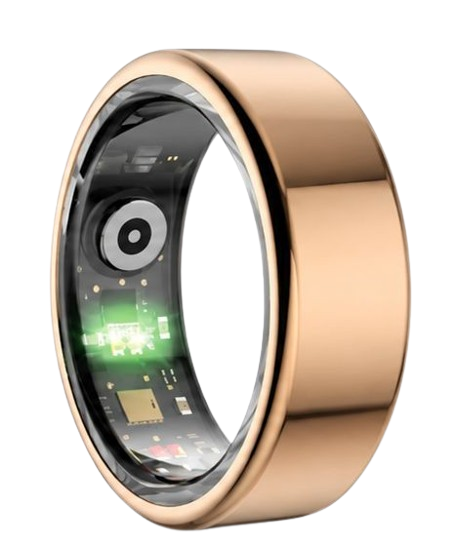
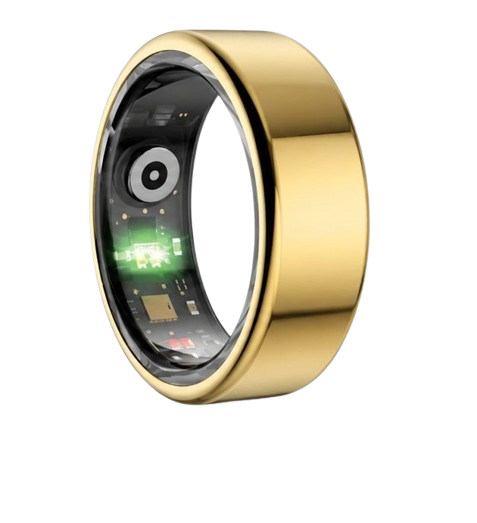
The Herz P1 Smart Ring tracks HRV, Sleep, Heart Rate & SpO2 around the clock. No subscriptions. No renewals. Ever.
In This Article
- Analyzing Sleep Styles: A step-by-step methodology to track physical habits and match them to your personality.
- Subconscious Diagnostics: Discovering what side, back, and stomach sleep postures indicate about character.
- Autonomic Science: Understanding how heart rate variability (HRV) and SpO2 validate your nightly recovery.
- Proactive Optimization: Practical recommendations to leverage smart wearables for lifetime wellness.
How to Analyze Your Sleep Style and Character Traits for Optimal Recovery: A Complete Guide

To accurately evaluate how your physical sleep posture correlates with your internal stress levels, you need the right tracking parameters.
Before you begin, prepare a comfortable sleeping environment and a reliable biometric tracker to capture overnight heart rate fluctuations.
Step 1: Document Your Initial and Wake-Up Postures
First, you must document the exact physical position you assume when your head first hits the pillow at night.
This initial posture represents your conscious comfort zone, which is heavily influenced by your daily emotional state.
Next, you must observe the physical position your body is in the moment you wake up in the morning.
The waking position is often the most accurate representation of your dominant, subconscious sleep style.
Most people shift their bodies dozens of times throughout the night to adjust their blood circulation.
Establishing this baseline is the essential first step before attempting to align your sleep with personality traits.
Step 2: Analyze Your Dominant Posture’s Psychological Profile
Once you have documented your dominant sleep patterns, you can begin matching them to validated behavioral archetypes.
Psychologists have long argued that sleeping positions are physical manifestations of our waking personality profiles.
For example, if you prefer the fetal position, you may exhibit a sensitive, empathetic nature to those around you.
If you prefer sleeping flat on your back, you likely possess high levels of discipline and strong personal standards.
Read through established clinical guides on sleeping styles to find the descriptions that match your daily habits.
Understanding these psychological profiles helps you make conscious decisions to improve your emotional health.
Step 3: Correlate Posture with Your Overnight Stress Level
Your sleeping posture does not just reflect your personality, but also directly influences your autonomic nervous system.
You must correlate your dominant sleep style with your body’s physiological responses during the night.
For instance, curled or defensive postures can sometimes restrict your chest cavity and limit your lung capacity.
This restriction can lead to shallower breathing patterns and lower blood oxygen levels during deep sleep.
Conversely, open postures like back sleeping allow for full chest expansion but can increase snoring tendencies.
Identifying these stressful positions allows you to make deliberate adjustments to your sleeping setup for better health.
Step 4: Monitor Sleep Quality and Structural Alignment
Achieving deep, restorative sleep requires you to maintain proper spinal alignment throughout the entire night.
When your spine is misaligned, your muscles must remain partially active to protect your nervous system.
This constant muscular tension prevents your body from fully entering the deeper, healing stages of sleep.
You must evaluate whether your current sleep style is causing neck, shoulder, or lower back strain.
Use supportive pillows under your knees or neck to help maintain a natural, neutral spinal curve.
Protecting your physical structure is a crucial step in unlocking high-quality, uninterrupted rest every single night.
Step 5: Utilize Ring-Based Analytics to Track Daily Progress
To truly understand how your sleep style impacts your health, you must rely on objective biometric measurements.
Subjective feelings of morning fatigue are helpful, but they do not provide the exact details you need.
You must measure your overnight heart rate variability (HRV) to see how your autonomic system is recovering.
A higher overnight HRV indicates that your parasympathetic nervous system is successfully active and repairing your body.
Track these recovery scores alongside your daily sleep positions to find your most restorative sleeping posture.
This data-driven approach removes all the guesswork from optimizing your sleep style and physical recovery habits.
Step 6: Optimize Sleep Architecture with the Herz P1 Smart Ring
The final step in this optimization process is integrating a highly accurate, continuous sleep tracking companion.
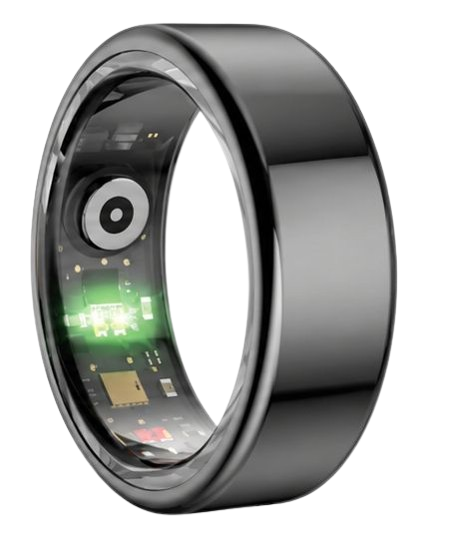
The Herz P1 Smart Ring is specifically engineered to provide this level of medical-grade biometric analysis.
Our advanced optical sensors capture your heart rate, HRV, and blood oxygen levels directly from your finger.
Unlike bulky wrist trackers, the ring fits securely and comfortably, ensuring clean data without any sleep disruption.
The free companion app automatically logs your metrics and generates a daily sleep quality score for you.
You can easily see how different sleep postures impact your deep sleep and REM sleep ratios over time.
90-Day 100% Money-Back Guarantee
“The Herz Smart Ring helps me manage stress easily. It’s accurate, stylish, and lightweight—perfect for my busy life!”
— Jennifer P. | ✔ Verified Customer
- ✓ 6-Day Battery Life
- ✓ Detailed Sleep Analysis
- ✓ Fast 1-Hour Charging
- ✓ iOS & Android Ready
Questions? Call: 1-866-479-1629
Decoding the Biological Blueprint: What Your Sleep Style and Character Traits Reveal
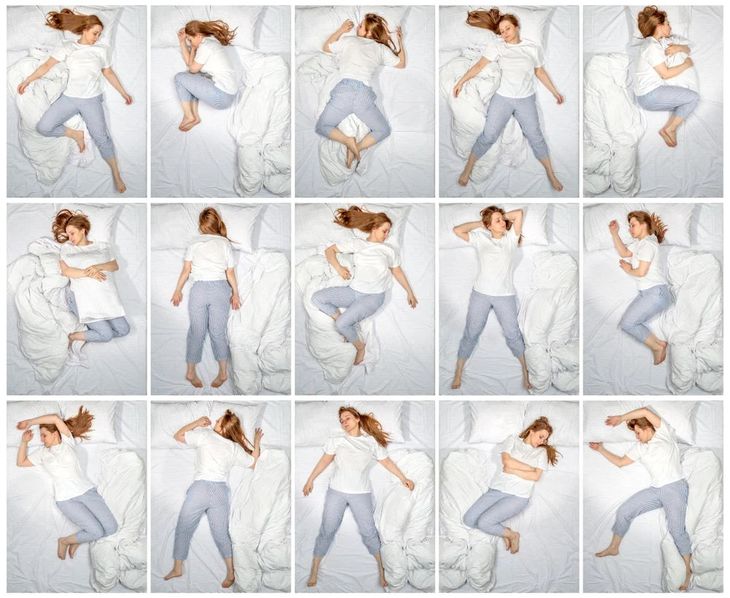
For generations, behavioral psychologists have explored the fascinating link between sleeping style and personality traits.
Your nightly posture is not merely a matter of physical comfort, but a window into your subconscious mind.
When you fall asleep, your conscious defenses drop, allowing your body to adopt highly symbolic postures.
Analyzing what your sleeping style says about your personality reveals how you manage waking stress.
To understand these patterns, we must examine the specific names of sleeping positions and their meanings.
The fetal position, where you curl your body inward, remains the most popular sleep style across the globe.
Research suggests that individuals who prefer this posture often present a tough, practical exterior to the world.
However, beneath this protective shell lies a highly sensitive, emotional core that values comfort and social security.
The log position, on the other hand, involves sleeping on your side with your limbs resting straight down.
People who sleep in this linear posture are typically easygoing, highly trusting, and exceptionally social in their communities.
Discovering what does your sleeping position say about you is a valuable self-discovery tool.
By exploring your unique sleep position meaning, you can better understand your behavioral reactions.
Biometric Diagnostics: Measuring Heart Rate Variability and Oxygen Stability Across Sleep Styles
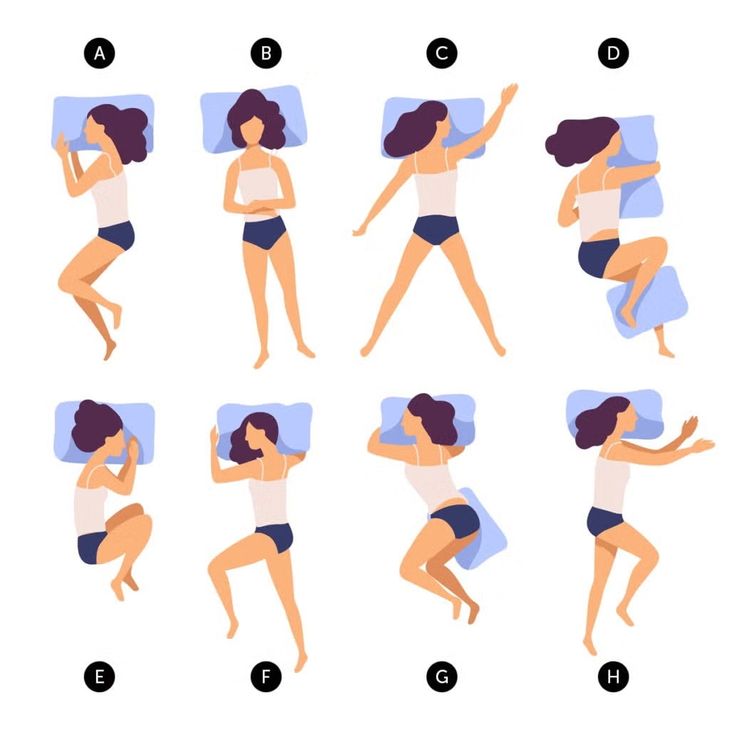
While the psychological aspects of sleep styles are highly engaging, the physiological biometrics are even more critical.
Your cardiovascular and respiratory systems behave very differently depending on the specific posture you adopt each night.
For example, flat back sleeping is often regarded as one of the most structurally sleeping ways to rest.
However, this position can cause gravity to pull your tongue backward, creating dangerous upper airway obstructions.
These obstructions lead to sudden drops in blood oxygen saturation levels, known as nocturnal hypopnea events.
To understand the true physical impact, you must look closely at your personal sleeping positions meaning.
In contrast, side sleeping is one of the most popular sleeping positions for maintaining clear airways.
Sleeping on your left side is highly recommended by clinicians to support healthy digestion and lymphatic circulation.
The American Heart Association emphasizes that high-quality sleep is a fundamental pillar of long-term cardiovascular health.
Your overnight heart rate variability (HRV) serves as a direct indicator of your nervous system’s recovery quality.
The National Sleep Foundation confirms that a stable, high overnight HRV represents excellent autonomic resilience.
The Herz P1 Smart Ring uses multi-spectral PPG sensors to deliver this vital clinical data directly to you.
Optimizing Your Daily Sleep Protocols: How to Read and Apply Biometric Trends
Collecting sleep data is only the first step in creating a highly effective daily wellness strategy.
Every morning, you should open the Herz P1 companion app to review your complete overnight biometric dashboard.
Start by checking your overall sleep quality score, which evaluates your restfulness on a scale of one to one hundred.
Analyze your deep sleep and REM sleep percentages to ensure your brain is getting adequate recovery time.
Deep sleep is critical for physical tissue repair, muscle growth, and immune system strengthening every single night.
If you notice that your deep sleep is consistently low, try changing your primary sleep posture immediately.
The Herz P1 Smart Ring is designed with a lightweight, ergonomic profile that makes 24/7 wear completely effortless.
By reviewing these weekly and monthly biometric trends, you can easily make informed adjustments to your lifestyle.
Navigating the Wellness Market: Overcoming Sizing Gaps, Bulky Wearables, and Hidden Costs
Many wellness enthusiasts make the common mistake of wearing large, heavy smartwatches to bed for tracking.
These bulky wrist devices often shift during the night, leading to inaccurate readings and uncomfortable sleep disruptions.
In contrast, a sleek smart ring sits naturally on your finger, keeping its sensors perfectly aligned with your skin.
This stable sensor contact is essential for capturing clean, medical-grade photoplethysmography (PPG) data throughout the night.
Another critical issue in the wearable technology market is the trend of charging ongoing monthly subscription fees.
We believe that you should never have to pay a monthly subscription to access your own physical health data.
The Herz P1 Smart Ring provides full, lifetime access to all tracking metrics and application updates completely free.
Our commitment to transparent pricing and clinical-grade materials makes the Herz P1 the ultimate choice for smart wellness.
Frequently Asked Questions About Sleep Tracking and Wearables
Q: Is the Herz P1 Smart Ring waterproof?
A: Yes, the Herz P1 features an advanced IP68 waterproof rating, certifying it for depths up to fifty meters.
You can wear it safely while swimming in a pool, showering, washing your hands, or sitting in a sauna.
The military-grade steel construction ensures complete protection against water and dust ingress during daily activities.
Q: How long does the battery truly last on a single charge?
A: The Herz P1 Smart Ring delivers up to six days of continuous battery life under standard usage conditions.
This includes constant heart rate monitoring, sleep tracking, SpO2 measurements, and automatic sync features.
When it is time to recharge, the ring reaches a full one hundred percent charge in under one hour.
Q: Which finger is best for accurate biometric tracking?
A: For the most accurate sensor readings, we recommend wearing the ring on your index or middle finger.
These fingers have a highly accessible vascular structure, allowing our optical sensors to capture clear signals.
You should choose the finger that provides a secure, snug fit without restricting your circulation.
Q: Does the smart ring store biometric data offline when not connected to a phone?
A: Yes, the Herz P1 has built-in offline storage that can hold up to seven days of local data.
If your phone is away or out of battery, the ring continues to track all your metrics seamlessly.
Once you reconnect to the app via Bluetooth, all stored data will sync and update automatically.
Conclusion: Empower Your Sleep and Recovery Today
In summary, understanding your sleeping position and personality traits provides a powerful path to better self-awareness.
Ready to monitor your health every day?
Explore the Herz P1 Smart Ring and see if it fits your lifestyle.
Call: 1-866-479-1629 — our team can help you advise on the correct ring size and set personalized health goals.
