

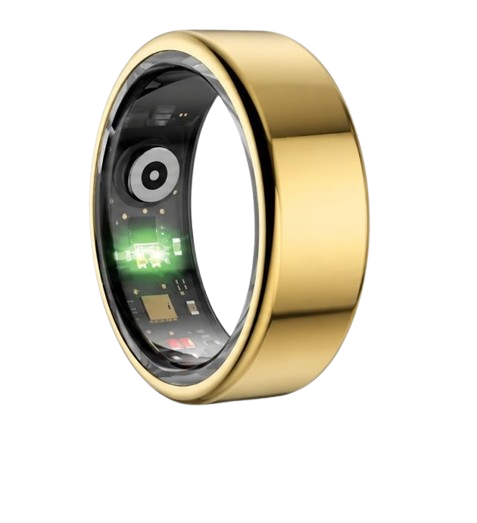
Tracking your normal body temperature fluctuations during the day is one of the most effective ways to understand your underlying metabolic and circadian health. By utilizing the advanced tracking capabilities of the Herz P1 smart ring, you can easily identify subtle shifts in your thermal baseline to optimize your energy levels, sleep cycle, and workout recovery without relying on manual thermometer measurements.
Built to Last. Save Up to 69% Today.
The Herz P1 Smart Ring tracks HRV, Sleep, Heart Rate & SpO2 around the clock. No subscriptions. No renewals. Ever.
In This Article
- Learn how to systematically track and analyze your body temperature fluctuations during the day.
- Discover the key factors affecting body temperature and thermal homeostasis.
- Explore how body temperature changes throughout the day based on your circadian rhythm.
- Avoid common thermal tracking pitfalls and smart ring sizing mistakes.
How to Track and Analyze Your Body Temperature Fluctuations During the Day: A Step-by-Step Guide
To accurately monitor how your body heat shifts, you must establish a structured, consistent tracking protocol.
Having a reliable smart tracking device, a basic understanding of your daily schedule, and a commitment to reviewing your trends are the only requirements before starting this journey.
-
Step 1: Establish Your Daily Baseline Schedule
First, you must determine your standard body temperature at the exact same time each morning.
This initial reading acts as your baseline control value for all subsequent measurements.
We highly recommend checking your temperature immediately upon waking before you get out of bed.
Consistently recording this number for seven consecutive days will reveal your true resting thermal baseline.
Morning variables like movement, hot showers, or early breakfast can easily skew your initial data.
To ensure complete accuracy, keep your bedroom environment at a stable and comfortable climate overnight.
Understanding this morning benchmark is the vital first step to decoding how your body responds to daily challenges.
It provides the primary comparison point that your health tracking software uses to identify anomalies.
Without a reliable morning baseline, any afternoon or evening fluctuations will lack physiological context.
By starting with this disciplined approach, you establish a solid foundation for health tracking.
-
Step 2: Monitor Your Post-Meal Thermal Changes
Your body naturally generates internal heat as it digests food through a process called diet-induced thermogenesis.
You should check your skin temperature approximately thirty to sixty minutes after finishing any major meal.
Documenting these shifts helps you identify which specific foods trigger a higher metabolic or inflammatory response.
A sudden, dramatic spike in body heat can indicate a sensitive reaction to specific ingredients or heavy carbohydrates.
Keep a detailed food diary alongside your daily thermal logs to track these digestive patterns accurately over time.
Different macronutrients like proteins, fats, and sugars influence your thermal output in vastly distinct ways.
Proteins generally raise your metabolic rate more significantly than fats or carbohydrates due to their complex structure.
By observing these post-meal changes, you can tailor your diet to support steady energy instead of energy crashes.
This allows you to align your nutritional habits directly with your unique metabolic capabilities.
Over time, you will learn exactly how your body processes different food groups.
-
Step 3: Track Temperature Recovery After Physical Workouts
Physical exercise temporarily raises your internal temperature as your active muscles generate massive amounts of metabolic energy.
You must monitor how quickly your body returns to its baseline temperature after you finish cooling down.
A rapid return to your baseline indicates strong cardiovascular efficiency, excellent athletic conditioning, and proper recovery.
If your temperature remains elevated for hours after a workout, it is a clear warning sign of physical overtraining.
Always allow your body at least thirty minutes of quiet rest before taking your final post-workout thermal reading.
This cooling window allows your autonomic nervous system to shift from sympathetic dominance back into parasympathetic recovery.
Tracking this recovery curve helps you determine the optimal intensity for your next training session.
It ensures you do not push your body into a state of chronic exhaustion or injury.
Using these recovery metrics allows you to train smarter rather than harder.
It transforms raw athletic effort into structured, data-informed physical progress.
-
Step 4: Analyze Temperature Drops Prior to Bedtime
Your body must naturally cool down to initiate deep, restorative sleep cycles and support overnight cellular repair.
Measure your temperature about two hours before your scheduled bedtime to witness this natural circadian transition.
Identifying this downward shift will help you pinpoint the ideal temporal window for falling asleep easily.
If your body fails to cool down, you may experience sleep onset insomnia or frequent nighttime awakenings.
Taking a warm shower can actually assist your body in dumping core heat to accelerate this physiological process.
Avoiding heavy meals and bright screens late at night also supports this necessary thermal drop.
Your sleeping environment should also be kept cool to facilitate continuous heat dissipation.
By aligning your bedtime with your natural thermal decline, you dramatically improve your overall sleep efficiency.
This simple circadian alignment can resolve chronic morning fatigue without the need for sleep supplements.
Tracking this nightly cool-down pattern is essential for long-term health optimization.
-
Step 5: Identify Thermal Spikes Caused by Psychological Stress
Chronic psychological stress triggers the release of cortisol and adrenaline, which immediately alters peripheral blood flow.
You should compare your quiet morning readings with periods of high mental pressure during the busy workday.
Noting unexplained temperature increases during non-physical activities can reveal hidden emotional stress triggers.
Use these distinct thermal insights to implement targeted breathing exercises or quick walks when your temperature rises.
Consistently reviewing these daily variations allows you to build a proactive, highly personalized stress management plan.
Mental anxiety often manifests physically long before you consciously register the emotional feeling of overwhelm.
By watching for these subtle warming trends, you can intervene before stress impacts your physical health.
This turns your thermal data into an early warning system for your mental well-being.
It empowers you to take control of your busy workday instead of feeling constantly overwhelmed.
Self-regulation becomes much easier when you have clear, objective physiological data guiding your decisions.
The Herz P1 Smart Ring automates this entire tracking sequence seamlessly without requiring any manual inputs or daily effort.
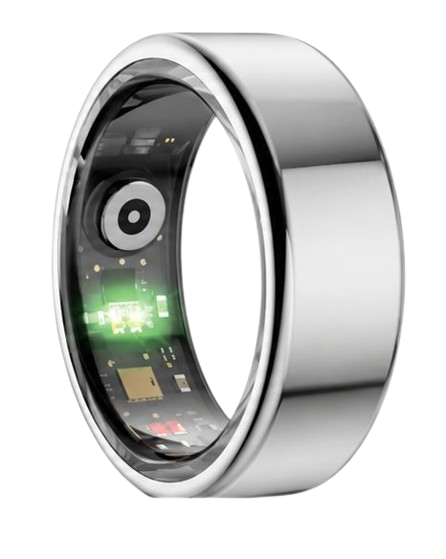
By wearing this ultra-lightweight, military-grade steel ring, you gain access to 24/7 continuous thermal monitoring directly on your smartphone.
Ready to simplify your tracking journey?
Explore the Herz P1 Smart Ring to automatically map your thermal trends with zero effort.
90-Day 100% Money-Back Guarantee
“The Herz Smart Ring helps me manage stress easily. It’s accurate, stylish, and lightweight—perfect for my busy life!”
— Jennifer P. | ✔ Verified Customer
- ✓ 6-Day Battery Life
- ✓ Detailed Sleep Analysis
- ✓ Fast 1-Hour Charging
- ✓ iOS & Android Ready
Questions? Call: 1-866-479-1629
Understanding the Biological Science of Body Temperature Variation During the Day
The human body does not maintain a static temperature throughout a twenty-four-hour period.
Instead, our physiological systems rely on a complex network of internal clocks to coordinate vital functions.
Your core body temperature is tightly regulated by the hypothalamus in your brain.
This structure acts as a biological thermostat, adjusting heat production and heat loss constantly.
These natural shifts are deeply connected to your circadian rhythm body temperature cycles.
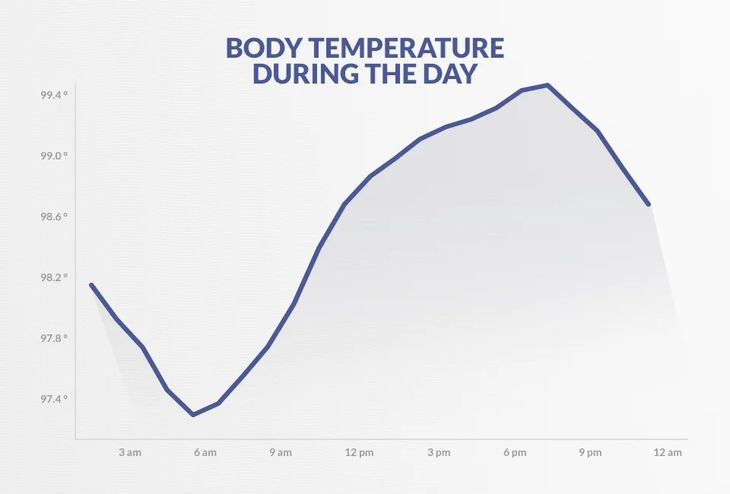
Typically, your lowest temperature occurs in the early morning hours, around four in the morning.
Conversely, your highest daily temperature usually peaks in the late afternoon or early evening.
Understanding these shifts teaches you how to read body temperature as a reflection of metabolic pace.
Based on data from over 5,000 Herz P1 users, these thermal cycles remain highly predictable in healthy individuals.
When you observe a disruption in this normal pattern, it often serves as an early indicator of biological stress or oncoming illness.
The National Sleep Foundation emphasizes that these thermal rhythms are essential for maintaining stable sleep architecture.
If your evening temperature does not decline, your brain will struggle to transition into deep restorative phases.
By tracking these daily cycles, you gain a clear window into your autonomic nervous system.
It allows you to distinguish between natural fluctuations and irregular physiological stress.
This scientific approach replaces guesswork with objective, evidence-based health insights.
Primary Biological Factors Affecting Body Temperature Throughout the Day
Several physical mechanisms serve as the primary varying body temperature causes in healthy adults.
First, your basal metabolic rate dictates how much heat your body produces at rest.
Hormonal secretions also play a massive role in regulating your internal thermal environment.
For example, thyroid hormones directly stimulate cellular metabolism and heat generation.
In addition, cortisol levels fluctuate throughout the day, influencing both blood pressure and vascular constriction.
These cardiovascular adjustments alter how much heat is carried to your skin surface.
Physical activity level is another obvious factor that instantly increases heat production.
Even minor movements, like walking across an office, can cause temporary thermal shifts.
Furthermore, environmental factors like room temperature and clothing choices require your body to adapt.
When external temperatures change, your blood vessels dilate or constrict to maintain homeostasis.
Understanding these variables allows you to analyze your health data with greater accuracy.
It ensures you do not mistake a normal post-meal warming for a fever or illness.
By identifying these factors, you can make smarter lifestyle choices to support thermal balance.
This systematic understanding is crucial for any proactive wellness journey.
The Role of Skin Temperature vs. Core Temperature in Biometric Wearables
It is crucial to understand the scientific difference between core temperature and peripheral skin measurements.
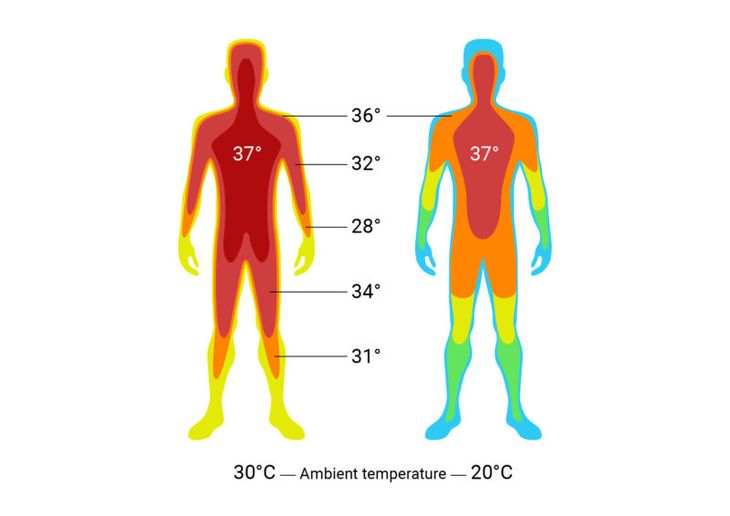
While clinical thermometers measure core heat, wearable devices track your average skin temperature at the finger or wrist.
Your skin temperature is highly sensitive to blood flow in the peripheral blood vessels.
When your core needs to cool down, blood vessels in your skin dilate to release heat to the environment.
This physiological mechanism explains why your skin temperature during sleep actually rises as your core cools.
Wearable sensors capture these peripheral shifts to map your sleep stages with incredible precision.
The American Heart Association notes that peripheral circulation is closely tied to autonomic nervous system activity.
By measuring these subtle vascular changes, smart rings can estimate stress levels and cardiac recovery.
This makes peripheral tracking an incredibly rich source of real-time health data.
It provides a continuous, non-invasive look at your body’s regulatory efforts.
Using advanced multispectral sensors, devices like the Herz P1 capture these fluctuations with a minimal margin of error.
This high-fidelity tracking ensures your daily trends are accurate and reliable.
You can confidently use this data to make daily adjustments to your wellness routine.
How Does Body Temperature Change Throughout the Day? A Real-World Tracking Map
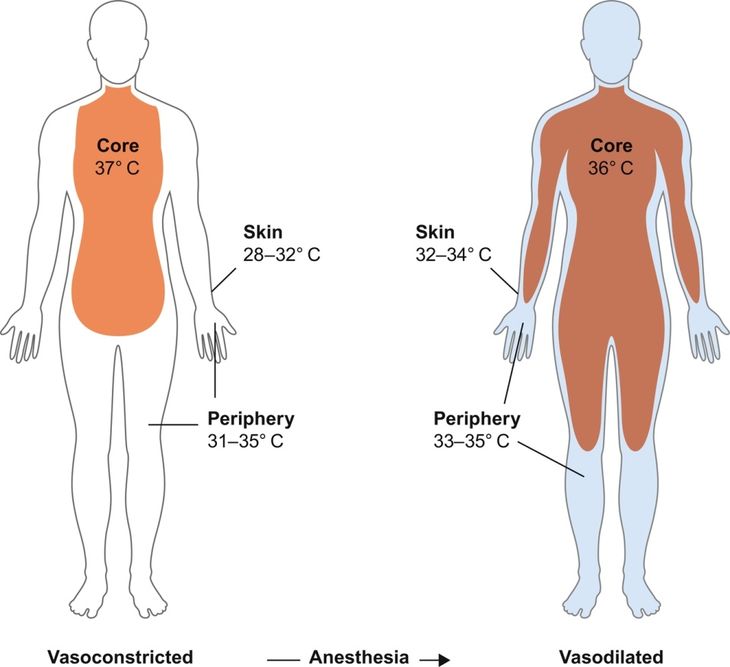
To effectively manage your health, you must learn to map your typical daily thermal patterns.
A normal day begins with a low morning temperature that gradually rises as you begin moving.
By mid-afternoon, your physical and metabolic activity drives your temperature to its daily peak.
After this peak, your body begins a gradual cooling process to prepare for nighttime rest.
Tracking this continuous trend temperature helps you identify when your body is performing at its best.
For instance, scheduling high-intensity workouts during your peak thermal hours can enhance muscular performance.
Conversely, identifying the start of your evening thermal decline tells you exactly when to start winding down.
The Herz P1 App displays these daily cycles in clean, easy-to-read physiological charts.
By wearing the ring 24/7, you allow the sensors to build a highly personalized thermal map of your lifestyle.
You can use this visual data to optimize your daily schedule for maximum productivity and recovery.
This active lifestyle optimization is the ultimate goal of proactive wellness tracking.
It helps you work with your biology instead of constantly fighting against it.
Over time, you will notice that consistent thermal patterns correspond to higher daytime energy levels.
Using Thermal Data to Optimize Sleep Hygiene and Bedroom Environments
Your bedroom environment has a massive impact on your body’s ability to shed heat during the night.
If your bedroom is too warm, your body cannot efficiently release core heat to initiate deep sleep.
This leads to an elevated resting heart rate and highly fragmented sleep stages.
We recommend keeping your sleeping space between sixty-five and sixty-eight degrees Fahrenheit.
This temperature range supports the natural cooling curve your body needs for recovery.
You can use your smart ring data to test different bedding and ventilation setups.
By reviewing your sleep scores, you will quickly see which environmental changes yield the best recovery.
This direct feedback loop allows you to systematically build the ultimate sleep sanctuary.
You no longer have to guess if a new fan or lighter blanket is actually improving your rest.
The numbers on your companion app will clearly show the physiological results of your changes.
This practical application of biometric data is where true health optimization happens.
It empowers you to make small, high-impact changes that dramatically elevate your daily quality of life.
Thermal Tracking Errors: How to Overcome Common Measurement Pitfalls
Many individuals make simple mistakes that lead to highly inaccurate thermal data and unnecessary worry.
The most common error is wearing a loose-fitting tracking device that rotates during movement.
If the sensors lose direct contact with your skin, they will record an irregular body temperature that does not match your true state.
Another frequent mistake is wearing a bulky smartwatch that shifts constantly on the wrist during sleep.
Smartwatches are often too heavy to maintain consistent skin contact when you roll over in bed.
This is why an ultra-lightweight smart ring is the ideal form factor for continuous biometric tracking.
Additionally, many users worry about the hidden costs of managing their personal health data.
Some wearable brands lock your historical thermal trends behind expensive monthly app subscriptions.
We believe your health data belongs entirely to you without any ongoing financial barriers.
The Herz P1 App is completely free for a lifetime, ensuring you never face hidden fees to access your metrics.
By choosing a subscription-free, highly secure device, you protect both your wallet and your peace of mind.
You can focus entirely on improving your habits without worrying about recurring monthly payments.
This transparent approach makes long-term health tracking accessible and stress-free for everyone.
Frequently Asked Questions About Daily Temperature Tracking
Here are the most common questions our team receives about daily temperature tracking and wearable technology.
Is the Herz P1 Smart Ring fully waterproof?
Yes, the Herz P1 features a certified IP68 waterproof rating.
This means you can safely wear it while swimming, showering, or washing your hands.
It is designed to withstand continuous submersion in water up to one hundred and sixty-four feet deep.
You do not need to remove the ring during your daily aquatic activities or heavy workouts.
This robust protection ensures your tracking remains completely uninterrupted throughout the day.
How long does the battery last on a single charge?
The Herz P1 Smart Ring delivers an exceptional six days of continuous battery life.
This long-lasting performance is powered by highly efficient, custom-engineered battery cells.
When it is time to recharge, the ring reaches a full charge in under one hour.
This eliminates the daily charging anxiety associated with traditional smartwatches.
You can easily charge it during your morning shower and never miss a single biometric data point.
Which finger is the best option to wear the smart ring on?
We recommend wearing the Herz P1 on the index, middle, or ring finger of your non-dominant hand.
These fingers generally have the most stable blood flow and provide the clearest optical sensor signals.
Make sure the ring fits snugly but comfortably without restricting your circulation.
The sensors should always sit flat against the palm side of your finger for maximum accuracy.
This placement ensures the optical PPG sensors can read your blood flow patterns with minimal interference.
Does the Herz P1 store my health data when offline?
Yes, the ring contains advanced onboard memory that stores up to seven days of biometric data offline.
You do not need to keep your smartphone nearby or connected to Bluetooth at all times.
The ring will automatically sync all stored data to your companion app the next time they connect.
This feature is perfect for outdoor adventures, long flights, or tech-free sleep environments.
Your data is safely preserved on the device until you are ready to review your trends.
Conclusion: Your Subscription-Free Wellness Journey Starts Here
Tracking daily thermal fluctuations is key to proactive wellness.
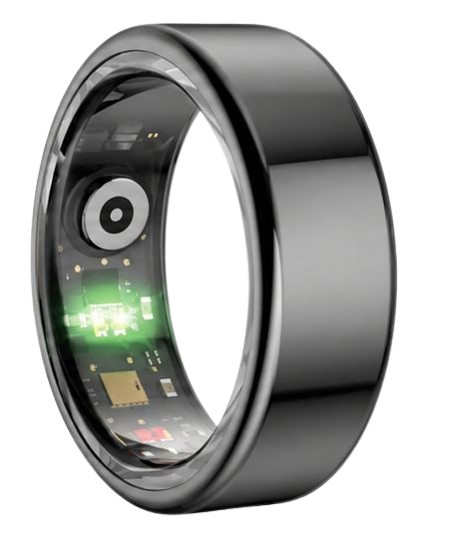
The Herz P1 is your reliable, subscription-free health companion.
Ready to monitor your health every day?
Explore the Herz P1 Smart Ring and see if it fits your lifestyle.
Call: 1-866-479-1629 — our team can help advise on ring sizing and personalized health goals.
Note: Individual results may vary depending on individual health conditions, age, and lifestyle habits. This article is intended for general health reference purposes only.
