

Experiencing sudden thermal shifts can leave you feeling deeply unsettled and physically drained, making it crucial to uncover what triggers these unexpected fluctuations. Understanding why your skin feels hot one moment and cold the next is the first step toward reclaiming your physical comfort. At Team Herz P1, we believe in decoding these subtle biological whispers before they escalate into larger health concerns. Tracking your vitals continuously with the Herz P1 Smart Ring provides real-time clarity on how your system responds to stress, sleep, and lifestyle changes.
Built to Last. Save Up to 69% Today.
The Herz P1 Smart Ring tracks HRV, Sleep, Heart Rate & SpO2 around the clock. No subscriptions. No renewals. Ever.
div style=”flex:1 1 200px;text-align:center;position:relative;”>
In This Article
- Understanding Irregular Swings: What defines abnormal thermal variations and how your nervous system drives them.
- Biological & Hormonal Triggers: How thyroid functions, menstrual cycles, and immune responses alter your baseline temperature.
- Expert Metric Deep-Dive: Distinguishing skin-level temperature from core temperature with medical-grade wearable accuracy.
- Practical Action Blueprint: Step-by-step methods to stabilize your circadian thermoregulation and lifestyle habits.
What Causes Irregular Body Temperature Swings? Understanding the Physiology
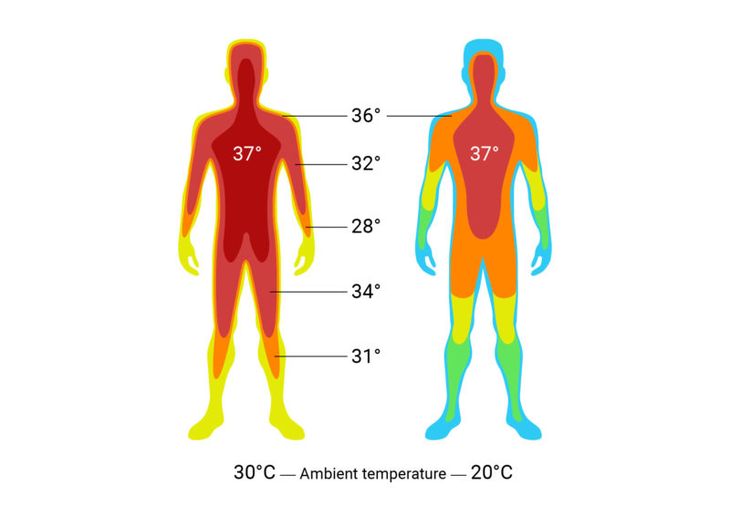
An irregular body temperature refers to a state where your baseline warmth fluctuates outside its typical boundaries.
Your brain constantly monitors internal states to keep you balanced.
The hypothalamus acts as your internal thermostat.
This tiny brain region receives signals from your skin and core organs.
It then triggers sweating to cool you down or shivering to warm you up.
When something disrupts this complex feedback loop, you experience varying body temperature signals.
These variations can affect anyone from busy office workers to active athletes.
People undergoing hormonal transitions often experience the most intense shifts.
Chronic stress also alters how your nervous system regulates thermal output.
You might notice these shifts during specific times of the day or night.
Many individuals report hot and cold body temperature swings during periods of deep exhaustion.
These changes are particularly common during early morning hours.
This process occurs deep within your vascular system and skin tissues.
Your blood vessels expand or constrict to manage heat distribution.
This vascular dance determines how warm or cool your skin feels to the touch.
Why do these sudden swings happen in an otherwise healthy system?
The primary reason is autonomic nervous system dysregulation.
When you are stressed, your sympathetic nervous system takes control.
This redirecting of blood flow causes sudden skin temperature drops.
How does the body initiate these rapid shifts?
It relies on chemical messengers called neurotransmitters.
These messengers tell your blood vessels how to react instantly.
This reaction can cause rapid spikes or drops in your skin temperature.
How many degrees of variance are considered normal?
A healthy baseline fluctuates by about 0.5 to 1.0 degree Fahrenheit daily.
Anything wider than a 1.5-degree fluctuation may indicate an underlying imbalance.
This is where precise tracking becomes essential for your wellness journey.
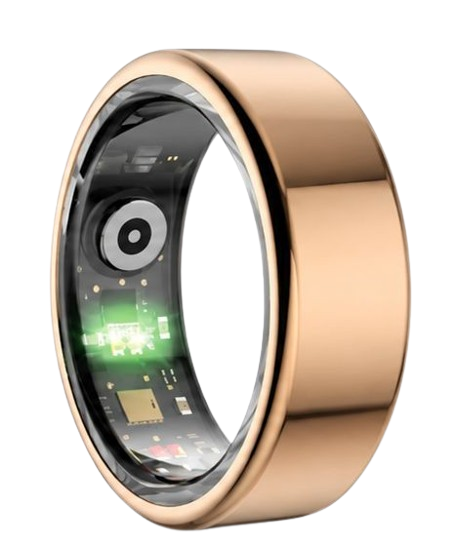
Our team engineered the Herz P1 Smart Ring to help you monitor these changes effortlessly.
It tracks your skin temperature continuously and records hourly shifts.
By wearing it, you gain deep insights into your autonomic nervous system’s health.
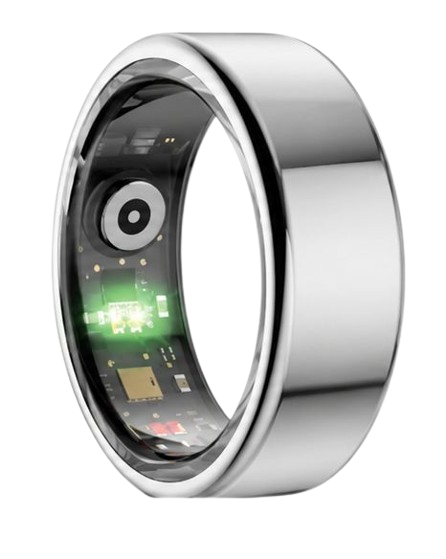
If you want to track this in real time, the Herz P1 Smart Ring monitors your skin temperature 24/7 — explore it here.
90-Day 100% Money-Back Guarantee
“The Herz Smart Ring helps me manage stress easily. It’s accurate, stylish, and lightweight—perfect for my busy life!”
— Jennifer P. | ✔ Verified Customer
- ✓ 6-Day Battery Life
- ✓ Detailed Sleep Analysis
- ✓ Fast 1-Hour Charging
- ✓ iOS & Android Ready
Questions? Call: 1-866-479-1629
Analyzing Your Body’s Thermal Shifts: How Fluctuations Occur
Your internal body temperature is a direct indicator of metabolic activity.
Every cellular reaction in your muscles and organs generates heat.
This heat must escape through your skin to keep you safe.
Your body seeks a stable physiological temp to optimize enzyme functions.
When your metabolism speeds up, your thermal output naturally increases.
Conversely, a slower metabolism causes your thermal output to decline.
The internal temperature of the human body is rarely a static number.
It follows a distinct circadian rhythm over a 24-hour cycle.
Your temperature typically reaches its lowest point around 4:00 AM.
It then climbs steadily throughout the afternoon to peak in the evening.
Disruptions to this rhythm can cause sleep issues and fatigue.
Many factors can throw this delicate internal cycle off course.
Poor sleep environment, late-night meals, and high stress play a role.
Each of these habits forces your heart to work harder at night.
This cardiovascular strain directly impacts your peripheral blood flow.
When blood flow to the skin is restricted, heat remains trapped inside your core.
This trapping leads to sudden, uncomfortable warmth during sleep.
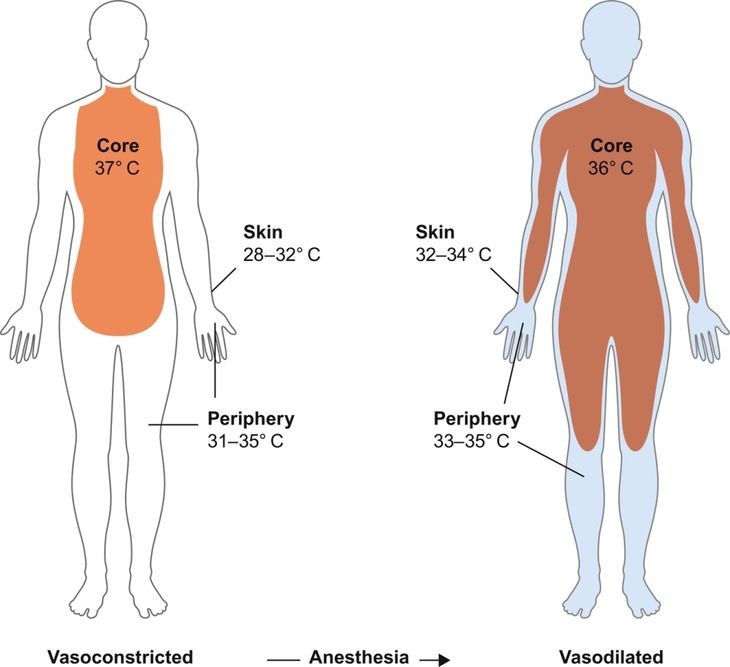
Skin temperature differs from core temperature in key ways.
Core temperature measures the warmth of your deep internal organs.
Skin temperature reflects the blood flow changes in your outer tissues.
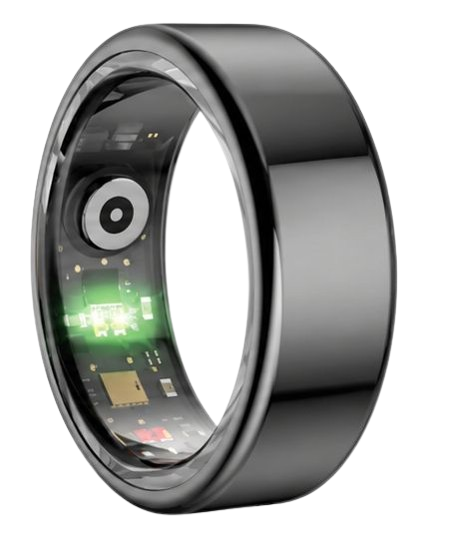
Optical sensors on smart rings track skin temperature trends with high precision.
By placing sensors on the palm side of your finger, the ring reads rich vascular beds.
This location delivers highly reliable data compared to wrist-based wearables.
The finger’s close proximity to major digital arteries makes it ideal.
Even minor vascular constrictions are recorded with high sensitivity.
Tracking these patterns helps you make informed daily lifestyle adjustments.
A smart ring offers a convenient way to monitor these subtle shifts.
The Herz P1 Smart Ring captures these changes without disturbing your sleep.
It records trends continuously so you can spot irregularities immediately.
This baseline tracking ensures you know what is normal for your unique body.
Underlying Biological Triggers of Sudden Temperature Fluctuations
Understanding fluctuating body temperature causes requires looking at several physical systems.
First, the endocrine system plays a massive role in thermal control.
Thyroid hormones directly dictate how fast your cells burn energy.
An overactive thyroid can make you feel constantly overheated.
An underactive thyroid often makes you sensitive to cold environments.
Hormonal shifts during the menstrual cycle also create predictable thermal waves.
Progesterone naturally causes your basal reading to climb after ovulation.
Estrogen drops can trigger sudden hot flashes and night sweats.
These hormonal changes explain why women often experience an irregular body temp.
Second, immune system activation alters your internal setting.
When your body fights off a pathogen, it releases pyrogens.
These chemicals instruct the brain to raise the thermal setpoint.
This raising explains why is my body temperature high during an illness.
Your body uses this heat to slow down viral replication.
Once the threat passes, your system works to shed the excess heat.
This shedding causes heavy sweating and sudden cool-down periods.
Conversely, you might wonder what causes body temp to drop unexpectedly.
Exposure to cold, poor circulation, or fatigue can cause a sudden decline.
An empty stomach or lack of calories can also limit heat production.
When you skip meals, your body lacks the fuel to keep you warm.
This energy deficit makes your overall body temperature higher or lower than usual.
Monitoring these shifts provides a window into your immune health.
By watching these trends, you can catch early signs of physical stress.
This proactive approach helps you rest before you become fully exhausted.
Third, autonomic stress responses cause rapid skin temperature changes.
Under mental pressure, your body initiates a fight-or-flight response.
It redirects blood away from your skin toward your vital core organs.
This vascular change causes your fingers and toes to feel ice-cold.
Once you calm down, blood flows back to your extremities, making them warm.
These rapid shifts are a direct reflection of your nervous system state.
By monitoring your heart rate variability alongside temperature, you see the full picture.
The Herz P1 App displays these trends in an easy-to-read dashboard.
It helps you connect your thermal trends with your daily habits easily.
Understanding these connections empowers you to take charge of your wellness.
| Trigger Category | Vascular Mechanism | Typical Thermal Trend Direction |
|---|---|---|
| Hormonal (Menstrual / Thyroid) | Estrogen/Progesterone shifting, metabolic rate changes | Cyclical spikes (+0.5°F to +1.0°F post-ovulation) |
| Immune Response (Infection) | Pyrogenic cytokine release, core temperature setpoint elevation | Rapid elevated spikes followed by heavy sweating drops |
| Autonomic Stress (Sympathetic Activation) | Vasoconstriction of peripheral extremity arteries | Sudden drop in finger skin temperature |
| Circadian Disruption (Poor Sleep) | Delayed overnight cooling due to elevated nocturnal heart rate | Elevated sleep baseline, lacking standard 4:00 AM dip |
Practical Steps to Stabilize Your Body Temperature

Stabilizing your system starts with optimizing your daily routines.
You must align your habits with your natural circadian biology.
Begin by maintaining a consistent sleep and wake schedule.
Going to bed at the same time helps stabilize your nervous system.
Your room temperature should remain between 60 and 67 degrees Fahrenheit.
A cool room supports the natural drop in core heat required for deep sleep.
Avoid eating heavy meals within three hours of your bedtime.
Digestion increases metabolic heat and can cause night sweats.
Instead, choose a light snack if you feel hungry before bed.
Limit alcohol and caffeine intake in the late afternoon and evening.
These substances disrupt your vascular control and cause sudden spikes.
They also fragment your sleep and reduce your deep recovery stages.
Stay hydrated by drinking cool water throughout your busy day.
Hydration assists your body in managing heat distribution through sweat.
Introduce daily stress management techniques into your routine.
Deep breathing exercises for five minutes can lower your heart rate.
This practice shifts your nervous system into a restorative state.
A calm nervous system prevents sudden vascular constrictions.
Physical activity also plays a vital role in circulatory health.
Regular moderate exercise trains your blood vessels to expand and contract efficiently.
This vascular training helps your body shed excess heat more easily.
Avoid intense workouts close to bedtime, as they elevate your metabolic rate.
An elevated metabolic rate keeps your core temperature high for hours.
Try to finish heavy exercise sessions at least four hours before sleeping.
You can track how these changes help your baseline by checking your ring data.
Open your Herz P1 App each morning to review your overnight trends.
Compare your thermal trends with your recorded evening habits.
This comparison reveals exactly what triggers your individual swings.
With these insights, you can make lifestyle changes that actually work.
Over time, you will watch your baseline stabilize and your sleep scores rise.
Consistent tracking turns guessing into knowing, giving you complete control.
Avoiding Common Mistakes in Wearable Health Tracking
Many people make critical mistakes when starting their tracking journey.
The most common error is wearing a bulky smartwatch to bed.
Heavy watches often shift during the night and lose skin contact.
This shifting causes highly inaccurate overnight readings.
Bulky designs can also disturb your sleep by pressing into your wrist.
A lightweight smart ring is a far more comfortable solution.
The Herz P1 Smart Ring weighs only a few grams and stays secure.
It sits snugly at the base of your finger for reliable data.
The optical sensors maintain constant contact with your skin beds.
This steady contact ensures clean readings without any interruptions.
Another mistake is buying devices with hidden ongoing costs.
Many brands require expensive monthly app subscriptions.
These fees can quickly add up to hundreds of dollars over time.
They hold your valuable physiological data behind paywalls.
We believe you should own your health data completely.
The Herz P1 App is entirely free for your lifetime.
There are no hidden fees, no subscriptions, and no paywalls.
You get full access to all your biometric trends forever.
Our commitment to fair pricing lets you focus on your wellness.
Finally, do not panic over minor single-day temperature variations.
Look at your weekly and monthly trends rather than daily spikes.
Your body is dynamic and responds to many minor everyday shifts.
A single higher reading does not automatically mean you are falling ill.
Focusing on long-term trends provides the most accurate health picture.
Our team engineered the Herz P1 to make trend analysis simple.
It highlights meaningful deviations so you can stay informed without stress.
This focus on trends helps you build lasting, healthy habits.
With a 2-year warranty and military-grade steel, the Herz P1 is built to last.
It stands by you through every thermal shift and lifestyle change.
Frequently Asked Questions
Is the Herz P1 Smart Ring waterproof?
Yes, the Herz P1 is fully IP68 waterproof.
You can safely wear it while washing hands, showering, or swimming.
It resists water pressure up to 164 feet deep.
This means you never have to take it off during your day.
Continuous wear ensures you never miss a vital health signal.
The military-grade steel construction protects the internal sensors perfectly.
You can enjoy pool workouts without worrying about device failure.
Its durable build easily handles daily wear in any environment.
How long does the battery last on a single charge?
The battery lasts up to 6 days under normal use.
This long life eliminates the hassle of daily charging routines.
When it is time to charge, it takes less than 1 hour.
The fast charging keeps your ring on your finger where it belongs.
You can quickly top it up while taking a morning shower.
This convenience makes 24/7 health tracking simple and sustainable.
The magnetic charging cradle snaps quickly into place.
No complicated cords or sensitive ports are needed.
Which finger is best to wear the Herz P1 on?
We recommend wearing the ring on your index finger.
The middle or ring finger also work well for daily tracking.
Choose the finger where the ring fits most securely.
A snug fit ensures the optical sensors stay in close contact with your skin.
Ensure it is comfortable enough to wear throughout the night.
Proper fit is key to achieving the highest data accuracy.
We provide a free sizing kit to help you find your match.
This ensures your ring is tailored to your unique hand structure.
Does the ring store health data offline?
Yes, the ring has 7 days of local offline storage.
It records your biometrics even when away from your phone.
The data syncs automatically once you open the app.
This means you can go on a weekend trip without your phone.
Your valuable sleep and temperature data will remain completely safe.
You never have to worry about losing your progress.
This offline security offers true freedom during outdoor activities.
Simply reconnect to sync your data whenever you are ready.
Conclusion
Understanding what causes thermal swings empowers you to make proactive, positive lifestyle adjustments.
The Herz P1 Smart Ring is your ultimate subscription-free health companion for tracking these critical trends.
Ready to monitor your health every day?
Explore the Herz P1 Smart Ring and see if it fits your lifestyle.
Call: 1-866-479-1629 — our team is here to help.
