

Understanding your sleeping resting heart rate remains the ultimate key to unlocking deep physical recovery. The Herz P1 Smart Ring provides precise tracking of your sleeping beats per minute to help you understand your recovery status. By continuously decoding these nightly cardiovascular signals, you can confidently optimize your sleep, manage daily stress, and elevate your quality of life without facing annoying subscription fees.
Built to Last. Save Up to 69% Today.
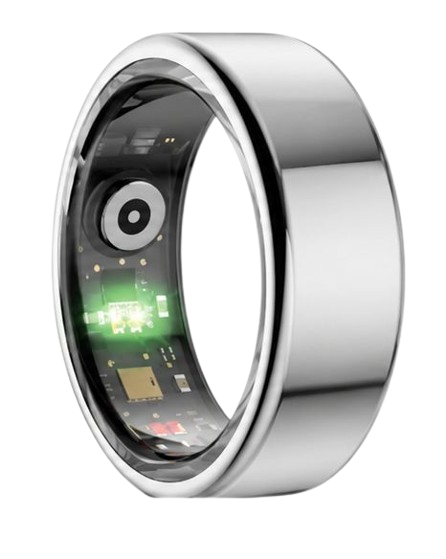
The Herz P1 Smart Ring tracks HRV, Sleep, Heart Rate & SpO2 around the clock. No subscriptions. No renewals. Ever.
In This Article
- Understanding sleeping beats per minute: Learn how your heart functions and recovers while you rest.
- A step-by-step optimization guide: Discover practical methods to lower your nightly heart rate.
- The link between sleeping pulse and HRV: Uncover the science of autonomic nervous system balance.
- Addressing tracking errors: Learn how to correctly position and wear smart rings for accurate readings.
How to Track and Optimize Your Sleeping Beats per Minute for Deep Recovery: A Comprehensive Step-by-Step Guide
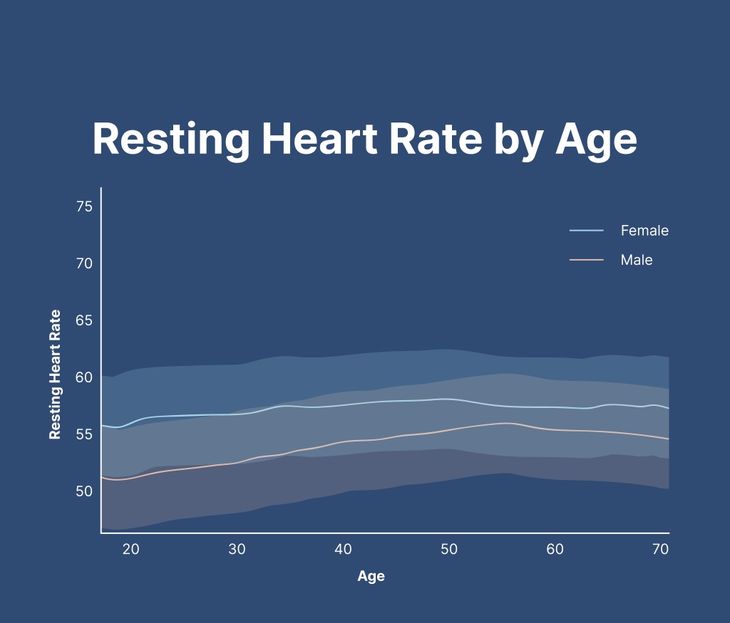
To systematically optimize your cardiac performance, you must first learn how to read and manage your sleep biometric metrics.
This tutorial will guide you through the process of monitoring, interpreting, and systematically lowering your overnight pulse.
Prerequisites and Materials Needed
Before you begin, ensure you have a dedicated, continuous biometric tracking device designed for overnight use.
You will also need a smartphone with your health app installed to record your physical logs.
Finally, a commitment to maintaining a consistent bedtime window for at least seven consecutive nights is required.
-
Step 1: Record Your Nightly Heart Rate Baseline
Put your biometric tracker on your finger before going to bed each evening.
Ensure that the device continuously logs your heart rate rather than taking intermittent snapshots.
Your target is to identify your unique sleeping resting heart rate over a standard seven-day trial.
This baseline will serve as the starting point for measuring all your future recovery improvements.
-
Step 2: Establish a Blue-Light Screen Buffer
Turn off all bright screens and mobile phones at least one hour before sleep.
Exposure to blue light suppresses natural melatonin production, which artificially raises your resting heart rate at night.
Replace screen time with a relaxing activity such as listening to calm audio or reading a physical book.
This sensory adjustment prepares your autonomic nervous system to transition smoothly into a restful state.
-
Step 3: Keep a Consistent Circadian Schedule
Go to bed and wake up at the exact same times every day of the week.
Irregular schedules confuse your biological clock, causing your average sleeping heart rate to remain elevated.
Keeping a steady routine trains your heart to drop into its recovery zone much earlier in your sleep cycle.
Over time, you will observe a more stable and efficient cardiac curve on your morning reports.
-
Step 4: Avoid Late Evening Meals and Alcohol
Finish your last solid meal at least three to four hours before turning off the lights.
Heavy digestion forces your heart to pump extra blood to your gut, increasing your resting heart rate when sleeping.
Furthermore, avoid alcohol in the evening, as it disrupts deep sleep and causes your heart rate to spike.
Hydrate with pure water instead to support seamless cellular recovery throughout the night.
-
Step 5: Review and Interpret Your Morning Recovery Curves
Sync your smart device with its companion app as soon as you wake up.
Look at the specific shape of your heart rate line graph from the previous night.
A healthy recovery curve resembles a smooth hammock shape, reaching its lowest point during the middle of your sleep cycle.
If your curve looks flat or drops only right before you wake up, adjust your physical activities and stress levels for the next day.
The Herz P1 Smart Ring makes this entire monitoring process completely effortless.
Our advanced multispectral optical sensors gather highly accurate cardiac data straight from your finger’s digital arteries.
You can view all your trend charts immediately within the lifetime-free companion app with absolutely no subscription charges.
Please explore the Herz P1 Smart Ring to see how this military-grade tracking tool can help you simplify your nightly health goals.
90-Day 100% Money-Back Guarantee
“The Herz Smart Ring helps me manage stress easily. It’s accurate, stylish, and lightweight—perfect for my busy life!”
— Jennifer P. | ✔ Verified Customer
- ✓ 6-Day Battery Life
- ✓ Detailed Sleep Analysis
- ✓ Fast 1-Hour Charging
- ✓ iOS & Android Ready
Questions? Call: 1-866-479-1629
The Physiological Blueprint of Your Sleeping resting Heart Rate
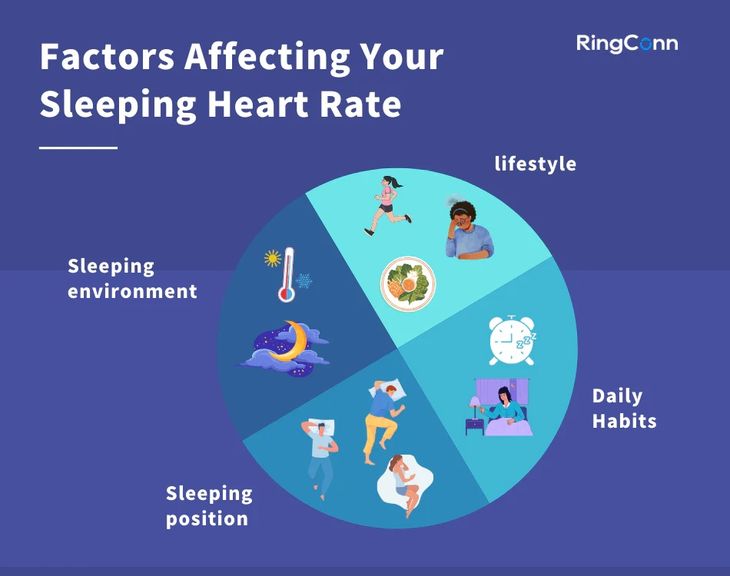
The term sleeping beats per minute describes the absolute frequency of your heart’s contractions while your body is completely at rest.
According to clinical data compiled by the American Heart Association, a typical healthy adult’s waking heart rate ranges from 60 to 100 beats per minute.
However, when you enter deep sleep, your parasympathetic nervous system assumes control, causing your pulse to drop below your standard daytime resting level.
A normal and healthy normal sleep bpm usually sits anywhere between 40 and 60 beats per minute, depending on your athletic training and physical conditioning.
If your sleeping bpm remains consistently elevated throughout the entire night, your cardiovascular system is likely struggling with fatigue, dehydration, or potential subclinical stress.
By measuring this metric continuously, you can easily evaluate your heart’s overall workload and recovery rate without relying on complex laboratory equipment.
Based on extensive wellness observations from over 5,000 active Herz P1 ring users, tracking this number regularly provides an invaluable early warning system for lifestyle fatigue.
The National Sleep Foundation notes that a lower sleep pulse directly correlates with deeper slow-wave sleep and more efficient muscle tissue repair.
Therefore, lowering your sleeping beats per minute represents a highly effective method to verify that your body is getting genuine physiological rest.
Cardiovascular Autonomic Balance: Sleeping Heart Rate and HRV Explained
Your heart does not beat at a perfectly rigid, metronome-like interval, even when you are sound asleep.
The tiny, millisecond-level changes between consecutive heartbeats are referred to as Heart Rate Variability or HRV.
Your resting heart rate sleeping is closely connected to your overall HRV score, reflecting the continuous tug-of-war between your sympathetic and parasympathetic nervous pathways.
When you achieve deep, restorative rest, your parasympathetic nervous system activates, causing your pulse to drop and your HRV levels to rise.
This state of autonomic balance allows your vital organs to recover fully from physical exertion and mental strain.
Conversely, if your resting heart rate asleep remains abnormally high, your sympathetic “fight-or-flight” system is likely still dominant.
This persistent autonomic stress can eventually lead to morning fatigue, reduced concentration levels, and delayed physical recovery.
The Herz P1 Smart Ring monitors these subtle variations continuously using advanced green, red, and infrared optical sensors.
By assessing both heart rate and HRV in tandem, our ring delivers a highly reliable picture of your autonomic recovery status every morning.
Identifying Nightly Cardiac Anomalies and Recovery Obstacles
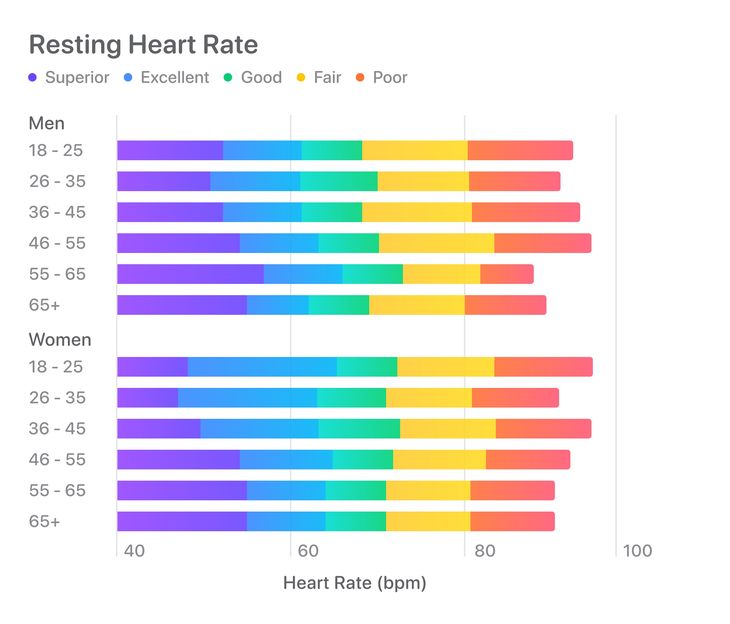
Identifying sudden nightly spikes or flat resting curves in your heart data is essential for preventing cumulative fatigue.
A classic sign of optimal cardiac recovery is the “hammock” pattern, where your pulse drops early in the evening and slowly rises as morning approaches.
If your pulse instead shows a “downward slope” pattern that only reaches its lowest point right before waking, your body is delaying its recovery phase.
This delay is frequently caused by digesting food late at night, drinking alcohol, or experiencing intense mental stress before bed.
A flat line pattern, where your heart rate does not drop below your daytime resting average at all, can also indicate overtraining or oncoming illness.
Monitoring your resting heart rate at night gives you the exact feedback you need to adjust your daytime physical loads.
Rather than relying on guesswork, you can use these objective biometric metrics to make smart, data-informed lifestyle adjustments.
Practical Application Guide: Reading Your Herz P1 App Data
The Herz P1 companion app translates complex raw biometric signals into clear, easy-to-read charts.
Upon waking up, simply open the app to view your unified sleep score and detailed overnight heart rate graphs.
The app displays your lowest heart rate, average pulse, and specific deep and REM sleep cycle times.
You can track these parameters over weeks and months to identify clear, long-term trends in your physical well-being.
Because the Herz P1 Smart Ring is crafted from military-grade steel and weighs only a few grams, it is exceptionally comfortable for continuous 24/7 wear.
This lightweight design eliminates the physical distractions and skin irritation commonly caused by wearing heavy, bulky smartwatches to bed.
Overcoming Risks & Common Mistakes in Sleep Tracking
A very common mistake many people make is wearing a heavy, oversized smartwatch to bed.
Bulky watches often shift out of place during sleep, leading to inaccurate optical readings and fragmented sleep logs.
Furthermore, many premium smart wearables lock your personalized data behind frustrating monthly paywalls.
We believe your personal health metrics should always belong to you, without any hidden subscription charges.
The Herz P1 Smart Ring app is completely free for life, ensuring you retain unlimited access to all your biometric records.
Our ring is also entirely waterproof up to IP68 standards, allowing you to wash your hands, shower, or swim without worry.
Herz P1 vs. Competitors: Feature and Cost Breakdown
To help you make an informed choice, we have put together a clear comparison of the leading smart rings on the market today.
| Metric / Feature | Herz P1 Smart Ring | Leading Subscription Rings | Basic Fitness Bands |
|---|---|---|---|
| Monthly Subscription Fee | $0 (Free App Forever) | $5.99 – $9.99 per month | $0 (Limited features) |
| Warranty Coverage | 2-Year Warranty | 1-Year Warranty | 1-Year Warranty |
| Waterproof Rating | IP68 (Up to 164 feet) | IP68 (Varies) | IP67 (Splashproof) |
| Data Storage Capacity | 7 Days Offline Local Storage | 1-2 Days Local Storage | No Offline Storage |
| Money-Back Guarantee | 90-Day Money-Back Guarantee | 30-Day Limit | 14-Day Limit |
Frequently Asked Questions (FAQ)
Is the Herz P1 Smart Ring waterproof?
Yes, the Herz P1 has a certified IP68 waterproof rating, allowing it to withstand water depths up to 164 feet.
You can safely wear it in the shower, during heavy rain, and while swimming in freshwater or saltwater pools.
How long does the Herz P1 battery last on a single charge?
The high-capacity battery provides up to 6 full days of continuous monitoring on a single charge.
When the battery runs low, the ring charges from 0% to 100% in under 1 hour using our magnetic charging dock.
Which finger is best to wear the Herz P1 Smart Ring on?
We recommend wearing the ring on your index, middle, or ring finger for the most accurate optical sensor readings.
Ensure the ring fits snugly but comfortably, without rotating excessively or constricting your finger’s blood flow.
Does the ring store my biometric data offline when not connected to my phone?
Yes, the Herz P1 features built-in local memory that securely stores up to 7 days of raw data offline.
Your logged metrics will automatically sync to your smartphone as soon as the Bluetooth connection is re-established.
Conclusion: Begin Your Journey to Better Health Today
In summary, keeping close track of your sleeping beats per minute is one of the most effective ways to understand your body’s recovery.
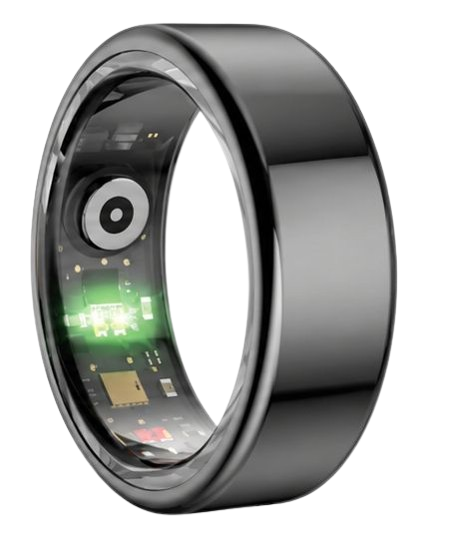
The durable, subscription-free Herz P1 Smart Ring makes monitoring your nightly resting heart rate simple, reliable, and incredibly comfortable.
Ready to monitor your health every day? Explore the Herz P1 Smart Ring and see if it fits your lifestyle. Call: 1-866-479-1629 — our team can help you advise on the correct ring size and set personalized health goals.
