

Establishing a stable weekly sleep schedule is the single most effective action you can take to optimize your cognitive performance, stabilize your cardiovascular system, and elevate your overall health. Our team at Team Herz P1 understands that managing modern work demands while maintaining consistent energy levels is a continuous personal battle. Recent peer-reviewed scientific studies reveal that maintaining a highly predictable bedtime lowers systemic physical strain and enhances deep tissue recovery. By utilizing advanced biometric tracking technology like the Herz P1 Smart Ring, you can effortlessly decode your physiological sleep stages, monitor heart rate variability, and achieve profound physical restoration every single night.
Built to Last. Save Up to 69% Today.
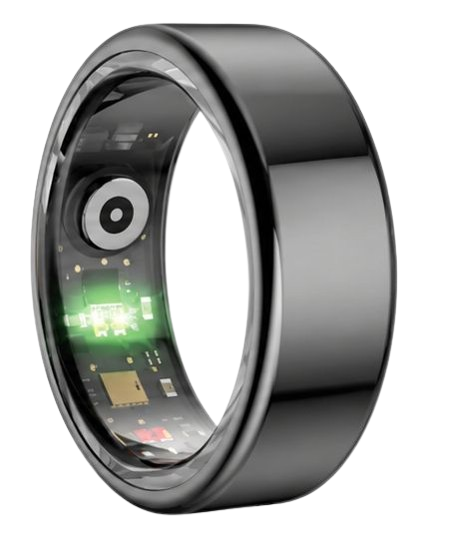
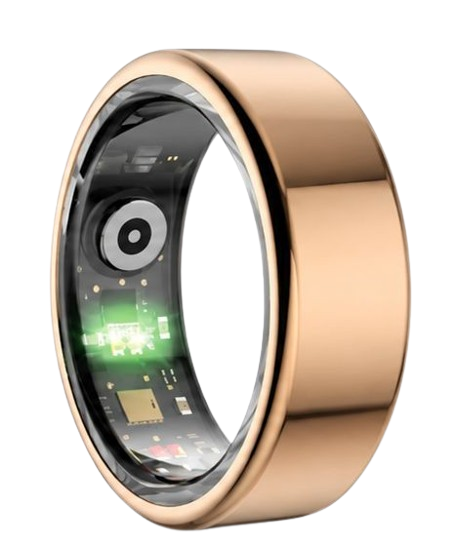
The Herz P1 Smart Ring tracks HRV, Sleep, Heart Rate & SpO2 around the clock. No subscriptions. No renewals. Ever.
In This Article
- The Core Blueprint: How to set up a comprehensive, highly stable weekly sleep schedule step-by-step.
- Biometric Science: Deep explanations of heart rate variability and sleep architecture.
- Overcoming Friction: Why physical comfort and zero subscription costs matter for sleep tracking.
- Practical Guides: Utilizing smart ring parameters to make actual, positive lifestyle changes.
How to Establish a Highly Consistent Weekly Sleep Schedule: A Step-by-Step Biometric Guide
Prerequisites and Necessary Tools
To successfully build a stable sleep routine, you must first commit to a standardized daily wake-up window.
You will need a reliable, low-friction tracking tool to analyze your internal recovery state without waking you up with glowing screens or vibrating alerts.
Additionally, keeping a simple digital or physical journal of your evening habits helps identify hidden sleep disruptors early in your journey.
Step-by-Step Instructions
-
Step 1: Discover Your Sleep Chronotype
You must identify whether you are naturally a morning person, a night person, or an intermediate type.
Your unique genetic makeup determines this internal preference, which is medically referred to as your sleep chronotype.
Fighting this innate biological drive by forcing an unnatural routine will only lead to persistent daytime fatigue.
Embracing your biological baseline is the essential foundation for creating a schedule that actually lasts.
-
Step 2: Define Your Target Bedtime and Wake Window
You must count backward from your required morning wake-up time to ensure you get seven to nine hours of total rest.
Ask yourself: what is my ideal bedtime based on my daily energy needs and work commitments?
You should prioritize a stable and highly predictable sleep frequency to keep your biological clock perfectly aligned.
Anchor this schedule by keeping your weekend wake times within sixty minutes of your weekday alarms.
-
Step 3: Align Your Environment with Your Circadian Rhythm
Natural light is the absolute primary signal that resets your biological master clock each morning.
You should seek direct outdoor sunlight for at least ten to fifteen minutes immediately after rising.
This early light exposure strengthens your natural sleep wake cycle circadian rhythm.
In the evenings, dim your indoor lights and cool your bedroom to sixty-five degrees to signal your brain that it is time to sleep.
-
Step 4: Establish a Clear Evening Wind-Down Routine
Your nervous system requires a deliberate buffer period to transition from high-stress wakefulness into deep rest.
You should strictly avoid high-intensity exercise, heavy meals, and blue-light screens for two hours before sleep.
If late-night obligations continuously delay your sleep, you must actively edit bedtime targets in small, ten-minute increments.
Engage in calming offline habits such as reading physical books, practicing deep breathing, or light muscle stretching.
-
Step 5: Prevent Social Jetlag on Weekends
Sleeping in excessively on weekends thoroughly disrupts your internal biological rhythm.
This biological disruption is known scientifically as weekend social jetlag, and it leaves you completely exhausted by Monday morning.
To avoid this, keep your weekend bedtime and morning wake windows strictly consistent with your workdays.
If you have accumulated a sleep debt, recover with a brief, twenty-minute early afternoon nap instead of sleeping in late.
Enhancing Your Consistency with the Herz P1 Smart Ring
The Herz P1 Smart Ring is designed to act as your invisible, highly precise sleep companion.
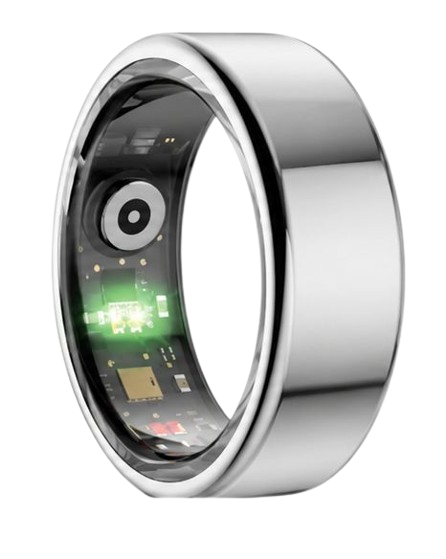
Unlike bulky smartwatches that disrupt your sleep with notifications, the lightweight military-grade steel ring tracks your metrics in complete silence.
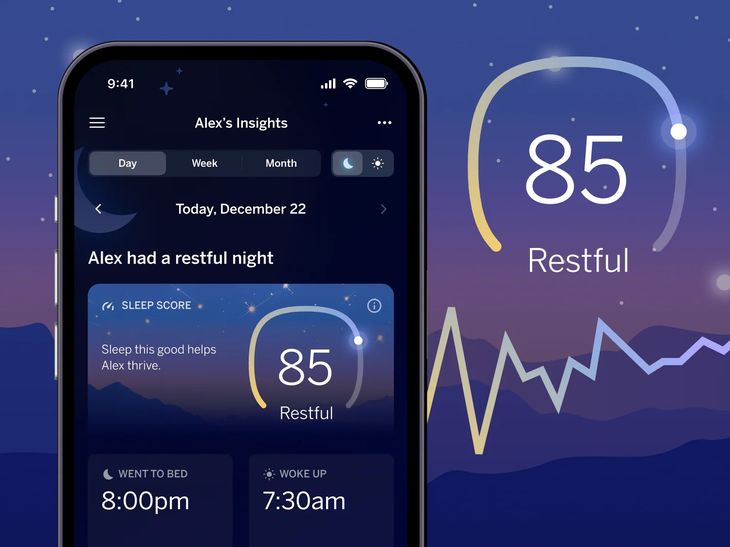
It continuously logs your overnight deep sleep stages and morning physical readiness scores directly to your free companion app.
With a six-day battery life and zero monthly subscription fees, it is the ultimate tool for monitoring and building your perfect weekly schedule.
90-Day 100% Money-Back Guarantee
“The Herz Smart Ring helps me manage stress easily. It’s accurate, stylish, and lightweight—perfect for my busy life!”
— Jennifer P. | ✔ Verified Customer
- ✓ 6-Day Battery Life
- ✓ Detailed Sleep Analysis
- ✓ Fast 1-Hour Charging
- ✓ iOS & Android Ready
Questions? Call: 1-866-479-1629
Decoding Your Circadian Sleep Rhythm: The Biophysiology of Sleep Architecture

Your internal biological clock controls a vast array of daily neurological and physiological processes.
This natural clock runs on a cycle slightly longer than twenty-four hours, which is medically termed your body clock and chronotype.
According to comprehensive clinical guidelines from the National Sleep Foundation, keeping a stable routine directly strengthens these vital biological pathways.
When you maintain highly consistent sleep times, your brain is able to schedule your overnight recovery phases with maximum efficiency.
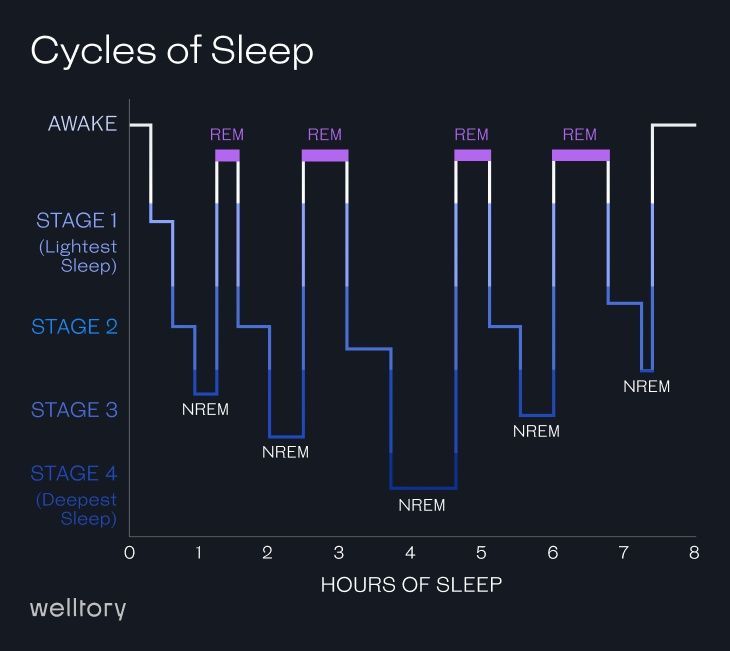
During the first half of the night, your brain prioritizes deep slow-wave sleep to facilitate cellular healing and muscle tissue repair.
This slow-wave phase is absolutely essential for physical restoration, immune function, and systemic cardiovascular recovery.
During the second half of the night, Rapid Eye Movement sleep becomes the highly dominant phase.
This active REM phase is responsible for emotional regulation, cognitive processing, and memory consolidation.
If you shift your bedtime constantly, your brain fails to enter these critical cycles at the correct physical times.
This lack of structure results in highly fragmented sleep, severe brain fog, and a notable drop in daytime productivity.
Additionally, trying to force an extreme polyphasic sleep schedule often fragments your natural biological rhythms and raises systemic physical strain.
By keeping your schedule unified, you protect your body’s natural architecture and ensure you wake up feeling completely energized.
How Wearable Technology Translates Blood Oxygen and Heart Rate Variability
The Herz P1 Smart Ring utilizes state-of-the-art multispectral optical sensors to peer directly into your blood vessels.
These advanced sensors shine target wavelengths of light through the thin skin of your finger to measure blood flow trends.
This optical technology, known as photoplethysmography, allows the ring to gather clinical-grade physiological data in real-time.
By tracking your heart rate variability, the ring monitors the subtle time differences between your consecutive heartbeats.
The American Heart Association recognizes heart rate variability as an excellent, non-invasive indicator of autonomic nervous system health.
A high HRV score indicates that your nervous system is relaxed, resilient, and fully recovered from daily work stress.
Conversely, a low HRV score indicates systemic fatigue, high cardiovascular strain, or physical overtraining.
Furthermore, the ring continuously monitors your blood oxygen saturation levels while you are resting in bed.
Overnight drops in blood oxygen can reveal poor breathing habits, airway resistance, or an unventilated bedroom environment.
The military-grade steel ring sits securely at the base of your finger, which is the absolute best anatomical location for capturing clear arterial signals.
This superior sensor placement ensures that your daily biometric data remains highly accurate and free of motion distortions.
With an IP68 waterproof rating, you can wear the ring while washing your hands, showering, or swimming without interrupting your tracking.
Practical Application: Transforming Biometric Data Into Daily Wellness Actions
The true value of tracking your biometrics lies in making actual, positive lifestyle improvements.
Each morning, the free Herz P1 App calculates a comprehensive physical readiness score based on your sleep quality, HRV, and resting heart rate.
If your readiness score is low, you should adapt by choosing low-intensity tasks and avoiding strenuous physical workouts.
If your readiness score is high, your body is fully primed to take on high-stress work and intense physical exercise.
You can also track how late-night alcohol, screen use, or heavy meals directly impact your deep sleep duration.
Seeing these clear, personalized trends allows you to make informed decisions and build healthier evening habits.
Because the ring is exceptionally comfortable and lightweight, you can easily wear it twenty-four hours a day, seven days a week.
This continuous wear ensures that your weekly averages reflect your true baseline physiological trends.
By using these real-time metrics, you take the guesswork out of recovery and manage your wellness with absolute clarity.
Overcoming Smartwatch Pitfalls: Designing for Real Comfort and Transparency
Many individuals find that wearing a bulky, heavy smartwatch to bed is highly uncomfortable and actively disrupts their sleep.
Smartwatches often light up unexpectedly, vibrate with notifications, and cause skin irritation during warm summer nights.
Furthermore, daily charging requirements mean that smartwatches frequently run out of battery precisely when you need to track your sleep.
Another major frustration in the wearable market is the hidden cost of expensive monthly app subscriptions.
We believe that you should never have to pay a continuous fee to access your own personal health data.
The Herz P1 App is completely free for life, ensuring you have unlimited access to every single advanced feature and sleep trend.
We support our durable ring with an industry-leading two-year warranty and a ninety-day money-back guarantee.
This complete commitment ensures you can focus entirely on optimizing your sleep schedule without any financial worry.
Frequently Asked Questions About Sleep Schedules and Smart Rings
Is the Herz P1 Smart Ring waterproof enough for daily swimming?
Yes, the Herz P1 features a full IP68 waterproof rating that protects it in water up to fifty meters deep.
You can safely wear the ring while lap swimming, showering, taking hot baths, or sweating during high-intensity workouts.
The seamless outer steel chassis ensures that water never penetrates the internal biometric sensors or battery compartment.
How long does the ring battery last on a single charge?
The Herz P1 Smart Ring delivers a long-lasting six days of continuous, active battery life under normal monitoring conditions.
It charges from empty to one hundred percent in under one hour using the compact magnetic charging cradle.
This long-lasting battery life ensures you never miss a critical night of sleep tracking due to a dead battery.
Which finger is the best option for wearing the smart ring?
The index finger of your non-dominant hand is the absolute best option for receiving highly accurate biometric readings.
The middle and ring fingers also provide excellent arterial signals if the index finger is not comfortable for you.
You should choose a size that fits snugly but comfortably without rotating excessively during your normal daily movements.
Does the ring store my sleep and physical data offline?
Yes, the Herz P1 features seven days of secure, local offline memory storage directly on the internal hardware chip.
You do not need to keep your smartphone close to your bed or leave your Bluetooth connection active overnight.
Once you open the companion app in the morning, your stored data syncs automatically in less than thirty seconds.
Conclusion: Your Path to Lasting Physical Vitality
Achieving a stable sleep routine is the absolute cornerstone of a high-performance lifestyle.
The Herz P1 Smart Ring delivers the continuous, clinical-grade tracking you need to make permanent wellness improvements.
Ready to monitor your health every day?
Explore the Herz P1 Smart Ring and see if it fits your lifestyle.
Call: 1-866-479-1629 — our team can help you advise on the correct ring size and set personalized health goals.
Note: Individual results may vary depending on individual health conditions, age, and lifestyle habits. This article is intended for general health reference purposes only.
