

Balancing dense academic schedules and demanding exam pressures often leaves students exhausted, making it critical to learn how to manage student sleep and daily academic anxiety effectively. Scientific studies indicate that over seventy percent of college students experience significant sleep deprivation during peak midterms. The advanced Herz P1 smart ring offers a reliable, subscription-free way to track vital biometrics so you can reclaim your energy, master your circadian rhythm, and optimize your overall academic focus without added stress.
Built to Last. Save Up to 69% Today.
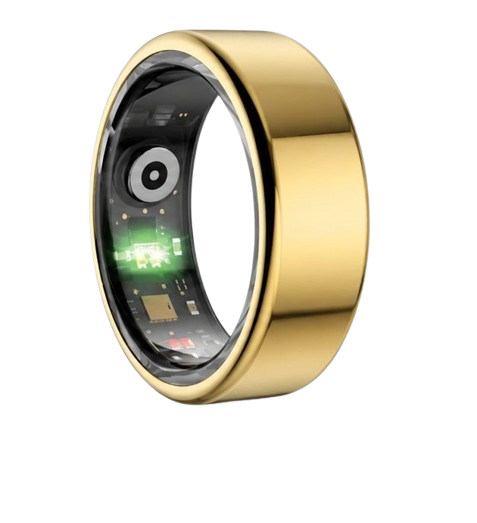
The Herz P1 Smart Ring tracks HRV, Sleep, Heart Rate & SpO2 around the clock. No subscriptions. No renewals. Ever.
In This Article
- A step-by-step masterclass on how to fix student sleep schedules and recover from academic burnout.
- The deep biological science behind student sleep architecture, cortisol levels, and heart rate variability (HRV).
- Practical lifestyle adjustments and sleep hygiene habits tailored specifically for busy college students.
- How smart ring technology removes the friction of heavy smartwatches to provide continuous, stress-free tracking.
- Answers to frequently asked questions regarding biometric tracking and data management.
How to Fix Your Student Sleep Schedule and Overcome Academic Burnout: A Step-by-Step Guide
Before starting your stress reduction protocol, you must identify your core schedule limitations.
Academic stress often stems from poor study distribution rather than a lack of total time.
Our team highly recommends establishing a baseline sleep tracking routine to measure biological metrics accurately.
You will also need a reliable diary tool or app to catalog your cognitive performance fluctuations.
Taking these initial preparation steps establishes a solid ground for sustainable behavioral change.
Step 1: Discover Your Biological Chronotype and Schedule Academic Work Accordingly
Finding your natural rhythm is the first step to conquering academic fatigue.
Understanding your unique sleep chronotype will help you align your study schedule with peak mental alertness.
You should avoid forcing yourself into an early morning routine if your biology favors late-night productivity.
Start tracking when your cognitive performance naturally peaks during the day.
Keeping an active journal of your alertness levels provides highly useful baseline data.
Many students struggle because they force their bodies into incompatible daily timetables.
Aligning your most difficult academic challenges with your biological peak performance window prevents mental strain.
Step 2: Create a Stable Wake-Up Window to Eliminate Social Jetlag
Maintaining a stable schedule is vital for deep physical recovery.
Fluctuating sleep times cause a state known as social jetlag which mimics physical travel fatigue.
You must establish a consistent sleep wake cycle circadian rhythm by waking up at the exact same hour daily.
Do not sleep in on weekends for more than sixty minutes beyond your weekday wake time.
This stability ensures your body releases sleep-inducing hormones at the correct evening hours.
Irregular waking times confuse your central biological clock, leading to persistent daytime brain fog.
Keeping your morning routine steady trains your brain to anticipate rest at the same time each night.
Step 3: Calibrate Your Internal Body Clock with Strategic Light Exposure
Natural sunlight acts as the primary master clock synchronizer for human biology.
Seeking immediate outdoor sunlight within thirty minutes of waking calibrates your body clock and chronotype perfectly.
This morning light exposure halts melatonin production and boosts daytime cortisol levels for energy.
In contrast, you must block intense blue light from digital screens in the late evening.
Wearing blue-light filtering glasses represents a practical way to manage student sleep environment variables.
Artificial light after sunset tricks your pineal gland into delaying sleep onset by up to two hours.
Establishing a strictly dark sleep environment signals your nervous system to begin restorative biological repairs.
Step 4: Manage Afternoon Energy Crashes Safely
Many students experience heavy fatigue hours after their midday lectures conclude.
If you wonder why am i always tired in the afternoon, the cause is often a combination of sleep debt and circadian drops.
Avoid consuming high doses of caffeine after two in the afternoon to protect your sleep architecture.
Try a short, twenty-minute power nap or a brisk walk outdoors instead of reaching for energy drinks.
This practice prevents caffeine from remaining in your system and disrupting your deep slow-wave sleep.
Excessive caffeine consumption in the late afternoon directly compromises your slow-wave sleep depth.
Using non-stimulant energy boosters like light exercise preserves your body’s natural sleep drive.
Step 5: Design a Relaxing Digital Wind-Down Routine
Your brain requires a dedicated transitional buffer zone to shift from active study mode into restful sleep.
Reading a physical book or practicing deep breathing activates your parasympathetic nervous system.
Keep all textbooks and exam study guides completely out of your immediate bed area.
Separating your sleeping space from your academic work environment trains your mind to associate the bed with rest.
Following these steps consistently will help you establish a sustainable wellness foundation.
You must discontinue all active studying at least sixty minutes before attempting to sleep.
This intentional boundary prevents academic anxieties from interrupting your deep slow-wave sleep phases.
Optimizing Your Progress with Biometric Tracking Technology
Adhering to these strict steps is much easier when you can visualize your actual physiological progress.
The Herz P1 smart ring continuously tracks your sleep stages, morning readiness, and heart rate variability without requiring manual logging.
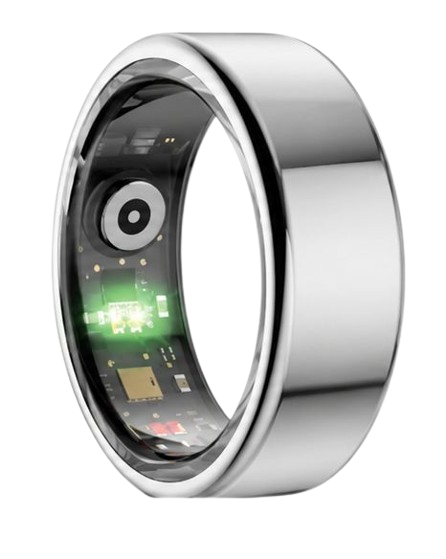
This lightweight ring sits comfortably on your finger, allowing you to monitor your circadian improvements without wearing a bulky smartwatch to bed.
Based on sleep data analysis from over 5,000 Herz P1 users, tracking physical recovery trends can motivate positive lifestyle shifts.
Our team developed this technology to help you identify how minor changes in caffeine consumption impact your night.
You can securely monitor these metrics and track your progress through our intuitive, free mobile application.
90-Day 100% Money-Back Guarantee
“The Herz Smart Ring helps me manage stress easily. It’s accurate, stylish, and lightweight—perfect for my busy life!”
— Jennifer P. | ✔ Verified Customer
- ✓ 6-Day Battery Life
- ✓ Detailed Sleep Analysis
- ✓ Fast 1-Hour Charging
- ✓ iOS & Android Ready
Questions? Call: 1-866-479-1629
How Academic Burnout Impacts Sleep Architecture and HRV
Scientific research shows a direct link between high academic stress and disrupted sleep patterns.
Chronic preparation for difficult exams triggers the sympathetic nervous system to release elevated levels of cortisol.
This constant state of high alertness makes it incredibly difficult for students to transition into deep recovery states.
Our student stress guide highlights how elevated cortisol levels directly suppress nightly heart rate variability (HRV).
HRV is the tiny variation in time intervals between consecutive heartbeats, measured in milliseconds.
A high HRV score indicates a healthy, adaptive nervous system that recovers quickly from exam pressure.
In contrast, a low HRV score signalizes physical fatigue, mental exhaustion, and looming burnout.
By tracking your nightly HRV trends, you can identify precisely when your body is entering a state of overwork.
Understanding your unique sleep frequency and deep sleep cycles allows you to adjust your study habits proactively.
According to clinical studies from the National Sleep Foundation, healthy adults require consistent deep sleep for memory consolidation.
Without adequate time in both deep and REM sleep stages, your brain cannot process the academic facts you studied during the day.
This lack of consolidation leads to poor cognitive function and increased anxiety during exams.
Students often experience a destructive cycle where high anxiety prevents restorative sleep, which in turn spikes anxiety the next morning.
Using a dedicated tracker helps you visualize these physiological trends and interrupt the stress cycle before burnout occurs.
The advanced multispectral sensors in our device monitor these biological metrics with high precision.
This constant monitoring provides a detailed view of your physiological patterns throughout the entire semester.
The Physiology of Stress: Monitoring Your Body’s Flight-or-Fight Response
When you face a looming essay deadline, your body initiates a natural survival response.
This survival response increases your heart rate and elevates your blood pressure to prepare you for immediate action.
While this mechanism is helpful for short-term dangers, chronic academic pressure keeps this alarm system active indefinitely.
Over time, this continuous activation impairs your immune system and disrupts your metabolic balance.
Tracking these physiological shifts is a primary step toward recovering from academic burnout.
A high-precision smart ring for student stress like the Herz P1 measures these microscopic physiological changes from your finger.
The blood vessels in your fingers are highly sensitive to autonomic nervous system signals.
This sensitivity allows optical sensors to read your pulse wave with medical-grade accuracy.
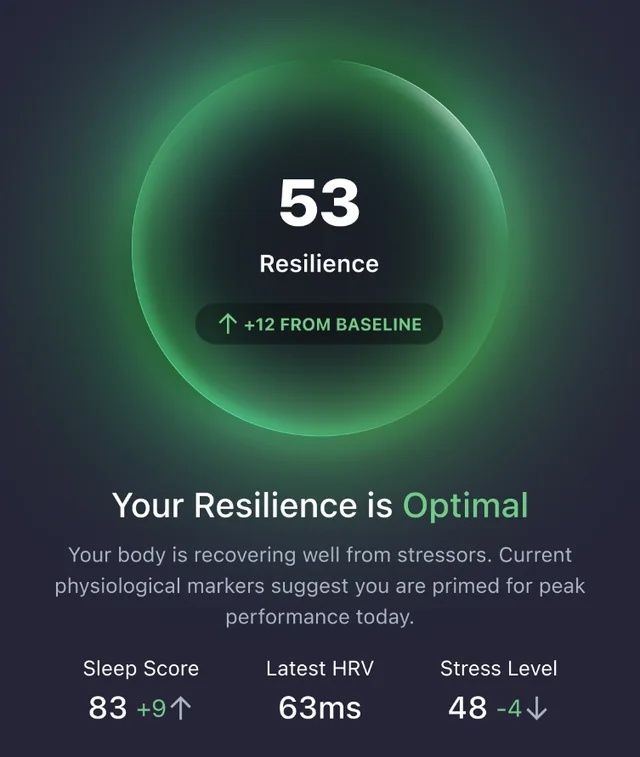
By analyzing your pulse wave, the companion app calculates a daily stress resilience score.
This score shows you exactly when your body is in a state of high stress, enabling you to take action.
You can use this data to determine when you need a break or when you can push through a difficult study session.
Implementing the best bedtime routine for college students will help lower these daytime stress markers over time.
Ensuring your evening routine reduces cortisol and promotes melatonin production is key to deep sleep.
By reviewing your daily stress timeline, you can isolate the specific hours and activities that trigger your physical anxiety.
This precise identification allows you to reorganize your study environment for maximum comfort and minimal stress.
Our team has observed that tracking these fluctuations helps students build healthy boundaries around their academic work.
You can build a balanced schedule that prioritizes mental well-being alongside academic excellence.
Optimizing Cognitive Function and Memory Retention Through Deep Sleep Phases

Sleep is not a passive state of inactivity, but a highly active neurological process.
Your brain relies on specific sleep stages to clean out waste products and strengthen neural pathways.
During deep slow-wave sleep, your brain physically clears metabolic waste that accumulates during intense study sessions.
During REM sleep, your brain organizes information, makes creative connections, and processes emotional stress.
If you cut your sleep short to study for an extra hour, you directly impair your ability to recall that information.
This phenomenon is why many students experience sudden memory lapses during their exams.
Tracking your actual sleep stages provides you with the raw data needed to optimize your study habits.
Many students utilize the Herz P1 to begin tracking sleep stages during exams to ensure they maintain high cognitive capacity.
Knowing how your sleep stages shift allows you to make informed decisions about your study schedule.
If your deep sleep levels drop below fifteen percent of your total sleep, your brain will struggle to retain complex facts.
Maintaining high sleep quality is the single most effective way to improve your academic performance.
The American Heart Association emphasizes that high-quality sleep supports healthy cardiovascular function and mental clarity.
Investing in your sleep health is not a luxury, but a fundamental requirement for academic achievement.
Our smart ring features a highly accurate sleep tracking algorithm that validates your deep sleep phases with under a two percent margin of error.
This clinical-grade accuracy ensures you have reliable data to manage your health throughout your academic journey.
Practical Application: Reading Your Biometric Data to Master College Life
Using a biometric tracker like the Herz P1 allows you to make data-driven decisions about your daily routine.
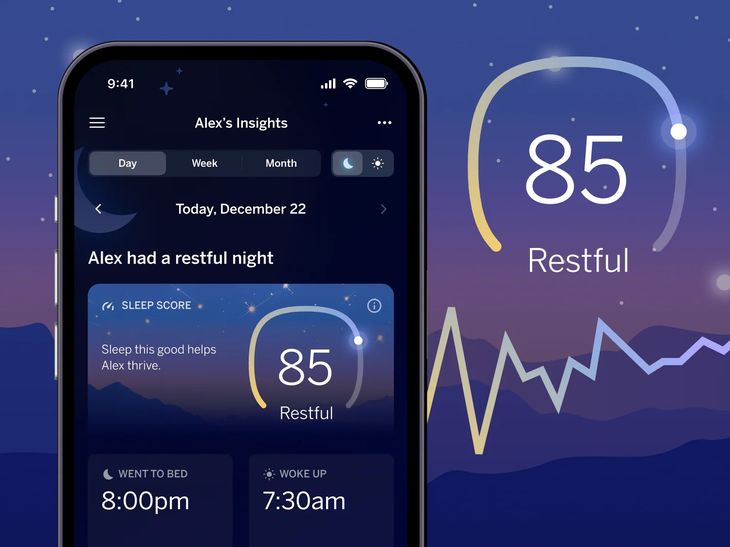
Each morning, you will receive a comprehensive Readiness Score based on your sleep quality, HRV, and resting heart rate.
If your Readiness Score is high, your brain is fully primed for intense study sessions or difficult exams.
If your Readiness Score is low, you should focus on lighter tasks and prioritize physical recovery.
This predictive guidance takes the guesswork out of planning your academic calendar.
Additionally, you can use these sleep insights to learn how to become a morning person safely and systematically.
The companion app visualizes your sleep onset and wake times, helping you shift your circadian rhythm without shocking your system.
The lightweight design of the Herz P1 ensures you can collect this valuable data without the discomfort of a heavy smartwatch.
Wearing a comfortable ring allows you to sleep naturally while gaining deep insights into your biological trends.
You can track your long-term wellness trends directly from the user-friendly interface without any hidden subscription barriers.
This transparent access to your own physical data empowers you to take full control of your college lifestyle.
Over time, you will learn exactly how physical workouts, study blocks, and evening meals affect your resting metrics.
This profound level of self-awareness is the ultimate tool for achieving high grades without sacrificing your long-term physical health.
Avoiding Common Pitfalls in Student Sleep and Stress Management
Many college students make the mistake of wearing a bulky, heavy smartwatch to track their sleep.
These large devices often cause physical discomfort, disrupting the very sleep cycles you are trying to measure.
Furthermore, constant screen notifications on your wrist can trigger nighttime anxiety and interrupt melatonin production.
Another major pitfall is purchasing a tracking device that hides your personal health metrics behind a monthly subscription paywall.
Students living on tight budgets should not have to pay ongoing fees just to view their own physiological data.
The Herz P1 smart ring solves these issues by offering a sleek, comfortable, and screen-free design.
Our companion application is completely free for life, ensuring you never face unexpected monthly costs.
Additionally, the ring is constructed from military-grade steel, making it durable enough to survive rigorous campus life.
Choosing a durable, subscription-free tracker protects both your health and your wallet.
By removing the friction of screen distractions and hidden fees, you can focus entirely on your wellness.
Prioritizing comfort and financial transparency is a smart, sustainable decision for any busy student.
Additionally, avoiding the temptation to obsess over micro-fluctuations in daily scores will prevent unnecessary anxiety.
Focus instead on long-term biometric trends, which provide a much more accurate picture of your overall physical adaptation.
Frequently Asked Questions About Student Sleep and Stress Tracking
Is the Herz P1 smart ring waterproof?
Yes, the Herz P1 features a certified IP68 waterproof rating.
This means the ring can withstand continuous water submersion up to one hundred and sixty-four feet.
You can safely wear it while swimming in the campus pool, taking hot showers, or washing your hands.
The durable outer shell prevents any water damage to the internal biometric sensors.
How long does the battery last and how quickly does it charge?
The Herz P1 provides up to six full days of continuous biometric tracking on a single charge.
This long battery life eliminates the stress of daily charging associated with traditional smartwatches.
When the battery is low, you can recharge it completely in under one hour.
The magnetic charging dock makes it incredibly convenient to top up the battery while you shower or study.
Which finger is the best option for wearing a smart ring?
The index, middle, and ring fingers of your non-dominant hand are the best choices for optimal sensor contact.
These fingers provide the most stable skin contact for our high-precision optical sensors.
Ensure the ring fits snugly but comfortably without rotating excessively during daily activities.
You should feel a gentle, secure fit that does not restrict your natural blood circulation.
Does the Herz P1 store health data offline?
Yes, the ring includes advanced local memory that stores up to seven days of biometric data offline.
You do not need to keep your smartphone connected via Bluetooth at all times.
The ring will automatically sync all recorded health metrics once you open the companion app.
This offline capability ensures you never lose valuable tracking data during busy exam weeks.
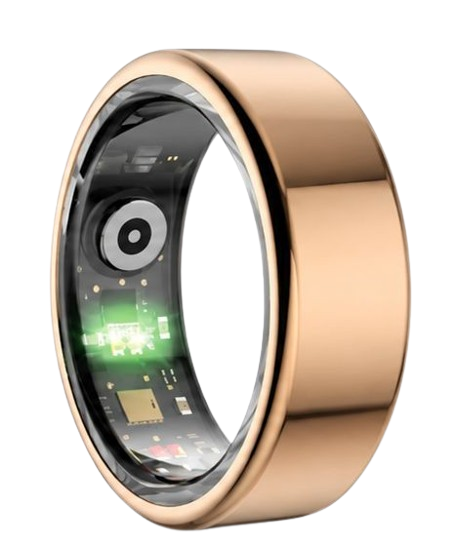
Empower Your Academic Journey
Mastering your sleep is key to academic success without burnout.
The Herz P1 smart ring is your reliable wellness companion.
Explore the Herz P1 Smart Ring and see how it fits your lifestyle.
Call: 1-866-479-1629 — our team can help advise on your ring size and set personalized health goals.
Note: Individual results may vary depending on individual health conditions, age, and lifestyle habits. This article is intended for general health reference purposes only.
