

Optimizing your daily energy and nighttime recovery starts with mastering your sleep wake cycle circadian rhythm. Many individuals struggle with afternoon fatigue and restless nights because their daily habits clash with their internal biological clock. By tracking these subtle shifts with the premium, subscription-free Herz P1 Smart Ring, you can decode critical physiological signals and reclaim your vitality. Let us explore how aligning your habits with your internal thermal patterns transforms your recovery.
Built to Last. Save Up to 69% Today.
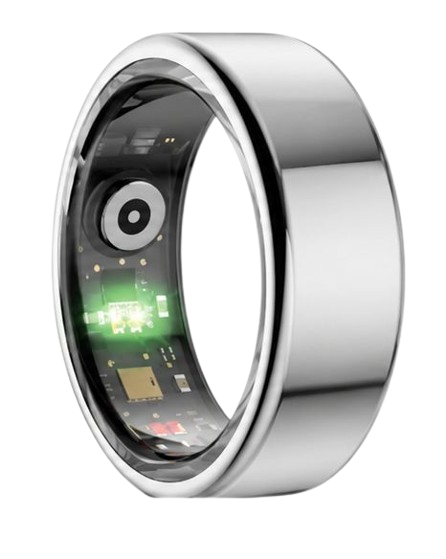
The Herz P1 Smart Ring tracks HRV, Sleep, Heart Rate & SpO2 around the clock. No subscriptions. No renewals. Ever.
In This Article
- Step-by-Step Biological Alignment: Learn how to optimize your routine around your biological temperature clock.
- The Science of Thermoregulation: Discover the deep physiological link between sleep stages and your SCN master clock.
- Overnight Temperature Drop: Explore why shedding heat is necessary for REM and slow-wave sleep.
- Biometric Tracking Strategies: Understand how the Herz P1 Smart Ring captures sleep data without subscriptions.
How to Align Your Daily Schedule with Your Circadian Rhythm and Body Temperature: A Step-by-Step Guide
To successfully synchronize your daily schedule with your internal biological rhythm, you need a systematic approach and reliable data.
First, you require a high-precision biometric tracking device that monitors skin temperature variations continuously throughout the day and night.
Second, you must commit to maintaining a consistent waking window for at least two consecutive weeks to stabilize your hormonal baseline.
Third, you need a basic understanding of how environmental cues like light, activity, and food intake signal your master biological clock.
With these elements in place, you are ready to implement a highly effective daily synchronization protocol.
-
Step 1: Track Your Baseline Biological Fluctuations
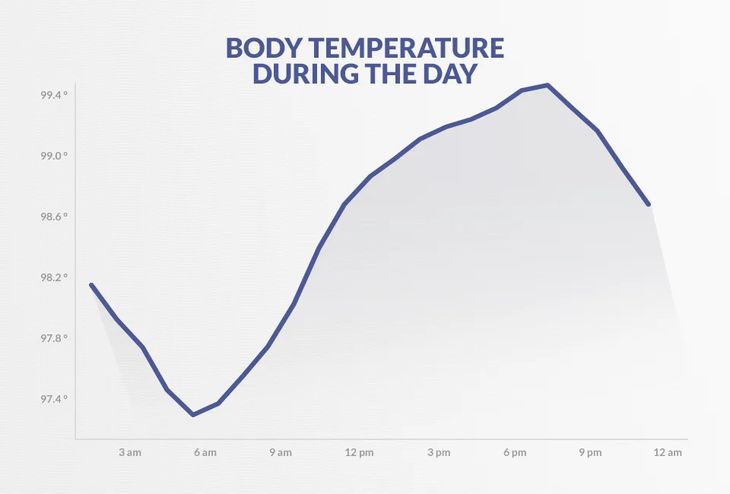
Your biological clock expresses itself through predictable daily shifts in temperature.
By tracking your core body temperature variations, you can pinpoint your natural biological peak and trough.
You should monitor these metrics consistently over a seven-day period to account for weekday and weekend lifestyle differences.
Pay close attention to when your temperature begins its natural evening decline, as this indicates your optimal sleep window.
Documenting these baselines allows you to make informed decisions rather than relying on generic sleep advice.
-
Step 2: Leverage Early Natural Light Exposure
Exposure to bright light immediately upon waking is the most powerful signal to reset your master biological clock.
You should aim to step outside within thirty minutes of waking to absorb natural radiation from the sun.
Understanding the morning sunlight benefits helps you trigger a healthy cortisol spike that drives daytime alertness.
Avoid wearing sunglasses during this brief morning period to allow the light to stimulate your retinal pathways directly.
This simple habit also helps anchor your evening melatonin release, promoting easier sleep onset when the night arrives.
-
Step 3: Schedule Your Workouts Around Your Thermal Peak
Your physical performance and muscle strength naturally peak when your body temperature is at its highest daily level.
For most individuals, this optimal window occurs in the late afternoon between 4:00 PM and 6:00 PM.
Scheduling high-intensity training during this period maximizes athletic output and minimizes your risk of injury.
Conversely, you should avoid intense cardiovascular workouts within four hours of your planned bedtime.
Late-night exercise keeps your body temperature artificially elevated, which delays the onset of restorative sleep stages.
-
Step 4: Block Disruption and Blue Light Before Bed
Artificial illumination after sunset tricks your brain into thinking it is still daytime.
Using digital screens late at night introduces artificial blue light to keep you awake by suppressing melatonin synthesis.
You should turn off bright overhead lights and switch to warm, dim lighting at least two hours before sleep.
Consider using blue-light-blocking glasses if you must use digital devices during the late evening hours.
This practice allows your biological clock to initiate the natural cooling process required for deep physical rest.
-
Step 5: Optimize Your Bedroom Ambient Environment
Your bedroom environment should actively assist your biological clock in dropping your skin temperature.
Set your thermostat between sixty-four and sixty-eight degrees Fahrenheit to support deep sleep architecture.
Using breathable bedding materials like linen or cotton can prevent heat retention that leads to midnight awakenings.
Avoid taking extremely hot showers immediately before bed, as this can temporarily raise your core temperature.
This intentional environmental adjustment ensures that your biological clock remains uninterrupted throughout the entire night.
Our team at Herz P1 developed a sleek, lightweight tracking solution to help you automate this entire process without hassle.
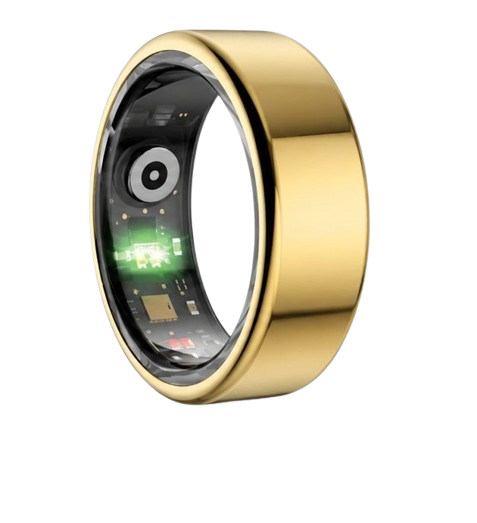
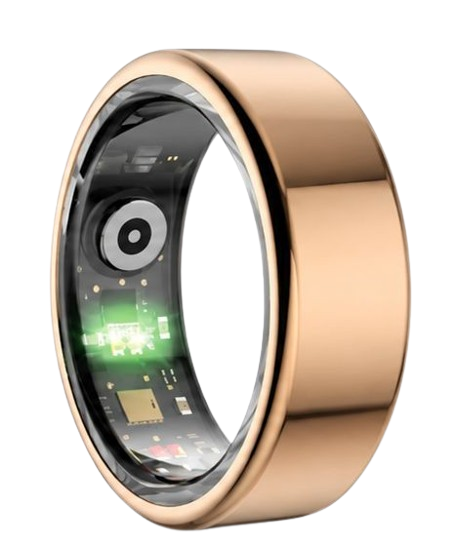
The premium, subscription-free Herz P1 Smart Ring continuously tracks your biological metrics, including heart rate variability and temperature trends, straight to your smartphone.
With military-grade steel construction and an IP68 waterproof rating, this ring integrates seamlessly into your active lifestyle.
You can wear it during intense workouts, while swimming, and comfortably throughout the night to gather continuous data.
This non-intrusive design allows you to focus on your habits while the hardware handles the complex tracking.
90-Day 100% Money-Back Guarantee
“The Herz Smart Ring helps me manage stress easily. It’s accurate, stylish, and lightweight—perfect for my busy life!”
— Jennifer P. | ✔ Verified Customer
- ✓ 6-Day Battery Life
- ✓ Detailed Sleep Analysis
- ✓ Fast 1-Hour Charging
- ✓ iOS & Android Ready
Questions? Call: 1-866-479-1629
The Physiological Link Between Sleep Wake Cycle Circadian Rhythm and Thermoregulation

Your sleep wake cycle circadian rhythm is managed by a master clock located deep within your brain.
This specialized control center is called the suprachiasmatic nucleus, or SCN.
The National Sleep Foundation emphasizes that this master clock controls various biological cycles, including hormone release and temperature.
There is a direct, reciprocal relationship between your sleep wake cycle circadian rhythm and the fluctuation of your core body temperature.
Under normal conditions, your core temperature rises during the morning hours to keep you active, alert, and focused.
This warm phase matches your highest levels of daytime productivity and physical coordination.
As evening approaches, the brain initiates a cooling process to signal that it is time for rest.
This critical transition relies heavily on the proper synthesis and release of melatonin from the pineal gland.
Melatonin works hand-in-hand with blood vessel dilation to shed excess body heat through your hands and feet.
This process is why your hands and feet often feel warm when you are getting ready to fall asleep.
When this thermal drop is delayed by stress or poor evening habits, your sleep quality declines sharply.
Understanding these biological processes is crucial for anyone looking to optimize their daily performance.
By tracking these subtle shifts, you can identify patterns that are otherwise invisible to the naked eye.
Our team believes that self-knowledge is the first step toward lasting health improvement.
With accurate data, you no longer have to guess why you feel tired or alert at specific times.
Analyzing Circadian Body Temperature: Why the Overnight Drop is Critical for Sleep Architecture
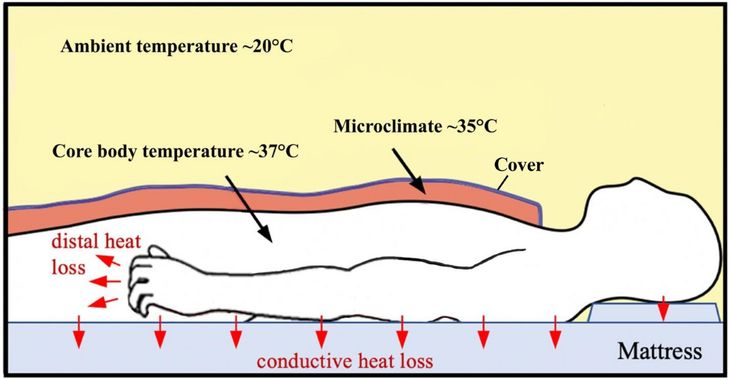
Your circadian rhythm body temperature curve follows a highly predictable twenty-four-hour wave pattern.
Your temperature typically reaches its absolute lowest point, known as the nadir, around 4:00 AM each night.
This structural nadir is essential for entering the deep and REM sleep stages that restore cognitive and cellular function.
Research supported by the American Heart Association indicates that cardiovascular recovery peaks during these deep cycles.
During deep sleep, your blood pressure drops, your respiration stabilizes, and your heart rate variability, or HRV, typically increases.
A healthy circadian body temperature drop is a primary trigger for these restorative cardiovascular shifts.
If your body temperature remains elevated, your heart rate remains high, reducing your total HRV recovery score.
This lack of a temperature drop can leave you feeling exhausted in the morning, even if you slept for eight hours.
The Herz P1 Smart Ring monitors these overnight physiological changes using advanced multi-wavelength optical sensors.
These sensors read blood oxygen saturation, or SpO2, and pulse rate directly from the rich capillary beds of your finger.
This finger-based placement provides a level of biometric precision that rivals bulkier wrist-worn devices.
By examining these daily trends on your app, you can easily determine whether your habits are supporting your recovery.
You can see exactly how a late-night meal or a stressful evening work session affects your overnight thermal curve.
This feedback loop allows you to adjust your habits and measure the direct biological results the next day.
Over time, these micro-adjustments lead to a highly optimized circadian cycle body temperature curve.
How to Navigate and Leverage Your Biometric Trends on the Herz P1 App
The companion Herz P1 App turns complex biological data into simple, actionable daily scores that anyone can understand.
When you open the app, you will find a dedicated sleep architecture dashboard showing your deep, light, and REM sleep duration.
By reviewing your circadian body temperature trends, you can see if your sleep environment is too warm.
If you notice your temperature failing to drop at night, you can adjust your room thermostat or evening diet.
The app also provides a real-time HRV Stress Index to help you manage physical and mental strain during the day.
A lower-than-normal HRV score indicates that your nervous system is in a fight-or-flight state, suggesting a need for rest.
Conversely, a high HRV score signals that your body is fully recovered and ready for high-intensity physical activity.
Because the Herz P1 features a lightweight, military-grade steel design, you can wear it comfortably all day and night.
The ring weighs only a fraction of an ounce, making it virtually unnoticeable on your finger.
This continuous wear ensures there are no gaps in your data, giving you a complete picture of your biological clock.
You can track your recovery trends over weeks, months, and even seasons to see how your body adapts to environmental shifts.
This comprehensive view helps you take proactive control of your wellness journey.
Overcoming Sleep Tracking Obstacles: Bulky Devices and Costly Subscriptions
Many people fail to optimize their biological clock because they wear uncomfortable, bulky smartwatches to bed.
These large devices frequently shift during the night, leading to inaccurate sensor readings and annoying data gaps.
Furthermore, standard smartwatches often require daily charging, meaning they are off your wrist when you sleep.
This charging cycle creates a massive gap in your overnight sleep tracking and temperature monitoring.
Another major obstacle in the biometric wearable market is the hidden cost of ongoing software subscriptions.
Several prominent brands lock your personal health data behind a monthly paywall, forcing you to pay to view your metrics.
We believe that you should never have to pay a monthly fee to access your own physiological insights.
The Herz P1 App is completely free for lifetime use, with absolutely no hidden costs or subscription fees.
Our commitment to an open, subscription-free platform ensures you have permanent access to your sleep and temperature data.
By choosing the Herz P1, you invest in high-quality hardware protected by a comprehensive two-year warranty.
This combines military-grade durability with an IP68 waterproof rating to ensure your device lasts for years to come.
You can make your purchase with absolute confidence, knowing it is backed by our ninety-day money-back guarantee.
Circadian Rhythm and Body Temperature Tracking: FAQs
Here are some of the most common questions our team receives about tracking circadian rhythms and using the Herz P1.
Is the Herz P1 Smart Ring waterproof?
Yes, the Herz P1 features an advanced IP68 waterproof rating that allows for worries-free daily use.
It can withstand continuous submersion in water up to one hundred and sixty-four feet deep.
This means you can safely wear it while swimming, showering, washing your hands, or washing dishes.
The outer shell is constructed from military-grade steel to protect the internal sensors from any water damage.
How long does the battery last on a single charge?
The Herz P1 provides up to six days of continuous biometric tracking on a single charge.
This exceptional battery life is achieved through highly efficient power management and low-energy sensors.
When the battery runs low, the ring charges fully in under one hour using its custom magnetic charging dock.
This rapid charging capability means you can quickly charge the ring while taking a shower or sitting at your desk.
Which finger is best for wearing the smart ring?
The index finger is highly recommended for the most accurate blood flow and biometric readings.
However, the middle and ring fingers also provide excellent sensor contact and reliable overnight data.
You should select the finger that offers a snug, comfortable fit without restricting blood circulation.
The ring should feel secure enough that it does not rotate easily, but loose enough to slide over your knuckle.
Does the smart ring store my data offline?
Yes, the Herz P1 contains local memory that safely stores up to seven days of biometric data offline.
You do not need to keep your smartphone nearby or connected via Bluetooth at all times.
This is highly convenient for those who prefer to keep their phones out of the bedroom overnight.
The next time you open the companion app, your stored data will automatically sync and update your trends.
Take Control of Your Circadian Biology Today
Aligning your sleep wake cycle circadian rhythm with your thermal biology is the key to unlocking consistent daily vitality.
The Herz P1 Smart Ring offers a reliable, subscription-free way to monitor your progress every day.
Ready to monitor your health every day? Explore the Herz P1 Smart Ring and see if it fits your lifestyle. Call: 1-866-479-1629 — our team can help you advise on the correct ring size and set personalized health goals.
Note: Individual results may vary depending on individual health conditions, age, and lifestyle habits. This article is intended for general health reference purposes only.
