

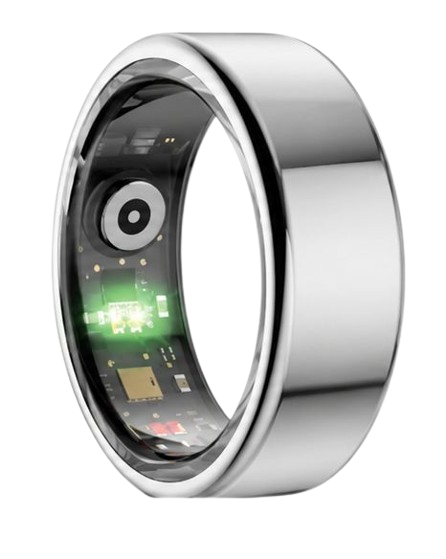
Waking up fatigued suggests a mismatch between your internal biological clock and your daily schedule, forcing you to ask: what is my ideal bedtime for truly restorative sleep? According to the National Sleep Foundation, over 35% of adults report poor sleep quality, yet finding your ideal sleep window requires analyzing personal biometrics rather than using generic calculations. The Herz P1 smart ring monitors your unique biometric signals to help you identify your perfect time to sleep.
Built to Last. Save Up to 69% Today.
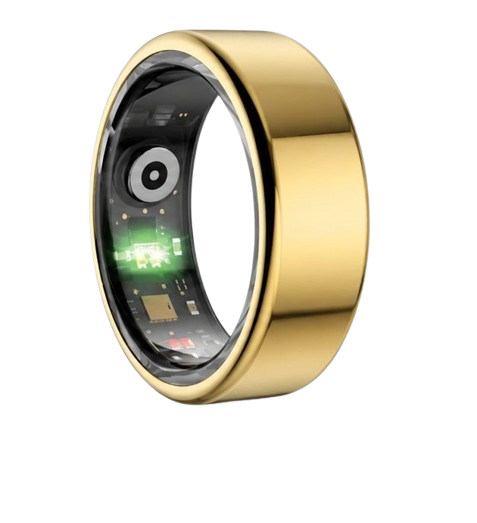
The Herz P1 Smart Ring tracks HRV, Sleep, Heart Rate & SpO2 around the clock. No subscriptions. No renewals. Ever.
In This Article
- Biometric Sleep Calculation: Learn how to calculate your baseline sleep window using natural ninety-minute sleep cycles.
- Circadian Temperature Rhythms: Understand how your baseline body temperature controls the sleep-onset window.
- Autonomic Signals: Discover how Heart Rate Variability (HRV) and oxygen saturation validate your sleep stage quality.
- Wearable Technology Solutions: Explore why subscription-free smart rings provide a highly comfortable alternative to smartwatches.
How to Calculate and Find Your Ideal Bedtime: A Step-by-Step Biometric Guide

Prerequisites / What You’ll Need
To find your perfect wake up time and ideal bedtime, you will need to track your daily schedule constraints and wake-up goals.
You will also need a pen, a piece of paper, and a reliable biometric wearable device like the Herz P1 Smart Ring to log your overnight heart rate trends.
Step 1: Identify Your Target Wake-Up Time
Identify your target wake-up time based on your daily work commitments or personal morning routine.
A consistent wake-up time stabilizes your master circadian clock and regulates morning cortisol levels.
You should maintain this exact wake up time on both weekdays and weekends to prevent circadian disruption.
Our team recommends setting a wake-up time that allows for at least thirty minutes of quiet morning preparation.
Step 2: Calculate Backwards Using 90-Minute Sleep Cycles
Sleep naturally progresses through distinct ninety-minute intervals known as sleep cycles.
Each cycle consists of light sleep, deep sleep, and rapid eye movement sleep.
To wake up feeling refreshed instead of groggy, you should aim to wake up at the end of a completed cycle.
Multiplying ninety minutes by five cycles yields exactly seven and a half hours of total sleep.
If you must wake up at 6:00 AM, calculating backwards by five cycles establishes a baseline sleep onset time of 10:30 PM.
Step 3: Factor in Your Average Sleep Latency
Sleep latency refers to the exact number of minutes it takes you to fall asleep after getting into bed.
The clinical standard for healthy sleep latency is between fifteen and twenty minutes.
If you go to bed exactly at your calculated sleep onset time, you will wake up mid-cycle due to this transition phase.
You must add your personal latency window to your bedtime calculation to ensure you get full sleep cycles.
Adjusting your bedtime to 10:10 PM allows you twenty minutes to drift off before your first cycle begins at 10:30 PM.
Step 4: Synchronize with Your Biological Chronotype
Your biological chronotype dictates whether your body naturally prefers early mornings or late nights.
Attempting to force an early schedule when your genetics favor a late window causes severe chronic fatigue.
You can identify your genetic tendencies by tracking your natural waking times during a vacation without alarms.
Aligning your schedule with your sleep chronotype reduces metabolic stress and improves cardiovascular recovery.
Step 5: Validate and Adjust with Smart Ring Biometrics
A clinical sleep study is highly expensive, but a dedicated wearable device makes tracking your biometrics simple.
You should track your resting heart rate and autonomic recovery patterns over a two-week period.
If your resting heart rate dips late in the night, your bedtime is likely set too late.
Adjusting your bedtime earlier by fifteen-minute increments will help align your heart rate drop with your sleep onset.
Enhancing Your Sleep Window with the Herz P1 Smart Ring
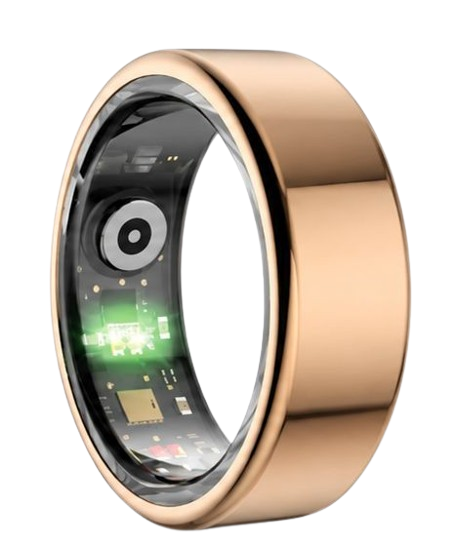
The Herz P1 smart ring automatically calculates these sleep cycles and sleep latency metrics without manual input.
By monitoring your blood oxygen levels and heart rate variability, we provide custom suggestions to help you fine-tune your schedule.
90-Day 100% Money-Back Guarantee
“The Herz Smart Ring helps me manage stress easily. It’s accurate, stylish, and lightweight—perfect for my busy life!”
— Jennifer P. | ✔ Verified Customer
- ✓ 6-Day Battery Life
- ✓ Detailed Sleep Analysis
- ✓ Fast 1-Hour Charging
- ✓ iOS & Android Ready
Questions? Call: 1-866-479-1629
The Science of Circadian Rhythms: How Your Body Temperature and Sleep Schedule Align
Your master biological clock is controlled by the suprachiasmatic nucleus located in your brain.
This clock regulates your sleep wake cycle circadian rhythm by releasing hormones based on light exposure.
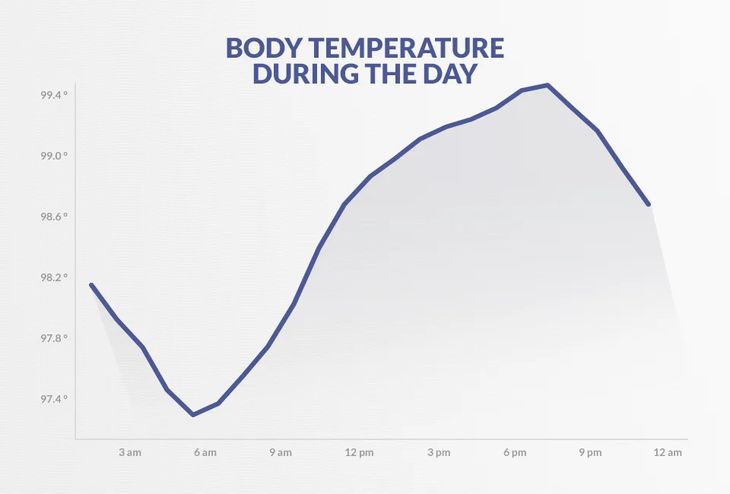
Your core body temperature naturally fluctuates by about one degree Celsius throughout a twenty-four-hour period.
This temperature begins to drop in the evening to prepare your vital organs for resting states.
The sharpest decline in core temperature aligns perfectly with the optimal window for initiating deep sleep.
If you attempt to fall asleep before this temperature drop begins, you will likely experience prolonged tossing and turning.
Understanding your unique body clock and chronotype helps you schedule sleep during this natural cooling phase.
When your social schedule conflicts with this biological timing, you experience a state known as social jetlag.
This biological mismatch leads to morning brain fog, metabolic issues, and long-term cardiovascular strain.
By stabilizing your bedtime, you optimize your brain’s sleep frequency and maximize your restorative deep sleep stages.
National Sleep Foundation studies confirm that consistent sleep schedules drastically reduce systemic inflammation markers.
Our team at Herz P1 designed our sensor suite to track these subtle thermal shifts to reveal your perfect sleep window.
Biometric Mastery: Decoding Heart Rate Variability and SpO2 for Sleep Quality
Heart rate variability is the measurement of the tiny variations in time between consecutive heartbeats.
These milliseconds are controlled by your autonomic nervous system, which balances stress and recovery.
A high heart rate variability during sleep indicates that your parasympathetic nervous system is actively repairing your body.
Conversely, low heart rate variability suggests that your body is fighting off stress, alcohol clearance, or physical overtraining.
The American Heart Association notes that tracking overnight heart rate patterns reveals early signs of cardiovascular fatigue.
During deep sleep, your heart rate should dip to its lowest point of the day, forming a healthy “U-shaped” curve.
If your heart rate only dips right before you wake up, your bedtime is mismatched with your digestive and circadian cycles.
Blood oxygen saturation is another critical metric that directly impacts your overall sleep architecture.
Healthy adults should maintain an average oxygen level between ninety-five and one hundred percent throughout the night.
Frequent drops in blood oxygen indicate disrupted breathing patterns, which fragment your deep and REM sleep cycles.
The Herz P1 smart ring tracks these oxygen dips and heart rate changes with clinical-grade accuracy.
Monitoring these biometrics allows you to see the immediate physical impact of choosing the right bedtime.
How to Use Sleep Data to Optimize Your Energy and Daily Performance
Many people ask why am i always tired in the afternoon without realizing their sleep timing is the root cause.
An irregular sleep schedule shifts your daily energy peaks, causing severe mid-day energy slumps.
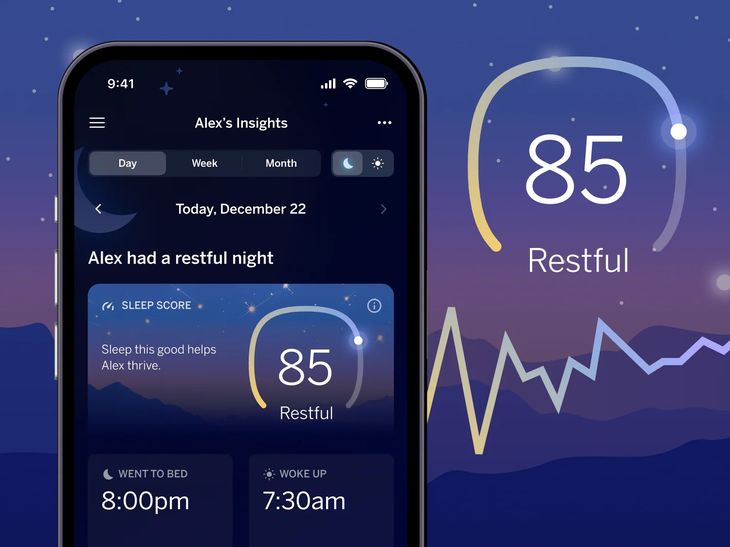
You can review your weekly metrics on the Herz P1 application to identify patterns of sleep fragmentation.
If you see a pattern of low deep sleep, you should shift your bedtime fifteen minutes earlier.
Learning how to become a morning person requires incremental schedule adjustments rather than drastic changes.
You should expose your eyes to bright natural sunlight within ten minutes of waking to stop melatonin production.
Avoid the temptation of using the snooze button, as waking up repeatedly disrupts your morning hormone release.
Research shows that selecting the best snooze time is a myth because fragmented snooze sleep has zero restorative value.
Instead, set your alarm for the exact time you must rise to preserve your final sleep cycle.
Over time, your body will adapt to your natural sleep chronotype without requiring loud morning alarms.
The lightweight design of the Herz P1 smart ring ensures you can track these habits comfortably every single night.
Unlike bulky smartwatches that irritate your skin, our ring feels completely natural and non-intrusive on your finger.
Avoiding the Traps of Sleep Tracking: Bulk, Subscriptions, and Inaccuracy
Many wellness enthusiasts abandon sleep tracking because they find bulky smartwatches highly uncomfortable in bed.
A heavy device on your wrist can easily wake you up when you turn over during the night.
Furthermore, many popular fitness trackers lock your personal biometric data behind expensive monthly app subscriptions.
We believe that you should never have to pay a monthly fee to access your own physiological data.
The Herz P1 app is completely free for lifetime, with no hidden fees or paywalls.
Another major mistake is relying on cheap, uncalibrated trackers that have high margins of error.
Inaccurate data can lead to unnecessary anxiety about your heart rate and sleep stages.
Our military-grade steel ring is individually calibrated to ensure your metrics are highly accurate.
With a ninety-day money-back guarantee, you can test this technology completely risk-free.
How Herz P1 Compares to Leading Competitors
| Feature | Herz P1 Smart Ring | Typical Smartwatches | Premium Competitor Rings |
|---|---|---|---|
| Monthly Fee | ✓ $0 (Free App) | ✓ $0 (Basic) | ✗ $5.99/mo (Subscription Required) |
| Material & Build | ✓ Military-Grade Steel | ✗ Plastic / Aluminum | ✓ Titanium |
| Comfort Level | ✓ Ultra-lightweight (3g) | ✗ Bulky, warm | ✓ Lightweight |
| Battery Life | ✓ 6-Day Lifespan | ✗ 1-2 Days (Requires Daily Charge) | ✓ 5-7 Days |
| Warranty Period | ✓ 2-Year Warranty | ✗ 1-Year Warranty | ✗ 1-Year Warranty |
Frequently Asked Questions About Bedtime and Sleep Tracking
Is the Herz P1 smart ring waterproof?
The Herz P1 is fully IP68 waterproof and can withstand depths of up to one hundred and sixty-four feet.
You can safely wear the ring while swimming, showering, washing your hands, or relaxing in a hot sauna.
How long does the battery last on a single charge?
Our advanced battery tech provides up to six days of continuous tracking on a single charge.
The ring charges from zero to one hundred percent in under one hour using the included magnetic cradle.
Which finger is best to wear the smart ring on?
We recommend wearing the ring on your index finger for the most accurate optical sensor readings.
The middle or ring finger of your non-dominant hand also provides excellent biometric data quality.
Does the ring store my sleep data offline?
Yes, the Herz P1 features seven days of secure, local offline storage.
Your data will automatically sync to your smartphone application the next time your Bluetooth connects.
Reclaim Your Sleep Health
Find your perfect bedtime and reclaim your natural daytime energy today.
The subscription-free Herz P1 Smart Ring makes tracking your sleep metrics simple, comfortable, and accurate.
Ready to monitor your health every day?
Explore the Herz P1 Smart Ring and see if it fits your lifestyle.
Call: 1-866-479-1629 — our team can help you advise on the correct ring size and set personalized health goals.
