

If you wake up feeling chronically exhausted despite eight hours in bed, you may be experiencing low deep sleep, a silent recovery deficit that leaves millions physically drained. At Team Herz P1, we believe that decoding your nocturnal metrics is the first step to reclaiming your daily vitality. By tracking your biometrics with the subscription-free Herz P1, you can identify your sleep patterns and implement lasting lifestyle fixes.
In This Article
- Nocturnal Restoration Guide: A step-by-step master plan to recover from low deep sleep.
- The Science of Sleep Architecture: How slow-wave sleep repairs physical muscle and tissue.
- Physiological Sleep Disruptors: Identifying the precise biological and environmental root causes.
- Maximizing Wearable Technology: Using smart ring analytics to fine-tune your nightly sleep hygiene.
How to Restore Your Nocturnal Restoration: A Step-by-Step Optimization Guide
Prerequisites: What You Will Need Before Starting
Reversing a pattern of low deep sleep requires small, deliberate shifts in your daily choices.
Before you begin this clinical recovery guide, make sure you have a reliable sleep tracking device.
You also need a quiet, dark bedroom environment and a dedication to consistency for at least 14 nights.
-
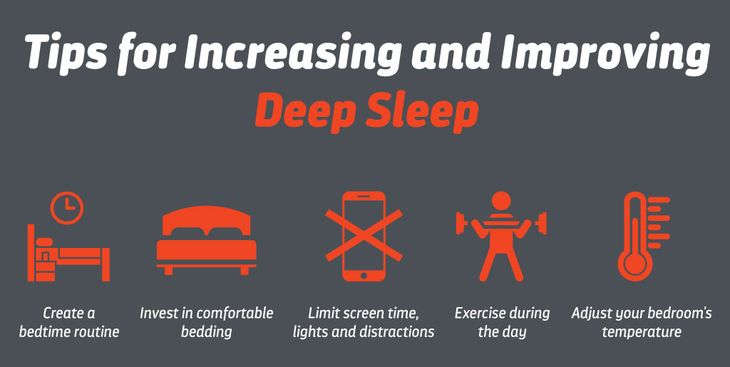
Step 1: Set a Consistent Circadian Anchor Point
Your body thrives on a precise internal biological clock controlled by the master suprachiasmatic nucleus.
To establish a strong sleep-wake pattern, choose an exact wake-up time and keep it identical every single day.
Waking up at the same hour forces your body to build natural sleep pressure systematically throughout your day.
This pressure acts as a biological trigger that helps you transition rapidly into deep restorative states at night.
Avoid sleeping in on weekends, as even a two-hour variation can disrupt your sleep cycle for days.
-
Step 2: Eliminate Evening Light and Screen Exposure
Short-wavelength blue light from modern screens stops your pineal gland from producing natural melatonin.
Melatonin is the primary hormone required to signal your brain that it is time to transition into slow-wave rest.
Turn off all personal computers, smartphones, and bright television screens at least 90 minutes before bedtime.
If you must use electronics, wear amber-tinted glasses that block blue light or utilize software warm-light modes.
Dim the ambient lighting in your living spaces to mimic the natural sunset and signal physiological wind-down.
-
Step 3: Keep Your Sleep Environment Cool
Your core physical body temperature must drop by about two degrees Fahrenheit to initiate a deep sleep stage.
Set your bedroom thermostat to a cool range between 60 and 67 degrees Fahrenheit for optimal overnight results.
High ambient bedroom temperatures force your body to expend extra metabolic energy trying to cool itself down.
This extra thermal load elevates your heart rate and prevents your brain from entering deeper slow-wave states.
Consider using breathable cotton sheets, specialized cooling mattress pads, or taking a warm shower before bed.
-
Step 4: Restrict Late-Day Caffeine and Alcohol
Caffeine is a powerful adenosine antagonist that can block natural sleep pressure even ten hours after consumption.
Establish a strict caffeine cutoff time at 12:00 PM to ensure the chemical is fully cleared from your system.
Additionally, avoid consuming alcoholic beverages within four to six hours of heading to your bed.
While alcohol acts as a sedative that makes you fall asleep fast, it heavily fragments your sleep cycles later.
The metabolism of alcohol causes multiple micro-arousals and suppresses both your deep and REM sleep stages.
-
Step 5: Utilize Mindful Breathing to Lower Heart Rate
A high heart rate and elevated cortisol levels are direct physiological enemies of deep overnight recovery.
Practice a structured deep breathing routine like the 4-7-8 method for five minutes directly before lying down.
Inhale quietly through your nose for four seconds, hold for seven seconds, and exhale audibly for eight seconds.
This rhythmic breathing pattern stimulates your vagus nerve and activates your parasympathetic nervous system.
Lowering your physical stress responses allows your heart rate to drop quickly, paving the path to deeper rest.
Enhance Your Journey with the Herz P1 Smart Ring
Tracking the effectiveness of these lifestyle adjustments is incredibly simple with the right smart technology.
The Herz P1 works tirelessly in the background to monitor your nightly physical restoration levels.
Our military-grade ring delivers precise, continuous biometric feedback directly to your smartphone dashboard.
You can see exactly how each step of this guide impacts your unique physiological metrics in real time.
Understanding Sleep Architecture: Deep Sleep vs REM vs Core
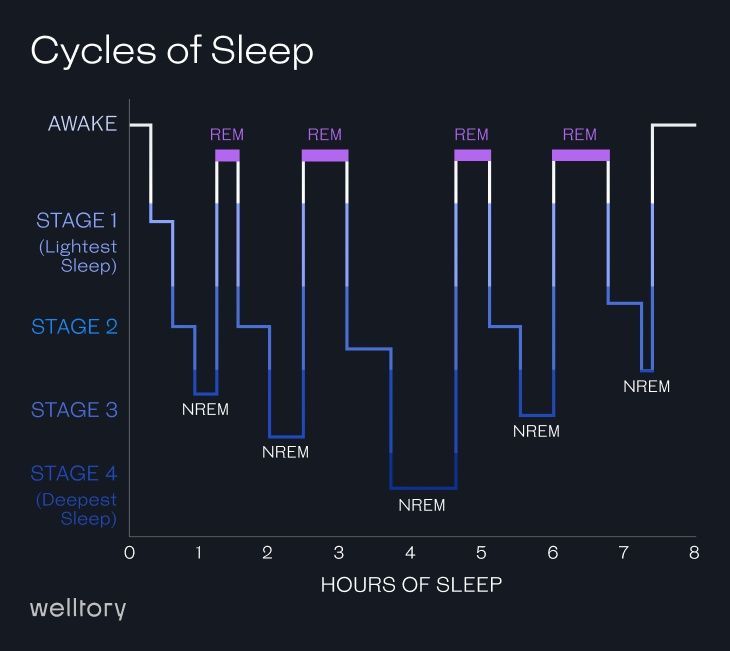
Every single night, your brain moves through highly structured cycles to rest your body and mind.
Each individual cycle contains distinct phases, creating a delicate balance of sleep stages.
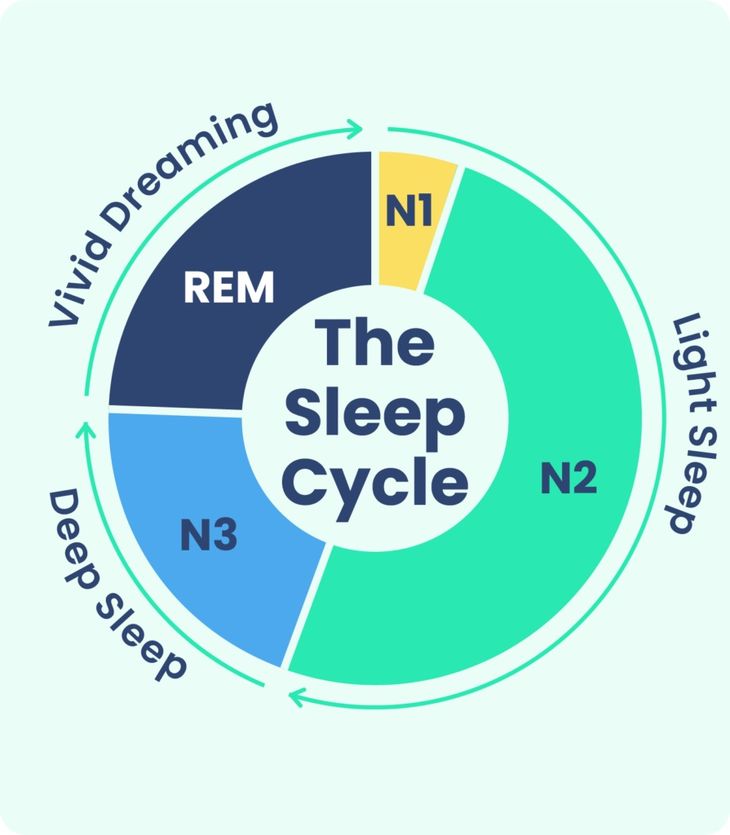
Analyzing deep sleep vs rem vs core sleep shows how your body divides its nightly recovery duties.
Core sleep, often referred to as light sleep, makes up the largest portion of your overall night.
This lighter phase serves as a physiological bridge that helps you transition safely between other stages.
During the light sleep stages, your heart rate slows down and your muscles begin to relax.
Your brain then plunges into slow-wave sleep, which is the physical powerhouse of your nightly rest.
Slow-wave sleep is characterized by high-amplitude delta brain waves that occur at a very slow frequency.
Your blood pressure drops significantly and muscle tissues receive a rush of oxygen-rich blood.
This deep phase is critical because your pituitary gland releases vital growth hormones here.
These hormones work to repair physical cellular damage and build healthy new muscle tissues.
If you experience not enough deep sleep, your body cannot physically rebuild itself.
This explains why you might feel sore, weak, or physically heavy the following morning.
After slow-wave rest, your brain transitions into rapid eye movement, or REM sleep.
REM sleep is the phase responsible for vivid dreaming, creative thinking, and processing emotions.
During REM, your brain becomes highly active while your physical muscles are temporarily paralyzed.
This dynamic mental state helps consolidate new memories and clear out metabolic waste.
Understanding these unique stages of sleep reveals why each phase is completely irreplaceable.
A balanced sleep profile requires a healthy mix of core, deep, and REM sleep to thrive.
Your overnight recovery relies on these stages occurring in their natural, uninterrupted order.
The Physiological Dynamics of Slow-Wave Sleep Deficits
To truly understand what causes deep sleep, we must look at how the brain transitions into slow-wave rest.
Clinical studies show that healthy adults should ideally spend 15 to 25 percent of their total night in deep sleep.
If you sleep for seven hours, you need approximately 60 to 90 minutes of high-quality deep sleep.
Your body prioritizes slow-wave sleep in the first half of the night when sleep pressure is highest.
As the night progresses, your sleep cycles shift to favor longer periods of light and REM sleep.
If your rest is constantly interrupted in the early hours, you will lose your most critical deep sleep window.
A key biological marker of this deep physical state is a lowering of your baseline cardiovascular activity.
Tracking your deep sleep heart rate reveals a beautiful physiological drop called “cardiac dipping.”
Your sleeping heart rate should ideally drop by 10 to 20 percent compared to your daytime resting average.
This decline in heart rate allows your cardiovascular system to rest and recover from daily stress.
If your heart rate remains elevated at night, your brain will struggle to fall into deeper sleep stages.
A persistently high heart rate is a clear sign that your sympathetic nervous system is still highly active.
This state of hyperarousal prevents your brain from generating the slow delta waves needed for deep recovery.
Analyzing this cardiovascular data helps pinpoint why you might be suffering from a lack of deep sleep.
Uncovering the Biological Drivers: Lack of Deep Sleep Causes
If you are asking why is my deep sleep so low, the answer usually lies in a mix of daily lifestyle choices.
Chronic psychological stress is one of the most common causes of low deep sleep in modern life.
High stress triggers the constant release of cortisol and adrenaline, which keep your brain in a state of high alert.
Your brain perceives this chemical state as a potential threat, making deep slow-wave rest highly unsafe.
As a result, you spend the night drifting through light, fragmented sleep stages instead of recovering deeply.
Another major biological disruptor is the natural process of physical aging.
As we grow older, our brains naturally produce fewer slow delta waves during the night.
While this is a common shift, younger adults should not experience a severe drop in deep sleep.
If you are struggling to rest, learning how to get into deep sleep is vital for long-term health.
Daily habits like late-night dining can also play a major role in disrupting your sleep quality.
Eating large, heavy meals close to bedtime forces your digestive tract to work hard when it should be resting.
This metabolic activity raises your body temperature and prevents the natural cooling needed for deep sleep.
Additionally, late-day workouts can elevate your core temperature and stress hormones for several hours.
While regular exercise is great for sleep, timing it correctly is key to protecting your deep rest.
Many people search for ways on how to get more deep sleep without addressing these basic daily habits.
Furthermore, you might wonder: can you get too much deep sleep?
While rare, excessive deep sleep can sometimes occur after long periods of severe sleep deprivation.
In most cases, your body is simply trying to pay off a chronic sleep debt to recover.
Our team at Herz P1 recommends focusing on balance rather than chasing extreme, unrealistic metrics.
Tracking and Optimizing Your Sleep Cycles with the Herz P1 Smart Ring
Managing your health requires having access to highly accurate, personalized biological data.
The Herz P1 Smart Ring uses advanced multi-spectral optical sensors to monitor your body around the clock.
Our ring emits specific wavelengths of light through the dense capillary network of your finger.
This location provides a incredibly strong, clean pulse signal compared to traditional wrist-based trackers.
The ring measures your heart rate, heart rate variability (HRV), and blood oxygen saturation (SpO2) every night.
By analyzing these metrics, the Herz P1 companion app creates a highly detailed map of your sleep stages.
You can easily see exactly how many minutes you spent in core, deep, and REM sleep each morning.
The app displays this data in clear, simple trends that help you understand your unique physical baseline.
If you see your deep sleep levels drop, you can quickly correlate the decline with your daily choices.
Did you drink alcohol, eat a late meal, or experience high stress during the workday?
Our intuitive dashboard helps you connect these lifestyle dots and make positive adjustments.
The comfortable, lightweight design of the ring makes it perfect for consistent 24/7 wear.
You will quickly forget you are wearing it, ensuring you get accurate, uninterrupted sleep data every single night.
Avoiding Common Wearable Pitfalls: Ditch the Bulky Smartwatch
Many health-conscious people struggle to track their sleep because they wear bulky, uncomfortable smartwatches.
Large watch bodies can easily press into your wrist, causing discomfort and waking you up during the night.
Additionally, the loose fit of heavy watch bands often leads to inaccurate sensor readings during movement.
The Herz P1 Smart Ring solves this problem by offering clinical-grade tracking in a sleek, featherlight design.
Crafted from military-grade steel, our ring is incredibly durable yet weighs only a few grams.
Furthermore, many wearable brands charge expensive monthly subscription fees to access your own health data.
We believe that you should never have to pay a recurring fee to understand your body’s signals.
The Herz P1 App is completely free for lifetime, with absolutely zero hidden costs or paywalls.
You get full, unrestricted access to all your advanced sleep, stress, and recovery metrics forever.
This commitment to transparent value makes the Herz P1 the ultimate companion for your wellness journey.
Frequently Asked Questions About Deep Sleep and Biometric Tracking
Is the Herz P1 Smart Ring fully waterproof?
Yes, the Herz P1 features a rugged design with a certified IP68 waterproof rating.
This means you can confidently wear it while washing your hands, showering, or swimming up to 164 feet.
The durable military-grade steel casing protects the internal sensors from water damage in any daily scenario.
How long does the ring battery last on a single charge?
The Herz P1 delivers up to 6 days of continuous battery life under normal tracking conditions.
When it is time to recharge, the ring goes from zero to 100 percent in under one hour.
This fast charging capability ensures you never miss a single night of critical sleep data.
Which finger is the best option to wear the smart ring on?
For the most accurate biometric readings, we recommend wearing the ring on your index finger.
The middle and ring fingers of either hand are also excellent options for daily wear.
Choose a finger where the ring fits snugly but comfortably without rotating too easily.
Does the Herz P1 store my biometric data offline?
Yes, the ring has secure local memory that stores up to 7 days of biological data offline.
You do not need to keep your phone connected via Bluetooth throughout the night.
The ring will automatically sync your data the next time you open the companion app.
Conclusion: Reclaim Your Energy with the Herz P1 Smart Ring
Understanding low deep sleep is the first step toward achieving optimal daily performance and longevity.
The subscription-free Herz P1 Smart Ring provides the precise, personalized data you need to make smart health decisions.
Ready to monitor your health every day? Explore the Herz P1 Smart Ring and see if it fits your lifestyle. Call: 1-866-479-1629 — our team can help you advise on the correct ring size and set personalized health goals.
