

Millions of active individuals overlook the profound physiological impact that targeted strength training for metabolism provides compared to repetitive cardio. Our team at Herz P1 has analyzed biometric data to help you understand how resistance training preserves lean mass while permanently optimizing your basal energy expenditure. This comprehensive guide decodes the exact science behind muscle-driven fat loss and demonstrates how to leverage wearable tracking to accelerate your fitness journey safely.
Built to Last. Save Up to 69% Today.
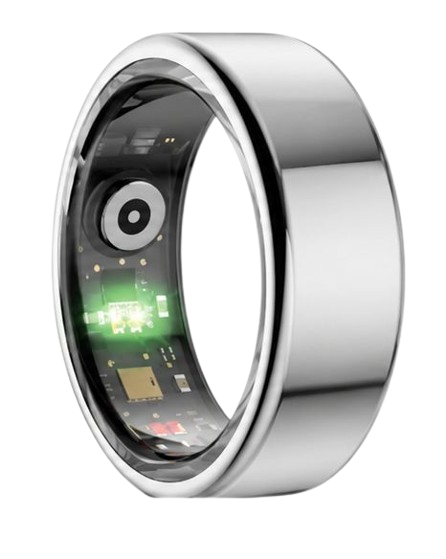
The Herz P1 Smart Ring tracks HRV, Sleep, Heart Rate & SpO2 around the clock. No subscriptions. No renewals. Ever.
In This Article
- A Step-by-Step Metabolic Guide: Learn how to optimize strength training safely.
- The Cellular Science of Muscle: Discover why weight training elevates resting energy.
- Sleep and Hormonal Adaptations: Unpack how deep recovery impacts fat loss.
- Stress and HRV Tracking: Master the biometrics that prevent overtraining.
- Continuous Biometric Solutions: Realize why a sleek smart ring outpaces bulky wrist wearables.
How to Optimize Strength Training for Metabolism and Fat Loss: A Step-by-Step Guide

Prerequisites and Preparations
Before launching into a metabolic resistance training program, you must establish a few critical parameters.
Ensure you have access to adjustable free weights, barbells, or high-resistance bands.
Prepare a reliable tracking tool to monitor your physical workload and heart rate responses.
Confirm that your body is fully hydrated and free from acute structural injuries.
Step 1: Focus on Compound Movements
You must target major muscle groups to stimulate the highest degree of metabolic disruption.
Prioritize compound exercises like squats, deadlifts, overhead presses, and bent-over rows.
These multi-joint movements recruit a larger volume of muscle fibers simultaneously.
By engaging more muscle mass, you trigger a greater acute hormonal response.
This process is the foundation of building sustainable metabolic health.
Step 2: Implement Progressive Overload
You must systematically increase the resistance to force your muscular system to adapt.
Add small increments of weight to your lifts on a weekly or bi-weekly basis.
Alternatively, increase the total reps per set or improve the overall quality of your movement.
Without progressive overload, your muscles will quickly adapt and your calorie burn will plateau.
Continuous progress requires challenging your body slightly beyond its comfort zone every week.
Step 3: Control and Limit Rest Intervals
You must actively monitor the duration of your rest periods between consecutive sets.
Keep your rest intervals strictly between forty-five and ninety seconds during metabolic sessions.
Short rest periods sustain an elevated heart rate throughout the entire training block.
This strategy significantly enhances the acute metabolic stress placed upon your tissues.
It also forces your cardiovascular system to work harder to restore systemic homeostasis.
Step 4: Execute High-Intensity Finishers
You must conclude your resistance training sessions with a brief, high-intensity functional movement.
Spend five minutes performing kettlebell swings, wall balls, or bodyweight thrusts.
Perform these exercises in a high-intensity interval format to deplete remaining muscle glycogen.
This final effort maximizes the cellular oxygen deficit required for post-workout recovery.
It acts as a powerful metabolic accelerator that amplifies your overall caloric expenditure.
Step 5: Prioritize Post-Workout Deep Sleep
You must realize that actual metabolic adaptation and muscle growth occur during rest.
True muscular recovery and lipid oxidation take place primarily during slow-wave deep sleep stages.
Ensure that you get at least seven to nine hours of high-quality sleep every single night.
Your endocrine system requires this resting window to release natural growth hormone and repair tissue.
Skipping quality sleep will directly undermine the fat loss benefits of your training sessions.
Continuous Tracking with Herz P1
To ensure you execute each step of this guide successfully, you need seamless monitoring.
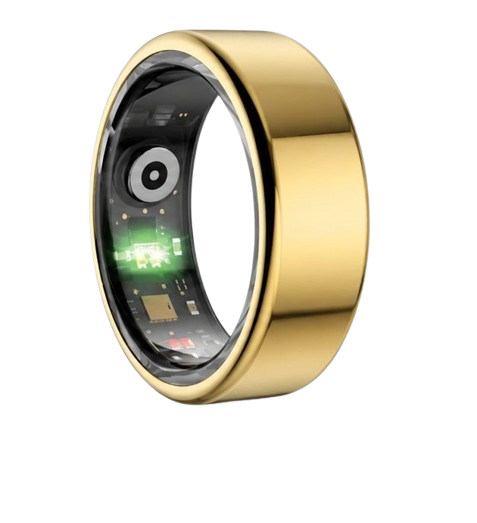
The Herz P1 Smart Ring fits comfortably on your finger to track your daily output and overnight recovery.
By using our premium fitness ring, you can ensure your body is fully prepared for progressive overload.
Discover how simple biometric tracking can elevate your performance by exploring the Herz P1 today.
90-Day 100% Money-Back Guarantee
“The Herz Smart Ring helps me manage stress easily. It’s accurate, stylish, and lightweight—perfect for my busy life!”
— Jennifer P. | ✔ Verified Customer
- ✓ 6-Day Battery Life
- ✓ Detailed Sleep Analysis
- ✓ Fast 1-Hour Charging
- ✓ iOS & Android Ready
Questions? Call: 1-866-479-1629
The Physiological Mechanisms: Why Weight Training Increases Your Metabolic Rate

To master sustainable fat loss, you must move beyond the narrow perspective of active exercise calorie burn.
Traditional aerobic cardio exercises burn calories almost exclusively while you are actively performing them.
In contrast, structured weight training for metabolism triggers a prolonged state of elevated cellular respiration.
This post-workout phenomenon is scientifically classified as Excess Post-Exercise Oxygen Consumption, or EPOC.
After a rigorous resistance session, your body requires extra oxygen to restore muscular glycogen and repair damaged fibers.
This intense restorative process demands a massive amount of cellular energy, resulting in a continuous calorie burn.
Studies show that this elevated energy state can persist for up to forty-eight hours post-workout.
Furthermore, building lean myofibrillar tissue turns your physical frame into an active metabolism tracker.
A single pound of healthy muscle tissue requires far more daily energy to maintain than a pound of fat.
By focusing on strength training and metabolism, you are permanently increasing your body’s daily energy requirement.
This resting metabolic rate elevation makes it far easier to stay in a caloric deficit without starvation.
The American Heart Association confirms that regular resistance exercise improves cardiovascular resilience and insulin sensitivity.
Using a dedicated smart ring for weight loss is an excellent way to track how your training sessions shift your baseline.
Sleep Architecture and Its Profound Impact on Fat Oxidation

The complex relationship between sleep and metabolism is a critical pillar of body composition success.
If you experience chronic sleep deprivation, your endocrine system shifts into a highly catabolic state.
Your body actively increases the production of stress hormones, specifically cortisol and inflammatory cytokines.
Elevated cortisol levels encourage muscle protein breakdown while promoting visceral fat storage around your midsection.
Additionally, sleep restriction elevates your circulating levels of ghrelin, the primary hunger hormone.
This hormonal imbalance triggers severe cravings for high-density, processed carbohydrates and simple sugars.
A lack of deep slow-wave sleep also severely limits your body’s ability to repair micro-tears in muscle tissue.
According to the National Sleep Foundation, adults need high-quality sleep to maximize cellular regeneration.
During deep sleep, your brain triggers the release of human growth hormone to repair physical stress.
If you neglect this crucial recovery window, your hard work in the gym will produce diminished physical returns.
Some fitness enthusiasts experiment with eating carbs before bed to stimulate insulin and tryptophan release.
However, tracking how these nighttime nutrition choices affect your sleep stages is crucial for progress.
By observing your overnight metrics, you can make informed adjustments to your pre-sleep habits.
A sleek, lightweight smart ring collects this vital sleep data without the irritation of a heavy smartwatch.
Recovery Metrics: Decoding Heart Rate Variability and Stress Physiology
To maintain a high metabolic rate, you must balance intense physical stress with deep physiological recovery.
Your autonomic nervous system continuously modulates between the sympathetic and parasympathetic branches.
The sympathetic branch governs your active fight-or-flight response, which drives your heavy lifting workouts.
The parasympathetic branch handles your rest-and-digest functions, which are vital for tissue rebuilding.
Heart Rate Variability, or HRV, serves as the ultimate clinical marker of this autonomic balance.
A high HRV score indicates that your parasympathetic nervous system is highly active and ready for physical stress.
Conversely, a suppressed HRV score warns that your body is still struggling to recover from cumulative stress.
If you train intensely when your HRV is low, you risk triggering chronic systemic overtraining.
Overtraining syndrome actively downregulates thyroid activity, slowing your metabolic rate to preserve energy reserves.
This is why monitoring your overnight HRV trends is just as vital as counting your training volume.
Additionally, tracking blood oxygen saturation, or SpO2, ensures your body is receiving adequate oxygenation overnight.
By tracking these subtle physiological signals, you can fine-tune your training days for maximum safety and fat loss.
Practical Application: Reading Biometric Data for Smarter Training Sessions
Monitoring your physical progress goes far beyond tracking the arbitrary number on your bathroom scale.
The Herz P1 App delivers a comprehensive, easy-to-read dashboard that decodes your daily biometrics.
Each morning, you can review your personalized Readiness Score to determine your training potential.
If your Readiness Score is exceptionally high, it is the ideal day for a heavy, metabolic lower-body workout.
If your readiness is severely depressed, you should pivot to low-intensity recovery movements or mobility work.
Our multispectral PPG sensor tracks your daily active calorie counting metrics with a high degree of precision.
This allows you to see exactly how much energy your resistance training sessions require.
Furthermore, the ultra-lightweight design of our smart ring allows for comfortable, 24/7 continuous wear.
Unlike bulky smartwatches, the Herz P1 does not pinch your wrist or distract you during dynamic lifting sessions.
This continuous skin contact ensures that your heart rate, stress levels, and recovery trends remain uninterrupted.
You can also use these biometrics to analyze complex lifestyle habits, such as testing intermittent fasting and sleep quality.
Overcoming Risks: Avoiding Common Weight-Tracking Wearable Mistakes
A highly common fitness mistake is using inappropriate or fragile equipment to track your workouts.
Many athletes wear heavy smartwatches that interfere with proper wrist extension during heavy presses.
These bulky wrist devices often require daily charging, leading to massive gaps in overnight sleep tracking.
Furthermore, many premium health trackers lock your personal biometric analysis behind expensive monthly paywalls.
This ongoing subscription model creates an unnecessary financial barrier to long-term health tracking.
The Herz P1 App is completely free for a lifetime, with zero hidden subscription fees ever required.
We firmly believe that your personal health data should belong to you without continuous rental costs.
By opting for a subscription-free model, you save hundreds of dollars over the lifespan of your wearable.
Additionally, our smart ring is constructed from military-grade steel to survive the gym floor.
This rugged construction ensures you never have to worry about scratching or cracking fragile screen components.
Frequently Asked Questions About Smart Rings and Metabolism
Is the Herz P1 Smart Ring waterproof?
Yes, the Herz P1 features a certified IP68 waterproof rating.
This standard ensures the ring is completely sealed against dust and water immersion up to fifty meters.
You can confidently wear it while washing your hands, taking a hot shower, or swimming laps in the pool.
The durable materials are fully resistant to sweat, chlorine, and mild detergents.
How long does the battery last on a single charge?
The Herz P1 Smart Ring provides up to six days of continuous tracking on a single charge.
This impressive battery life allows you to track multiple sleep cycles and workouts without interruption.
When it is time to recharge, the ring reaches one hundred percent battery capacity in under one hour.
This quick charging cycle ensures you spend minimal time with the device off your finger.
Which finger is best to wear the smart ring on?
We recommend wearing the Herz P1 on your index, middle, or ring finger for the most accurate readings.
The blood vessels in these specific fingers are closer to the skin surface, which enhances PPG sensor detection.
Ensure the inner sensor bumps maintain direct, snug contact with the underside of your chosen finger.
Avoid fingers with prominent knuckles that might cause the ring to fit too loosely at the base.
Does the Herz P1 store my health data offline?
Yes, the Herz P1 features up to seven days of local offline storage capacity.
The ring will securely record your heart rate, sleep stages, and active calories even when disconnected from your phone.
Once you open the companion app, all stored data will automatically sync and update your dashboard.
This feature is perfect for outdoor workouts or tech-free weekend trips where you want to disconnect.
Conclusion: Your Subscription-Free Wellness Journey Starts Here
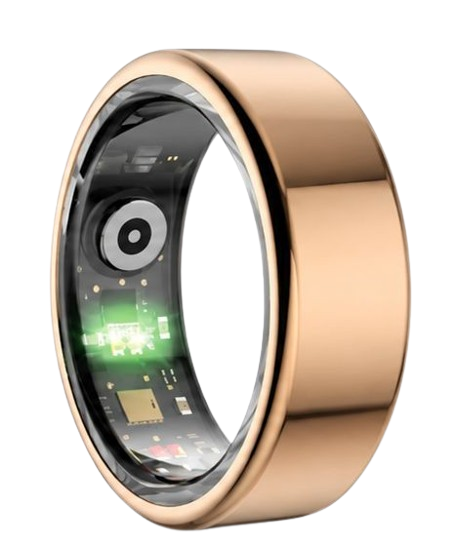
Accelerating your metabolic rate requires consistent training, deep recovery, and precise biometric tracking. The Herz P1 Smart Ring serves as your lifetime, subscription-free wellness companion to guide your fitness journey. Ready to monitor your health every day? Explore the Herz P1 Smart Ring and see if it fits your lifestyle. Call: **1-866-479-1629** — our team can help advise on your correct ring size.
