

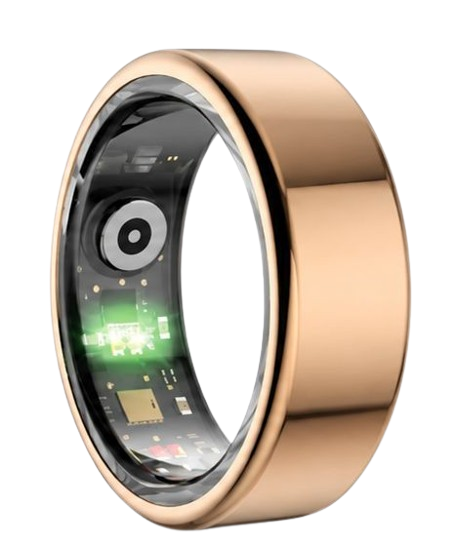
Balancing intermittent fasting and sleep is a highly effective way to optimize your circadian rhythm and build metabolic flexibility. Recent clinical sleep research shows that aligning your daily eating windows with your body’s natural clock can improve deep sleep architecture by up to fifteen percent. To seamlessly track these biometric transitions without bulky screens or costly monthly fees, the Herz P1 smart ring monitors your resting heart rate and physiological recovery signals around the clock. Let us explore the science and practical methods to synchronize your fasting schedule with deep, restorative sleep.
Built to Last. Save Up to 69% Today.
The Herz P1 Smart Ring tracks HRV, Sleep, Heart Rate & SpO2 around the clock. No subscriptions. No renewals. Ever.
In This Article
- Step-by-Step Optimization: How to program your fasting schedule to enhance nocturnal recovery.
- Fasting and Sleep Architecture: The profound physiological relationship between eating windows, growth hormone, and deep sleep.
- HRV & Autonomic Recovery: What your nocturnal heart rate variability tells you about fasting-induced stress.
- Metabolic Tracking: How wearable biometrics help you adjust dinner times and sleep stages without guesswork.
How to Sync Intermittent Fasting and Sleep Quality: A Step-by-Step Guide
Prerequisites & What You Will Need
To master the connection between intermittent fasting and sleep, you must build a structured environment for tracking.
You need a clear daily eating schedule, structured hydration targets, and a precise biometric sensor.
A continuous physiological tracker will help you answer the core question: does fasting help you sleep or does it cause nocturnal disruptions?
Before beginning, choose a standard fasting template like the popular sixteen-eight model.
Prepare to document your physical sensations, evening hunger cues, and wakefulness scores over a two-week period.
Step-by-Step Instructions
-
Step 1: Choose Your Fasting Window Strategically
Align your daily eating window so that it closes at least three to four hours before your target bedtime.
This gap allows your stomach to empty and prevents blood flow from being diverted primarily to digestion while you sleep.
If you plan to sleep at ten o’clock in the evening, your last bite of food should be consumed no later than six o’clock.
This early dinner window ensures your body can focus on cellular repair rather than processing complex macronutrients.
Avoiding late meals also helps lower your nocturnal core body temperature, which is a vital trigger for deep sleep transition.
-
Step 2: Track Your Overnight Heart Rate Drop
Observe your heart rate trends during the first half of the night to evaluate if your fasting window is long enough.
A late meal causes your heart rate to remain elevated for hours as your digestive system works under stress.
When you fast effectively before bed, your resting heart rate should dip to its lowest point early in the sleep cycle.
If your heart rate does not drop until early morning, your body is struggling to manage digestive workloads while trying to rest.
Adjust your eating window thirty minutes earlier each day until you notice a quick, healthy decline in your sleep heart rate curve.
-
Step 3: Align Hydration and Electrolyte Timing
Consuming too much water close to bedtime to offset fasting hunger will disrupt your sleep with frequent bathroom trips.
Concentrate your fluid intake during the morning and afternoon hours while tapering your water consumption after sunset.
If you experience evening leg cramps or headaches during your fast, add a tiny pinch of clean sea salt to your afternoon water.
This minor adjustment provides vital trace minerals without triggering an insulin response or breaking your metabolic fast.
Never rely on a sugary snack before bed to settle your stomach, as this will instantly stop your metabolic progress.
-
Step 4: Optimize Dinner Macronutrient Composition
The final meal of your eating window should emphasize slow-digesting proteins, healthy fats, and complex fibrous vegetables.
Avoid highly processed carbohydrates or refined sugars that lead to rapid insulin spikes followed by nocturnal glucose crashes.
A severe drop in blood sugar during the night triggers cortisol release, which wakes you up in a state of sudden anxiety.
If you find that fasting completely before bed makes you too restless to sleep, look up healthy bedtime snack recipes for better sleep.
Keep these small snacks strictly protein or fat-based, such as a tablespoon of unsweetened almond butter, to minimize metabolic impact.
-
Step 5: Monitor Your HRV and Sleep Stages
Evaluate your overnight biometrics daily to see how fasting influences your physiological recovery and sleep stages.
A higher heart rate variability score indicates that your parasympathetic nervous system is actively promoting deep healing.
Track your light, deep, and REM sleep phases to ensure your fasting periods are not causing stress-induced micro-arousals.
If your sleep quality declines after consecutive fasting days, it means your current fasting window is too restrictive.
Listen to your biometrics and scale back your fasting duration temporarily to allow your nervous system to stabilize.
How the Herz P1 Smart Ring Supports Your Journey
Successfully managing intermittent fasting and sleep requires precise, stress-free bio-tracking.
The Herz P1 Smart Ring continuously tracks your metrics using an advanced multi-wavelength optical sensor array.
It measures your sleep stages, heart rate variability, and oxygen saturation without the need for an annoying monthly subscription.
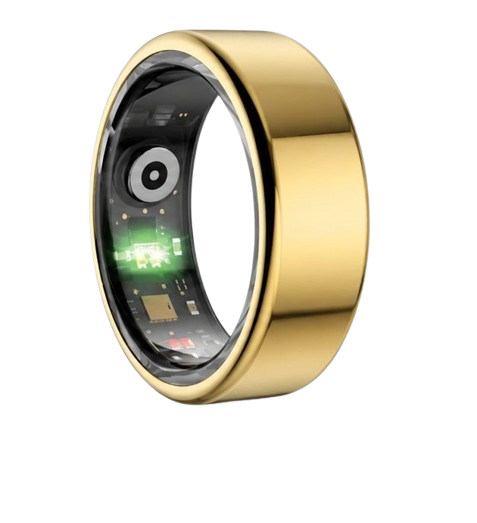
The military-grade steel construction and featherlight profile make it incredibly comfortable to wear all night long.
By reviewing your daily data in our free companion app, you can easily find the exact hour to end your dinner for peak physical recovery.
90-Day 100% Money-Back Guarantee
“The Herz Smart Ring helps me manage stress easily. It’s accurate, stylish, and lightweight—perfect for my busy life!”
— Jennifer P. | ✔ Verified Customer
- ✓ 6-Day Battery Life
- ✓ Detailed Sleep Analysis
- ✓ Fast 1-Hour Charging
- ✓ iOS & Android Ready
Questions? Call: 1-866-479-1629
How Fasting Alters Sleep Architecture: REM, Deep Sleep, and Core Temperature Dynamics

The Core Temperature Trigger and Deep Sleep Progression
Your body must lower its internal core temperature by about one degree Celsius to fall asleep easily.
Digesting a heavy, late meal draws warm blood directly to your digestive organs, which raises your core temperature.
This heat delay keeps you in light sleep and shortens your slow-wave deep sleep window.
According to the National Sleep Foundation, deep sleep is the vital phase where physical tissues heal and hormones balance.
By moving your last meal earlier, you allow your core temperature to decline naturally before your head hits the pillow.
This adjustment helps you enter the deep sleep phase much faster and extends your recovery periods.
Understanding the link between sleep and metabolism is crucial for sustainable daily wellness.
Using a reliable metabolism tracker can show you exactly how these nighttime temperature shifts occur.
Fasting-Induced Growth Hormone Pulses and Cellular Renewal
Short-term fasting triggers a significant rise in natural human growth hormone production.
The majority of this growth hormone is released during your first long stretch of slow-wave sleep.
When you keep insulin levels low by fasting before bed, you maximize this natural hormone release.
Growth hormone promotes rapid cellular repair, muscle recovery, and efficient fat burning throughout the night.
If insulin is high from a late sugary snack, growth hormone release is heavily suppressed.
This hormonal conflict leaves you feeling physically tired and unrefreshed when you wake up in the morning.
A smart ring will help you identify if your sleep cycles are successfully facilitating this restorative phase.
Fasting and Your Autonomic Nervous System: Deciphering the Intermittent Fasting HRV Score

Understanding Parasympathetic Activation and Sleep Recovery
Your heart rate variability score represents the balance between your sympathetic and parasympathetic nervous systems.
The parasympathetic branch, or the rest-and-digest system, should dominate your biometric profile while you sleep.
A higher nocturnal HRV score means your body is resting deeply and recovering from daily physical stress.
Fasting naturally lowers your resting heart rate and boosts parasympathetic activity when your digestion is complete.
However, if you fast for too long, your body might view the lack of food as an environmental stressor.
This survival response triggers cortisol and adrenaline, which lowers your HRV and disrupts sleep.
Finding your personal sweet spot is essential to balance fasting and hrv for consistent physical recovery.
Maintaining a balanced approach is key to protecting your long-term metabolic health.
Deciphering Sympathetic Stress Spikes and Wakeful Episodes
If you wake up frequently during your fasting window, your body may be experiencing midnight glucose drops.
When your liver runs low on stored glycogen, your brain releases stress hormones to mobilize alternative energy sources.
This hormonal shift activates your sympathetic nervous system and pulls you out of deep, restorative sleep.
According to the American Heart Association, chronic sympathetic activation can strain your cardiovascular system over time.
Monitoring your overnight stress trends will reveal if your fasting schedule is causing unwanted physical tension.
A sudden drop in your sleep score is a clear sign that you need to extend your eating window slightly.
Adjusting your daily calorie intake will help prevent these nighttime stress responses from ruining your sleep.
Leveraging Smart Ring Insights to Refine Your Metabolic Circadian Rhythm
How to Interpret Daily Sleep and HRV Data in the Herz P1 App
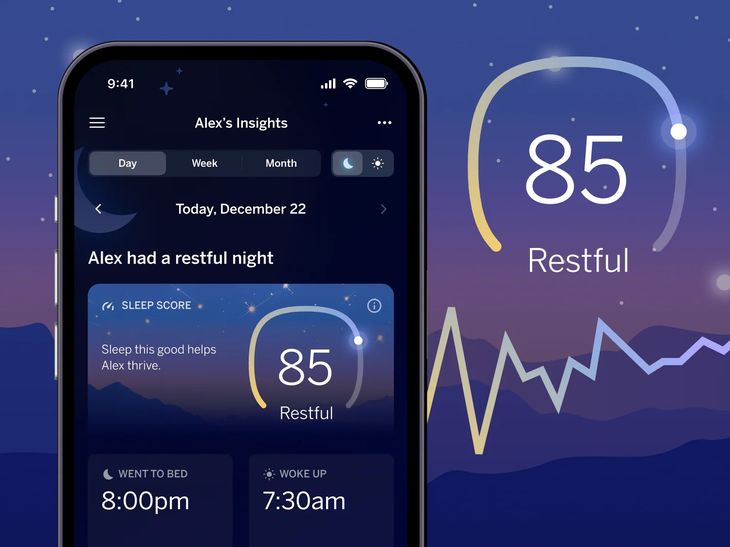
The free Herz P1 companion app provides a clear, detailed breakdown of your sleep stages and autonomic recovery.
Every morning, check your Sleep Score to evaluate your deep sleep duration and sleep onset latency.
Look at your HRV trend graph to confirm that your autonomic nervous system settled into a relaxed state.
If your average HRV is higher than your baseline, your body has adapted well to your fasting window.
If your heart rate remained elevated, your previous dinner was likely eaten too late or contained too many simple sugars.
Use these simple visual insights to adjust your eating schedule without guessing about your internal health.
Customizing Fasting Windows Based on Overnight Bio-Trends
Everyone has a unique physiological response to time-restricted eating and sleep schedule adjustments.
Instead of following rigid internet templates, use your personal biometric trends to guide your fasting routine.
If your deep sleep is optimal but your REM sleep is low, consider moving your eating window slightly earlier.
If your heart rate drops quickly but your sleep is fragmented, try adding healthy fats to your final dinner.
The comfort of a lightweight, screen-free smart ring allows you to collect highly accurate data every single night.
This continuous tracking helps you build a highly personalized wellness plan that supports your physical health.
Avoiding Common Pitfalls in Fasting and Sleep Tracking
The Discomfort of Bulky Smartwatches and the Subscription Trap
Wearing a heavy, bulky smartwatch to bed can irritate your wrist and disrupt your natural sleep movements.
Large digital screens can also light up accidentally during the night, which immediately disturbs your REM cycles.
Additionally, many premium wearable brands require expensive monthly app subscriptions to view your basic biometric data.
These ongoing fees quickly inflate the overall cost of tracking your daily wellness progress.
The Herz P1 Smart Ring solves this problem by offering clinical-grade tracking with zero hidden monthly fees.
Our completely free app ensures you always have unlimited, lifetime access to your sleep and heart rate trends.
Balancing Hydration and Overcoming Sleep-Disrupting Hunger Cues
New practitioners often drink massive amounts of water in the evening to suppress natural fasting hunger.
This habit overburdens your kidneys and forces you to wake up multiple times to use the bathroom.
Instead, focus on drinking plenty of water during the day and tapering your intake as bedtime approaches.
If evening hunger makes it hard to fall asleep, try sipping warm, caffeine-free herbal tea like chamomile.
This simple habit relaxes your central nervous system without breaking your metabolic fast.
Frequently Asked Questions About Intermittent Fasting and Sleep
Yes, the Herz P1 features a certified IP68 waterproof rating that supports depths up to 164 feet.
You can safely wear the ring while showering, swimming in pools, or washing your hands throughout the day.
The durable outer shell ensures that water exposure will never disrupt your continuous biometric tracking.
The energy-efficient battery lasts for up to six days of continuous use on a single charge.
When the battery runs low, the ring charges fully in under one hour using the included magnetic charging dock.
This long-lasting battery life ensures you never miss vital sleep stage or heart rate data.
For the highest optical sensor accuracy, we recommend wearing the ring on your index, middle, or ring finger.
These fingers have optimal blood vessel density near the skin, which helps the sensors read your pulse clearly.
Ensure the inner sensor bump rests comfortably against the palm side of your finger for a secure fit.
Yes, the ring features local memory that securely stores up to seven days of biometric data offline.
You do not need to keep your smartphone nearby or leave your Bluetooth on while you sleep.
Once you open the app, your stored sleep and heart rate data will automatically sync to your dashboard.
Conclusion: Unlock Your True Sleep Potential Today
Synchronizing your diet and rest will help you achieve a healthier metabolic state.
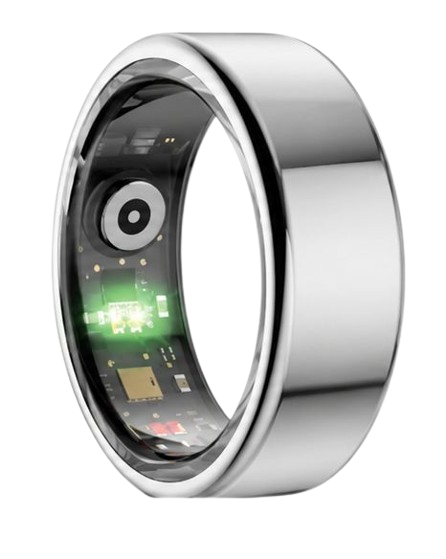
The Herz P1 Smart Ring is your ideal, subscription-free health tracker for continuous bio-insights.
Ready to monitor your health every day? Explore the Herz P1 Smart Ring and see if it fits your lifestyle. Call: 1-866-479-1629 — our team can help you advise on the correct ring size and set personalized health goals.
Note: Individual results may vary depending on individual health conditions, age, and lifestyle habits. This article is intended for general health reference purposes only.
