

Your morning routine sets the tone for your entire day, yet tweaking your alarm snooze duration can disrupt your natural sleep architecture and leave you feeling completely exhausted. Clinical sleep studies indicate that fragmented wake-up sequences directly elevate heart rate volatility and trigger prolonged morning groggy states. By tracking your body signals with the premium, subscription-free Herz P1 smart ring, you can easily identify how customized sleep intervals affect your daily physical recovery and long-term health metrics.
Built to Last. Save Up to 69% Today.
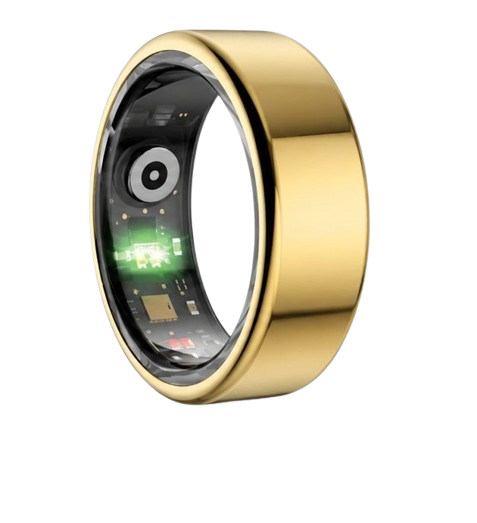
The Herz P1 Smart Ring tracks HRV, Sleep, Heart Rate & SpO2 around the clock. No subscriptions. No renewals. Ever.
In This Article
- How snooze duration actively alters sleep staging and triggers cognitive deficits.
- The neurobiological mechanisms of sleep inertia and autonomic nervous stress.
- Practical strategies to optimize your waking patterns using smart biometric rings.
- A direct comparison between bulky tracking watches and sleek smart rings.
Does Your Snooze Duration Actually Destroy Your Morning Energy? Here Is What Science Says

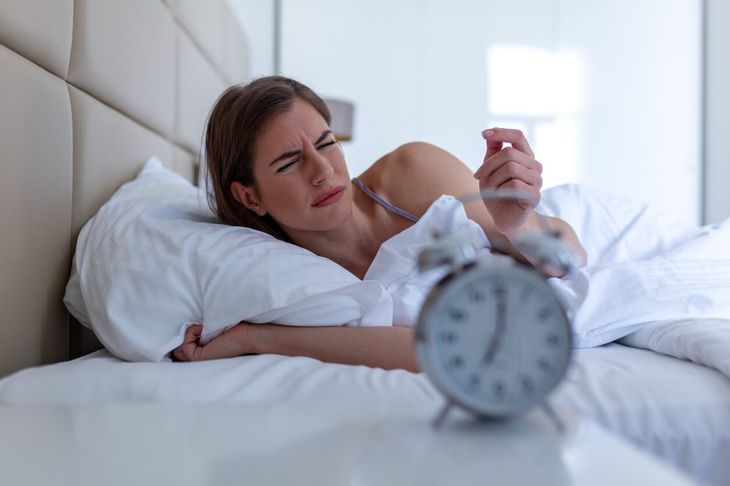
Snoozing your alarm disrupts your body’s natural waking sequence.
To understand this phenomenon, we must explore the 5W2H physiological framework.
What: Defining Snooze Duration and Sleep Fragmentation
The term snooze duration refers to the precise time interval between your initial morning alarm and the moment you finally exit your bed.
Most traditional alarm clocks default to a nine-minute snoozing interval.
This delay is historically rooted in mechanical clock gear designs from the mid-twentieth century.
Modern sleep science shows that selecting an arbitrary best snooze time can severely fragment your rest.
This habit causes you to slip back into an unstable, low-quality state of sleep.
In sleep research, this state is defined as sleep fragmentation.
Sleep fragmentation prevents your body from completing a natural sleep cycle.
It places your brain in a state of neurochemical confusion.
Who: Who is Most Affected by Alarm Snoozing?
This practice primarily affects busy working professionals, shift workers, and sleep-deprived individuals.
People who frequently struggle with waking up tired are the most likely to repeatedly hit the snooze button.
This pattern often signals a chronic sleep deficit or underlying circadian rhythm misalignment.
Younger adults aged twenty-five to forty-five report the highest frequency of morning alarm delay habits.
These individuals are often balancing demanding work schedules with rich social lives.
As a result, they experience high levels of social jetlag.
This social jetlag amplifies the reliance on morning alarms.
When: The Critical Window of Circadian Transitions
Alarm snoozing occurs during the final hour of your natural sleep cycle.
This early morning period is when your body naturally transitions from deep rest to active alertness.
During this window, your brain is highly sensitive to external auditory stimuli.
Interrupting this crucial transitional phase repeatedly can trap you in a cycle of morning fatigue.
Your brain naturally prepares for waking up up to two hours before you actually open your eyes.
It does this by gradually raising your core body temperature.
It also slowly decreases the production of melatonin, your natural sleep hormone.
Snoozing interrupts this natural temperature curve, causing physiological stress.
Where: The Physiological Impact on the Brain
The battle between sleeping and waking takes place within your central nervous system.
Specifically, the prefrontal cortex suffers the most from sleep fragmentation.
When you wake up abruptly, your brain does not immediately activate all cognitive centers.
This leaves you with a distinct groggy feeling that can persist for several hours.
The prefrontal cortex is responsible for decision-making, executive function, and self-control.
When this area is sluggish, you are more likely to make poor decisions throughout the morning.
You may find it harder to concentrate on complex tasks.
You might also experience increased irritability and anxiety.
Why: The Biological Reason Behind the Craving to Sleep
Your body craves extra sleep because your sleep architecture has been disrupted.
Hitting the snooze button acts as a temporary psychological comfort mechanism.
However, this habit initiates a new sleep cycle that your brain has no time to complete.
This incomplete cycle is the biological reason why you feel like you have no energy in the morning.
Your brain requires continuous blocks of time to navigate sleep stages successfully.
A typical sleep cycle lasts approximately ninety to one hundred and twenty minutes.
Trying to pack a sleep cycle into a tiny ten-minute window is biologically impossible.
This impossible demand leaves your neural networks in a state of suspended animation.
How: The Mechanical Disruption of Sleep Stages
When the first alarm rings, your body experiences a spike in cortisol and heart rate.
By falling back asleep, you force your body to reverse this natural waking preparation.
Your brain attempts to plunge back into deep or REM sleep stages rapidly.
The subsequent alarms pull you out of these stages aggressively, compounding your fatigue.
This rapid cycling between sleep and wakefulness is highly unnatural.
It causes a major mismatch between your internal clock and external environment.
This mismatch is known to sleep scientists as circadian misalignment.
It leads to a chronic state of exhaustion that coffee cannot easily cure.
How Much: The Quantitative Impact of Snoozing
Research from the National Sleep Foundation reveals that snoozing for more than ten minutes increases wake-up difficulty.
Physiological data shows that sleep fragmentation can extend sleep inertia symptoms by up to four hours.
Studies indicate that daily snoozers experience a significant drop in cognitive performance during their first working hours.
This habit can lower your morning focus level by nearly thirty percent.
It also causes unnecessary spikes in resting heart rate throughout the waking period.
These heart rate spikes can add unnecessary stress to your cardiovascular system over time.
This stress can gradually lower your daily heart rate variability scores.
The Ultimate Tracking Solution
If you want to track how these morning behaviors affect your body in real time, the Herz P1 Smart Ring monitors your vitals twenty-four hours a day.
This sleek device measures your heart rate variability and sleep stages with clinical-grade accuracy.
You can use this objective data to finally discover how to wake up early and not feel tired.
By reviewing your personalized daily dashboard, you can see the immediate physiological consequences of your sleep habits.
Take charge of your mornings and explore the Herz P1 Smart Ring here.
90-Day 100% Money-Back Guarantee
“The Herz Smart Ring helps me manage stress easily. It’s accurate, stylish, and lightweight—perfect for my busy life!”
— Jennifer P. | ✔ Verified Customer
- ✓ 6-Day Battery Life
- ✓ Detailed Sleep Analysis
- ✓ Fast 1-Hour Charging
- ✓ iOS & Android Ready
Questions? Call: 1-866-479-1629
The Neurobiology of Sleep Inertia and Alarm Snoozing
Waking up is not an instantaneous biological event.
It is a highly regulated, gradual physiological transition.
During a normal waking sequence, your core body temperature rises steadily over several hours.
At the same time, your brain releases a surge of cortisol to promote alertness.
This hormone spike is widely known as the cortisol awakening response.
When you utilize multiple alarms, you severely disrupt this delicate chemical balance.
Your body is forced to repeatedly toggle between deep sleep and sudden wakefulness.
This biological whiplash is the primary cause of being exhausted in the morning.
According to research from the National Sleep Foundation, this disruption can severely damage your daily productivity.
The brain requires continuous, uninterrupted sleep stages to complete its restorative work.
The final sleep stage of the night is typically rich in Rapid Eye Movement sleep.
REM sleep is critical for memory consolidation and emotional regulation.
When you experience fragmented REM cycles, your brain cannot process daily information efficiently.
This fragmentation often leaves you feeling tired after waking up.
The brain also struggles to clear out accumulated adenosine during fragmented waking cycles.
Adenosine is a natural chemical compound that builds up in your brain during waking hours.
It creates what sleep experts call sleep pressure, making you feel tired.
A complete night of deep sleep is required to clear this adenosine accumulation completely.
Snoozing prevents this clearance, trapping the chemical in your cerebral tissue.
This biological trapping keeps you in a persistent state of morning lethargy.
The Herz P1 Smart Ring tracks your exact sleep architecture to show when you are in REM or deep sleep.
By viewing this diagnostic data, you can pinpoint the exact moment your sleep was disrupted.
Decoding Heart Rate Variability (HRV) and Autonomic Stress During Waking Transitions
Your autonomic nervous system controls your transitions between sleep and wakefulness.
This system consists of two primary branches: the sympathetic and parasympathetic nervous systems.
The parasympathetic branch keeps your heart rate low and your body relaxed during sleep.
As morning approaches, your sympathetic nervous system should naturally take control.
This shift increases your heart rate and prepares your muscles for movement.
However, an abrupt alarm causes a sudden surge in sympathetic activity.
This rapid spike triggers a physiological stress response.
The American Heart Association notes that sudden waking stress can temporarily elevate blood pressure.
Repeatedly triggering this stress response through snoozing strains your cardiovascular system.
This stress can be directly measured through your Heart Rate Variability levels.
HRV measures the variation in time intervals between consecutive heartbeats.
A high HRV score indicates a resilient, well-recovered autonomic nervous system.
Conversely, a low HRV score suggests high levels of physical or mental stress.
The Herz P1 Smart Ring tracks your HRV levels every five minutes with incredible precision.
This high-frequency sampling allows you to see how your waking habits affect your nervous system’s recovery.
By optimizing your waking routine, you can protect your heart health and improve your morning energy.
Many users do not realize that their morning heart rate spikes are linked to alarm habits.
By studying their daily HRV trends, they discover that a single alarm leads to a calmer cardiovascular profile.
This simple habit change can improve your daily recovery score by fifteen percent.
The Herz P1 App displays these trends in clear, simple charts that require no scientific background to understand.
You can easily spot patterns over weeks and months, tracking your gradual improvement.
How to Use Herz P1 Data to Build a Seamless Waking Routine

Transforming your morning energy requires a data-driven approach to sleep hygiene.
The Herz P1 companion app provides all the metrics you need to analyze your rest.
First, examine your daily Sleep Score to understand the overall quality of your recovery.
Look closely at your deep sleep and REM sleep ratios each morning.
If your deep sleep is consistently low, consider adjusting your bedtime environment.
Next, monitor your overnight Blood Oxygen Saturation levels.
Consistent oxygen levels indicate healthy, unobstructed breathing throughout the night.
The Herz P1 measures these vital metrics using a highly sensitive optical sensor array.
Because the ring is incredibly lightweight and ergonomic, you will barely feel it on your finger.
This makes it far more comfortable for overnight wear than any traditional smartwatch.
To eliminate the need for snoozing, establish a consistent sleep and wake schedule.
Set your primary alarm for the actual time you need to get out of bed.
Place your alarm device across the room to force yourself to stand up immediately.
Once you are awake, expose your eyes to natural sunlight as soon as possible.
This exposure helps stop melatonin production and reinforces your natural circadian rhythm.
Over time, you will notice your morning HRV scores rise as your body adapts to this routine.
Using the Herz P1 Smart Ring allows you to gamify your sleep recovery.
You can set goals to maintain a sleep consistency rating above eighty percent.
The app will celebrate your milestones without bothering you with annoying notifications.
This soft, proactive feedback loop helps build healthy habits that last a lifetime.
You can also share your reports with your trainer, doctor, or family members easily.
Smart Ring vs. Bulky Smartwatch: Overcoming Common Sleep Tracking Obstacles
Many people attempt to track their sleep using traditional smartwatches.
However, wearing a bulky, heavy device on your wrist can actually disrupt your sleep.
The hard edges of a watch can catch on your sheets or press uncomfortably against your skin.
Furthermore, most smartwatches require daily charging, meaning you must plug them in overnight.
This charging requirement creates frequent gaps in your weekly sleep data.
A sleek smart ring solves all of these comfort and convenience problems.
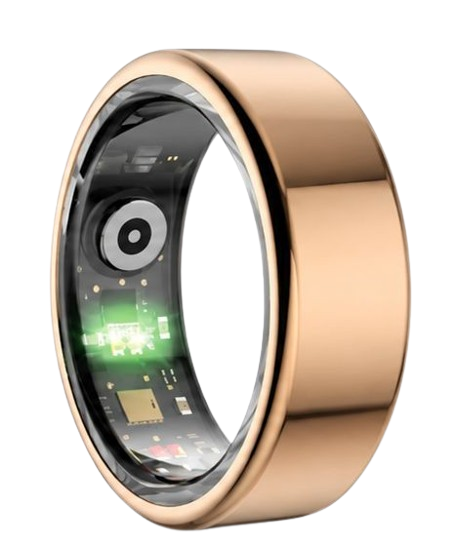
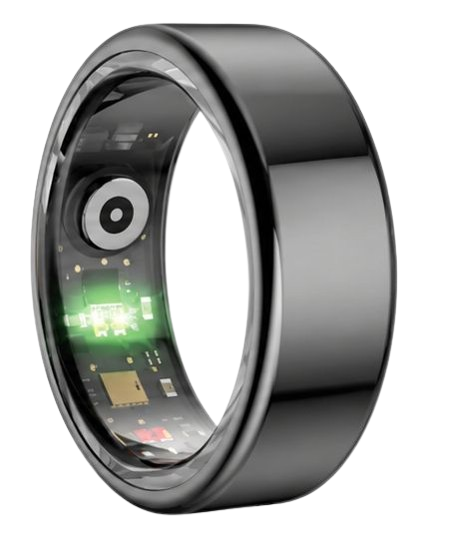
The Herz P1 Smart Ring is crafted from ultra-durable, military-grade steel.
It is completely waterproof and designed to withstand the rigors of daily life.
You can wear it in the shower, pool, or gym without worrying about scratches or moisture damage.
The battery lasts up to six full days, charging to completion in under an hour.
Another major obstacle in the wearable market is the hidden cost of software subscriptions.
Several premium brands require you to pay an ongoing monthly fee to access your own biometric data.
We believe that you should never have to pay a subscription to view your personal health metrics.
The Herz P1 companion app is completely free for lifetime use with zero hidden charges.
You purchase the hardware once and enjoy full access to all data updates and tracking features forever.
This straightforward pricing structure makes high-end health tracking accessible to everyone.
It eliminates the anxiety of recurring bills and complex software paywalls.
You own your device, and you own your personal biological data completely.
Frequently Asked Questions About the Herz P1 Smart Ring
Is the Herz P1 Smart Ring waterproof?
Yes, the Herz P1 is fully IP68 waterproof and rated for depths up to one hundred and sixty-four feet.
You can safely wear it while swimming, showering, washing your hands, or sitting in a hot tub.
The military-grade steel construction ensures that moisture and water pressure will not damage the internal sensors.
This allows you to maintain continuous physiological tracking during all water activities.
How long does the Herz P1 battery last on a single charge?
The battery lasts up to six days under normal, continuous tracking conditions.
It utilizes advanced low-energy components to maximize tracking time between charges.
When the battery is depleted, it charges fully in less than one hour using the magnetic cradle.
This fast-charging capability ensures you never have to miss a night of sleep tracking.
Which finger is best to wear the smart ring on?
For the most accurate biometric readings, we recommend wearing the ring on your index finger.
The middle finger and ring finger are also excellent secondary choices.
Ensure the optical sensor bumps are positioned securely on the palm side of your hand.
This positioning allows the sensors to access the densest capillary network for clear optical readings.
Does the Herz P1 store data offline if my phone is not nearby?
Yes, the ring has secure onboard memory that stores up to seven days of local biometric data.
You do not need to keep your smartphone next to your bed while you sleep.
The next time you open the app, your sleep and heart rate data will sync automatically.
This allows you to enjoy a completely distraction-free, screen-free sleeping environment.
Conclusion: Your Subscription-Free Wellness Journey Starts Here
Optimizing morning alertness starts with understanding your unique sleep patterns. The subscription-free Herz P1 Smart Ring delivers continuous biometric insights to help you eliminate snoozing. Ready to monitor your health daily? Explore the Herz P1 Smart Ring today. Call: **1-866-479-1629** — our team can advise on the correct ring size and set personalized health goals.
Note: Individual results may vary depending on individual health conditions, age, and lifestyle habits. This article is intended for general health reference purposes only.
