

Finding the best sleep position to increase oxygen levels is a critical first step toward revitalizing your physical health and waking up fully energized every morning. By adjusting your nocturnal posture, you can keep your airways open, optimize gas exchange, and actively prevent overnight desaturations. The sleek Herz P1 smart ring monitors these exact blood oxygen changes silently as you rest, providing a continuous, data-informed picture of your respiratory recovery.
In This Article
- Airway Optimization: Discover how side-sleeping positions physically open your respiratory tract to maximize oxygen saturation.
- Device Showdown: A transparent evaluation of top wearable devices compared directly against the subscription-free Herz P1.
- Anatomical Science: Learn the neurological and gravitational mechanisms that cause blood oxygen levels to fluctuate while you sleep.
- Tracking Application: Real-world protocols to translate smart ring data trends into restorative, high-quality sleep habits.
The 3 Best Wearable Devices for Tracking Sleep Quality: Ranked & Reviewed
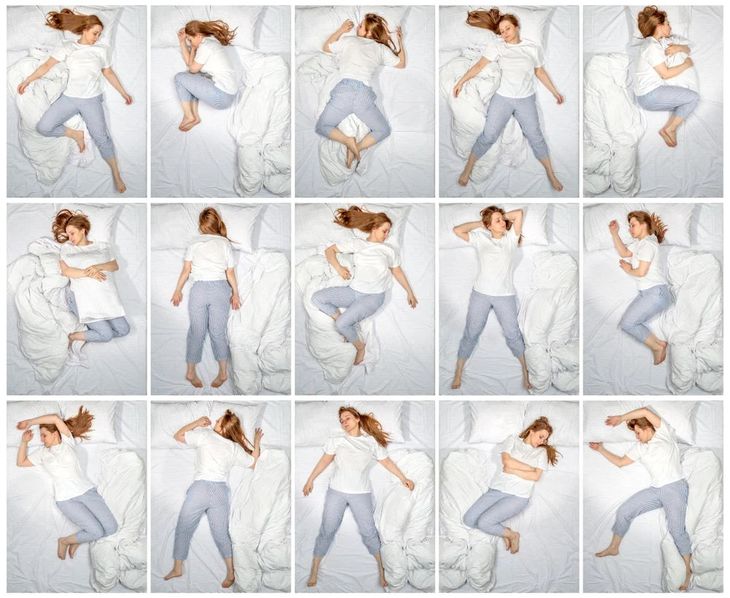
Monitoring your overnight respiratory wellness requires a reliable biometric device that tracks your vital signs continuously.
Modern consumers have moved away from bulky medical machinery toward convenient wrist-worn and finger-worn sensors.
Understanding how your body handles oxygen throughout the night is impossible without high-precision, long-term tracking.
Let us review three popular consumer wearable options currently dominating the health-tracking market.
1. Oura Ring Gen 3
The Oura Ring Gen 3 is a highly regarded finger-worn tracker that monitors your sleep stages and heart rate variability.
It does an excellent job of delivering highly detailed, aesthetic charts that summarize your daily activity and readiness scores.
This ring is best for individuals who want a sleek, lightweight titanium piece that blends seamlessly with fine jewelry.
However, Oura locks your complete historical data behind a mandatory monthly app subscription fee of $5.99.
If you cancel the membership, you lose access to detailed overnight oxygen trends and advanced biometric breakdowns.
Our team believes that once you buy a premium hardware tracking device, you should own your personal health data for life.
2. Apple Watch Series 10
The Apple Watch Series 10 provides excellent, multi-functional health tracking including overnight blood oxygen monitors and on-demand ECGs.
It operates beautifully within the iOS ecosystem and is perfect for tech enthusiasts who want notifications right on their wrist.
Its main limitation is the short battery life, which rarely exceeds 18 to 36 hours under consistent daily usage.
This frequent charging loop forces many users to charge the watch overnight, causing significant tracking gaps during sleep.
Additionally, the bulky, square design of a smartwatch can press uncomfortably into your skin as you shift positions in bed.
A smart ring offers a far more comfortable, lightweight alternative that remains unnoticeable throughout the night.
3. Whoop Strap 4.0
The Whoop Strap 4.0 is a screen-free fabric band designed specifically for high-intensity athletic training and recovery tracking.
It calculates your daily cardiovascular strain and sleep debt to help you plan your workouts with elite precision.
It is best for competitive athletes who want deep, mathematical models of metabolic stress and muscular recovery.
Unfortunately, you cannot buy the Whoop strap outright, as it requires a continuous, expensive annual subscription model.
The fabric strap also absorbs sweat and water, which can irritate the skin if it is not washed and dried regularly.
The Herz P1 smart ring solves these issues by offering an allergen-free, medical-grade steel build with zero ongoing monthly fees.
To help you see the complete picture, our team has compiled this direct comparison of key attributes.
| Attribute | Herz P1 Smart Ring | Oura Ring Gen 3 | Apple Watch Series 10 | Whoop Strap 4.0 |
|---|---|---|---|---|
| Monthly Subscription Fee | $0 (Free App For Life) | $5.99 / Month | $0 | $30 / Month (Membership Required) |
| Battery Life | 6 Days | 5 to 7 Days | 18 to 36 Hours | 4 to 5 Days |
| Material & Comfort | Military-Grade Steel (Lightweight) | Titanium | Bulky Aluminum/Steel Case | Fabric Strap |
| Waterproof Rating | IP68 (Up to 164 Feet) | IPX8 | 50 Meters WR | IP68 |
| Warranty Period | 2-Year Full Warranty | 1-Year Warranty | 1-Year Warranty | 1-Year Warranty |
| Money-Back Guarantee | 90 Days | 30 Days | 14 Days | 30 Days |
If you want a highly durable, subscription-free device to track your nocturnal recovery, you can explore the Herz P1 Smart Ring today.
How Gravity Shapes Your Airway and Blood Oxygen Saturation Nightly
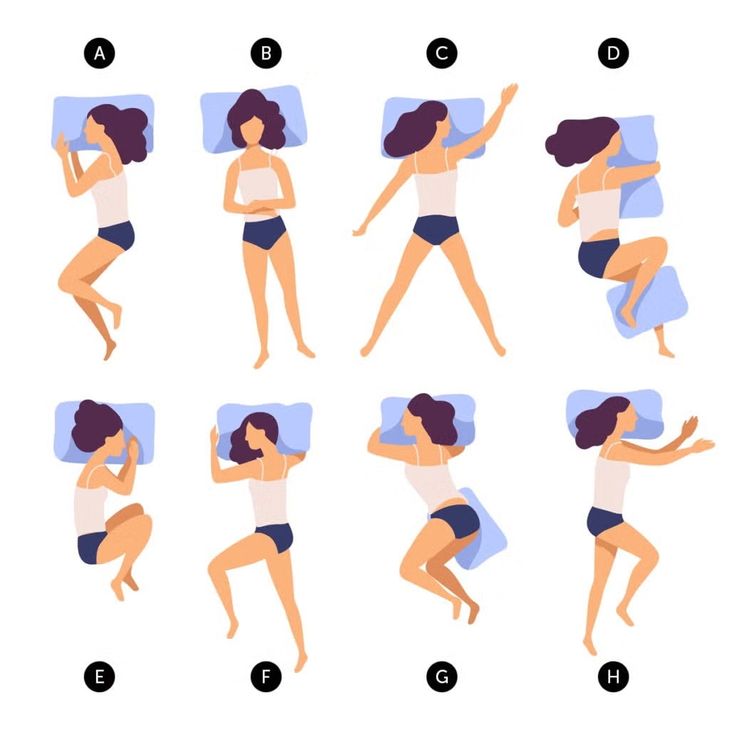
Your physical orientation on the mattress plays a massive role in how effortlessly oxygen travels into your bloodstream.
When you enter deep sleep stages, your brain signals the muscles of your tongue, throat, and soft palate to relax fully.
In a supine position, gravity pulls these relaxed tissues straight backward toward the rear wall of your pharynx.
This anatomical movement creates a physical narrowing of the airway, resulting in turbulent airflow and loud snoring vibrations.
For individuals with narrow airways, this throat collapse can lead to complete breathing blockages that drop blood oxygen levels.
These temporary drops, known as hypoxia, trigger a stress response in your brain, forcing you to wake up briefly to gasp for air.
While you might not remember these quick micro-arousals, they segment your sleep and prevent you from entering deep recovery.
Clinical studies conducted by the National Sleep Foundation confirm that your posture dictates your respiratory stability.
Adopting the best sleep position to increase oxygen levels can keep your airway wide open with minimal physical resistance.
By moving onto your side, you allow gravity to pull your tongue and soft tissues forward and away from the back of the throat.
This lateral orientation stabilizes your breathing patterns and keeps your arterial oxygen saturation in a healthy, consistent range.
The Disadvantages of Lying Supine During Sleep
Let us closely examine why resting flat on your back can cause significant breathing issues during the night.
Health specialists often warn patients about the physical disadvantages of sleeping on your back if they struggle with snoring.
When you are supine, your lungs must work much harder to expand against the weight of your chest wall and abdominal tissues.
This added resistance reduces your tidal volume, meaning you draw in less fresh oxygen with each automatic breath.
Many back sleepers fall into the popular starfish position, resting flat with their hands raised near their head.
While this posture can keep your spine relatively neutral, it does nothing to prevent gravity from blocking your throat tissue.
Similarly, simply sleeping straight on your back without head elevation can cause your SpO2 levels to drop systematically.
These recurring desaturations put high oxidative stress on your cardiovascular system, forcing your heart rate to spike.
By tracking your sleep continuously, you can identify if back sleeping is secretly damaging your overnight recovery quality.
The Herz P1 smart ring tracks your blood oxygen levels every few minutes, mapping out exactly when these desaturations occur.
Anatomical Benefits of Side Sleeping and Alternative Postures
Shifting your body onto its side provides an effective, highly recommended sleeping position for breathing problems.
The classic fetal position sleep involves curling comfortably on your side with your knees bent up toward your chest.
This natural posture helps reduce physical tension in your lower lumbar spine while keeping your windpipe fully open.
However, you must avoid curling too tightly, as compressing your chest can restrict your diaphragm and limit lung volume.
Keep your neck and back in a relatively straight line to allow your lungs to expand to their maximum capacity.
Some people experiment with sleeping with knees up while resting flat on their mattress.
While this posture can soothe tight hip flexors, it does not prevent the airway blockages associated with supine sleeping.
Others look into the figure 4 sleeping position meaning, where one leg is bent outward to stabilize the pelvis.
You can use this asymmetrical leg posture on your side to prevent your body from accidentally rolling back onto your spine.
In contrast, lying on stomach can occasionally prevent the tongue from sliding back into the airway.
However, stomach sleeping forces you to keep your neck turned sharply for hours, causing neck strain and restricting blood flow.
Ultimately, lateral side sleeping remains the most effective, anatomically sound way to keep your blood oxygen levels high.
Practical Guide to Optimizing Sleep Posture and Airway Alignment

Adopting a new sleeping position takes physical training, structural support, and consistent nightly habits.
Your body naturally wants to roll back into familiar postures during the deeper stages of unconscious sleep.
To prevent this, you can place a long, supportive body pillow along your back to act as a gentle physical barrier.
If your body attempts to roll onto its spine, the pillow will keep you safely propped on your side.
You should also place a medium-firm pillow between your knees to balance your hips and relieve pressure on your lower joints.
To optimize airflow, use an ergonomic head pillow that keeps your cervical spine perfectly aligned with your middle back.
A pillow that is too thick will bend your neck forward, while a pillow that is too thin will let your head drop backward.
Both of these head angles can crimp your windpipe and restrict the free flow of oxygen to your lungs.
If you must sleep on your back, consider elevating the head of your bed by three to five inches using stable bed risers.
This slight incline uses gravity to keep your tongue forward and reduce mild airway collapses during the night.
As you implement these postural adjustments, you can observe your physical progress using your Herz P1 Smart Ring.
Our advanced optical sensors measure your SpO2 levels and heart rate variability (HRV) as you rest.
The companion app translates these complex biometric signals into clear, daily trends on your smartphone dashboard.
By checking your historical graphs, you can see if your average SpO2 levels stabilize after shifting to side sleeping.
This objective data helps you fine-tune your sleeping environment and lifestyle choices with complete confidence.
Common Pitfalls in Nightly Tracking and Posture Adjustments
Many well-meaning individuals make the mistake of wearing large, heavy smartwatches to bed to monitor their sleep.
These bulky wrist devices can feel highly restrictive, leading to frequent toss-and-turn events that ruin your sleep quality.
The bright screens on smartwatches can also activate accidentally when you move, disrupting your brain’s natural melatonin production.
Additionally, several popular wearable brands lock your historical sleep charts behind expensive monthly app subscriptions.
This continuous cost can create financial frustration, forcing you to pay repeatedly just to access your own personal health data.
The Herz P1 Smart Ring solves these common problems with its screen-free, ultra-lightweight, and subscription-free design.
Our companion app is completely free for life, ensuring you always have full access to your biometric trends.
Another common mistake is wearing a smart ring that is too loose, which allows the device to rotate during the night.
If the internal optical sensors rotate away from the blood vessels on the palm side of your finger, data quality will drop.
We provide a complimentary sizing kit with every order so you can choose the most secure, comfortable fit for sleep.
A properly fitted ring maintains perfect skin contact, ensuring clinical-grade tracking accuracy with a minimal margin of error.
Conclusion: Your Subscription-Free Recovery Journey Starts Here
Optimizing your sleeping position is a highly effective, natural way to support healthy oxygen levels and wake up fully refreshed.
The premium, subscription-free Herz P1 Smart Ring tracks these vital respiratory shifts around the clock with clinical-grade precision.
Ready to monitor your health every day? Explore the Herz P1 Smart Ring and see if it fits your lifestyle. Call: 1-866-479-1629 — our team can help you advise on the correct ring size and set personalized health goals.
Note: Individual results may vary depending on individual health conditions, age, and lifestyle habits. This article is intended for general health reference purposes only.
