

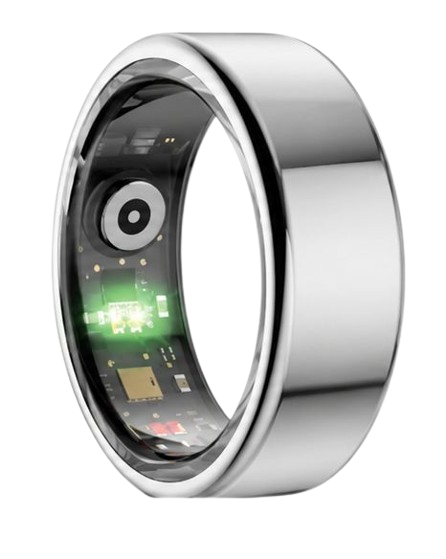
Achieving deep physiological recovery begins with learning how to reduce sleeping heart rate because a lower nocturnal pulse signals that your autonomic nervous system has successfully transitioned into a restorative parasympathetic state. Based on sleep data analysis, tracking these overnight trends allows you to detect early signs of stress before they manifest as chronic fatigue. The premium Herz P1 Smart Ring delivers precise tracking to help you monitor these changes effortlessly, giving you the direct insights required to optimize your sleep architecture and recover deeper every single night.
Built to Last. Save Up to 69% Today.
The Herz P1 Smart Ring tracks HRV, Sleep, Heart Rate & SpO2 around the clock. No subscriptions. No renewals. Ever.
In This Article
- Step-by-Step Lowering Guide: Actionable strategies to systematically drop your nighttime pulse.
- Biometric Science Deep-Dive: How your nervous system controls cardiovascular dipping during sleep.
- Maximizing Data Tracking: Practical methods to apply Herz P1 data for daily health optimization.
- Common Tracking Pitfalls: How to avoid errors and transition seamlessly away from bulky wearables.
How to Lower Your Sleep Pulse Rate Naturally for Enhanced Recovery
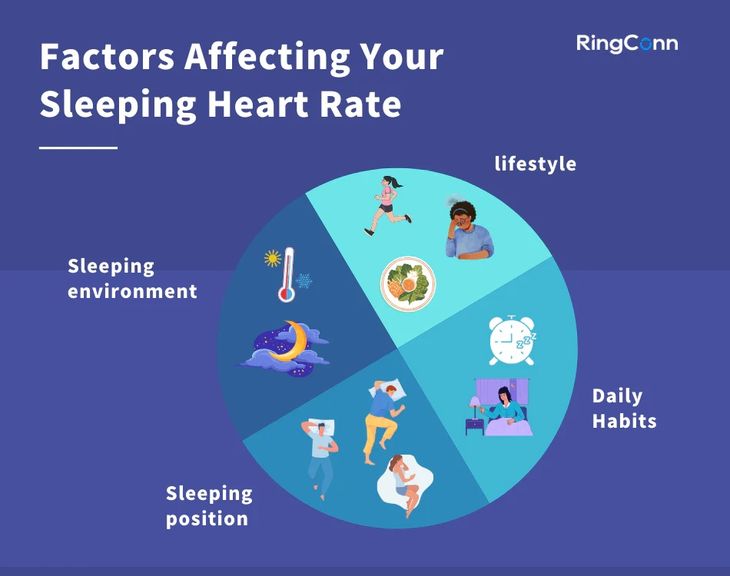
Slowing your nighttime pulse is a highly structured process that requires consistent physical adjustments.
By preparing your body correctly, you make it much easier for your cardiac rhythm to slow down naturally.
The following steps provide a direct, logical path toward achieving a healthier resting baseline every night.
Step 1: Implement an Early Cut-off for Evening Meals
Eating a heavy meal close to bedtime forces your cardiovascular system to divert blood flow to your digestive tract.
This digestive demand prevents your cardiovascular system from cooling down and slowing down naturally.
To allow a natural drop in heart rate while sleeping, you should complete your last meal at least three hours before going to bed.
When your stomach is empty, your body can focus on cellular repair instead of active digestion.
This simple shift helps lower the cardiac workload and promotes a deeper slow-wave sleep phase.
Many users notice an immediate difference in their morning recovery scores when they adopt this eating schedule.
By giving your gastrointestinal tract time to rest, you facilitate a more rapid transition into a parasympathetic state.
Your nocturnal pulse will reach its lowest point much earlier in the sleep cycle.
This early dip is a primary indicator of excellent sleep quality and efficient cardiovascular recovery.
Step 2: Optimize Your Sleeping Environment Temperature
Your core body temperature must drop slightly to initiate and maintain high-quality sleep.
A warm room forces your heart to pump faster to dissipate heat through your skin.
Set your thermostat between sixty-five and sixty-eight degrees Fahrenheit to assist your body’s natural cooling process.
A cooler environment directly supports a more pronounced resting heart rate drop sleeping.
When your bedroom is cool, your peripheral blood vessels can dilate comfortably without raising your pulse.
This temperature adjustment reduces sleep fragmentation and prolongs your deep sleep cycles.
You can track these environmental impacts using the integrated temperature sensor on your smart ring.
Many individuals find that cooling their room by just two degrees dramatically improves their overnight metrics.
Proper thermoregulation is one of the most effective and easily controlled variables for cardiac recovery.
Ensuring your room is dark and quiet will further enhance this cooling effect on your nervous system.
Step 3: Establish a Consistent Evening Pulse Reduction Routine
Establishing a relaxing wind-down routine signals your brain that it is time to transition into rest mode.
Engaging in screen-free activities for sixty minutes before bed helps calm your nervous system.
You can practice progressive muscle relaxation or gentle stretching during this quiet hour.
These activities are excellent evening pulse reduction tips that help prepare your heart for sleep.
Blue light from screens suppresses melatonin production and keeps your sympathetic nervous system engaged.
Replacing phone scrolling with reading or journaling helps lower your baseline arousal levels.
As your mind calms, your breathing slows and your vascular resistance decreases.
This deliberate transition makes it much easier to achieve a heart rate lower at night.
Consistency is the absolute key to training your body to relax on command.
Over time, your brain associates these quiet activities with the physical signal to slow down your cardiac rhythm.
Step 4: Manage Alcohol and Caffeine Timing Strictly
Caffeine is a powerful central nervous system stimulant that can remain in your bloodstream for up to ten hours.
Consuming caffeine late in the afternoon will elevate your resting pulse long after you fall asleep.
Similarly, alcohol may make you feel drowsy, but it severely disrupts your cardiovascular recovery.
As your liver metabolizes alcohol, your sympathetic nervous system remains highly active.
This active state prevents your body from experiencing a normal heart rate lower when sleeping.
To avoid these nocturnal spikes, limit caffeine to the morning hours and avoid alcohol close to bedtime.
Restricting these substances allows your heart to reach a calm, rhythmic baseline during the night.
You will wake up feeling significantly more refreshed and physically recovered.
Monitoring your sleep graphs will show a clear correlation between substance avoidance and a healthier sleep pulse.
Making these conscious dietary choices is a cornerstone of proactive cardiovascular self-care.
Step 5: Incorporate Deep Breathing and Meditation Before Sleep
Slow, controlled breathing exercises can rapidly shift your nervous system from fight-or-flight to rest-and-digest.
By extending your exhalations, you directly stimulate the vagus nerve to slow your pulse.
Try the box breathing method or the four-seven-eight breathing technique for five minutes before bed.
These breathing patterns help how to lower resting heart rate at night by reducing systemic tension.
Deep breathing reduces the concentration of stress hormones like cortisol in your bloodstream.
As cortisol levels fall, your cardiovascular system can relax more completely.
This physiological shift is highly visible on high-precision optical sensors.
Practicing mindfulness or meditation also helps quiet the mental chatter that keeps your pulse elevated.
By focusing on your breath, you create a peaceful mental space that translates directly into physical relaxation.
Integrating this practice into your nightly schedule is a powerful way to secure deep, uninterrupted rest.
Harnessing High-Precision Data for Lifestyle Optimization
To verify the effectiveness of these steps, you need a precise way to monitor your overnight cardiovascular trends.
The Herz P1 Smart Ring acts as a dedicated health companion to track your nightly progress without annoying subscriptions.
Our military-grade hardware continuously maps your biometric responses to help you see exactly which habits yield the best results.
By reviewing your personalized data dashboard, you can make informed decisions to lower sleep pulse rate naturally.
Explore the Herz P1 Smart Ring today to start taking control of your physical recovery journey.

90-Day 100% Money-Back Guarantee
“The Herz Smart Ring helps me manage stress easily. It’s accurate, stylish, and lightweight—perfect for my busy life!”
— Jennifer P. | ✔ Verified Customer
- ✓ 6-Day Battery Life
- ✓ Detailed Sleep Analysis
- ✓ Fast 1-Hour Charging
- ✓ iOS & Android Ready
Questions? Call: 1-866-479-1629
The Science of Nighttime Cardiovascular Dynamics and Heart Rate Regulation
Your cardiovascular system operates on a circadian rhythm that naturally slows down during sleep.
This natural deceleration is an essential component of healthy cardiovascular maintenance.
Medical organizations like the American Heart Association emphasize that a lower overnight pulse reflects efficient heart function.
When you rest, the metabolic demands of your skeletal muscles drop significantly.
This reduced demand allows your heart to pump less blood while still meeting your body’s vital oxygen needs.
If you have ever wondered does your heart rate drop when you sleep, the answer is a definitive yes.
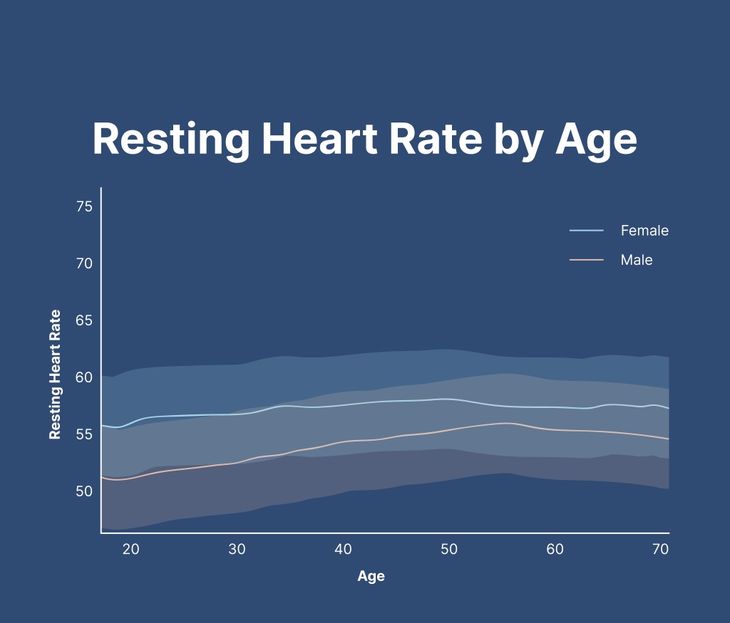
In healthy individuals, a normal drop of ten to twenty percent below daytime resting levels is expected.
This phenomenon is clinically referred to as cardiovascular dipping.
A failure to dip can indicate chronic stress, poor recovery, or underlying cardiovascular strain.
By tracking this drop, you can gain immediate insights into your overall sleep quality and autonomic balance.
Our team at Herz P1 designed our multispectral PPG sensors to capture these precise metrics without interrupting your rest.
Understanding these nightly trends is the first step toward optimizing your long-term cardiovascular health.
Understanding Your Autonomic Nervous System and Heart Rate Variability
Your autonomic nervous system is divided into two primary branches that control your involuntary bodily functions.
The sympathetic branch acts as your accelerator, preparing your body for action and stress.
The parasympathetic branch acts as your brake, encouraging relaxation and physical recovery.
When you sleep, the parasympathetic branch should dominate your system to lower your pulse.
This dominance allows your heart rate to slow down and your Heart Rate Variability (HRV) to increase.
If you are curious about does your heart rate slow down when you sleep, it is entirely controlled by this autonomic shift.
High-precision trackers can measure the subtle variations between consecutive heartbeats to calculate your HRV score.
A higher HRV score indicates a robust, adaptable nervous system that is ready to handle stress.
Conversely, a low overnight HRV score often points to physical fatigue or mental overload.
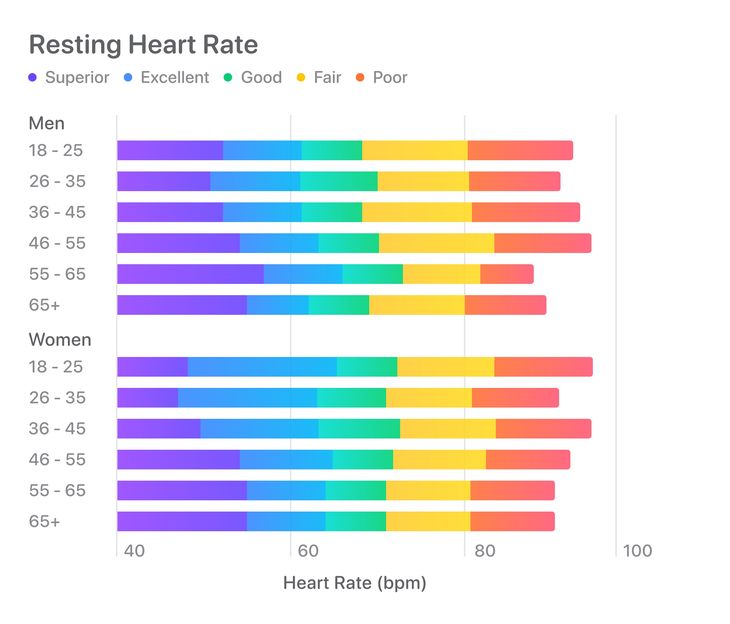
Knowing how low does heart rate go when sleeping helps you establish your personal baseline.
The National Sleep Foundation highlights that establishing these personal baselines is crucial for detecting subtle shifts in health.
The Herz P1 Smart Ring provides continuous, automatic HRV and pulse tracking throughout the night to keep you fully informed.
Practical Application: Reading Your Herz P1 Biometric Trends
To make the most of your health data, you must understand how to interpret your overnight metrics.
The Herz P1 App provides a clear, intuitive dashboard that translates raw sensor data into actionable scores.
Each morning, the app calculates a comprehensive sleep score based on your sleep staging and heart rate dip.
You should pay close attention to your sleep pulse graph to see when your lowest heart rate occurred.
A healthy sleep curve resembles a hammock, where your heart rate reaches its lowest point in the middle of the night.
If your curve is downward-sloping, it means your body took too long to relax after a stressful day.
You can use these visual insights to adjust your evening habits and track the subsequent improvements.
The lightweight design of the Herz P1 ensures you can collect this data comfortably every single night.
Unlike bulky smartwatches that require daily charging, our ring offers a six-day battery life for seamless tracking.
This continuous data stream helps you build a highly accurate picture of your personal health over time.
With regular monitoring, you can easily identify the lifestyle factors that support your optimal recovery.
Overcoming Obstacles: Smart Rings vs. Bulky Smartwatches
Many people struggle to track their sleep because they find bulky smartwatches highly uncomfortable to wear in bed.
These large devices can snag on blankets and disrupt your natural sleeping positions.
Furthermore, many popular smartwatches require daily charging, which often forces users to plug them in overnight.
This charging schedule leads to major gaps in your sleep history and deprives you of crucial recovery metrics.
The Herz P1 Smart Ring solves these common issues with its ultra-light, military-grade steel design.
It sits comfortably on your finger, allowing you to move naturally without even noticing its presence.
Additionally, some brands lock your biometric data behind expensive monthly app subscription fees.
We believe that you should never have to pay a recurring fee to access your own physiological information.
The Herz P1 App is completely free for a lifetime, saving you hundreds of dollars over years of ownership.
To help you visualize these differences, we have compiled a feature comparison table below.
| Feature Focus | Herz P1 Smart Ring | Standard Smartwatches |
|---|---|---|
| Sleep Comfort | High (Ultra-lightweight, ergonomic profile) | Low (Bulky, heavy, restricts natural movement) |
| Battery Life | Up to 6 Days (Constant monitoring) | 1 to 2 Days (Requires frequent overnight charging) |
| Subscription Fees | Zero Monthly Fees (Lifetime App access included) | Often requires premium recurring subscription plans |
Frequently Asked Questions About Nighttime Heart Rate and Smart Rings
Is the Herz P1 Smart Ring waterproof for daily use?
Yes, the Herz P1 features a certified IP68 waterproof rating.
This standard ensures the ring can withstand continuous submersion in water up to one hundred sixty-four feet deep.
You can confidently wear it while swimming, showering, washing your hands, or washing dishes.
Its durable exterior keeps the delicate optical sensors fully protected from moisture damage.
This seamless waterproofing makes it incredibly easy to maintain your tracking routine without constant removal.
How long does the battery last and how quickly does it charge?
The Herz P1 Smart Ring offers an impressive battery life of up to six days on a single charge.
This long-lasting performance ensures you rarely miss a single minute of biometric data.
When it is time to recharge, the ring reaches a full charge in under one hour.
You can easily charge it while taking a quick shower or getting ready in the morning.
This rapid charging capability minimizes downtime and keeps your health tracking fully active.
Which finger is the best option to wear the Herz P1 on?
For the highest tracking accuracy, we recommend wearing the Herz P1 on your index, middle, or ring finger.
These fingers have the most accessible blood vessels near the skin surface for optical sensors.
Ensure the ring fits snugly but comfortably without slipping or pinching your skin.
A proper fit prevents the ring from rotating and losing contact with your skin during sleep.
This stable positioning is essential for capturing clean PPG signals throughout the night.
Does the Herz P1 Smart Ring store my biometric data offline?
Yes, the ring features seven days of secure offline local storage.
If your phone is out of range or in airplane mode, the ring will continue to record your metrics.
Once your phone reconnects via Bluetooth, your data syncs automatically to the companion app.
This local storage capability guarantees you never lose your progress during travel or device disconnects.
You can sleep peacefully knowing your cardiovascular and recovery trends are always safe.
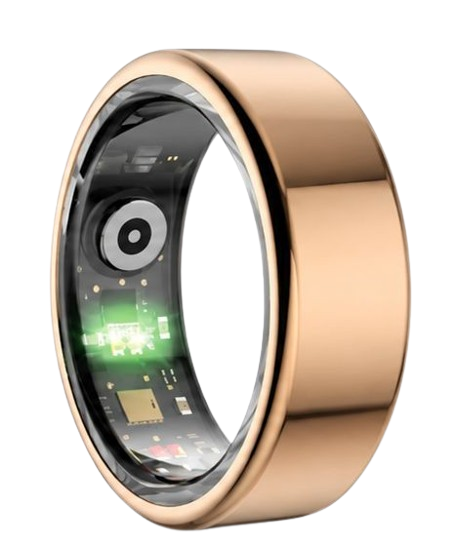
Conclusion: Your Subscription-Free Wellness Journey Starts Here
Tracking your nightly cardiovascular trends is the ultimate path to achieving deeper sleep. The subscription-free Herz P1 Smart Ring makes monitoring your recovery effortless and accurate. Ready to monitor your health every day? Explore the Herz P1 Smart Ring and see if it fits your lifestyle. Call: 1-866-479-1629 — our team can help advise on sizing.
