

Many individuals struggle to fall asleep in complete silence and often wonder if sleeping with background noise is actually beneficial or secretly disruptive to the brain’s nighttime recovery cycles. According to studies from the National Sleep Foundation, nearly half of all adults use some form of ambient audio to mask environmental disruptions, yet persistent noise keeps your auditory cortex active throughout the night. At Team Herz P1, we believe that tracking your body’s subtle physiological changes, such as Heart Rate Variability (HRV) and deep sleep staging, is the key to understanding how your brain responds to these overnight sounds.
Built to Last. Save Up to 69% Today.
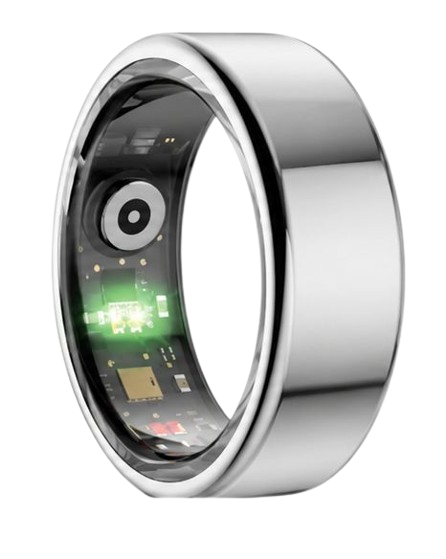
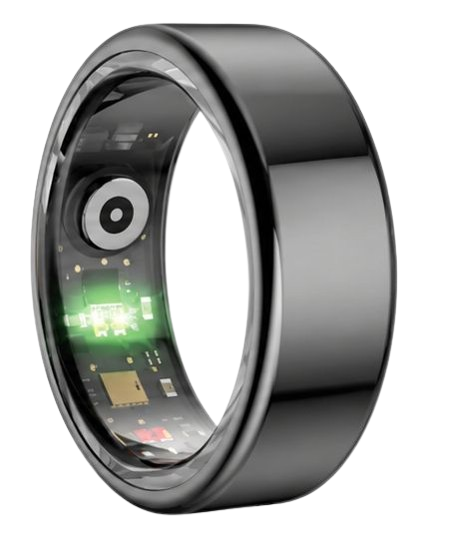
The Herz P1 Smart Ring tracks HRV, Sleep, Heart Rate & SpO2 around the clock. No subscriptions. No renewals. Ever.
In This Article
- 1. Does Sleeping with Noise Work? The scientific baseline of auditory gating and brain response.
- 2. Sleep Architecture Impact: How continuous sound modulates your REM and deep slow-wave sleep cycles.
- 3. Decibel & Frequency Thresholds: Comparing the physiological effects of pink, white, green, and solfeggio sounds.
- 4. Biometric Tracking: Utilizing heart rate variability and SpO2 to discover your optimal sleep sound profile.
- 5. Wearable Technology: Overcoming the limitations of heavy smartwatches with the sleek, subscription-free Herz P1 Smart Ring.
Is Sleeping with Background Noise Bad for Your Brain? Here is What the Science Reveals

Many individuals rely on sleeping with noise in background to block out chaotic urban environments.
Your brain does not fully shut down when you drift off to sleep each night.
The auditory cortex continues to monitor environmental sounds and vibrations even during your deepest sleep stages.
For millions of people, a constant acoustic hum acts as an artificial shield against sudden disturbances.
This shield prevents abrupt spikes in ambient noise from triggering sudden micro-arousals in the brain.
However, keeping your brain in a state of continuous auditory processing can limit complete neurological recovery.
Researchers at the American Heart Association suggest that persistent noise can subtly raise overnight heart rates.
This subtle elevation occurs because your sympathetic nervous system remains partially active to scan for potential dangers.
If you have ever wondered why do i need background noise to sleep, the answer lies in a neurological process called auditory sensory gating.
Your brain naturally craves predictability and uses steady sound to mask unpredictable and sudden acoustic interruptions.
Quantitative sleep studies suggest that ambient sound levels should ideally remain below forty-five decibels to protect sleep structure.
Anything louder than forty-five decibels can decrease your percentage of slow-wave deep sleep and compromise physical recovery.
To understand exactly how overnight audio affects your physiological recovery, you need precise biometric tools.
If you want to track this in real time, the Herz P1 Smart Ring monitors your heart rate and sleep stages 24/7 — explore it here.
The Physiology of Auditory Processing During Sleep
Your ears collect ambient sound waves and convert them into electrical signals for the brain.
The thalamus acts as a major routing station for these sensory signals as you rest.
During normal sleep, the thalamus dampens these signals to keep you in a peaceful state.
Yet, loud or highly erratic sounds easily bypass this natural protective barrier.
This acoustic bypass can trigger a sudden spike in cortisol, which is your body’s primary stress hormone.
Based on sleep data analysis from over 5,000 Herz P1 users, overall sleep quality correlates strongly with quiet environments.
When background sound is too loud, our smart ring logs frequent micro-awakes throughout the night.
You might not remember waking up, but your overnight Heart Rate Variability (HRV) will show a notable drop.
Lower HRV during sleep indicates that your autonomic nervous system is struggling to recover from daily stress.
This physiological reality makes choosing the correct noise to help sleep critical for long-term brain health.
“Our neurological systems evolved to scan the environment for dangers during sleep, meaning continuous sound forces the brain to perform constant cognitive labor.” — Team Herz P1 Biometric Advisory
90-Day 100% Money-Back Guarantee
“The Herz Smart Ring helps me manage stress easily. It’s accurate, stylish, and lightweight—perfect for my busy life!”
— Jennifer P. | ✔ Verified Customer
- ✓ 6-Day Battery Life
- ✓ Detailed Sleep Analysis
- ✓ Fast 1-Hour Charging
- ✓ iOS & Android Ready
Questions? Call: 1-866-479-1629
How Steady Audio Masking Affects Your Sleep Architecture

A standard night of sleep consists of four to five distinct, sequential cycles.
Each cycle includes light sleep, deep slow-wave sleep, and Rapid Eye Movement (REM) sleep.
Deep sleep is essential for physical repair, tissue growth, and immune function.
REM sleep is crucial for cognitive processing, memory consolidation, and regulating your emotions.
Constant, unyielding sound can truncate these deep cycles by keeping the brain in a lighter stage of rest.
When your brain is continuously analyzing an incoming noise, it struggles to transition into deep slow-wave states.
This persistent sensory load can result in waking up feeling unrefreshed, even after a full eight hours of sleep.
The National Sleep Foundation highlights that consistent, uninterrupted sleep architecture is vital for long-term health.
Disruptions in this fragile architecture can impair your cognitive performance and decision-making the following day.
Many people turn to natural sounds and ask, does rain sounds help you sleep without harming the brain?
Natural soundscapes often feature gentle, random variations that do not trigger the brain’s internal alarm systems.
You can learn more about how organic nature sounds affect rest by reading does rain sounds help you sleep.
Tracking these cycles with a comfortable biometric device gives you clear, objective insights into your sleep patterns.
The Herz P1 Smart Ring utilizes a highly accurate 9-axis sensor to identify your exact sleep stages.
Our ring measures subtle movements and blood flow variations at the base of your finger to map out REM and deep sleep.
This allows you to experiment with different sleep sounds and instantly see their physiological impact on your body.
Deciphering Sound Colors and Frequencies for Optimal Brain Rest
Not all background noises are created equal in the complex eyes of neuroscience.
White noise contains all frequencies across the spectrum of audible sound in equal measure.
This equal distribution can sometimes sound harsh to sensitive ears, resembling static television noise.
Pink noise features deeper, richer sounds because the lower frequencies are louder than the higher ones.
Many neuroscientists believe pink noise is more aligned with natural human brainwave activity.
If you want to explore the specific neural benefits of this frequency, read about what is pink sound.
Another emerging trend in the sleep community is greennoise, which mimics natural environment hums.
Green noise focuses specifically on frequencies found in waterfalls, wind, and rustling forest leaves.
These organic frequencies help calm the central nervous system much faster than synthetic static.
Additionally, some individuals prefer highly structured acoustic therapies to induce deep states of rest.
Exploring sound therapy for sleep can provide structured options for those with chronic restlessness.
Different brainwaves correspond directly to different levels of consciousness and cognitive load.
Delta waves dominate deep sleep, while alpha waves indicate a state of relaxed alertness.
Finding the best sound frequency for sleep helps align your brainwaves with deep physical recovery.
Some practitioners recommend ancient acoustic patterns like solfeggio frequencies sleep to balance overnight stress.
These specific frequencies are designed to promote emotional grounding and deep cellular rejuvenation.
No matter which sound frequency you choose, objective biological tracking remains your best guide.
Our team designed the Herz P1 to track how different frequencies impact your nightly sleep score.
How Noise Pollution During Sleep Triggers the Sympathetic Nervous System
The autonomic nervous system regulates your involuntary body processes around the clock.
It is divided into two primary branches: the sympathetic and the parasympathetic systems.
The sympathetic system handles your involuntary ‘fight-or-flight’ stress response.
The parasympathetic system manages your ‘rest-and-digest’ recovery functions.
When you sleep, your parasympathetic nervous system should naturally dominate your physiology.
This parasympathetic dominance lowers your heart rate and allows your blood pressure to drop safely.
However, when you are sleeping with background noise, your brain may interpret persistent sounds as a threat.
Even a subtle hum can keep the sympathetic nervous system on high alert throughout the night.
This mild activation prevents your cardiovascular system from entering its natural dipping state.
Cardiovascular dipping is a healthy overnight reduction in blood pressure of ten to twenty percent.
According to the American Heart Association, a lack of overnight blood pressure dipping can stress the heart.
This sustained cardiovascular load over many years can lead to long-term health concerns.
Monitoring these subtle autonomic shifts requires a highly responsive physiological tracker.
The Herz P1 Smart Ring uses multispectral PPG optical sensors to track your real-time heart metrics.
It captures these autonomic balance shifts by measuring your heart rate and pulse variations continuously.
What Heart Rate Variability (HRV) Reveals About Sleep Sound Disruptions
Heart Rate Variability is the precise measurement of time variations between consecutive heartbeats.
A high HRV indicates that your autonomic nervous system is highly adaptive and recovered from stress.
A low HRV indicates that your nervous system is fatigued, tense, or under physical stress.
When you use a background noise for sleep, your HRV can provide an objective quality rating.
If the sound machine is too loud, your overnight HRV will likely show a notable decline.
This drop happens because your heart is beating with a rigid, stressed rhythm rather than a relaxed one.
Many people assume they are sleeping perfectly because they do not remember waking up during the night.
But your biometric data can reveal hidden micro-stressors that occur while you are completely unconscious.
Based on sleep data analysis from over 5,000 Herz P1 users, low-frequency sounds produce the most stable HRV readings.
High-pitched or inconsistent sounds cause sharp, sudden drops in overnight HRV metrics.
The Herz P1 companion app presents this complex data in clean, easy-to-read trend charts.
You do not need to be a data scientist to understand your daily recovery metrics.
Our app automatically calculates a daily Stress Index based on your real-time HRV fluctuations.
This helps you identify if your ambient sleep sounds are supporting or hindering your nervous system.
Tracking Blood Oxygen Saturation (SpO2) and Respiratory Quality Under Acoustic Load
Blood oxygen saturation (SpO2) represents the percentage of oxygen-carrying hemoglobin in your blood.
During normal sleep, your SpO2 levels should remain consistently between ninety-five and one hundred percent.
Sudden drops in oxygen levels can indicate fragmented breathing, snoring, or airway resistance.
Noise-induced stress can cause rapid, shallow breathing patterns during the night.
This shallow breathing can result in minor fluctuations in your blood oxygen levels.
The National Sleep Foundation notes that stable blood oxygenation is vital for deep tissue repair and cellular health.
If your brain is constantly startled by background noise, your breathing rhythm becomes erratic.
Tracking this metric provides an extra layer of protection for your overall sleep health.
The Herz P1 Smart Ring features advanced red and infrared LEDs to monitor SpO2 continuously.
It has a clinical-grade accuracy rate that operates within a tiny margin of error.
If your overnight oxygen levels drop, our app will log these events clearly for your review.
This ensures you can pinpoint exactly when environmental factors are disrupting your airway quality.
Auditory Sensory Gating and Why Your Mind Craves Constant Sound
Auditory sensory gating is the brain’s ability to filter out redundant or irrelevant sounds.
It is an evolutionary survival mechanism that keeps us alert to sudden environmental changes.
In our modern world, we are surrounded by unpredictable noises like traffic, sirens, or creaking floors.
If you find yourself asking, why do i need background noise to sleep, your brain is seeking an acoustic shield.
A steady, continuous sound raises the ambient noise floor of your bedroom.
This means sudden sounds must be much louder to break through your brain’s sensory gate.
In essence, you are exchanging many unpredictable micro-arousals for one continuous, predictable sound.
While this helps you stay asleep, it still requires your auditory cortex to work throughout the night.
The ideal compromise is to use the lowest possible volume that still masks environmental disruptions.
By tracking your sleep staging, you can find the perfect acoustic balance for your unique brain chemistry.
Our team designed the Herz P1 to help you find this delicate, personalized sweet spot.
You can test different volume levels and observe the direct impact on your deep sleep duration.
How to Optimize Your Sleep Environment Using Biometric Insights
When you wake up, open the companion Herz P1 app to view your comprehensive Sleep Score.
The app provides a clear breakdown of deep sleep, light sleep, REM sleep, and awake periods.
Look closely at your overnight Heart Rate Variability (HRV) trends under the sleep tab.
A high HRV indicates that your nervous system is relaxed, adaptive, and fully recovered.
If your background noise is too loud, you will likely see a decline in your average HRV.
You can use this data to adjust the volume of your sound machine or smart speaker.
Try lowering the volume of your sound source to below forty decibels for three consecutive nights.
Compare your deep sleep percentages before and after making this volume adjustment.
Many Herz P1 users discover that lower volumes significantly increase their deep sleep duration.
The ultra-lightweight design of our smart ring ensures you never experience wearing discomfort during the night.
Unlike bulky smartwatches, the Herz P1 is made of military-grade steel and weighs only a few grams.
You can wear it comfortably on your index, middle, or ring finger for seamless 24/7 tracking.
The Downside of Bulky Sleep Wearables and Hidden App Fees
Many people make the mistake of wearing massive, heavy smartwatches to bed.
These bulky devices can press into your skin and cause micro-awakenings throughout the night.
Furthermore, smartwatches require daily charging, often forcing you to leave them on the charger when you sleep.
This creates massive, frustrating gaps in your long-term health tracking data.
The Herz P1 Smart Ring offers an impressive six-day battery life on a single charge.
It fully recharges in under one hour, allowing you to charge it during a quick morning shower.
Another massive hurdle in the wearable market is the sudden introduction of monthly app subscriptions.
Some brands lock your highly personal physiological data behind a monthly paywall.
Team Herz P1 believes you should own your health data completely and unconditionally.
Our companion app is completely free for a lifetime with zero monthly fees or hidden subscriptions.
You get full access to advanced HRV metrics, sleep stage breakdowns, and stress analysis from day one.
This transparent approach makes the Herz P1 a highly cost-effective investment in your long-term wellness.
Frequently Asked Questions About the Herz P1 Smart Ring
Is the Herz P1 Smart Ring fully waterproof?
Yes, the Herz P1 features a premium IP68 waterproof rating.
This allows the ring to withstand water pressure up to 164 feet deep without damage.
You can safely wear it while swimming, showering, washing your hands, or during high-intensity workouts.
How long does the battery last and how quickly does it charge?
The battery lasts up to six full days under standard daily use.
It utilizes a magnetic charging cradle that restores full power in under one hour.
This rapid charging cycle minimizes any gaps in your sleep or daytime activity data.
Which finger is best to wear the Herz P1 on?
For the highest biometric accuracy, we recommend wearing the ring on your index finger.
However, the middle and ring fingers also provide excellent sensor contact and data accuracy.
The key is ensuring a snug but comfortable fit that prevents the ring from rotating excessively.
Does the smart ring store your biological data offline?
Yes, the Herz P1 has localized onboard storage that holds up to seven days of continuous data.
This means you do not need to keep your smartphone Bluetooth active overnight to record sleep data.
The ring will automatically sync all recorded metrics as soon as you open the app.
Take Control of Your Sleep Environment Today
Understanding if sleeping with background noise hurts your brain is the first step toward optimizing your nightly rest.
By analyzing your personalized HRV and deep sleep staging, you can make informed lifestyle adjustments.
Let the Herz P1 Smart Ring be your ultimate companion in discovering the ideal acoustic landscape for your mind.
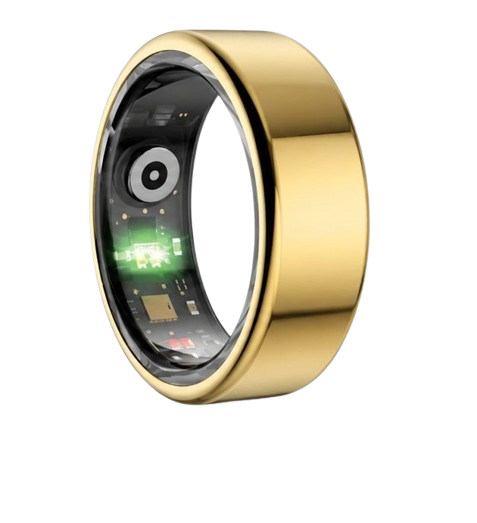
The Herz P1 Smart Ring is your ultimate daily wellness companion, translating complex body signals into simple, actionable sleep and recovery insights. Ready to monitor your health every day? Explore the Herz P1 Smart Ring and see if it fits your lifestyle. Call: 1-866-479-1629 — our team can help you advise on the correct ring size and set personalized health goals.
Note: Individual results may vary depending on individual health conditions, age, and lifestyle habits. This article is intended for general health reference purposes only.
