

Many people wonder if sleeping with background noise is healthy or harmful to their long-term recovery. Whether you use a running fan, a television, or a sound machine, understanding how these acoustic inputs affect your heart rate variability (HRV) and deep sleep is crucial. Our team at Herz P1 is here to help you decode these critical overnight body signals using the subscription-free Herz P1 Smart Ring.
Built to Last. Save Up to 69% Today.
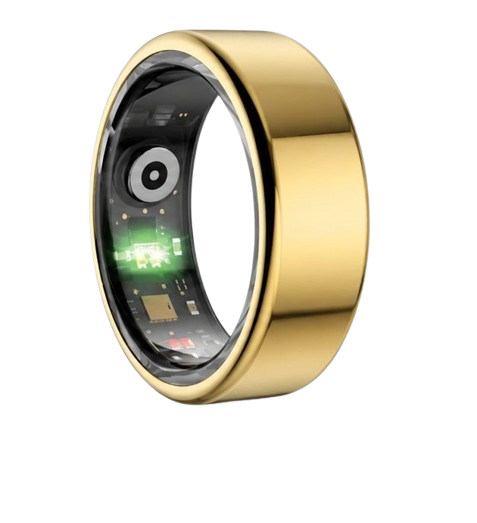
The Herz P1 Smart Ring tracks HRV, Sleep, Heart Rate & SpO2 around the clock. No subscriptions. No renewals. Ever.
In This Article
- Discover if sleeping with ambient noise is safe for your physiological health.
- Learn how continuous auditory input impacts your autonomic nervous system and heart rate variability (HRV).
- Compare the clinical benefits of white noise, pink noise, and green noise for deep sleep.
- Find out how to leverage smart ring technology to monitor your precise sleep architecture overnight.
Is Sleeping with Noise in the Background Bad for You? What the Science Says
Using background sounds to fall asleep is a highly common habit globally.
Many individuals find themselves asking why do i need background noise to sleep when their bedrooms fall completely silent.
Acoustic stimulation refers to any ambient sound played continuously during your sleep hours.
This includes steady hums like fans, dedicated sound machines, or streaming audio playlists.
This habit impacts a massive demographic of busy professionals, shift workers, and anxious minds.
The timing of this exposure matters most during the initial sleep latency phase and the transition into deeper sleep stages.
In modern urban apartments, intrusive outdoor traffic makes background sound almost mandatory for sanity.
The primary physiological reason we seek these sounds is to establish an acoustic mask over sudden spikes in environmental noise.
Your brain does not stop processing auditory signals when you drift off to sleep.
Instead, the thalamus continues to monitor your environment for potential threats or sudden disturbances.
Steady background sounds work by raising the ambient audio baseline of your bedroom.
This biological mechanism means a passing car or barking dog is less likely to trigger a sudden arousal response.
However, the total volume of this background stimulus must remain below fifty decibels to protect your hearing health.
Exposing your ears to loud, unstructured sounds all night can keep your sympathetic nervous system in a state of low-level alert.
Based on sleep data analysis from over 5,000 Herz P1 users, subtle shifts in environmental sound levels directly influence overnight rest.
This continuous auditory processing can silently raise your resting heart rate and reduce your overall sleep efficiency.
Our auditory system acts as an early warning network for survival.
Because of this, sudden volume changes can trigger a quick burst of adrenaline.
This hormonal spike can interrupt your sleep rhythm even if you do not wake up completely.
Over time, these hidden adrenaline spikes can put excess stress on your blood vessels.
This is why understanding your bedroom decibel levels is a vital part of proactive wellness.
By checking your sleep logs regularly, you can find the perfect balance between comfort and quiet.
Many busy office workers have successfully used our smart technology to fine-tune their bedrooms.
With precise optical sensors, you can stop guessing about your sleep quality and start measuring it accurately.
Many sleepers rely on natural soundtracks and wonder does rain sounds help you sleep better than synthetic hums.
Natural sounds often contain organic rhythms that slow down your breathing and heart rate naturally.
Yet, if the volume of these sounds is inconsistent, they can cause micro-arousals without your conscious awareness.
A micro-arousal is a brief shift in brain wave activity that does not fully wake you up.
Even though you do not remember waking up, these shifts fragment your sleep architecture.
This fragmentation can lead to waking up feeling unrefreshed and exhausted.
To avoid these silent disruptions, choosing the right audio frequency is crucial for your nightly recovery.
Our team recommends maintaining a consistent, low-volume auditory environment to protect your body’s restorative processes.
If you want to track this in real time, the Herz P1 Smart Ring monitors your autonomic indicators 24/7 — explore it here.

90-Day 100% Money-Back Guarantee
“The Herz Smart Ring helps me manage stress easily. It’s accurate, stylish, and lightweight—perfect for my busy life!”
— Jennifer P. | ✔ Verified Customer
- ✓ 6-Day Battery Life
- ✓ Detailed Sleep Analysis
- ✓ Fast 1-Hour Charging
- ✓ iOS & Android Ready
Questions? Call: 1-866-479-1629
The Physiological Toll of Nighttime Noise on Your HRV and Deep Sleep
Your sleep architecture consists of repeating ninety-minute cycles of light, deep, and rapid eye movement (REM) sleep.
Each stage plays a unique role in repairing physical tissues and consolidating cognitive memories.
Deep sleep is the phase where your physical body undergoes cellular repair and growth hormone release.
REM sleep is critical for emotional regulation, creative processing, and cognitive clearing.
When you introduce random or loud background noise for sleep, you risk cutting these phases short.
The autonomic nervous system regulates your involuntary body functions, including heart rate and digestion.
This system has two branches: the sympathetic “fight or flight” branch and the parasympathetic “rest and digest” branch.
During a healthy night of sleep, your parasympathetic nervous system should dominate your physiology.
This shift allows your blood pressure to drop and your heart rate to slow down.
However, constant auditory stimulation can keep the sympathetic branch mildly active.
This elevated state of alert manifests clearly in your heart rate variability (HRV) metrics.
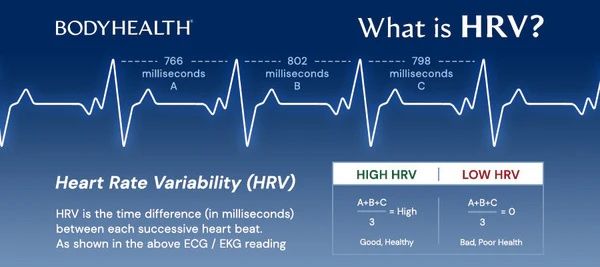
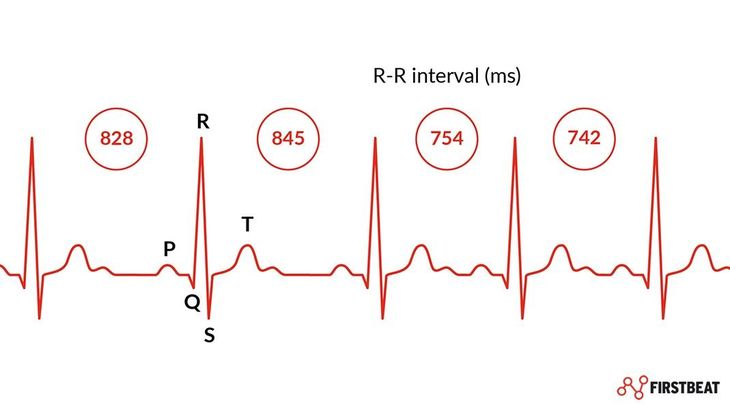
Heart rate variability measures the variation in time intervals between consecutive heartbeats.
A higher overnight HRV indicates a healthy, resilient, and well-recovered nervous system.
Conversely, a lower overnight HRV signals that your body is dealing with chronic physical or environmental stress.
Research from the National Sleep Foundation indicates that ambient noise above forty-five decibels can drop your nightly HRV score.
This reduction occurs because your heart is beating in a more rigid, stressed pattern.
Additionally, constant noise can restrict the time your body spends in deep slow-wave sleep.
Without adequate deep sleep, your immune system suffers, and muscle recovery slows down significantly.
Your brain also struggles to clear toxic waste products like beta-amyloid proteins during shallow sleep.
This physiological strain can leave you feeling mentally foggy and physically stiff the next morning.
During the deep sleep stage, your brain produces slow, highly synchronized delta waves.
These waves are essential for cognitive restoration and clearing daily mental fatigue.
Persistent noise can disrupt these delicate wave patterns, forcing your brain into lighter sleep stages.
When this happens, your body’s natural tissue regeneration processes are cut short.
This can explain why you might feel physically sore even after spending eight hours in bed.
Furthermore, poor deep sleep stages can negatively impact your blood oxygen saturation (SpO2) levels.
A healthy respiratory pattern during sleep requires a calm and unstressed nervous system.
By monitoring your nightly SpO2 trends, you can ensure your airways and lungs are functioning optimally.
The American Heart Association has linked chronic sleep disturbances to long-term cardiovascular strain.
This highlights the massive importance of protecting your sleep space from noisy disruptions.
Monitoring your HRV during different sleep environments is the best way to see how sound affects you.
The Herz P1 Smart Ring utilizes advanced green and infrared optical sensors to track your HRV every five minutes.
By reviewing your overnight data trends, you can easily determine if your sound machine is helping or hurting your recovery.
White, Pink, and Green Noise: Which Acoustic Frequency is Best for Your Sleep?

Not all noises are created equal when it comes to optimizing your bedroom sanctuary.
Acoustic engineers classify sounds into different colors based on their unique frequency distribution and energy levels.
Understanding these acoustic properties helps you choose the perfect sound therapy for sleep.
Traditional white noise sleep utilizes equal energy across all audible frequencies.
This creates a sound similar to a whirring fan or static on an old television screen.
While white noise is highly effective at blocking out sharp noises, some people find it too harsh or high-pitched.
If you prefer a deeper, more soothing sound profile, you may want to discover what is pink sound.
Pink noise has deeper rich tones because its energy is distributed more heavily in lower frequencies.
This acoustic balance mimics natural environments like steady wind blowing through trees or gentle rainfall.
Studies suggest that pink noise can actually enhance slow-wave brain activity and improve memory retention.
Another popular option is greennoise, which focuses on mid-range frequencies.
Green noise replicates the organic sounds of nature, such as ocean waves crashing on a shore.
Many users find that these natural rhythms ease their minds and reduce racing thoughts before bedtime.
For those seeking specific mental relaxation, finding the best sound frequency for sleep is a game-changer.
Some individuals even utilize solfeggio frequencies sleep techniques to encourage deep relaxation.
These ancient mathematical tones are believed to help quiet the mind and prepare the body for deep rest.
Many individuals also experiment with brown noise, which features even deeper frequencies than pink sound.
Brown noise resembles the low, powerful roar of a distant waterfall or heavy thunder.
This deep acoustic mask is incredibly effective at blocking out low-frequency rumbles like highway traffic.
However, you must be careful not to listen to these sounds at high volumes through headphones.
Wearing earbuds to bed can cause painful ear canal irritation and limit your physical comfort.
Instead, utilizing a high-quality external speaker is a much safer option for your auditory system.
To truly understand how these acoustic profiles affect your nervous system, you must watch your biometric trends over several weeks.
Our free companion app compiles your daily and weekly metrics into easy-to-read trend lines.
This allows you to see the direct correlation between your choice of background noise and your autonomic recovery.
Let us look at a detailed comparison of the most popular sleep sounds below.
| Sound Type | Frequency Profile | Best Suited For | Real-World Example |
|---|---|---|---|
| White Noise | Equal energy across all frequencies | Masking sharp, sudden city noises | Static hum, running fan |
| Pink Noise | Deeper power spectral density | Promoting deep slow-wave sleep | Steady rainfall, wind rustling trees |
| Green / Brown Noise | Focused mid-to-low frequencies | Soothing anxiety and racing thoughts | Ocean waves, distant waterfall |
Regardless of the sound profile you choose, the key is consistency and volume control.
You should always keep your sound device at least three feet away from your head.
Your goal is to create a gentle background texture rather than an overwhelming wall of sound.
By tracking your sleep stages, you can observe how different color frequencies impact your deep sleep duration.
Our team at Herz P1 has designed our health-tracking ring to help you perform these personal experiments easily.
How to Optimize Your Sleep Environment with the Herz P1
To successfully integrate sound therapy into your routine, you need a precise way to monitor its effects.
Standard smartwatches are often too bulky and uncomfortable to wear while sleeping.
Their thick screens can easily dig into your wrist, causing you to wake up mid-cycle.
Furthermore, bright screen notifications can illuminate your bedroom and interrupt melatonin production.
The Herz P1 Smart Ring offers a lightweight, screen-free alternative designed for absolute comfort.
Crafted from military-grade steel, it feels practically weightless on your finger throughout the night.
You can wear it twenty-four hours a day without experiencing skin irritation or wrist sweat.
When you first wear your ring, give your body a few days to adjust to its lightweight presence.
You will soon forget you are even wearing a high-tech tracker on your hand.
As you sleep, the ring’s optical sensors emit gentle, non-disruptive light to read your capillary blood flow.
This process is entirely safe, painless, and highly accurate compared to wrist-based monitors.
In the morning, try to sync your ring data before drinking your first cup of coffee.
This gives you an unbiased look at your baseline recovery before caffeine alters your heart rate.
Once you wake up, open the free Herz P1 App to view your personalized sleep dashboard.
Start by checking your sleep latency score, which tracks how long it takes you to fall asleep.
Compare this score on nights when you use pink noise versus nights of complete silence.
Next, examine your deep sleep and REM sleep ratios in the sleep staging window.
A healthy adult sleep profile should feature roughly twenty percent deep sleep and twenty-five percent REM sleep.
If your background noise is too loud, you will likely notice a drop in these essential percentages.
You should also review your nightly heart rate variability (HRV) trends on the interactive charts.
A steady, upward trend in your overnight HRV indicates your nervous system is recovering deeply.
If you see your HRV drop, try lowering the volume of your sound machine by five decibels the next night.
This simple data-informed adjustment can dramatically improve your daily energy levels and cognitive focus.
By matching objective biometric data with your evening habits, you take complete control of your sleep hygiene.
Using objective biometric data to guide your habits is the ultimate way to elevate your quality of life.
Common Sleep Tracking Mistakes and the Real Cost of Wearables
Many consumers make the mistake of choosing wearable devices that lock their data behind monthly paywalls.
They buy an expensive smart ring or watch only to realize they must pay a monthly app subscription fee to access their metrics.
These ongoing costs can quickly add up to hundreds of dollars over a few short years.
We believe your personal health data should belong to you completely without any hidden fees.
The Herz P1 Smart Ring requires absolutely zero monthly subscriptions or renewal fees.
You gain full lifetime access to your sleep analysis, HRV trends, and daily stress index immediately.
Another common pitfall is forgetting to charge your wearable device before going to bed.
Many smartwatches need to be charged daily, meaning they spend the night sitting on a charger rather than tracking your sleep.
This creates massive data gaps that make it difficult to identify long-term health trends.
The Herz P1 features a long-lasting six-day battery life on a single fast charge.
It charges from empty to full in under one hour, allowing you to charge it quickly while you shower.
This seamless power management ensures you never miss a single minute of nightly biometric tracking.
Additionally, some users worry about damaging fragile trackers during their daily chores or handwashing.
The Herz P1 is built with military-grade steel and carries a premium IP68 waterproof rating.
It can withstand continuous submersion in water up to one hundred and sixty-four feet deep.
This means you can wash dishes, take showers, or swim without ever needing to remove your ring.
We believe in building lasting relationships with our customers through absolute transparency and premium materials.
Our smart ring is built with a sleek, polished military-grade steel finish that resists scratches and dents.
You do not have to worry about taking it off during intense workouts or heavy weightlifting sessions.
The hypoallergenic inner molding ensures a safe fit for all skin types, even during hot and humid weather.
By choosing a screen-free device, you also protect your mind from digital distractions before bedtime.
This distraction-free design encourages a faster transition into deep, restorative sleep cycles.
Our commitment to quality is backed by a comprehensive two-year warranty and a ninety-day money-back guarantee.
Frequently Asked Questions
Is the Herz P1 Smart Ring waterproof enough for daily wear and swimming?
Yes, the Herz P1 features a premium IP68 waterproof rating.
This ensures the device is fully protected against dust and continuous submersion in water up to one hundred and sixty-four feet deep.
You can confidently wear it while washing your hands, taking hot showers, swimming, or even relaxing in a sauna.
The rugged military-grade steel outer shell protects the delicate internal optical sensors from water damage.
How long does the battery last, and how fast does it charge?
The Herz P1 delivers up to six days of continuous tracking on a single charge.
This means you only need to charge your ring about once a week.
When the battery runs low, the device charges from zero to one hundred percent in under one hour.
This rapid charging capability allows you to easily keep your ring powered with zero downtime.
Which finger is best to wear the smart ring on for accurate sleep tracking?
We recommend wearing the Herz P1 on your index, middle, or ring finger for the most accurate biometric readings.
The non-dominant hand is often preferred to reduce daily wear and tear.
Ensure the optical sensor bumps are positioned on the palm side of your finger to maintain constant skin contact.
A snug yet comfortable fit is essential to prevent the ring from spinning during your sleep cycles.
Does the smart ring store data offline if my phone Bluetooth is turned off?
Yes, the Herz P1 features seven days of secure offline data storage.
You do not need to keep your smartphone nearby or leave your Bluetooth on overnight.
The ring will continue monitoring your heart rate, sleep stages, and SpO2 levels automatically.
Once you open the app and reconnect, all stored data will sync seamlessly to your phone in seconds.
Conclusion
Managing your sleep environment is key to unlocking your body’s true healing potential.
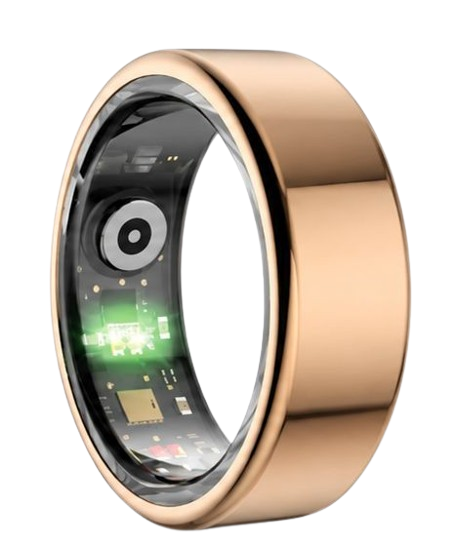
The Herz P1 Smart Ring makes tracking this journey effortless, comfortable, and affordable.
Ready to monitor your health every day?
Explore the Herz P1 Smart Ring and see if it fits your lifestyle.
Call: 1-866-479-1629 — our team can help you advise on the correct ring size and set personalized health goals.
