

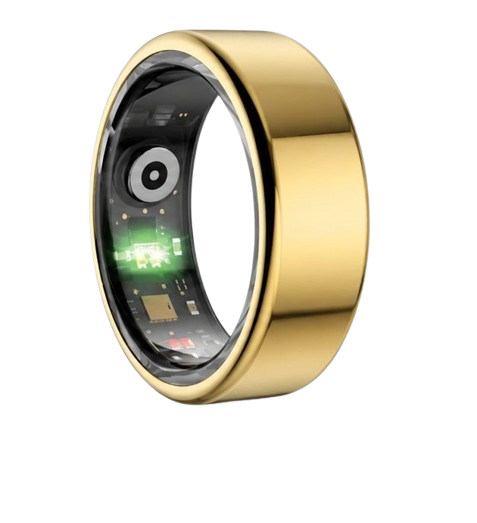
Evaluating how rapidly your heart settles after physical exertion is a key indicator of cardiovascular conditioning and autonomic nervous system balance. To assess this metric accurately, tracking your one minute recovery heart rate is one of the most reliable methods available today. With the state-of-the-art biometric sensors integrated into the Herz P1 smart ring, you can continuously monitor these changes effortlessly, allowing you to optimize your fitness progress without the burden of ongoing subscription fees.
Built to Last. Save Up to 69% Today.
The Herz P1 Smart Ring tracks HRV, Sleep, Heart Rate & SpO2 around the clock. No subscriptions. No renewals. Ever.
In This Article
- Step-by-Step Recovery Tracking Guide: Learn how to perform a standardized physical recovery test to establish your baseline.
- Age-Based Recovery Normative Data: Review verified charts showing normal ranges for one-minute post-exercise deceleration.
- The Physiology of Cardiorespiratory Rebound: Explore how autonomic control, HRV, and oxygen saturation regulate your cool-down.
- Smart Ring Optimization Techniques: Discover how lightweight, non-intrusive wearables provide more consistent tracking than bulky smartwatches.
How to Safely Measure and Optimize Your One Minute Recovery Heart Rate
Prerequisites and Testing Conditions
To accurately capture this biometric value, you should be free from acute physical illness or high caffeine intake immediately prior to testing.
Ensure that you have access to a reliable heart rate monitor or a continuous wearable tracking device to record the data points correctly.
Find a quiet, level space where you can safely perform cardiovascular exercise and transition quickly into a restful state.
Step-by-Step Instructions
-
Step 1: Perform a Standardized Cardiovascular Exercise Session
Engage in a continuous aerobic exercise such as brisk running, stationary cycling, or rowing for at least ten consecutive minutes.
Gradually elevate your heart rate until you reach your target cardio conditioning zone, which is typically between 70% and 85% of your maximum heart rate.
This sustained intensity is necessary because the heart must be sufficiently elevated for the nervous system to show a measurable recovery response.
Avoid push-to-failure anaerobic sprints during this phase as they can skew the metabolic rate artificially during the initial recovery minute.
-
Step 2: Transition Instantly to a Rest State
As soon as you complete your workout, immediately cease all physical movement and sit down in a comfortable upright chair.
Do not walk around, stretch, or talk during this transition, as any muscular movement will stimulate your sympathetic nervous system.
Keep your hands resting flat on your thighs to minimize muscle tension and prevent minor motion artifacts on your sensor.
Maintain deep, slow abdominal breathing to support natural autonomic transition without forced breath holding.
-
Step 3: Log Your Peak Heart Rate Immediately
Note your precise heart rate reading at the exact second you stop exercising, which serves as your peak value.
Ensure that your fitness tracker is actively transmitting a live reading so you do not miss this critical baseline number.
If you are using manual palpation, count your radial pulse for ten seconds and multiply by six, though a digital tracker is highly recommended for accuracy.
Write down this peak value or confirm that your companion application has logged the timestamped session.
-
Step 4: Keep Still for Exactly Sixty Seconds
Remain completely motionless and silent while keeping your eyes open and looking straight ahead to avoid cognitive stimulation.
Allow sixty seconds to pass while your heart rate begins its initial downward plunge toward your normal resting baseline.
This one-minute window is the gold standard used by clinical researchers to evaluate cardiac vagal tone and parasympathetic reactivation.
Do not check your phone notifications or read stressful emails, as mental stress can rapidly halt the heart rate deceleration process.
-
Step 5: Record the One-Minute Mark Value
Precisely at the sixty-second mark, note down your new heart rate reading from your tracker display.
Subtract this one-minute mark value from your peak heart rate to determine your specific recovery score in beats per minute.
Compare this resulting score to the standard 1 minute heart rate recovery chart by age to evaluate your score.
This difference reflects how effectively your autonomic pathways can dial back heart acceleration after physical demands cease.
-
Step 6: Log and Monitor Trends Over Time
Enter your recovery value into a digital journal or review the auto-logged data history in your wellness companion app.
Repeat this standardized test once per week under similar conditions to verify if your cardiovascular resilience is improving.
Refer to a detailed cardio recovery rate chart to track whether your heart is becoming more resilient.
Consistent tracking helps identify early signs of systemic exhaustion or cardiovascular improvements long before visual changes occur.
Enhancing Your Tracking Experience with Herz P1
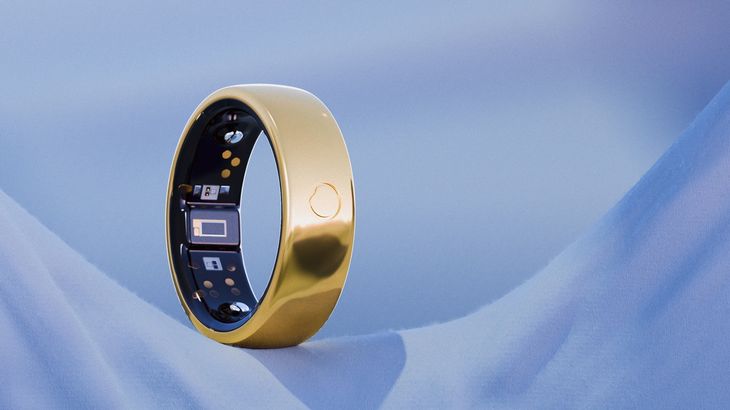
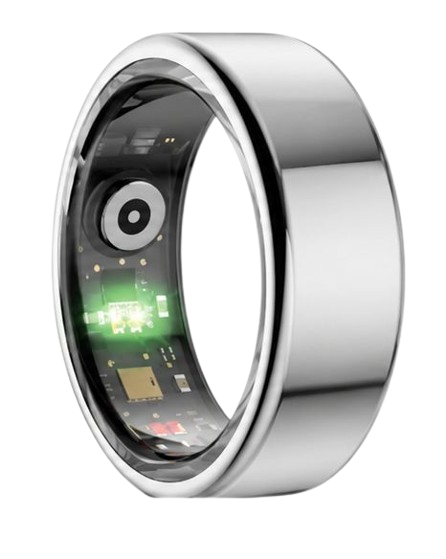
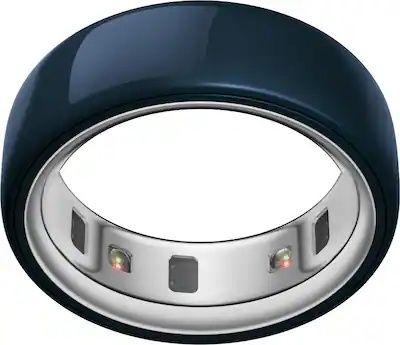
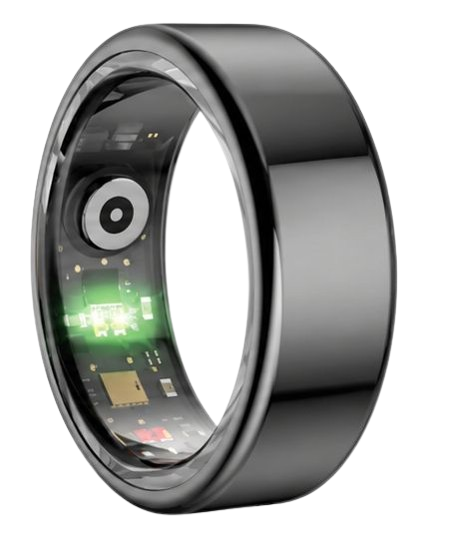
While manual measurements require strict timing, the Herz P1 Smart Ring automates this entire tracking sequence through its multi-wavelength PPG optical sensor.
The ring continuously samples your cardiovascular changes throughout the day and logs your heart rate recovery metrics directly into the secure Herz P1 App.
By wearing the lightweight military-grade ring, you can view your cardiac trends over weeks and months without worrying about manual calculations or missed baseline numbers.
90-Day 100% Money-Back Guarantee
“The Herz Smart Ring helps me manage stress easily. It’s accurate, stylish, and lightweight—perfect for my busy life!”
— Jennifer P. | ✔ Verified Customer
- ✓ 6-Day Battery Life
- ✓ Detailed Sleep Analysis
- ✓ Fast 1-Hour Charging
- ✓ iOS & Android Ready
Questions? Call: 1-866-479-1629
Decoding the One Minute Recovery Heart Rate Normal Chart by Age
The Correlation Between Age and Cardiac Recovery Speeds
As the human body ages, physiological changes naturally affect the elasticity of blood vessels and the responsiveness of cardiac muscle tissue.
The sinoatrial node, which acts as the natural pacemaker of the heart, gradually loses a portion of its neural sensitivity over the decades.
Consequently, older individuals typically experience a slightly slower drop in post-exercise heart rates than their younger counterparts.
This natural deceleration curve does not necessarily indicate a health issue, but rather reflects normal biological maturation.
Understanding what is a good heart rate recovery within your age bracket prevents unnecessary concern and establishes realistic health benchmarks.
Establishing Your Personal Target Recovery Ranges
To understand where your physical conditioning stands, consult the verified age-grouped chart below to compare your one-minute recovery values.
These values represent the drop in heart beats per minute (BPM) exactly sixty seconds after stopping sustained cardio activity.
| Age Group (Years) | Below Average Recovery (BPM) | Good Recovery (BPM) | Excellent / Athletic Recovery (BPM) |
|---|---|---|---|
| 20 – 29 | Less than 15 BPM | 16 – 22 BPM | More than 23 BPM |
| 30 – 39 | Less than 14 BPM | 15 – 21 BPM | More than 22 BPM |
| 40 – 49 | Less than 13 BPM | 14 – 20 BPM | More than 21 BPM |
| 50 – 59 | Less than 12 BPM | 13 – 19 BPM | More than 20 BPM |
| 60 – 69+ | Less than 11 BPM | 12 – 17 BPM | More than 18 BPM |
For individuals tracking performance closely, it is also beneficial to learn what is a good 2-minute recovery heart rate as a secondary health indicator.
While the first minute measures immediate parasympathetic reactivation, the second minute provides insights into metabolic clearance.
Combining these two values offers a highly comprehensive picture of your overall physical conditioning.
The Physiology of Cardiorespiratory Rebound and Autonomic Regulation
Autonomic Control of Your Heart Rate Recovery
Your heart rate is controlled by a continuous balance between the sympathetic and parasympathetic branches of your autonomic nervous system.
The sympathetic branch acts like a gas pedal, raising your heart rate and boosting adrenaline production to meet physical demands.
During exercise, this system dominates to ensure that oxygen-rich blood reaches your working muscles as quickly as possible.
When exercise stops, the parasympathetic nervous system acts like a brake, sending signals through the vagus nerve to slow down your heart.
If your nervous system is overtaxed or compromised, this braking mechanism will not function at its optimal capacity.
This sluggish response can lead to a state where your cardio recovery decreased over consecutive training cycles.
The Vital Link Between Recovery, HRV, and Blood Oxygen
Your post-exercise recovery curve is closely linked to other key health metrics like Heart Rate Variability (HRV) and Blood Oxygen Saturation (SpO2).
A higher baseline HRV indicates a highly responsive autonomic nervous system that can transition smoothly from stress to rest states.
Conversely, a low HRV suggests that your body is holding onto chronic stress, which directly slows your heart rate deceleration after a workout.
Your blood oxygen saturation levels also play a critical role, as healthy tissue oxygenation reduces the need for prolonged high cardiac output.
Sustained poor recovery, such as a cardio recovery 30 bpm drop that suddenly plunges below your historical average, can serve as an early warning of fatigue.
Tracking these values collectively allows you to spot physical changes and adjust your training intensity accordingly.
The American Heart Association has emphasized that sluggish recovery values are often linked to long-term cardiovascular health risks.
Using these metrics helps you maintain a safer, highly balanced approach to your wellness goals.
Practical Application Guide and Lifestyle Optimization Tips
How to Read and Interpret Biometrics on the Herz P1 Companion App
The Herz P1 App consolidates your vital metrics into a clean, easy-to-read dashboard that highlights your recovery trends automatically.
Each morning, you can review your consolidated readiness score, which balances your resting heart rate, sleep quality, and active recovery trends.
Rather than manually calculating numbers, you can easily view interactive charts that display your post-workout deceleration curves.
The application automatically highlights positive trends when your cardiovascular recovery times begin to shorten.
This automated analysis helps you quickly identify which exercise routines and rest habits are yielding the best physical results.
Utilizing Wellness Data to Refine Daily Exercise and Rest Staging
When you notice your recovery metrics improving, you can safely increase your workout intensity or extend your active training sessions.
If your heart rate takes longer to cool down, consider adding an extra rest day or focusing on light, restorative walking.
You can also use this data to determine your resting heart rate vo2 max correlation to see if your endurance capacity is climbing.
Balancing high-intensity training with adequate rest is the most effective way to build long-term cardiorespiratory strength.
Wearing the Herz P1 Smart Ring 24/7 ensures that your daily activity, stress, and recovery sleep are continuously tracked.
This continuous tracking provides the reliable, real-world data you need to make informed decisions about your health.
Overcoming Common Sizing and Tracking Pitfalls
The Advantages of Wearing a Smart Ring Over Bulky Smartwatches
Many health enthusiasts struggle to get accurate sleep and recovery data because they find bulky smartwatches uncomfortable to wear overnight.
Heavy wearables can easily shift during sleep, leading to gaps in optical sensor readings when your wrist moves.
A lightweight smart ring fits securely at the base of your finger, where the blood vessels are closer to the skin surface.
This close, consistent contact allows the optical sensors to capture highly reliable, continuous PPG data throughout the night.
By switching to a smart ring, you can track your health metrics seamlessly without the distraction of a heavy wrist device.
Avoiding Hidden Costs and Managing Your Hardware Performance
Another common frustration is purchasing a health tracker, only to find that key biometric insights are locked behind a monthly subscription.
The Herz P1 App provides lifetime access to all your health data, trends, and sleep analysis with absolutely no hidden fees.
Occasionally, users may notice minor issues, such as wondering why is cardio recovery not updating on their dashboard.
This is often resolved by ensuring a snug ring fit or simply restarting your smartphone’s Bluetooth connection to refresh the data sync.
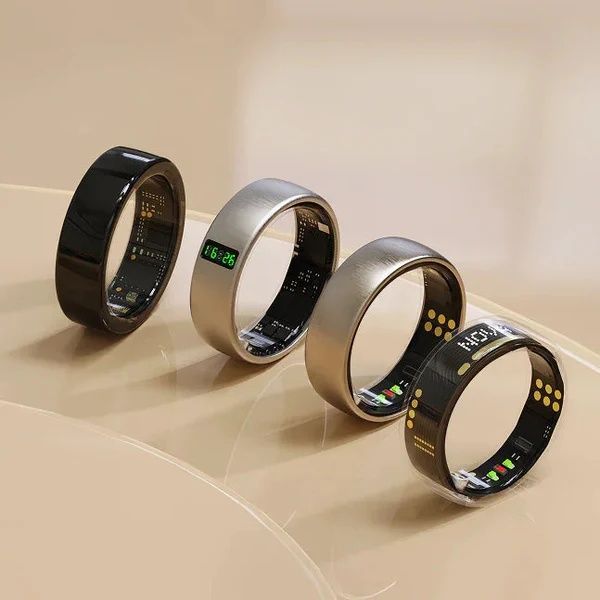
With its robust military-grade steel construction and reliable tracking, the Herz P1 offers a premium, subscription-free alternative to the standard wearable market.
Frequently Asked Questions (FAQ)
This means the ring is completely protected against dust and can withstand continuous immersion in water up to 164 feet (50 meters).
You can confidently wear it while washing your hands, showering, swimming, or training in heavy rain without worrying about water damage.
When the battery runs low, you can recharge the device to 100% capacity in under 1 hour using the included magnetic charging dock.
This rapid charging cycle ensures that you rarely miss out on tracking your sleep, stress, or recovery metrics.
These fingers have a consistent shape and optimal blood flow close to the surface, which helps the optical sensors capture clear signals.
Make sure the ring fits snugly but comfortably, without rotating too freely or pinching your skin.
This allows you to exercise, travel, or sleep without keeping your smartphone nearby or connected to Bluetooth.
As soon as you open the app, your stored data will automatically sync and update your personal health dashboard.
Conclusion: Empower Your Cardiovascular Health Journey
Tracking your post-exercise recovery provides invaluable, actionable insights into your autonomic conditioning and overall cardiovascular strength.
The premium, subscription-free Herz P1 Smart Ring makes it easy to monitor your vital metrics with military-grade reliability and continuous tracking.
Ready to monitor your health every day? Explore the Herz P1 Smart Ring and see if it fits your lifestyle. Call: 1-866-479-1629 — our team can help you advise on the correct ring size and set personalized health goals.
Note: Individual results may vary depending on individual health conditions, age, and lifestyle habits. This article is intended for general health reference purposes only.
