

If you are constantly struggling with feeling groggy upon waking, you are not alone; in fact, recent clinical studies indicate that over forty percent of working adults experience morning sleep inertia regularly. Understanding your body’s subtle physiological signals is the first step toward reclaiming your energy, which is why the Herz P1 Smart Ring is designed to track your sleep architecture, HRV, and stress levels with precise accuracy, ensuring you discover exactly why you feel exhausted and how to fix it today.
Built to Last. Save Up to 69% Today.
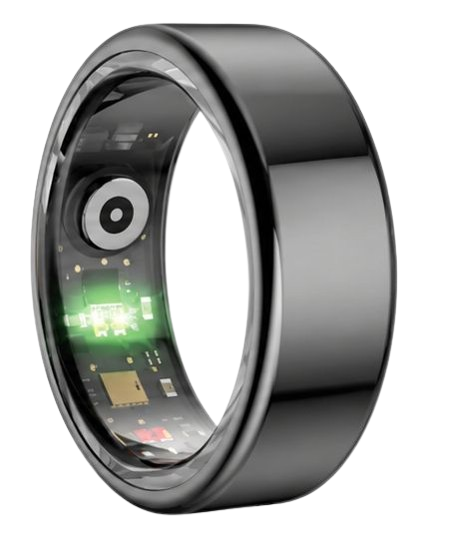
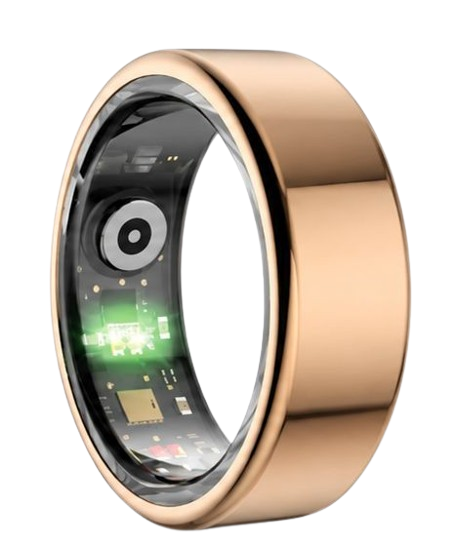
The Herz P1 Smart Ring tracks HRV, Sleep, Heart Rate & SpO2 around the clock. No subscriptions. No renewals. Ever.
In This Article
- Step-by-Step Recovery Guide: A proven biological protocol to eliminate morning sleepiness.
- The Science of Sleep Inertia: Why your brain struggles to transition from deep sleep to waking life.
- Biometric Technology: How advanced optical sensors decode your sleep stages and heart rate variability.
- Practical Lifestyle Habits: How to track your biometric trends to optimize your daily cognitive energy.
- Strategic Device Selection: Why premium smart rings offer a superior, subscription-free health alternative.
How to Overcome Waking Up Tired and Groggy: A Step-by-Step Recovery Guide

Before launching into your morning wellness sequence, you must understand that clearing sleepiness is a physical process that requires structured cues.
You will need a consistent waking environment, access to bright light, clean water, and a reliable way to monitor your body’s overnight recovery trends.
Step 1: Establish a Consistent Circadian Anchor
You must wake up at the exact same time every single day to properly train your brain’s internal master clock.
This circadian anchor is crucial because it aligns your body’s natural sleep-wake cycle with the external environment.
This consistent scheduling stabilizes your natural cortisol awakening response, which clears lingering sleep hormones from your blood.
Sleeping in on weekends disrupts this delicate cycle and severely exacerbates the groggy feeling you experience on Monday mornings.
Aim for a maximum wake-time variance of thirty minutes to ensure your body anticipates when it is time to wake up.
By keeping this anchor consistent, your brain naturally begins to raise your core body temperature and heart rate before your alarm sounds.
This biological anticipation makes transitioning from sleep to wakefulness smooth, effortless, and entirely free of morning brain fog.
Step 2: Optimize Your Early Morning Light Exposure
Seek out bright, natural sunlight for at least ten to fifteen minutes immediately after getting out of bed.
Direct sunlight exposure stimulates specialized photosensitive ganglion cells in your retina that connect to your suprachiasmatic nucleus.
This light-driven signal immediately suppresses melatonin production, which is the hormone responsible for making you feel sleepy.
If you wake up before sunrise, use a high-intensity seasonal affective disorder light therapy lamp as an effective medical-grade substitute.
This vital physical cue directly reduces your acute sleep inertia symptoms by stimulating immediate neurological wakefulness.
The bright light also prompts a healthy spike in systemic cortisol, providing you with a clean, natural wave of energy.
Failing to get bright light early in the morning keeps your brain in a prolonged, semi-asleep state for several hours.
Step 3: Implement Strategic Hydration and Delayed Caffeine Intake
Consuming at least sixteen ounces of clean, filtered water immediately upon waking helps rehydrate your vital organs and brain cells.
Your brain is composed of seventy-three percent water, meaning even minor dehydration impairs cognitive performance and exacerbates morning fatigue.
Delay your first cup of coffee or tea for at least ninety minutes after waking to allow natural adenosine clearing.
Adenosine is a sleep-promoting chemical that builds up in your brain during your waking hours and is cleared during sleep.
Consuming caffeine too early blocks your brain’s adenosine receptors prematurely and inevitably causes a severe afternoon energy crash.
This strategic delay ensures your body clears the sleep pressure naturally rather than relying on a temporary chemical bandage.
It also prevents your body from building a high tolerance to caffeine, keeping your morning cups highly effective.
Step 4: Engage in Light Aerobic Movement and Breathwork
Perform five minutes of light physical movement, such as gentle yoga stretching or a brisk walk around your home.
This deliberate physical activity increases your core body temperature and accelerates systemic cardiovascular circulation.
Combine this movement with deep, rhythmic diaphragmatic breathing to fully oxygenate your brain and vital tissues.
Increased oxygen delivery directly helps combat the unpleasant feeling of waking up groggy by boosting mental alertness.
The combination of physical movement and deep breathing triggers the release of endorphins, which are natural mood elevators.
This quick routine shifts your autonomic nervous system away from sleep-dominated parasympathetic activity toward active sympathetic drive.
Even a very short duration of morning movement can drastically shorten the duration of your morning brain fog.
Step 5: Design a Cool and Calming Sleep Sanctuary
Keep your bedroom temperature between sixty-five and sixty-eight degrees Fahrenheit to support deep, uninterrupted sleep.
Your body temperature must drop by about two degrees Fahrenheit to initiate and maintain high-quality sleep cycles.
Eliminate all ambient light sources and disruptive noises that might cause micro-arousals during your critical overnight sleep stages.
These subtle micro-arousals prevent you from spending sufficient, continuous time in restorative deep and REM sleep phases.
Optimizing your environment is a crucial step in preventing the frustrating experience of feeling tired after waking up.
Using blackout curtains and high-quality white noise machines can help protect your sleep architecture from environmental disruptions.
A peaceful, cool, and dark sleep sanctuary is the ultimate foundation for waking up refreshed and fully energized.
Enhancing Your Morning Recovery with the Herz P1
Our team at Herz P1 is dedicated to helping you master this recovery sequence by tracking your sleep phases without bulky technology.
The Herz P1 Smart Ring monitors your skin temperature variations and movement patterns continuously.
This constant tracking provides precise insights into how environmental changes affect your morning recovery.
You can view your detailed metrics in the completely free application to see if your efforts are successfully reducing morning sleepiness.
90-Day 100% Money-Back Guarantee
“The Herz Smart Ring helps me manage stress easily. It’s accurate, stylish, and lightweight—perfect for my busy life!”
— Jennifer P. | ✔ Verified Customer
- ✓ 6-Day Battery Life
- ✓ Detailed Sleep Analysis
- ✓ Fast 1-Hour Charging
- ✓ iOS & Android Ready
Questions? Call: 1-866-479-1629
The Science Behind Sleep Inertia and Why You Wake Up Groggy

Understanding what does sleep inertia feel like requires exploring complex brain neurochemistry.
Sleep inertia is a transitional physiological state between deep sleep and wakefulness characterized by impaired cognitive performance.
During this state, the brain slowly transitions from high-amplitude delta waves to high-frequency beta waves.
The National Sleep Foundation notes that this mental transition can take anywhere from fifteen minutes to four hours.
If you wake up during a deep sleep stage, your brain is forced out of a highly slow-wave state.
This abrupt disruption leaves you feeling heavy, uncoordinated, and mentally clouded for the first part of your day.
Adenosine accumulation in the prefrontal cortex also plays a primary role in this prolonged groggy sensation.
Knowing waking up groggy causes helps you target the root biological issues instead of guessing.
The American Heart Association highlights how poor sleep quality directly impacts cardiovascular health and overall recovery.
Disrupted sleep cycles can cause elevated resting heart rates and lower heart rate variability over time.
Continuous monitoring of these biomarkers is essential for identifying chronic recovery deficits before they impact your life.
Our smart ring uses military-grade steel to house high-precision optical sensors that read these indicators perfectly.
This enables you to see exactly how many times your sleep was interrupted throughout the night.
How Wearable Biometrics Decode Your Morning Energy Deficits
Modern optical sensors in wearables track biological metrics to reveal your true overnight sleep quality.
Photoplethysmography technology works by projecting light into the capillaries of your finger to measure blood flow changes.
Your finger contains a much denser network of blood vessels than your wrist, leading to higher signal accuracy.
This allows the sensor to detect heart rate variability, or HRV, with clinical-grade precision.
A high HRV score indicates that your parasympathetic nervous system is active and your body is recovering well.
Conversely, a low HRV score suggests that stress is dominating and you are likely to experience morning tiredness.
We also measure blood oxygen saturation, or SpO2, during your sleep cycle to monitor respiratory efficiency.
Frequent drops in SpO2 levels can indicate sleep-disordered breathing, which completely destroys sleep quality.
This disruption leaves you feeling completely exhausted in the morning regardless of the total hours slept.
Tracking these trends over time helps you make data-backed adjustments to your sleep hygiene.
The Herz P1 delivers these metrics without requiring a monthly app subscription fee.
This ensures you always have complete, uninhibited access to your own personal health data.
Tracking Your Way to Alertness with the Herz P1 Application
The Herz P1 companion application translates complex medical data into daily, actionable advice.
Every morning, the application provides a comprehensive Sleep Score based on four key metrics.
These metrics include deep sleep duration, REM sleep duration, sleep latency, and physical restlessness.
You can easily identify if you are spending enough time in restorative sleep phases.
If your deep sleep is low, you can adjust your bedtime routine and observe the immediate impact.
The app also tracks your real-time HRV Stress Index throughout your busy workdays.
When stress levels spike, the app suggests quick breathing exercises to lower your heart rate.
This proactive advice helps you prevent daytime stress from ruining your overnight sleep.
Because the ring is made of lightweight military-grade steel, it remains comfortable for continuous 24/7 wear.
You will barely feel it on your finger while working out, sleeping, or typing at your desk.
The IP68 waterproof rating means you never have to remove it when showering or washing your hands.
This seamless integration ensures there are no gaps in your valuable health data collection.
Common Pitfalls in Managing Sleep Quality and Device Choice
Many people make the critical mistake of wearing a heavy, bulky smartwatch to bed.
Bulky watches often cause physical discomfort and lead to unnatural hand positions during sleep.
This physical irritation causes micro-awakenings that ruin your deep sleep cycles.
Furthermore, smartwatches must be charged daily, which often results in missed sleep data.
Another common mistake is choosing tracking devices that require expensive monthly app subscriptions.
These ongoing costs can quickly add up and feel like a financial burden over time.
Our team believes that you should never have to pay a subscription to access your own biometric data.
The Herz P1 App is completely free for life, with all updates and features included.
Additionally, some cheap wearables are fragile and break easily during daily activities.
The Herz P1 is built with military-grade steel to ensure maximum durability and longevity.
This robust construction is backed by a full two-year warranty and a ninety-day guarantee.
Choosing a ring over a bulky watch eliminates tracking gaps and supports natural sleep posture.
This allows you to focus purely on recovering from waking up tired.
Feature Comparison: Smart Ring Wearables in 2026
| Feature Checked | Herz P1 Smart Ring | Standard Smartwatches | Basic Fitness Trackers |
|---|---|---|---|
| Monthly Subscription Fee | $0 (Free App Forever) | Often $5.99 to $9.99/mo | Sometimes required for insights |
| Material Construction | Military-Grade Steel | Fragile glass & aluminum | Cheap plastics |
| Form Factor Comfort | Lightweight Ring (3g) | Bulky, heavy wrist wear | Uncomfortable wrist straps |
| Battery Durability | Up to 6 Days | 18 to 36 Hours max | 3 to 5 Days |
Frequently Asked Questions about Sleep Inertia and the Herz P1
Yes, the Herz P1 is fully certified with an IP68 waterproof rating.
This means it is completely protected against dust and can be submerged in water up to one hundred and sixty-four feet.
You can safely wear the ring while swimming, showering, washing dishes, or sweating during intense workouts.
The durable military-grade steel outer shell protects the delicate internal optical sensors from water damage.
The battery is designed to last up to six days of continuous, round-the-clock tracking.
It uses advanced power-saving technology to monitor your biometrics without draining the charge.
When the battery does run low, it can be fully recharged in under one hour using the magnetic charger.
This rapid charging time ensures that you never miss a single night of critical sleep data.
For the highest tracking accuracy, we recommend wearing the ring on your index, middle, or ring finger.
These fingers have a dense network of blood vessels near the skin surface, which improves optical sensor readings.
It is important to select a finger where the ring fits snugly but remains comfortable throughout the day.
Our complimentary sizing kit makes it easy to find the perfect fit before your ring arrives.
Yes, the ring features seven days of local, secure offline data storage.
If you travel or disconnect your phone’s Bluetooth, the ring will continue to track your metrics.
Once you open the companion app near the ring, all stored data will sync automatically.
This feature guarantees that your long-term health trends remain seamless and complete.

Conclusion
Understanding your biometrics is the key to conquering morning tiredness and sleep inertia forever.
The Herz P1 Smart Ring is your ultimate, subscription-free health companion.
Ready to monitor your health every day?
Explore the Herz P1 Smart Ring and see if it fits your lifestyle.
Call: 1-866-479-1629 — our team can help you advise on the correct ring size and set personalized health goals.
