

Do you frequently struggle with waking up groggy and find yourself trapped in a state of morning brain fog that ruins your productivity? At Team Herz P1, we understand how frustrating sleep inertia can be, which is why we engineered the premium Herz P1 Smart Ring to track sleep cycles, heart rate variability, and daily stress levels without any monthly subscription fees. This comprehensive guide will decode the scientific causes behind your morning fatigue and provide realistic, data-informed remedies to help you wake up refreshed every day.
Built to Last. Save Up to 69% Today.
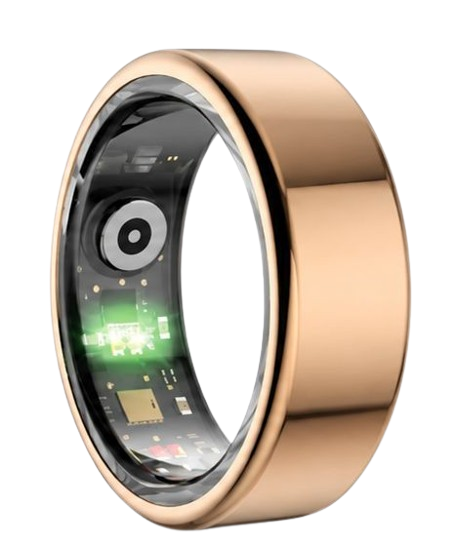
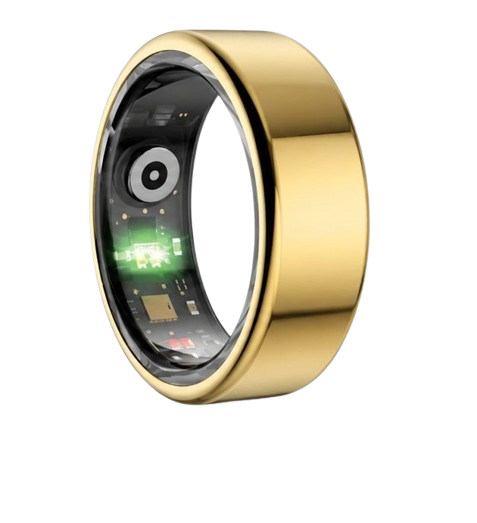
The Herz P1 Smart Ring tracks HRV, Sleep, Heart Rate & SpO2 around the clock. No subscriptions. No renewals. Ever.
In This Article
- Step-by-Step Recovery: A highly structured protocol to optimize your mornings and eliminate sleep inertia.
- The Science of Morning Fatigue: Understanding how deep sleep disruption, adenosine, and cardiac shifts cause brain fog.
- Biometric Deep-Dive: How advanced smart ring sensors track blood oxygen (SpO2) and Heart Rate Variability (HRV).
- Smart Device Integration: Utilizing subscription-free tracking data to make accurate lifestyle adjustments.
How to Defeat Morning Grogginess: A Step-by-Step Wellness Protocol

Prerequisites / What You’ll Need
To successfully overcome morning grogginess, you must commit to a structured routine for at least seven consecutive days.
You will need direct access to natural outdoor light or a 10,000-lux seasonal therapy lamp.
Keep a large glass of filtered water spiked with a pinch of mineral sea salt directly on your nightstand.
Finally, a highly accurate, non-invasive biometric tracker like the Herz P1 Smart Ring is recommended to monitor your nightly sleep stages and physical recovery metrics.
-
Step 1: Expose Your Eyes to Natural Sun Light Immediately Upon Waking
Step outside or open your window shades within fifteen minutes of waking up.
Aim for at least ten minutes of direct light exposure to halt melatonin production instantly.
This action signals your brain’s suprachiasmatic nucleus to initiate the natural cortisol awakening response.
Avoid looking through window glass, as it filters out key wavelengths required to trigger your biological clock.
If you wake up before sunrise, use a high-lux seasonal light therapy box for fifteen minutes to simulate dawn.
-
Step 2: Rehydrate Your System with Electrolyte-Rich Water
Drink a full sixteen-ounce glass of room-temperature water before looking at your phone.
Add a tiny pinch of unprocessed sea salt or a squeeze of fresh lemon juice to restore cellular hydration.
Mild overnight dehydration thickens your blood, reducing oxygen delivery to your brain and worsening fatigue.
Rehydrating immediately boosts cardiovascular circulation and jumpstarts cellular metabolism.
Do not substitute this morning hydration step with black coffee, tea, or sugary energy drinks.
-
Step 3: Align Alarms with Your Natural Sleep Cycles
Set your alarm based on average ninety-minute sleep cycles to avoid waking up from deep slow-wave sleep.
Aim to sleep for either seven and a half hours or nine full hours for optimal cognitive performance.
Waking up during a light sleep stage minimizes the severity of morning brain fog.
Never hit the snooze button, as this action restarts a fragmented sleep cycle that makes you feel worse.
Use a smart vibrating alarm that nudges you gently rather than an aggressive, loud ringtone.
-
Step 4: Engage in Five Minutes of Dynamic Somatic Stretching
Perform gentle movements such as cat-cow poses or slow neck rolls directly next to your bed.
Dynamic stretching increases muscular blood flow and stimulates your lymphatic drainage system.
Deep breathing during these movements helps flush out accumulated carbon dioxide from your lungs.
This physiological stimulation rapidly shifts your nervous system from parasympathetic rest to sympathetic action.
Physical movement acts as a direct somatic cue that tells your brain the sleep period is officially over.
-
Step 5: Delay Your Caffeine Intake by Ninety Minutes
Wait at least an hour and a half before consuming your first cup of coffee or caffeinated tea.
This delay allows your body’s natural cortisol levels to peak and naturally clear remaining adenosine.
Consuming caffeine immediately blocks adenosine receptors artificially and causes a severe afternoon energy crash.
Allowing adenosine to clear naturally ensures stable, clean energy that lasts throughout your entire workday.
Hydrate with herbal teas or warm water with lemon during this initial ninety-minute window instead.
To truly understand if this protocol is working, you need real-time data indicating changes in your autonomic nervous system.
The Herz P1 Smart Ring continuously tracks your biometric variables, allowing you to see your exact progress.
By monitoring sleep stages, HRV trends, and overnight temperature changes, you can verify how well your body adapts to these morning habits.
90-Day 100% Money-Back Guarantee
“The Herz Smart Ring helps me manage stress easily. It’s accurate, stylish, and lightweight—perfect for my busy life!”
— Jennifer P. | ✔ Verified Customer
- ✓ 6-Day Battery Life
- ✓ Detailed Sleep Analysis
- ✓ Fast 1-Hour Charging
- ✓ iOS & Android Ready
Questions? Call: 1-866-479-1629
The Biological Blueprint of Sleep Inertia: Why You Wake Up Groggy

To successfully overcome a persistent groggy feeling, we must examine the specific neurological mechanisms of sleep transition.
According to research supported by the National Sleep Foundation, sleep inertia is characterized by a temporary decline in cognitive performance, spatial orientation, and alertness immediately following awakening.
This physiological transition occurs because the brain does not instantly switch from a sleeping state to complete alertness.
Instead, different areas of your brain reawaken at varying speeds, leaving the prefrontal cortex temporarily under-activated.
If your alarm goes off during a deep slow-wave sleep phase, you will experience severe sleep inertia symptoms that can persist for hours.
During deep sleep, your brain is flooded with delta waves, and waking up from this state is incredibly disorienting.
Many individuals ask: what does sleep inertia feel like when it becomes a daily occurrence?
It manifests as a heavy physical sensation in your limbs, blurred vision, slow cognitive processing, and an intense urge to fall back asleep.
This persistent fatigue is often caused by an accumulation of chemical adenosine in your cerebral tissue.
Adenosine builds up naturally during your waking hours and is cleared primarily during deep sleep cycles.
If your sleep architecture is fragmented, this chemical residue remains bound to your neural receptors, causing a strong feeling groggy sensation.
By mapping your sleep architecture with a highly sensitive biometric ring, you can identify exactly why your natural sleep cycles are being interrupted.
Demystifying Your Body’s Nighttime Signals: HRV, SpO2, and Morning Tiredness

Understanding why you are waking up tired requires a closer look at your autonomic nervous system.
Advanced biometric wearables utilize optical sensors to measure blood flow changes through photoplethysmography.
The Herz P1 Smart Ring uses three distinct wavelengths of light to capture these blood flow changes at the base of your finger.
This location is rich in capillary beds, making it far more accurate for reading heart rate variability and blood oxygen saturation than a wrist-based smartwatch.
Heart Rate Variability, or HRV, is the metric that reflects your body’s ability to recover from physical and psychological stressors.
A low overnight HRV score indicates that your sympathetic nervous system is highly active, meaning your body is stuck in a chronic stress loop.
This lack of autonomic recovery is a primary driver behind a constant feeling tired after waking up, as your body never truly enters a deep state of repair.
Additionally, monitoring your blood oxygen saturation (SpO2) is critical for identifying sleep-disordered breathing issues.
The American Heart Association has highlighted that overnight blood oxygen drops are strongly linked to chronic fatigue and high blood pressure.
If your SpO2 levels drop below ninety-five percent during the night, your brain will temporarily pull you out of deep sleep to restore normal breathing.
While you might not remember these brief awakenings, they destroy your sleep continuity and leave you feeling completely morning tiredness when your alarm rings.
By tracking these subtle biometrics daily, you can identify physical recovery patterns and pinpoint the exact source of your sleep disruptions.
Optimizing Your Sleep Architecture with Herz P1 Daily Analytics
To eliminate feeling exhausted in the morning, you must learn to read and apply the data from your Herz P1 App.
Each morning, the app provides a comprehensive Sleep Score based on four key metrics: Deep Sleep duration, REM Sleep duration, Light Sleep, and Awake times.
Ideally, an adult should spend roughly twenty percent of their total sleep time in deep, slow-wave sleep for physical restoration.
The app displays these metrics in easy-to-read trend charts, allowing you to see how your daily habits affect your recovery.
If you notice your deep sleep is consistently low, you can adjust your bedtime routine and measure the physiological impact immediately.
For example, you might observe that eating a heavy dinner within three hours of bedtime drops your overnight HRV by twenty units.
Seeing this clear, objective correlation empowers you to make healthier lifestyle choices that improve your sleep quality.
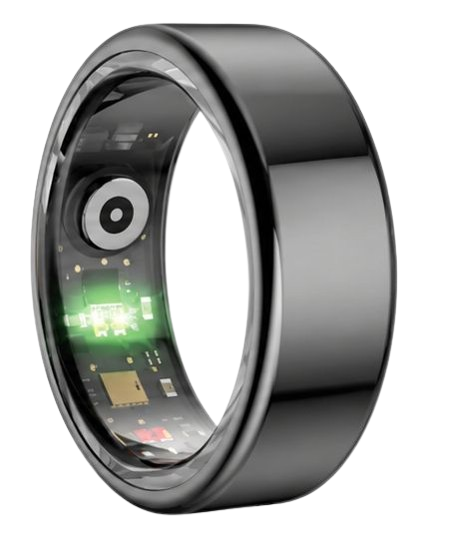
Furthermore, because the Herz P1 is incredibly lightweight and constructed from military-grade steel, you can wear it comfortably all night long.
Unlike heavy smartwatches that scratch your skin or feel bulky, this sleek ring is designed to be completely unobtrusive.
This comfort ensures continuous, uninterrupted sleep tracking so you can focus entirely on your morning recovery journey.
Common Wearable Traps: Why Smartwatches Fail Sleepers
Many individuals try to track their sleep using traditional smartwatches, only to find them uncomfortable to wear to bed.
Heavy, oversized watch faces frequently shift on your wrist, causing sensor misalignment and highly inaccurate sleep data.
Furthermore, many popular smartwatches require daily charging, which usually forces users to charge their devices overnight.
This charging loop defeats the purpose of sleep tracking and creates consistent gaps in your health data trends.
Another common issue is the hidden ongoing cost associated with high-end fitness wearables.
Many brands require a monthly app subscription fee just to access your basic health metrics and sleep history graphs.
At Team Herz P1, we believe that your personal biometric data should always belong to you, without any paywalls.
The Herz P1 App is completely free for life, providing you with detailed analytics and customized health insights at no extra cost.
By eliminating monthly subscription fees, we make premium, high-quality sleep tracking accessible to everyone.
Comparison: Herz P1 vs. Leading Wearable Options
To help you choose the best wellness companion, we have created a clear comparison highlighting key features and ownership costs.
| Feature Metric | Herz P1 Smart Ring | Premium Subscription Rings | Standard Bulky Smartwatches |
|---|---|---|---|
| Monthly Fees | $0 (Free App for Lifetime) | $5.99 to $9.99 per month | $0 (But requires expensive hardware) |
| Battery Longevity | Up to 6 Days (1-hour quick charge) | 4 to 7 Days | 1 to 2 Days (Requires daily charging) |
| Warranty Period | 2-Year Comprehensive Warranty | 1-Year Limited Warranty | 1-Year Limited Warranty |
| Design Durability | Military-Grade Steel (IP68 Waterproof) | Titanium alloy (often scratches easily) | Bulky glass and aluminum components |
| Money-Back Policy | 90-Day Money-Back Guarantee | 30-Day Money-Back Guarantee | 14-Day Return Window |
Frequently Asked Questions About Sleep Inertia and Smart Rings
Is the Herz P1 Smart Ring waterproof?
Yes, the Herz P1 is fully IP68 waterproof and rated for continuous submersion up to 164 feet.
You can safely wear it while swimming, taking hot showers, washing dishes, or sweating during intense workouts.
The hermetically sealed military-grade steel body protects the internal sensor array from water damage and moisture buildup.
How long does the ring battery last on a single charge?
Under normal usage conditions, the Herz P1 battery lasts up to six full days without needing a charge.
The ring charges incredibly fast, going from zero to one hundred percent in under one hour.
This long-lasting battery life ensures you never miss a critical night of sleep tracking data.
Which finger is best to wear the smart ring on?
We recommend wearing the Herz P1 on your index, middle, or ring finger of your non-dominant hand.
These fingers contain larger blood vessels, which allows the optical sensors to capture highly accurate biometric signals.
The non-dominant hand is preferred because it experiences fewer impacts and movements during daily activities.
Does the ring store sleep data offline if my phone is disconnected?
Yes, the Herz P1 features built-in storage that can save up to seven days of biometric data offline.
You do not need to keep your smartphone next to your bed or leave your Bluetooth connection turned on overnight.
The next time you open the app, all stored data will sync automatically and update your progress trends.
Conclusion
Consistently waking up groggy can drain your energy, but implementing structured morning routines and leveraging clinical-grade biometric data will help you reclaim your vital energy. The military-grade Herz P1 Smart Ring offers a highly accurate, subscription-free path to understanding your body’s unique sleep architecture. Ready to monitor your health every day? Explore the Herz P1 Smart Ring and see if it fits your lifestyle. Call: 1-866-479-1629 — our team can help you advise on the correct ring size and set personalized health goals.
